19: Plant Biotechnology
Biotechnology
Plant biotechnology is more than genetic engineering.
Utilization of plant products and processes
Tissue culture – growing whole plants from cells
Gene/Genome Sequencing
Biofuel production

Henry Ford testing pliability of soybean extract-enhanced car plastic with the back of an axe in early 1947. (Ford Motor Company Archives)
Biotechnology tools have expanded the study of plant physiology
Targeted manipulation (mutation, over-expression) of genes to help understand their function
Tissue, cell, and sub-cellular localization of expression products
Measuring gene expression and/or protein function
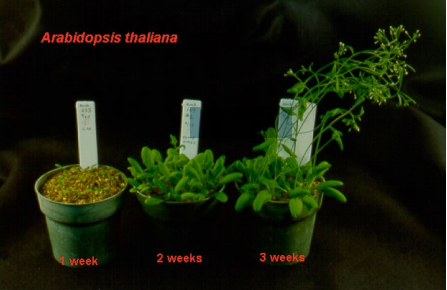
Importance of Genome Projects
Mapping genomes can inform us about the ancestry (common and divergent) of species
Provides information about what genes are responsible for conferring specific traits
Used agronomically
Breeding using molecular markers based on sequence information can provide better predictability when crossing plants for specific traits
Genetically engineering plants based on knowledge about specific sequences
Some sequenced genomes:
Arabidopsis thaliana (Thale cress, first plant genome sequenced)
Oryza sativa (Rice, first crop plant sequenced)
Populus trichocarpa (Poplar tree, first tree sequenced)
Brassica rapa (Mustard)
Carica papaya (Papaya)
Glycine max (Soybean)
Gossypium hirsutum (Cotton)
Hordeum vulgare (Barley)
Zea mays (Corn)
Vitis vinifera (Wine Grape)
Triticum aestivum (Wheat)
Solanum lycopersicum (Tomato)
Medicago truncatula (Barrel medic, related to alfalfa)
Traditional plant breeding results in the combination of multiple genes in offspring, which results in a lot of random combinations.
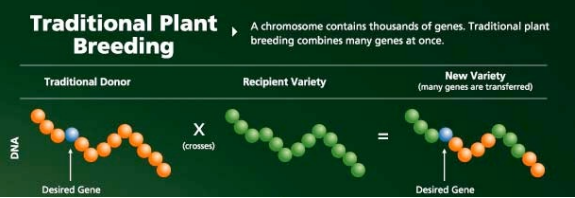
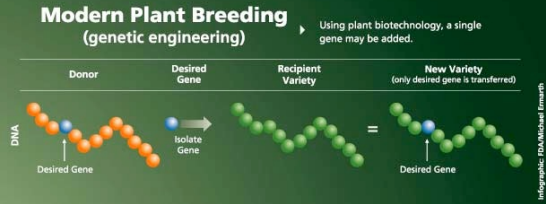
Deriving plants using molecular tools has been carried out since ~1983
What are Genetically Engineered Plants?
Sometimes referred to as “genetically modified”
Transgenic Plants: plants in which DNA from another species (with which the plant could not cross) has been integrated
These plants are generated through transformation: the genetic manipulation of a cell resulting from delivery and incorporation of DNA into the recipient genome
The act of transformation is often referred to as an “event”.
Natural Transformation Processes
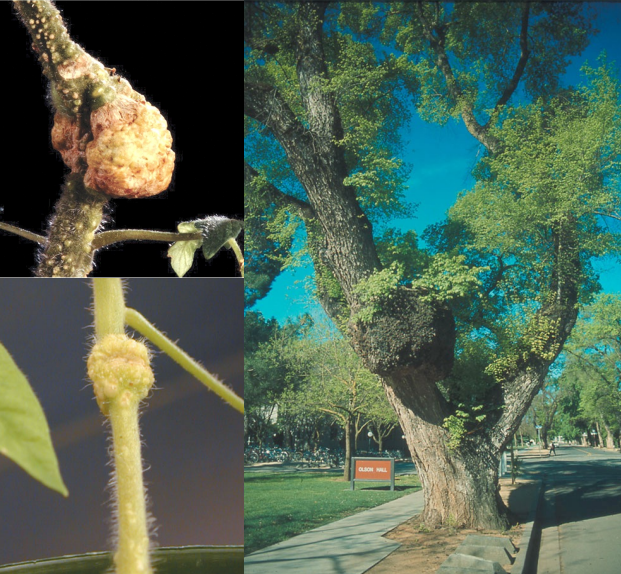
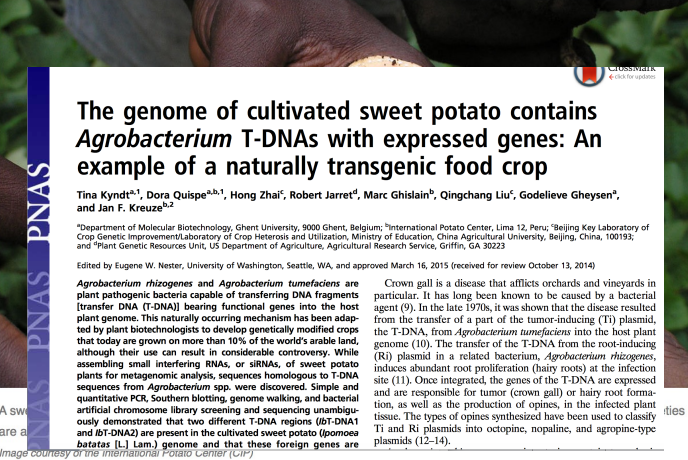
Agrobacterium tumefaciens (a soil bacterium) inserts a fragment of its own DNA into plant cells
induces those cells to produce the plant hormones that promote cell division & expansion
cells form a tumor-like growth called a crown gall tumor
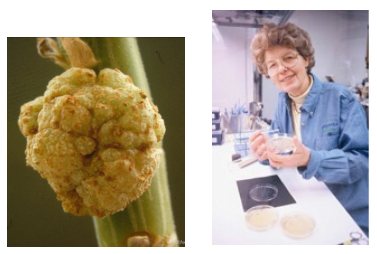
*Mary Dell Chilton and colleagues recognized the ability of the bacterium to do this, late 1970’s.
Transforming plants using Agrobacterium
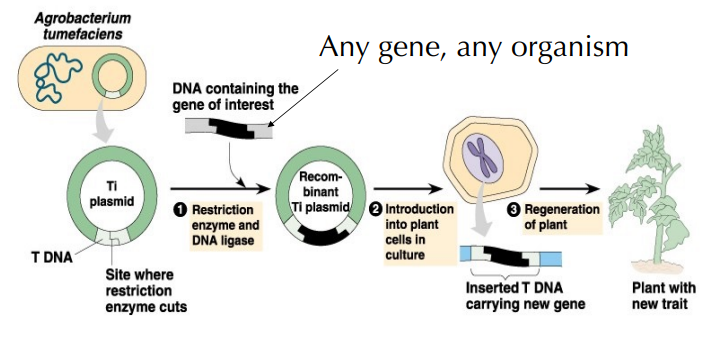
The new plant will pass the transgene to its progeny through seed.
Another Transformation Method…
Agrobacterium effectively transformed dicots, but was not initially effective for monocots and some dicots.
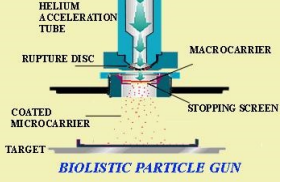
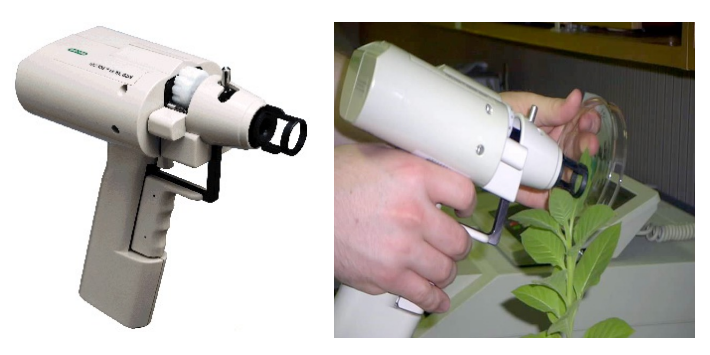
Biolisitcs or microprojectile bombardment: uses a particle gun or “gene gun”
DNA of interest is coated on non-reactive metal particles (Gold or Tungsten) and physically forced inside of plant cells at high velocity using gas pressure
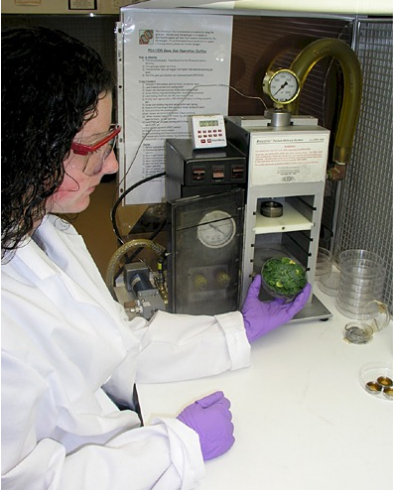
Biolistic method – gene gun
After Transformation, Then What?
Verify that transformation was successful… but how?
Analyze DNA (e.g. using PCR) to see if your sequence is there***
Select for the trait being engineered
If you are engineering for resistance against an herbicide, then apply the herbicide and see if the plant lives!
Physical indicators/markers
Analyze novel protein production***
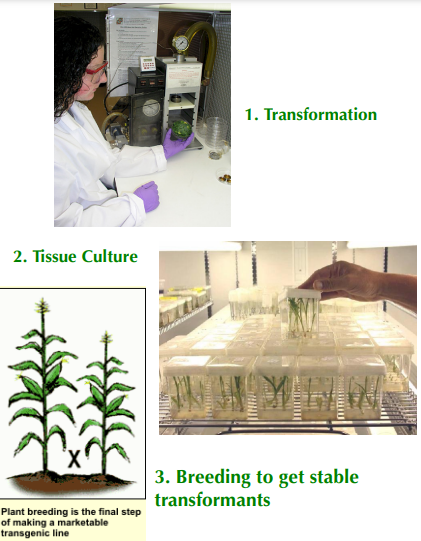
On to tissue culture & breeding!
Take the successfully transformed cells and regrow them into whole plants using tissue culture (the power of parenchyma!).
Breeding: the new transgenic plants are bred with each other and existing crop plants that are vigorous (hardy and high quality)
Multiple rounds of breeding ensure that plants stably & consistently express the gene(s) of interest
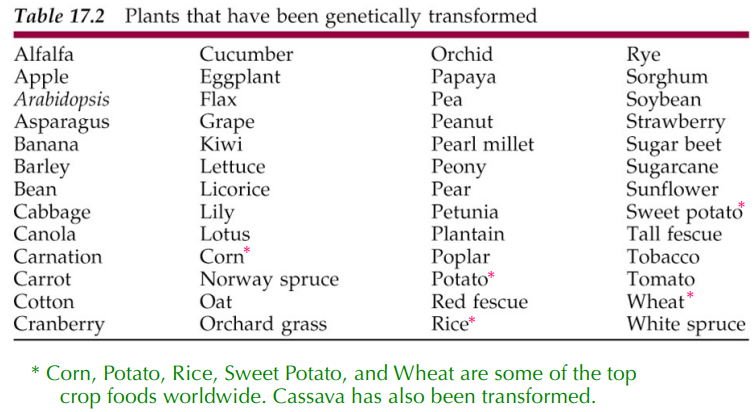
Partial list of plants that have been transformed
What traits have been engineered into plants?
Input Traits (better yield)
Insect resistance – Bacillus thuringiensis toxin production
Herbicide tolerance
Pathogen resistance (viral, fungal, etc.)
Drought, cold, and salt tolerance
Disease Resistance
Output Traits (beneficial/useful qualities)
Improved nutritional content
Production of novel compounds
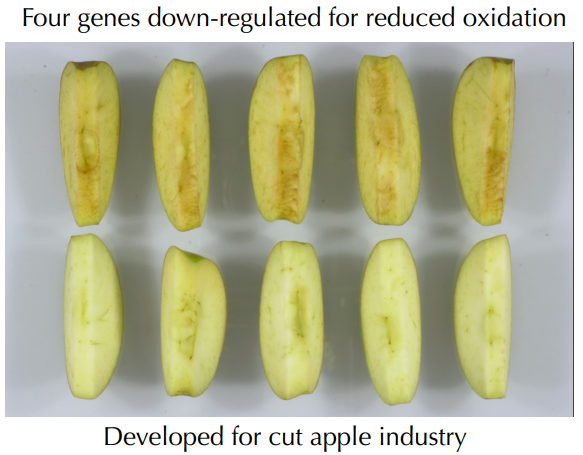
Reduced oxidation (browning) of cut fruits and other organs
Insect Resistance
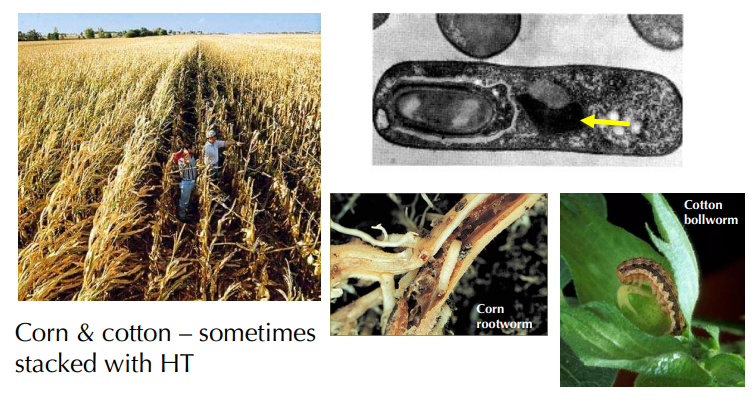
Genes from the Cry gene family of the bacteria Bacillus thuringiensis (Bt), which encode for insecticidal toxin
Insects ingest protein and eventually starve
Implementing Bt crops has reduced pesticide application, reduced pest populations, and helped increase potential crop yields
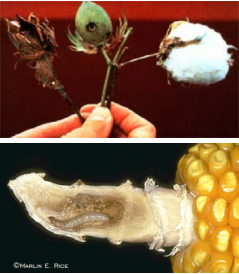
Wild type cotton on left, BT cotton on right Insect Resistance
European corn borer (left) and many others have caused significant damage to corn crops in the U.S.
Insect Resistance
Plants engineered with genes encoding toxin from Bacillus thuringiensis
Herbicide Tolerance
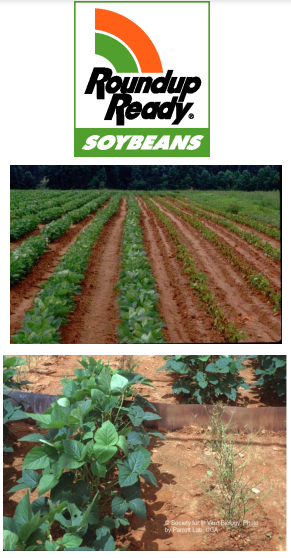
Weeds are a significant problem in crop fields
Engineer crop plants with an enzyme that will render them resistant to herbicide effects – Weeds die while engineered plants survive
Weed resistance to herbicides is real, and a problem (e.g. Palmer Amaranth)
Multiple strategies developed in response
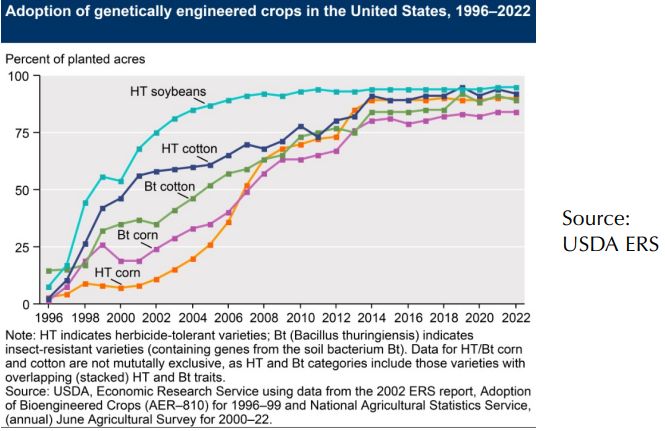
Adoption of Herbicide Tolerant and Insect Resistant Crops Has Significantly Increased Since Their Introduction in 1996
Virus Resistance
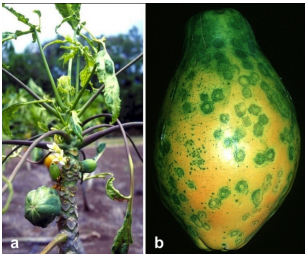
Credited with helping save the Hawaiian papaya industry against the Papaya Ring Spot Virus
Rainbow and Sunup - 1999
Also developed for potato, squash, plum
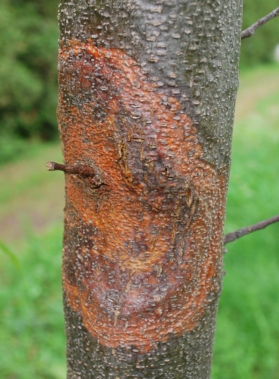
Chestnut Blight Resistance
Gene from wheat engineered into American Chestnut that will break down fungal walls
Arctic® Apples – Reduced Browning
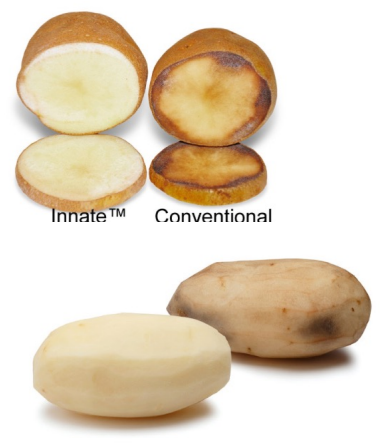
Simplot’s InnateTM Potato
Reduction in brown spot due to harvesting stress and oxidation
Russett, Burbank Russett, Snowden lines
Freeze Tolerant Eucalyptus for biofuel
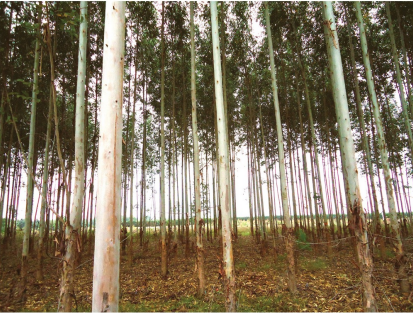
Engineered with cold-responsive gene from Arabidopsis – in the mustard family
Strategy to increase growth range of Eucalyptus in Southeast
Temps down to 15°F
Added Nutritional Value
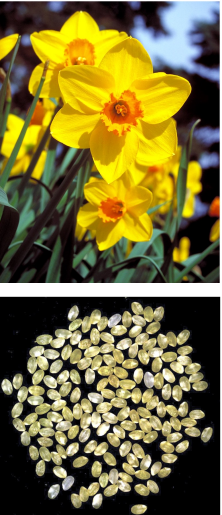
Example: Golden Rice
Vitamin A deficiency is a severe problem in some developing areas of the world, leading to blindness, morbidity, and even death
Beta-carotene is chemically converted to Vitamin A in the small intestine
Rice engineered with two enzymes in beta-carotene production pathway from daffodil & corn
Currently grown in the Philippines
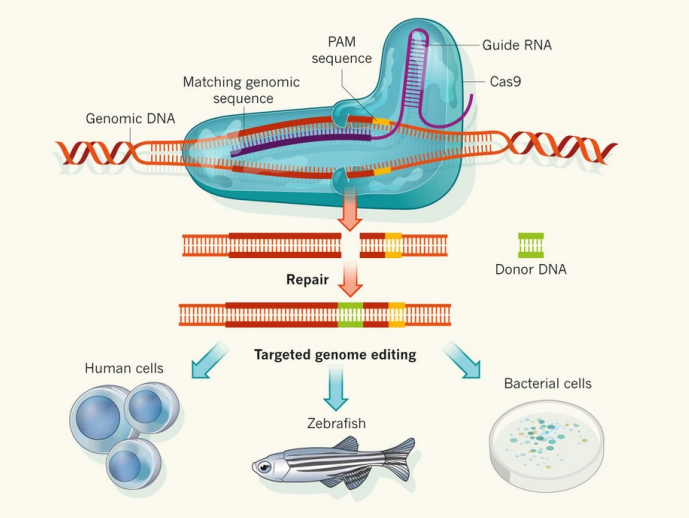
Genome Editing Using CRISPR
Clustered Regularly Interspaced Short Palindromic Repeats - identified in bacteria as a defense against bacterial viruses
Use specific RNA sequence to guide an enzyme called Cas (CRISPR associated) to target DNA
Cas enzyme cleaves DNA, which can result in mutations in the target sequence
CRISPR Applications
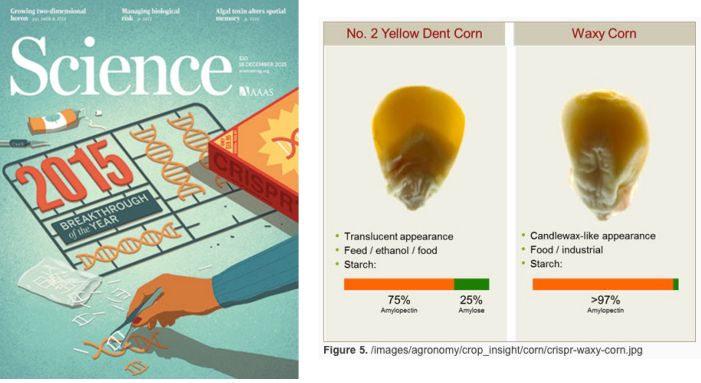
Example: Waxy corn hybrids generated using CRISPR have modified starch content for industrial applications