Good Dispensing Practice (Wk1)
Good Dispensing Practice (GDP) involves ensuring the quality and safety of pharmaceutical products through proper handling and distribution techniques.
There are three different groups in Singapore that oversees the Healthcare System.
National University of Health — western region
National Health Group — central region
Singhealth — eastern region (getting NGEMR in 2026-2028)
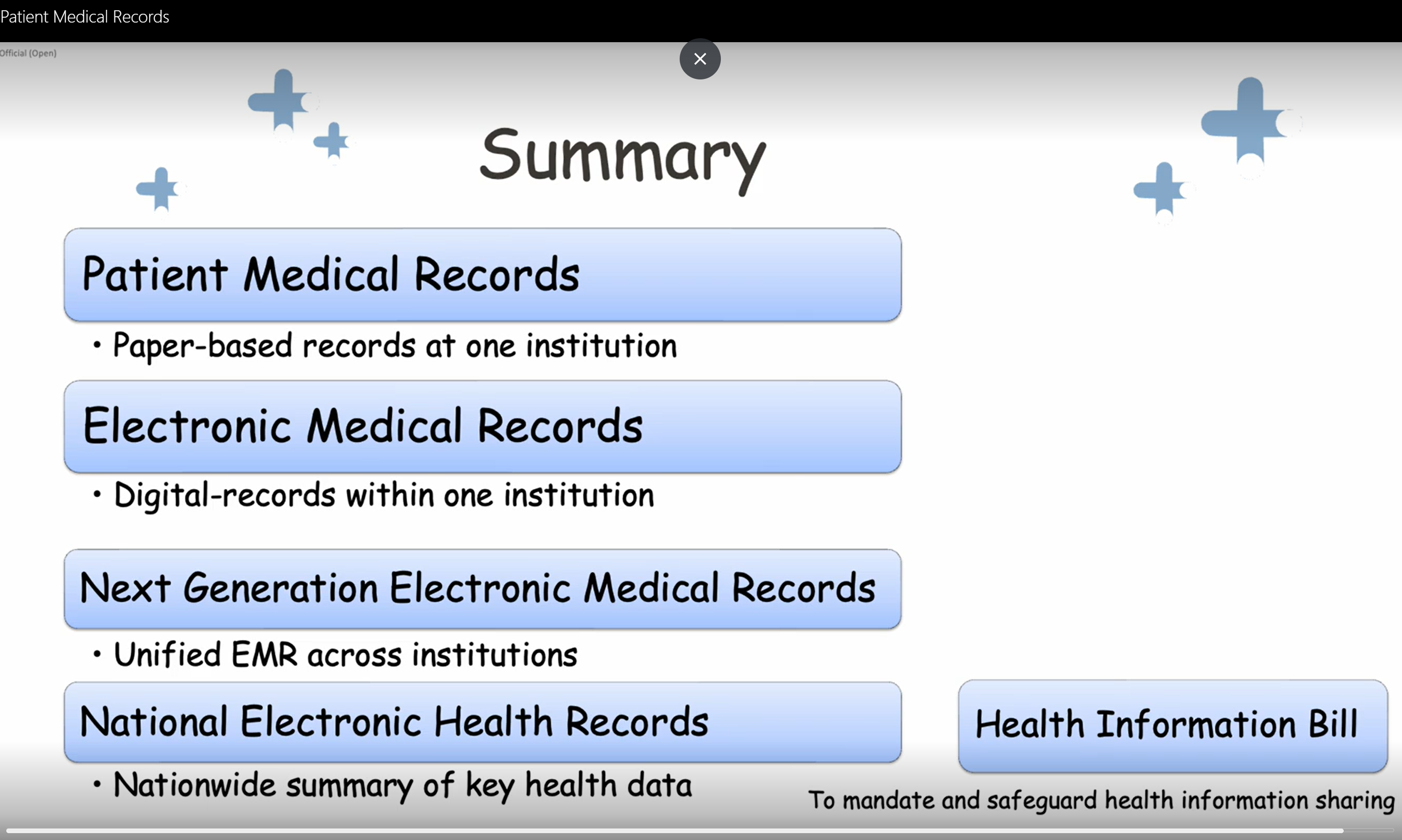
done in 1998 — everyone has made their own EMR, all of them have to access different platforms to access different information across different organization. Hence we have NGEMR.
if the organisation is not part of the same cluster, they will go by NEHR, where certain medical records are available although not all. They do not require the system of NGEMR in order to see the medical records.
NGEMR (Next Generation Electronic Medical Record) —An advanced centralized electronic medical record system that provides a single patient record across institutions to enhance care management and delivery.
Benefits of NGEMR (Upgraded Version)
patient centric care model — making patient care more personalized and effective.
enhance decision support & integration — provides doctors with smart tools like reminders, that all doctors follows the same standards and understanding the same data.
increase efficiency, patient advocacy — gives patients more access to their own health information other than just doctors, reduces duplication of work hence doctors can provide the upmost care to patients, and ensures that they go to the right places for their medications
reduces the number of healthcare IT systems needed — instead of coordinating many different IT systems together, they incorporate everything into one standardized system that everyone uses.
Challenges with NGEMR
resistance to change (mindset) — why fix it when current systems are working alright.
financial investment (1.5 billion dollars of investments for the next 10 years of implementation) — spending money to replace all the systems and staff training
data migration and integration — the struggle and danger in transferring patient information onto another platform without risk of data breach/loss or the data available on the EMR cannot be transffred over to NGEMR
privacy and security of patient details — hacking, data breacthing.
additional training and education for staff
NEHR (National Electronic Health Records)— the difference is that NEHR is specially curated, you can’t view everything that doctors can view. (etc. HealthHub allows to view certain things)
→ founded in November 2011 — they struggled with participation from doctors and hospitals. HIB introduced.
Repository that manages patient summary health records centrally by storing clinically relevant information from their encounters with clinicians and healthcare professionals across the national healthcare network throughout their life.
everyone has access to NEHR, but not everyone will have access to NGEMR — example private clinic doctors.
this forces private sector to be part of the public medical system, to be able to access all the tests you did in other hospitals despite not being part of NGEMR
Benefits
connects all healthcare providers private or public, in order to provide continuous ideal healthcare to everyone, even yourself (care continuity)
achieves better health outcomes — helps to reduce errors, better health outcome, to make informed medical decisions, increase treatment effectiveness
raises patient safety — prevents duplicated tests & brings up allergies and risks and adverse drug interactions by giving comprehensive patient records and data.
enhances patient collaboration/experience with seamless care — better communication, lesser repeated tests.
Health Information Bill
serve as centralized repositories that streamline access to patient information for healthcare professionals, ensuring that all team members are aware and can make informed decisions that prioritize patient safety.
mandated all medical licensed providers to contribute patient information and data to the NEHR — ensures all required patient information is readily available across the medical landscape, thus reducing delays in treatment
establish a framework for the sharing of health information between providers in the healthcare ecosystem to support continuous patient care.
sets out the basic data security and cybersecurity requirements that healthcare providers must comply with in their own systems as well.