testing and wood finishes
WORKSHOP TESTING
woods often need to be tested to see if they are suitable for their application and to know when designing the full capabilities of the type of timber that you would use
when in a workshop you can test for tensile strength (the ability to resist a bending force) by applying a weight to a clamped piece of wood and monitoring the deformation of the wood - you can use a rule or electronic vernier callipers to measure the deflection of the wood
you can also test hardness (how easily a material can resist abrasion or indentation) by using a hammer and a centre punch and measuring the size of the indentation that forms, this test is hard to do consistently in a workshop
you can also test toughness (the ability to absorb impact) by securing a sample of wood in a vice and hitting it with a regular equal force from a hammer until it breaks and count the number of hits it takes
you can test pieces of wood for its corrosive resistance (ability to resist rot and fungal attack) by leaving several samples of each wood outdoors for a set time in the same conditions and compare their condition after the time has elapsed. this testing can also be done to see the woods performance when being weathered or its exposure to UV
malleability ( the ability of a material to be moulded or shaped without breaking) can be tested in an experiment measuring how far a test strip will bend before it snaps using a rule
INDUSTRIAL TESTING
industrial testing is very expensive to set up and machines can require training to operate but is a more accurate and reliable
a tensile testing machine clamps a piece of wood at each end and stretches it at a constant rate. the worm drive clamps the wood and the machine plots a graph of load an distance travelled
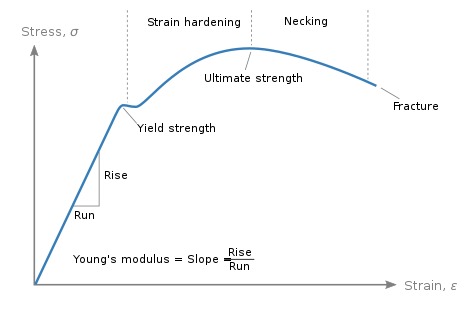
hardness can be tested by multiple different tests:
the Janka hardness test pushes a steel ball a set distance into a piece of wood there are other test such as the Vickers, Brinell and Rockwell test which uses different shapes and materials
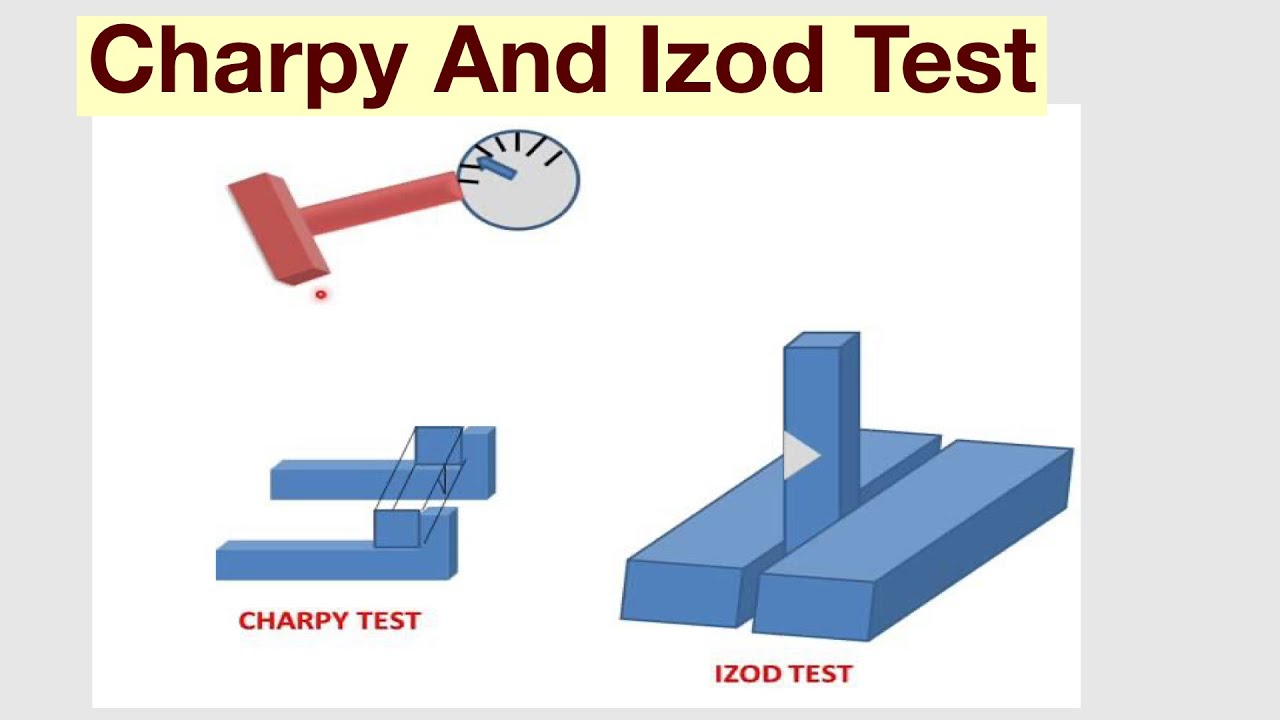
there are two standard industrial testing methods for toughness both using a pendulum to strike a test piece of wood the Charpy test uses a pendulum that strikes the top whereas the Izod test strikes the side
NON DESTRUCTIVE TESTING
non-destructive testing is needed to test products without damaging them often used on expensive materials and finished products they can also be used to see imperfections unable to be seen by the naked eye
ultrasonic testing is used for testing internal defects using sound waves and the reflected image is highly accurate and used to check for abnormalities in the material
x-ray testing is used to project and image on the screen of a cutaway/cross section of a product. this can be used to provide insight on how timber may have been affected by its surroundings
thermal conductivity can be used using the guarded hotplate method using two plates at a set temperature where the temperature of the wood is monitored to see how long it takes for the wood reaches a constant temperature. this method is time consuming and cant be done at all temperatures
electrical conductivity can be tested using a special liquid, however wood is hydroscopic so electricity can cause shocks
WOOD FINISHES
wood finishes are used for two reasons either aesthetics or to enhance the performance of woods
preservatives can reduce and eradicate the chance of insect and fungal attack, moisture and fire damage and can sometimes enhance aesthetics as a side effect. these preservatives are often applied with a rag of brush and sometimes pressure treatment
copper in preservatives is used for anti-microbial properties
paints that contain acrylic and epoxy resin can create a coating to seal wood and reduce UV damage
biopolymers can be produced by impregnating wood with natural acids to guard against decay
COMPOSITES
woods with resin can have advantages or laminated boards. these boards are strong and stable and MF laminate can be used to produce a wipe-clean surface - they can also be adapted to click together for quick construction
and example is glulam, which was used in a bridge in Sneek, it is made from laminated beams for structural use and it is more flexible than other beams and has staggered joints to avoid weaknesses