CNA review
Infection control
Infection control is controlling the spread of infection is the basic idea in the healthcare field.
Bloodborne pathogens
they live in our joints, lungs, and brain
semen and vaginal secretions
bodily fluids like urine or feces
such as …..HIV/AIDS, HEPATITIS B, HEPATITIS C, SYPHILIS
Modes of transmission
transmission based precautions - disease or pathogen transmitted by air
contact - stomach bug, antibiotic resistant wounds, pathogens or open wounds
Chain of infection
pathogen - microorganisms that cause disease
resevoir - an environment where a pathogen lives and thrives
transmission - way which disease is spread
portal of exit - way for infectious agent to escape from the resevoir in which its been growing in
Controlling the spread of infection
nosocomial infection - infections that occur when a person is in a healthcare facility
superbugs - pathogens thst are resistant to antibiotics and are really hard to treat like MRSA
Safety
Risk factors
sensory impairment and confusion
Code RED
Rescue
Alarm
Contain
Extinguish
5 principles of safety
Did → dignity
I → independence
Provide → privacy
Safe → safety/infection
Care → communication
The residents unit
OBRA requires facilities to maintain temp of 71-81
Omnibus
Budget
Reconciliation
Act
Growth and development
physiological - relating to the branch of biology that deals with normal functions of living organisms and their parts
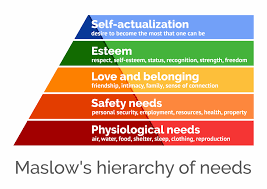
Maslows hierarchy of needs
gross motor - involves larger muscles in the legs and arms
fine motor - involves small muscles of hands and fingers
Resources like vocab
QD - every day
MRSA - methicilin resistance staphla-cocus aureaus
COPD - chronic obstructive pulmonary disease
signs of stroke
Facial droop
Arm droop
Speech slurring
Time
Vital Signs
TPR - temp, pulse, respirations
fever - temp above 100.4
hypothermia - temp below 97
9 different pulse points
temporal - forehead
carotid - neck
apical - heart
brachial - inside of elbow
radial - wrist
femoral - leg
popliteal - calf
the atrium
recieves blood from the body and lungs
superior to ventricles
pumps into ventricles
arteries - delivers o2 rich blood to heart and body
veins - delivers o2 poor blood to heart and lungs
capillaries - smallest vessels in the body where the o2 and co2 are exchanged at a cellular level