Stress & Coping
Learning Objectives
Discuss the physiological and psychological responses to stress.
Explain stress theory.
Discuss the impact of factors on an individual’s stress and coping.
Explore the role of the nurse when caring for clients experiencing stress.
Apply the nursing process through the use of clinical judgment functions while providing care to clients experiencing stress with alterations in coping.
Physiological and Psychological Responses to Stress
Stress and Stressors Defined
Stress is the psychological, emotional, or physical response and adaptation to real or perceived changes and challenges. More precisely, stress is a condition in which the body responds to changes affecting its normally balanced state of equilibrium. All individuals experience stress as a normal part of daily life, and responding to stress is a necessary physiological process for regulation and homeostasis. Stress can be caused by physical, emotional, environmental, or mental changes. It can be either positive or negative, depending on how an individual perceives the stress (appraisal). A stress reaction occurs when perceived demands (stressors) exceed an individual’s existing resources to meet them.
Selye, an early pioneer on the study of stress, identified a stressor as any event, experience, or environmental stimulus that causes stress in an individual. Stressors are inherently neutral. Thus, it is an individual’s perceptions of and responses that determine whether a particular stressor is positive or pleasant (eustress) or negative or unhealthy (distress). Eustress is often associated with accomplishment or achievement and generally produces feelings of well-being, inspiration, and motivation. In contrast, unhealthy or chronically prolonged distress, coupled with poor coping practices, can lead to physical and emotional fatigue and ill health. In summary, the concept of stress encompasses both the effects of the stressor and the person’s appraisal and interpretation of the stressor.
Physiology of Stress: The Fight or Flight Response
Video Transcript
The mind and body continually assess all aspects of day-to-day life to determine the potential for danger.
If a situation is interpreted as having a possible negative impact, the brain then appraises the severity of the threat.
Minor threats to well-being include the daily hassles encountered in life, such as a long line at the store, misplacing an object, or concerns about physical appearance or weight.
Minor threats are usually managed through behavioral, physiological, and psychological responses.
A severe threat is one in which the brain perceives that there is a potential for harm occurring to the body. This causes activation of the nervous and endocrine systems, resulting in a sequence known as the fight-or-flight response.
The amygdala, buried deep in the middle of the brain, is the center for emotions and motivation.
If the amygdala interprets a situation as dangerous or fearful, it sends a distress call to the hypothalamus.
The hypothalamus, in turn, releases corticotropin-releasing factor (CRF), which causes the sympathetic nervous system to secrete hormones such as epinephrine and norepinephrine, which have an immediate effect on the body.
This reaction enhances the body's ability to defend or flee for safety due to the perceived threat.
The heart rate and blood pressure increase to supply more blood to the large muscles, brain, and vital organs.
The small airways in the lungs dilate, and the respiratory rate increases to provide more oxygen to fuel the response.
Pupils dilate to increase visual acuity.
Hearing diminishes to decrease distractions.
Mental alertness increases.
Muscles become tense and may tremble as they are primed and ready for action.
The palms and fingers become damp with perspiration in order to improve grip, whether fighting or climbing a tree to escape.
Glucose and fats are released from storage to provide the energy needed for the response.
Pain perception is diminished, and the clotting ability of the blood is enhanced.
Digestive activity slows, and salivation decreases.
Amazingly, all these changes occur within a few seconds of the perceived danger.
Corticotropin-releasing factor (CRF) also leads to the release of adrenocorticotropic hormone from the pituitary gland.
This hormone travels through the bloodstream to stimulate the adrenal glands located on top of the kidneys.
If the threat is valid, continued activation of the sympathetic nervous system is required.
This prolonged response is sustained by the release of cortisol and epinephrine (adrenaline) from the adrenal cortex for as long as it is needed.
Once the threat of danger has subsided, the parasympathetic nervous system takes over to return the body to a relaxed state of energy conservation.
The optimal stress response depends on intact, well-functioning body systems. Ordinarily, everyday stressors experienced by individuals are effectively managed through homeostatic and regulatory processes to minimize their impact on the individual and maintain health. When a person experiences a potential or actual stressor, the body appraises the situation, and the limbic system activates an anticipatory response. The amygdala, hippocampus, and prefrontal cortex work together to process emotional responses to stress.
If the stressor is perceived as minor, physiological, psychological, and behavioral processes compensate for it, and homeostasis is maintained. Recent research explains this compensation as occurring due to allostasis, the idea that the body adjusts to meet new challenges. However, if the body stays under stress too long, it can lead to cardiovascular, metabolic, and immunologic complications. In contrast, if the stressor is perceived as a more serious threat, the body mounts a response initiated by the nervous and endocrine systems. The hypothalamus, pituitary gland, sympathetic nervous system (SNS), and adrenal glands all participate in this stress response.
Sympathetic–Adrenal–Medullary (SAM) system
The sympathetic–adrenal–medullary (SAM) system helps the body quickly respond to stress by releasing norepinephrine, epinephrine, and dopamine. This surge of catecholamines produces the fight-or-flight response. The fight-or-flight response is characterized by increased heart rate, blood pressure, cardiac output, and blood glucose levels; dilation of bronchial airways; and dilation of the pupils. These changes help mobilize energy and enhance vigilance within seconds. The ANS response helps maintain homeostasis in the body and generally works without conscious control (Sarmiento et al., 2024).
Hypothalamic–Pituitary–Adrenal (HPA) Axis
The hypothalamic–pituitary–adrenal (HPA) axis releases neurotransmitters that work to regulate the body’s physical responses to stress. These neurotransmitters prompt the release of corticotropin-releasing hormone (CRH), which triggers the pituitary gland to release adrenocorticotropic hormone (ACTH), which then prompts the adrenal glands to make cortisol. This process regulates the body’s stress response, immunity, metabolism, fertility, and ANS. In conditions of short-term stress, cortisol enhances certain immune functions. However, chronic cortisol elevation suppresses immunity and promotes inflammatory dysregulation. Once a stressful situation has passed, the brain signals the body to recover and reestablish balance by replacing lost nutrients and eliminating waste products that accumulated during the stress response process. However, prolonged exposure to cortisol causes glucocorticoid resistance, in which immune cells become less sensitive to cortisol, leading to chronic inflammation. High cortisol levels also reduce the number and function of immune cells, making the body more vulnerable to infections and slowing its ability to heal.
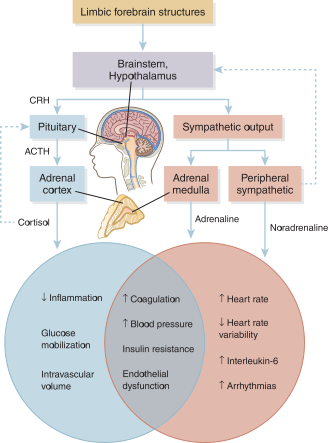
Physiological stress responseIf the body perceives a stressor to be a serious threat, it mounts a response initiated by the nervous and endocrine systems.
Chronic stress from previous childhood trauma as well as social determinants of health places a “physiologic stamp on the body”. Traumatic events in which an individual is physically or emotionally harmed or threatened are linked to long-lasting negative effects on mental, physical, social, and emotional health. Evidence has shown a connection between adverse childhood experiences (ACEs) and the prevalence of chronic diseases. For example, individuals who scored four or more on an ACE questionnaire were at significantly higher risk of developing a chronic illness in adulthood.

General Adaptation Syndrome
When an individual is disrupted by stress, the body works to maintain equilibrium by initiating the general adaptation syndrome (GAS). The GAS is a three-stage response involving alarm, resistance, and exhaustion. The GAS may be triggered by either physical or psychological stressors or events. When the GAS is activated, several body systems respond immediately to the stressor. These physiological changes occur whether the perceived stressor is considered positive (eustress) or negative (distress). A fundamental concept underlying GAS is that the body attempts to return to a steady state of internal, physical, and chemical balance (homeostasis) to maintain optimal functioning.
general adaptation syndrome (GAS)
Alarm Stage
Upon perceiving a stressor, the CNS becomes aroused and mobilizes the body’s defense mechanisms. Catecholamines released from the adrenal medulla place the body in a state of readiness known as the fight-or-flight response that prepares it to respond to the perceived threat or danger. Rising hormone levels increase blood pressure, heart rate, blood glucose levels, oxygen intake, and mental alertness and cause the pupils to dilate. If the stressor poses a severe threat to the individual or if its duration is prolonged, the individual progresses to the resistance stage.
Resistance Stage
In the resistance stage of GAS, the body resists and seeks to counter the stress. The parasympathetic nervous system begins moderating the acute fight-or-flight response, but full homeostasis is not restored while the stressor persists. During this stage, individuals may experience decreased concentration, irritability, or fatigue as the body works to cope with prolonged exposure to stress. If the stressor continues beyond the body’s capacity to adapt, the individual progresses into the exhaustion stage.
Exhaustion Stage
In the exhaustion phase of GAS, the body can no longer defend itself against the stressor. In this stage, when the body’s capacity to withstand or adapt to the stressor becomes depleted and the individual’s resources are exhausted, prolonged exposure to stress may result in illness or disease. Chronic exposure to elevated or fluctuating endocrine or neural responses causes excessive wear and tear on the body’s organs, resulting in allostatic load. This factor can, in turn, cause long-term physiological problems such as chronic hypertension, depression, and autoimmune disorders.
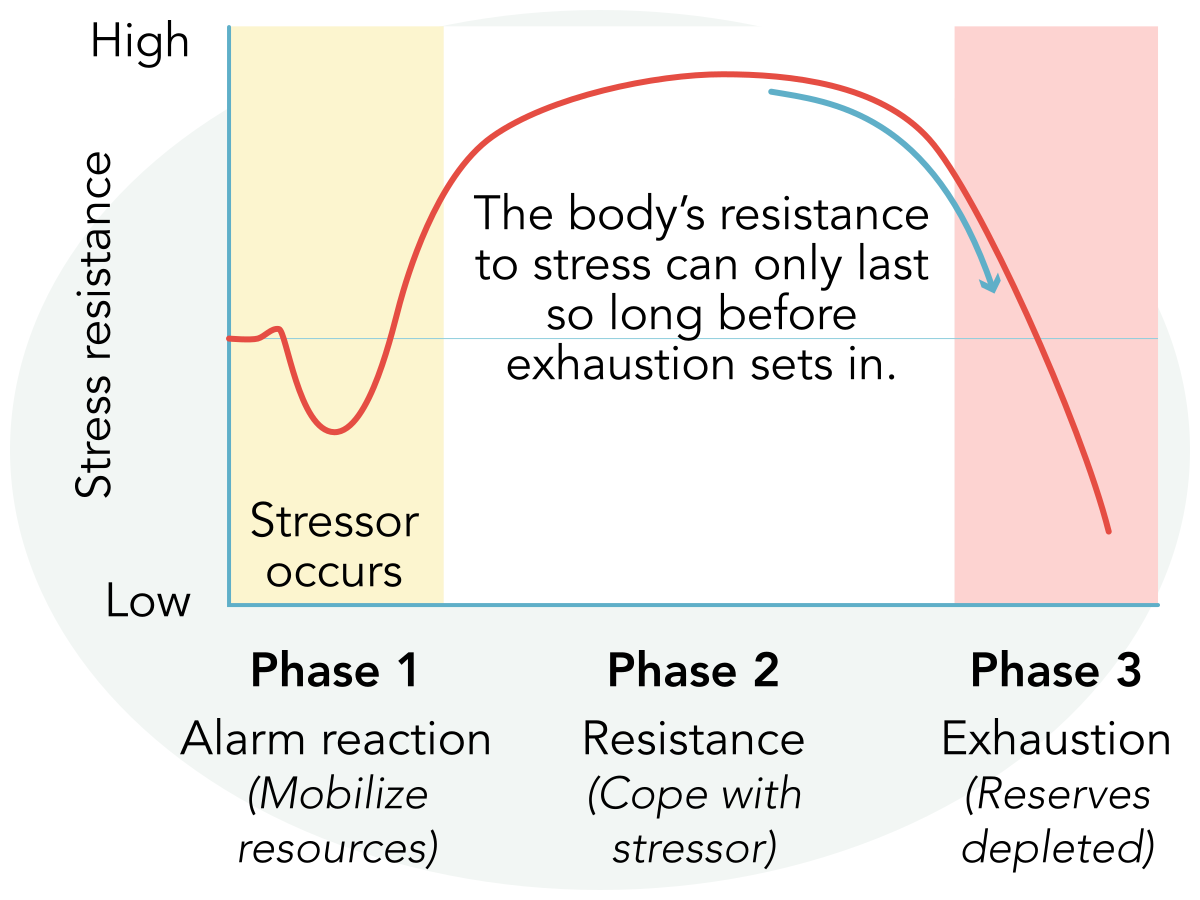
General Adaptation SyndromeGAS is the body's attempt to maintain equilibrium and homeostasis. Consists of three stages: alarm, resistance, and exhaustion.
Stress Theory
Transactional Theory of Stress and Coping
The Transactional Theory of Stress and Coping (TTSC) describes stress as a dynamic process and a transaction between a person and their environment. How an individual appraises a stressor determines how they will respond to it. Appraisal of the stressor is influenced by numerous personal and contextual factors, including cognitive, physiological, affective, psychological, and neurological skills, abilities, and resources. TTSC proposes that an individual experiences two stages of appraisal—primary and secondary—before responding to stress. During primary appraisal, an individual evaluates a situation to determine whether the stressor poses a threat. If the stressor is determined not to be a threat, then it is dismissed. Conversely, if it is determined to be a threat, the individual assesses whether they can cope with the situation by examining the balance of situational demands, such as risk, uncertainty, and difficulty with the available resources for addressing the threat, including social support, expertise, and past successes. The process of reappraisal repeats the primary and secondary appraisals. It is an ongoing endeavor that continually reassesses both the nature of the stressor and the resources available for responding to the stressor.
Transactional Theory of Stress and Coping (TTSC)
TTSC is considered a transactional model, because it suggests that appraisals impact responses, which in turn result in changes in the situation or the individual, and these changes then influence ongoing reappraisals. As a consequence of these reappraisals, an individual may be able to cope effectively with the stressor or, alternatively, the person may have to change or abandon the coping strategy.
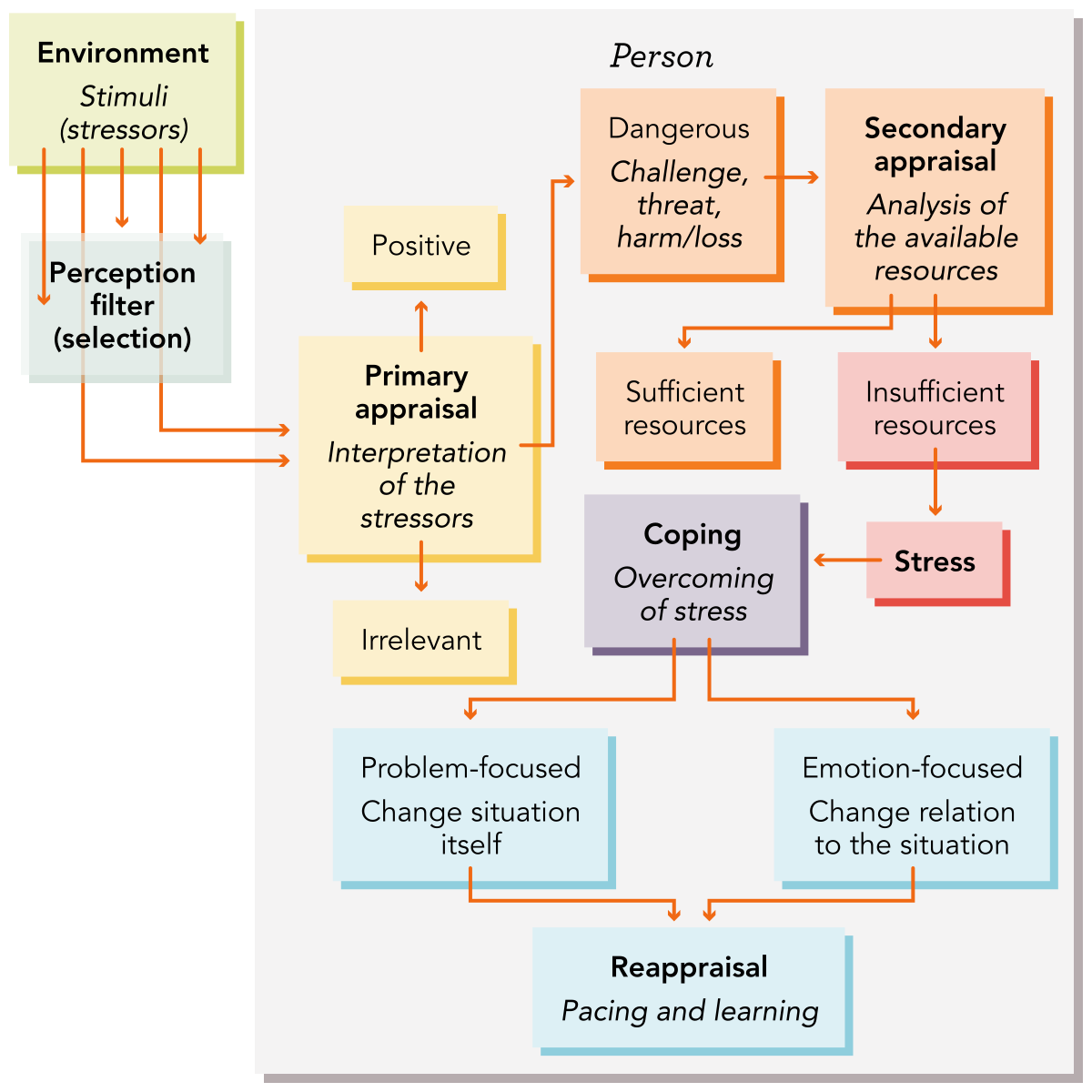
Transactional Theory of Stress and CopingThis theory describes stress as a dynamic process and a transaction between a person and their environment. How an individual appraises a stressor determines how they will respond to the stressor.
Types of Stress
When individuals experience a real or perceived threat or stressor, the body releases a series of biological chemicals. Stress is categorized into several categories, including acute stress, episodic acute stress, chronic stress, traumatic stress, environmental stress, psychological stress, and physiological stress. Each type of stress is characterized by different factors and physiological and emotional responses (Chu et al., 2024).
Acute Stress
Acute stress is the most common and frequently experienced type of stress. It is usually brief and can be either positive or negative. Acute stress causes an immediate reaction and biological response to a perceived stressor and triggers the fight-or-flight response. Examples of causes of acute stress include being involved in a motor vehicle accident, experiencing the loss of a loved one, or being a victim of a crime. Manifestations of acute stress include irritability, chest tightness, headache, gastrointestinal disturbance, sweaty palms, and shortness of breath. Most episodes of acute stress do not have lingering health effects. However, individuals exposed to severe or prolonged stress may experience adverse health outcomes or maladaptive psychological reactions.
Episodic Acute Stress
Episodic acute stress occurs when a person experiences frequent bouts of acute stress. This type of stress is often associated with individuals taking on more responsibility than they can reasonably handle and frequently feeling disorganized and rushed .
episodic acute stress
Chronic Stress
Chronic stress is a disabling condition. Chronic stress produces continuous activation of the nervous system and can cause or exacerbate many serious health problems, including anxiety, depression, and cardiovascular disease.
Traumatic Stress
Traumatic stress happens as a result of events such as natural disasters, accidents, or violence that can exceed an individual’s ability to cope. This type of stress can lead to posttraumatic stress disorder (PTSD).
Environmental Stress
Environmental stress comes from difficult surroundings, such as loud noise, pollution, crowded spaces, housing instability, food insecurity, or neighborhood violence. These factors can negatively affect both physical and mental health, often causing discomfort or uneasiness.
Psychological Stress
Psychological stressors are more common and generate a state of emotional unease. A psychological stressor is an event, situation, comment, condition, or interaction that an individual interprets as negative or threatening. Common psychological stressors include work or academic pressures, financial difficulties, a change in marital status, or being a victim of a natural catastrophe. Like chronic physiological stress, chronic psychological stress can be debilitating and incapacitating.
Physiological Stress
Physiological stress is generally associated with injury or illness, such as exposure to extreme temperatures, trauma, injury, illness, or pain. The body’s reaction to acute physiological stress is immediate and necessary for survival. Chronic physiological stress can result in debilitating conditions.
Factors Contributing to Stress
Individuals in all populations across the lifespan are susceptible to stress-related conditions; however, everyone reacts differently to stressful situations. What might be considered stressful for one person may not be stressful for another, and nearly any event can be a potential trigger for a stress response. Some common major life events that can trigger stress include work-related issues, financial pressures, bereavement, family problems, illness, fear of criminal victimization, excessive noise and overcrowding, and fear of the unknown.
Stress-Related Disorders
Stress-related disorders may occur as a result of prolonged and heightened levels of stress and anxiety. The onset and severity of these disorders are affected by the type, frequency, and intensity of the stressor, the person’s perception of the stressor, access to support systems, and the individual’s ability to effectively cope with the stressor. Some common stress-related disorders include acute stress disorder and PTSD.
Acute Stress Disorder
Acute stress disorder (ASD) results from an overwhelming event that causes an intense and dysfunctional reaction. If the symptoms of ASD last beyond a month, PTSD will be diagnosed. Individuals diagnosed with ASD have often been exposed to a frightening or traumatic event, such as the death of a loved one, a threat of serious injury to themselves or others, or exposure to war or other acts of violence. Clients with ASD may experience feelings of numbness, disconnectedness, depersonalization, and other dissociative symptoms. Other symptoms include disrupted sleep, irritability, difficulty concentrating, and becoming easily startled. Many clients mentally reexperience the traumatic event and avoid people, places, and things that remind them of the traumatic event.
Posttraumatic Stress Disorder
Some individuals experience prolonged and heightened stress following a traumatic event such as an accident, sexual abuse, or a naturally occurring disaster and are ultimately diagnosed with PTSD. PTSD, which is among the most common mental health disorders in the United States, is associated with a chronic course and debilitating symptoms. Although most individuals will experience some type of traumatic event during their lifetime, most of these trauma-exposed individuals will not develop PTSD. Manifestations of PTSD include recurring and intrusive memories or flashbacks of the trauma, nightmares, sweating, increased heart rate, and an exaggerated startle response to certain noises or experiences that remind the person of the trauma. Manifestations vary from individual to individual and may be delayed for days, months, or years. For some clients with PTSD, the symptoms persist over months and years and may become chronic and debilitating.
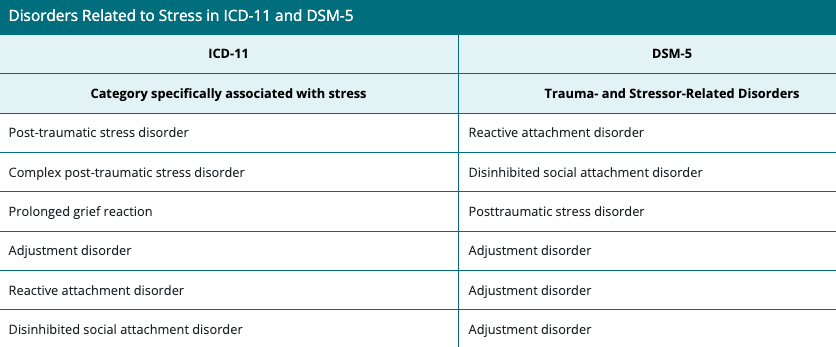
Factors Affecting Stress and Coping
Crises
A crisis is a threatening situation triggered by a precipitating event to which an individual experiences a strong behavioral, emotional, or psychiatric response. This kind of emotionally significant life event or major change in an individual’s life pushes the person well beyond their ability to effectively cope. Crises may include an unexpected or unanticipated event with insufficient time to prepare or respond, a highly threatening incident or disaster, or a radical change in one’s life with a corresponding lack of ability to respond effectively. Examples include traumatic injury, natural disasters, and loss of financial security.
Because of the intensity of the crisis, the individual may also be out of touch with reality and severely agitated; if left untreated, this condition may result in a medical or mental health emergency. During a crisis, the person may threaten suicide, display highly erratic or unusual behavior, misuse alcohol and other substances, and refuse intervention. Evidence that a person is experiencing a mental health emergency includes acting on a suicide threat, displaying hostile and belligerent behaviors, throwing or breaking items, or threatening harm.
Types of Crises
Crises are experienced by people of all ages, backgrounds, cultures, and environments. Sometimes a crisis may seem obvious, such as experiencing the death of a loved one or dealing with a natural disaster. At other times, a crisis may be less apparent, such as an internal struggle with personal identity. In either case, the crisis often creates a sense of imbalance and confusion, and a situation where usual coping skills may be inadequate.
Click the following cards to reveal different examples of crises.
Developmental Crises
Life transitions:
Puberty
Retirement
Menopause
Starting a family
Situational Crises
External events:
Loss of a loved one
Trauma
Natural disasters
Domestic violence
Physical illness
Employment loss
Existential Crises
Internal factors:
Personal meaning
Identity
Individual purpose
Psychiatric Emergencies
Acute mental health episodes:
Suicide attempt
Severe depression
Psychosis
Coping Strategies Video
Video Transcript
Stress is a response to a situation or challenge experienced physically, mentally, or emotionally.
Normally, the stressors we experience are managed through a homeostatic process that helps maintain health. The inability to adapt to stressors, or prolonged exposure to a stressor, places an individual at risk for chronic illness and disease, including hypertension, depression, and autoimmune disorders.
Using effective coping strategies helps the body manage stressful situations and achieve optimal health. There are several strategies that can be taught to clients to help manage stress and increase resistance to stress.
Health promotion and healthy coping strategies are important concepts for managing the stressors encountered in everyday life.
For example, maintaining a healthy diet and proper nutrition can help manage stress by boosting the immune system and lowering blood pressure.
Another effective way to reduce stress is through exercise and increased physical activity. Pilates, yoga, and Tai Chi are examples of exercises that can help reduce stress.
Time management is an important organizational skill that can help reduce daily stressors. Starting the day with a to-do list and prioritizing tasks from most important to least important can help lower stress levels.
Building personal resilience helps individuals bounce back from life's challenges. This can be accomplished through mindfulness activities such as deep breathing exercises, spending time outdoors in nature, and practicing mindful handwashing by focusing on the sensations experienced during the cleansing process.
Ensuring adequate rest and relaxation is essential for good health and stress reduction.
Complementary and alternative therapies, such as aromatherapy, massage, meditation, and journaling, can also provide meaningful outlets for managing stress.
Experiencing stress is a normal part of everyday life. Each of these activities can be taught to clients to promote a healthy lifestyle and reduce the stress associated with challenging situations.
As nurses, the goal is to recognize when clients are experiencing stressors and intervene by teaching effective coping strategies that promote psychological, physiological, and emotional being.
Crisis Intervention
During a crisis, the nurse establishes and maintains a therapeutic nurse–client relationship using effective communication skills and by providing a safe, calming environment. Clients in crisis often require frequent or constant observation and, in some cases, pharmacologic and medical intervention to achieve an optimal level of functioning and health. Crisis intervention is not process-oriented, but rather action and situation-focused. The goal is to help the client identify precipitating events leading up to the crisis; utilize skills, resources, and available support systems to effectively deal with the crisis; and formulate a plan of care for current and future critical events. One model for crisis intervention is known as Robert's Seven-Stage Model of Crisis Intervention.

Defense Mechanisms
An ego defense mechanism is a mental operation that occurs outside of conscious awareness and functions to protect an individual’s self-esteem, prevent excessive anxiety, and, in extreme cases, preserve the integration of the self. They are normal, developmentally expected strategies that may be adaptive or maladaptive depending on their rigidity, frequency, and context. Defense mechanisms are understood as subconscious internal strategies that individuals employ to protect themselves, tackle stress and discord, uphold their self-worth, and sustain a feeling of mastery. Instances of these psychological tactics encompass projection (blaming one’s own undesirable tendencies on others), denial, disavowal (ignoring or not admitting to distressing thoughts or emotions), rationalization (explaining away improper actions by making them seem logical or justifiable), using humor, deliberately ignoring certain thoughts (suppression), and unconsciously burying memories or feelings (repression). A normal and natural part of psychological development, these mechanisms are useful in protecting the human psyche from anxiety and fear. Nurses using a trauma-informed lens recognize that these mechanisms may reflect protective responses rather than resistance and should be approached with empathy and nonjudgment. In some cases, defense mechanisms can be misused or distorted, leading to cognitive distortions or thinking errors. Thinking errors are faulty patterns of thinking and unhealthy ways of coping that become self-defeating and often occur unconsciously. Cognitive-behavioral approaches identify these distortions and help clients develop healthier cognitive patterns and coping skills.
Stress in Nursing
Stress in the nursing profession is associated with caring for others. Even though stress in nursing is one of the most significant issues, it is often underrated. Stress arises in several aspects of a nurse’s work and personal life due to time constraints, work pace, long hours, and performance expectations. Stress can affect the nurses’ health and well-being and can potentially impact client outcomes.
Nurses and other health care workers need to be particularly alert to the potential for work-related stress in themselves, as this stressor may lead to burnout, compassion fatigue, and moral distress. Moral distress occurs when a nurse is placed in a difficult situation in which the actions taken differ from what the nurse believes is ethically correct. These situations complicate the nurse’s ability to balance their moral, emotional, and professional duties to their clients and to themselves. Both physical and psychological manifestations can occur when a nurse is experiencing moral distress. These may include feelings of frustration, reduced confidence, guilt, insomnia, overeating, ineffective communication, and may even result in nurses leaving the profession. Although moral distress can occur at any time during nursing care of clients, it is often heightened during a time of crisis, disaster, or tragedy. Participating in organizational ethics committees, attending formal debriefings, and seeking support from peers or leadership are proven ways to reduce moral distress. Nurses should also refer to the ANA Code of Ethics when facing ethically challenging situations. Nurses who suspect that moral distress is interfering with their ability to safely deliver care should seek professional assistance to identify the underlying issues and communicate with leadership to find a solution that supports nurses in delivering quality care to the client.
Dealing with Stressful Situations
The profession of nursing plays a critical role in health care. However, nurses face significant stress due to their multiple responsibilities. Clinical practice has become more demanding as medical advancements evolve, and today’s clients often present with higher acuity. Client care involves constant concentration, quick decision-making, multitasking, and time pressures within a dynamic, constantly shifting environment. Other possible sources of stress include working within diverse groups, ineffective leadership, and insufficient workplace support. Rising expectations from employers and clients further adds to these pressures.
Sources of stress in nursing
Related to Work Organization
Excessive responsibilities
Time pressure
Lack of breaks
Monotonous work
Working extra hours
Poor conditions
Limited opportunities for advancement
Psychosocial
Expectation to deliver consistent, optimal care
Receiving unaligned work instructions
Lack of support
Interpersonal conflicts
Aggression from clients and families
Lack of recognition
Related to Individual Characteristics
Responsibility for health & life
Exposure to suffering & death
Fear of job loss
Lack of motivation
Need to improve professional skills
Building Nurse Resilience
To help nurses combat stress, the American Nurses Association (ANA) designed a program, Healthy Nurse, Healthy Nation™ (HNHN), which is a social movement designed to enhance national health by strengthening the well-being of America’s nurses. This initiative welcomes all participants and strategically engages individual nurses as well as partner organizations across five key domains: quality of life, safety, physical activity, sleep, and nutrition. The program features a comprehensive web platform that encourages participation, fosters healthy competition, delivers valuable content and resources, collects data, and facilitates connections among nurses, employers, and organizations.
Current literature highlights a highly effective approach to stress management by practicing self-awareness by identifying early indicators of stress and implementing strategies to address them proactively. Recommended strategies include maintaining healthy routines, getting adequate rest, and incorporating physical activity into daily life to help offset fatigue and emotional exhaustion. Nurses also benefit from seeking support from peers and talking through stressful experiences rather than internalizing them. These actions help strengthen coping skills, reduce emotional overload, and build resilience.
Research also highlights the value of developing positive coping strategies that help nurses feel more in control at work. Approaches such as planning ahead, seeking emotional or practical support, and using task-focused coping can make challenging situations feel more manageable. Building confidence through educational advancement, skill development, and clinical experience can improve a nurse’s ability to handle stressful events and support overall well-being. Strengthening coping skills is especially important because nurses who feel more capable tend to use healthier coping methods and experience better psychological outcomes).
Another key recommendation is for nurses and nursing leadership to take action to improve the work environment. Stress in nursing is strongly affected by factors such as heavy workloads, emotionally intense client interactions, and communication challenges. Strategies shown to help include taking regular breaks, playing music, using humor, providing education on fostering a positive mindset, and encouraging open communication among team members. These small but meaningful practices can reduce emotional strain and promote a safer and more supportive workplace culture.
Finally, studies consistently emphasize that improving organizational support is essential for reducing stress and protecting client safety. Supportive leadership, adequate staffing, and education on building resilience all play important roles in helping nurses thrive. When workplaces take steps to reduce stressors and promote well-being, nurses are better able to provide safe, high-quality care. Investing in nurse well-being ultimately benefits both clients and health care systems by lowering error rates, improving satisfaction, and strengthening the overall safety culture.
Role of the Nurse: Clients Experiencing Stress
Leininger’s Transcultural Nursing Theory
Leininger’s (1988) Transcultural Nursing Theory, also known as Culture Care Theory, involves knowing, understanding, and appreciating different cultures, beliefs, and values that influence nursing care. Leininger’s theory advocates for meaningful and effective nursing care in accordance with an individual’s cultural values, beliefs, and patterns of behavior. Individuals may experience cultural stressors when they live within a society in which they do not culturally fit or when they receive care that ignores their cultural beliefs. Cultural factors include beliefs and values that influence how an individual perceives and responds to stress, since all individuals appraise stressors within the context of their culture. Thus, a stressor that is perceived as highly stressful in one culture may be viewed as a minor stressor within another culture. Coping strategies also vary from culture to culture.
Trauma-Informed Care
Trauma-informed care is an approach that recognizes how past stress or trauma can shape a person’s physical, emotional, and behavioral responses in health care settings. Nurses who practice trauma-informed care understand that trauma is widespread and can influence how clients perceive safety, trust, and communication. Nurses should be aware that chronic stress causes both emotional and physical wear and tear on the body. These influences may lead clients to be more reactive or overwhelmed in clinical situations. Using this awareness, nurses can better appreciate why clients might respond in unexpected ways. Nurses who practice trauma-informed care are able to avoid practices that could unintentionally retraumatize clients.
Precision Nursing
Precision nursing (PN) is an approach that shifts the focus of how nurses deliver care. PN aims to improve health outcomes by personalizing care through an understanding of how genetics, the environment, and the client’s body interact. PN uses advanced technologies such as artificial intelligence data to analyze a client’s genomics, clinical records, and social determinants of health to guide personalized and preventive care to support improved health outcomes and reduce inequities. This approach aims to move away from a one-size-fits-all model of care by helping nurses choose interventions that fit the individual and reduce health differences across populations.
Assessing Client Stress
The role of the nurse includes conducting a comprehensive assessment of the client’s condition. Several evidence-based assessment tools exist that are designed to evaluate the physiological, psychological, emotional, and behavioral signs and symptoms of stress. For example, the Perceived Stress Scale (PSS) developed by Cohen and colleagues in 1983 is a cornerstone assessment tool that nurses can use to assess a client’s stress level. The PSS is a widely used self-report tool that measures how unpredictable, uncontrollable, and overwhelming individuals perceive their lives to be. Unlike instruments focused on environmental stressors, the PSS assesses whether respondents feel their circumstances exceed their coping abilities, using questions about thoughts and feelings over the past month.
Before conducting an assessment, the nurse must first establish rapport and build a trusting nurse–client relationship to provide a safe, confidential environment conducive to sharing personal and sensitive information. Nurses use several therapeutic communication techniques to build trusting relationships, including active listening, asking open-ended questions, seeking clarification, and offering observations. Nurses in all areas of nursing practice need to recognize the physiological and psychological signs and symptoms of stress in their clients, implement and evaluate effective interventions, and provide ongoing client education on this topic. Signs and symptoms of stress and associated health alterations can manifest in a variety of ways and with varying levels of severity.
Steps of the Nursing Process
The nursing process provides a five-step, systematic approach to assess a client’s condition and implement a client-centered, individualized, holistic plan of care. The five sequential steps in this process are assessment, diagnosis, planning, implementation, and evaluation.
Assessment
The nursing process begins with a detailed assessment of the client’s condition. Objective and subjective client information is obtained through interviews, observation, and examination. Ideally, client interviews will take place in a private, quiet, uninterrupted setting that is free from distractions.
During the initial assessment, the nurse conducts a mental status exam and gathers relevant client information such as presenting symptoms, personal and family health history, substance use or abuse history, previous hospitalizations and mental health treatment, coping strategies, and health beliefs and practices. Examples of objective client information include vital signs, appearance, behavior, and physical exam findings (ANA, n.d.-b). Vital signs often vary depending on the level of anxiety the client is experiencing. A client with mild anxiety may exhibit minimal or no physiological manifestations of anxiety, whereas a client with moderate anxiety may appear animated and have slightly elevated vital signs. Signs of anxiety include shakiness, increased heart rate, chest tightness, increased respiratory rate, and racing thoughts. Other signs include excessive worrying, restlessness, increased fatigue, difficulty concentrating, increased irritability, muscle tension, and sleep disturbances. Examples of subjective client information include somatic complaints, current relationship and work situations, and the client’s perceptions of current stressors and problems. The nurse may also consult family members and other individuals knowledgeable about the client (with the client’s permission), as well as health records and assessments conducted by other members of the mental health care team, to fully understand the client’s unique situation.
Analysis
After conducting a comprehensive assessment, the nurse analyzes the client-related information to develop a statement of the client’s problem or health alteration. This may be referred to as the nursing diagnosis. To analyze actual or potential client concerns or health alterations, nurses use their clinical judgment skills. Analysis may include a description of the problem (loss of appetite) as well as an assessment of the client’s risk of developing additional health conditions. Nurses use the information obtained from this analysis to determine the client’s plan of care.
Planning
Based on the assessment information, the nurse collaborates with the client, family, and members of the health care team to establish measurable short- and long-term goals (outcomes), which are then used to formulate the plan of care. The plan of care should take into account the client’s level of knowledge, available support systems, access to care, personal beliefs and health habits, and cultural and spiritual preferences. It includes the identified client problems that require priority and immediate attention, treatment goals, nursing actions needed to achieve those goals, and methods for evaluating goal achievement.
Examples of goals requiring immediate attention include the client staying with a friend or family member to reduce suicide potential, the client identifying at least two individuals who can be called if the client begins to have suicidal feelings, and the client identifying at least one goal for the future. Examples of long-term goals include the client implementing effective coping strategies to deal with stress and anxiety, the client identifying personal strengths, and the client using available resources and support systems. Approaches to assist clients in managing stress involve recognizing and altering harmful thought processes through techniques of mindfulness and cognitive modification. It's crucial for clients to acknowledge the value of social connections and to address issues in their interactions with others. Emphasize the practice of conscious eating and disrupting patterns of eating driven by emotions, instead of obsessing over calorie counts or specific nutritional intake. Highlight the significance of maintaining healthy sleep routines and enhancing levels of physical exercise for overall well-being.
Implementation
The next step in the nursing process focuses on implementing the nursing actions and interventions outlined in the plan of care and accurately documenting the client’s progress and response to treatment to ensure continuity of client care. Client outcomes or goals are achieved by accomplishing the nursing interventions detailed in the plan of care, which are designed to prevent, promote, maintain, and restore mental and physical client health. During the implementation phase, nurses may implement, coordinate, and delegate aspects of the plan of care.
Evaluation
Evaluation is an ongoing, iterative, and thorough assessment of the client’s health status and plan of care. This step is critical to determine whether the plan of care has been effective in improving the client’s condition and health status. The client’s status and the effectiveness of the plan of care need to be continuously evaluated and the plan of care modified as needed. When evaluating the plan of care, the nurse reviews all steps of the nursing process and assesses and reassesses the plan to determine whether the desired outcomes have been achieved.
Case Study
Scenario Introduction
The following scenario provides information about a client who is experiencing financial challenges that have led to heightened levels of stress and has decided to visit the community mental health center. The nurse collects the following data.
Scene 1
Jordan is a 28-year-old single parent of two young children, ages 18 months and 3 years. He is employed as a server at a restaurant and works long hours. Jordan’s income is limited, and his landlord has threatened him with eviction because of his inability to pay the rent. Jordan’s neighbor watches his children while he works—but if he’s evicted, he will no longer have access to affordable child care. Jordan reports feeling stressed out, exhausted from working long hours and raising two young children with minimal support on a limited income. He reports a weight loss of about 10 pounds in the last few months, and you notice he is rapidly tapping his foot on the floor as you are talking with him. Jordan has dark circles under the eyes and reports difficulty sleeping, frequent headaches, and trouble staying focused. His vital signs are BP: 132/74 mm Hg; pulse: 102/min; respirations: 22/min; and SpO2: 97% on room air. He is AOX3 and denies taking medications but is allergic to sulfa.
Heading text
After reviewing the information, respond to the following questions to plan care for this client using the SOAP format.
What are the pieces of subjective information that the nurse collected from Jordan?
Single parent of two young children
Works long hours
Limited income
Unstable child care
Facing possible eviction
Feels stressed and exhausted
Weight loss of 10 pounds over past few months
Difficulty sleeping
Frequent headaches
Trouble staying focused
Taking no medications
Allergic to sulfa
What are the pieces of objective information that the nurse collected from Jordan?
AO x3
BP 132/74 mm Hg
Pulse 102/min
Respirations 22/min
SpO2 97% on room air
Dark circles under eyes
Restlessness (evidenced by tapping foot on floor)
After analysis of Jordan’s combined subjective and objective assessment data, what interpretation should the nurse make?
Jordan is likely experiencing anxiety caused by life stressors (financial instability, family issues, long work hours).
What are the interventions that the nurse should implement while caring for Jordan?
Determine if the client has thoughts of self-harm.
Determining if Jordan has thoughts of self-harming behaviors is a priority to ensure his safety.
Use active listening to demonstrate a willingness to help.
Actively listening to Jordan will help establish a therapeutic relationship.
Use therapeutic communication techniques (e.g., open‑ended questions, giving broad openings, exploring, and seeking clarification).
Using therapeutic communication will encourage Jordan to express his feelings, develop trust, and identify the source of his anxiety.
Provide a calm presence, recognizing the client’s distress.
Being calm and consistent during interactions will assist Jordan to develop a sense of security and begin to problem-solve.
Acknowledge and validate the client’s feelings and situation.
Validating Jordan’s feelings and his situation will help establish a therapeutic relationship.
Encourage client participation in decision making regarding care and selection of coping strategies.
Encouraging Jordan to participate in his own care and to select the coping strategies that work best for him will give him a sense of control over his situation, which will help to improve his feelings of self-worth.
Assist the client to determine triggers for anxiety.
Identifying triggers will encourage Jordan to implement coping strategies that will disrupt his increasing anxiety earlier in case of future occurrences.
Evaluate past coping mechanisms.
Evaluating the coping strategies that Jordan has used in the past will assist him to identify effective and ineffective coping mechanisms.
Suggest the client keep a journal of stressors and responses to anxiety.
Journaling stressors and responses will assist Jordan to disrupt increasing anxiety and identify which coping strategies work best for him.
Collaborate with the client to develop effective coping skills such as progressive relaxation, deep breathing, and positive self-affirmations.
Developing effective coping skills will assist Jordan to manage his stress and anxiety in a healthy manner.
Encourage participation in activities, such as exercise, that can temporarily relieve feelings of inner tension.
Participating in physical activities will provide Jordan an outlet for pent-up tension, promote endorphin release, and improve his mental well-being.
Assist the client with accessing community resources to alleviate stressors.
Connecting Jordan to community resources such as affordable or income-based housing and reliable child care, will assist him with managing situational stressors and promote problem solving in the future.
Coping
Coping refers to the conscious and intentional thoughts and actions employed to handle stressful situations, both internally and externally. This concept is specifically about deliberate efforts to manage stress, unlike defense mechanisms, which are automatic or instinctive reactions that also serve to lessen or endure stress. When faced with stress, the methods an individual uses to cope are known as coping styles. These styles represent enduring characteristics that shape how a person responds to stress and tend to remain consistent over time and across contexts. Coping is typically categorized into two types: reactive coping, which is the response that occurs after encountering a stressor, and proactive coping, which involves actions taken to prevent or mitigate future stress. People who are proactive tend to thrive in stable settings because they favor routine, exhibit inflexibility, and show less immediate response to stress. On the other hand, reactive individuals may perform better in environments that are more dynamic and changeable. Stressors and coping mechanisms vary across the lifespan and depend on an individual’s appraisal of the stressor, the amount and type of social support available to manage it, the importance placed on it, its severity, and the ability to cope effectively and in a healthy manner. A positive outcome is not necessarily associated with adequately managed stress.
Earlier in this lesson, the discussion of the TTSC suggested reasons why individuals might adopt either problem-focused or emotion-focused coping styles. A problem-focused approach involves dealing with the situation itself by trying to change it into something more palatable. In contrast, an emotion-focused approach requires altering our association with the situation to reduce the stress it may cause. This can include either avoiding the situation or reframing its meaning. While this approach does not change the nature of the situation, it does change how it affects the individual.
Coping strategies are classified as adaptive if they help an individual manage stress in the short and long term, such as changing an unhealthy habit. Maladaptive coping behaviors reduce stress in the short term but often exacerbate the problem in the longer term, such as misusing drugs to cope.
Health Promotion and Healthy Coping Strategies
Health promotion is the art and science of helping individuals change their lifestyle to achieve optimal health. Health promotion focuses on interventions that support a healthy lifestyle. By practicing health promotion, people can be proactive and take control of their personal health, rather than responding to illness and disease. Nurses educate clients and families about the benefits of health-promoting behaviors and activities. Health promotion activities include interventions that mitigate or reduce stress-producing situations and increase resistance to stress. Several strategies and techniques are available to help individuals cope effectively with the stressors that life brings.
Healthy Diet and Nutrition
A healthy diet can help offset the impact of stress by strengthening the immune system, lowering blood pressure, and supporting overall good health. Current evidence shows that nutrient-dense foods support immune regulation and reduce stress-related inflammation. Eating complex carbohydrates can help stabilize blood sugar levels, which supports mood and reduces stress levels. Good choices for complex carbohydrates include whole grains, oatmeal, lentils, and beans. Oranges are a good source of vitamin C, which can help lower stress hormone levels while strengthening the immune system. Consuming omega-3 fatty acids, which are found in fish, seafood, nuts, seeds, and plant oils, has been shown to help improve mood by lowering inflammation in the brain, supporting healthy brain cell communication, and helping the brain adapt better to stress. Drinking black tea may help individuals recover from stressful events more quickly by lowering poststress cortisol levels and promoting relaxation. Seeds and nuts are sources of healthy fats that help lower cholesterol levels, reduce inflammation, and protect against the effects of stress. Finally, clients who consume alcohol may initially feel calm. However, evidence shows that alcohol activates the brain’s stress response, increasing cortisol and other stress hormones, ultimately worsening stress levels and increasing negative emotions.
Exercise
One of the best stress-reducing strategies is to exercise and increase physical activity. Cardio (cardiovascular) exercise boosts oxygen circulation and spurs the body to produce feel-good chemicals called endorphins. Exercise programs such as Pilates, yoga, and tai chi are also effective in reducing stress. Exercise increases overall health and sense of well-being while reducing stress. Regular movement and physical activity can increase energy, improve mood and self-confidence, and promote relaxation. Exercise can also improve sleep, which is often disrupted by stress, depression, and anxiety.
Time Management
Managing time well and staying organized can be a stress-reducing strategy. Time management techniques help reduce stress by identifying which tasks require immediate attention and which can wait. Starting each day with a to-do list and prioritizing tasks from high to low can help lower stress levels. Some lower-priority tasks may be rescheduled, delegated to someone else, or eliminated altogether. Managing multitasking and resisting the urge to respond immediately to every text, email, or request helps alleviate stress.
Building Personal Resilience
Resilience is the ability to bounce back from life’s various challenges and to adapt well in the face of adversity, trauma, and stress. It can be fostered through mindfulness practices. Mindfulness is the practice of paying attention and being fully present and alert to your surroundings. It means focusing attention in a purposeful way on the present moment, becoming aware of what is happening in the here and now, and being cognizant of your internal and external worlds without judgment.

Rest and Relaxation
Establishing a regular routine for getting adequate rest and sleep is essential to ensuring overall good health and reducing stress. Adequate sleep is necessary for the body to repair and restore itself and to release melatonin, an essential hormone for regulating sleep–wake cycles. Sleep quality can be enhanced by going to bed and rising at the same time each day; avoiding nicotine, caffeine, and alcohol before bedtime; unplugging from media devices; and keeping a comfortable, cool, and dark sleeping space.
Guided imagery is a helpful technique to alleviate stress by using a combination of relaxation, visualization, and imagination. After assuming a relaxed and comfortable position, the individual focuses on a pleasurable image, experience, or event while practicing progressive relaxation. Progressive relaxation includes tensing and releasing each muscle group in the body, beginning with the head and moving to the toes.

Complementary and Alternative Therapies
Complementary and alternative therapies refer to treatments such as aromatherapy, herbal medicine, acupuncture, massage, biofeedback, and meditation. An increasing number of clients are using complementary and integrative health products and therapies. In turn, nurses need to have a working knowledge of these therapies since they offer clients new avenues that may improve their overall health.
Journaling
Keeping a personal journal of thoughts, feelings, and emotions can provide a meaningful and productive outlet for stress. Expressing gratitude is another way to reduce anxiety. When feeling stressed, anxious, or overwhelmed, an individual can reflect upon a person, experience, event, or thing for which they are grateful and record their reflections in a journal. Conveying gratitude may be one of the most effective strategies for achieving and maintaining a contented life.