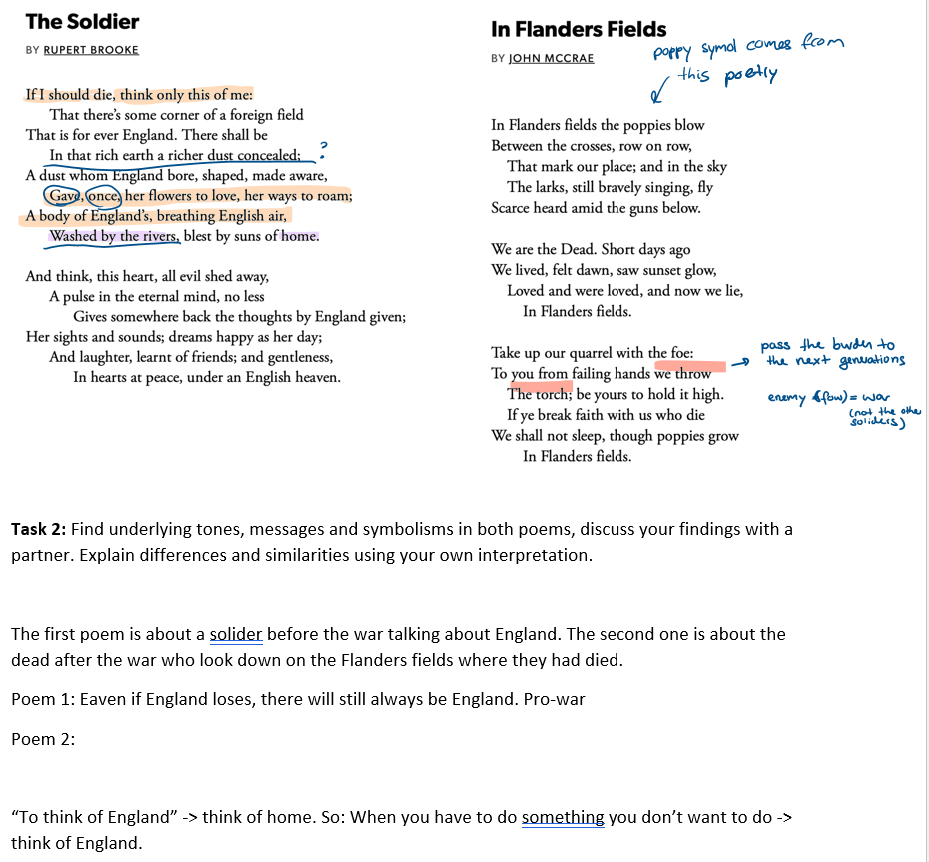
WWI
Important dates before 1933:
1873 (the first one): The Dreikaiser-Abkommen → German Reich, Austria-Hungary, Russia (not renewed later)
1878: Berlin Congress → Bismarck attempts to solve the Balkan crises
1879: Zweibund Dual Alliance → Germany, Austria-Hungary and got expanded in 1882 with Italy to the Triple Alliance.
Secret reinsurance agreement that Russia is neutral if France attacks Germa
1888: Wilhelm II. becomes emperor
1890: Bismarck looses saying. Secret agreement not renewed later
1904: Understanding between England and France → Entente Cordiale and expanded to war alliance in 1912
“1908/09 Bosnian Annexation Crisis: Austria-Hungary annexes Bosnia and Herzegovina against the resistance of Serbia and Russia.”
1912 1st Balkan War: Balkan states (Bulgaria, Serbia and Greece) defeat Turkey with Russian support; this effectively dissolves the European part of Turkey. British/French understanding: Pledge of British aid to France in the event of war with Germany.
1913 2nd Balkan War: War of the Victors among themselves; Serbia emerges as the winner.
1914 28 June Assassination of the Austrian heir to the throne by Serbian nationalists
5 July German support for Austro-Hungarian action against Serbia
page 3-6
Only smaller wars in Europe. They expected a more rational, humane, democratic world that would bring political democracy and grater social justice. They expected progress of science and technology would make people richer (everyone) and all that would happen peacefully. Europe would become a utopia. An earthly paradise.
After 1918 hope was lost.European civilization had become a nightmare. Europe went from 1914-1949 “To Hell and Back”. People became a sense of hopelessness and despair and lost a lot of people → greawing.
Don’t understand the a.) Long-Range Causes!!!!!!!!!!!!!!!!! (p.3)
June 28,1914: Heir of the Austrian throne, Archduke Francis Ferdinand, was assassinated in Sarajevo, Bosnia. Tension between Austria and Serbia got bigger, but inevitable.
Nationalism: In stead of cooperation between states, competition started after the 1850s over colonial, industrial and commercial matters. At the end: allies were more important that anything else so countries started taking foolish risks to support those allies. Every states goal was more authority, success and centered on self-interest.
Internal Dissent: Not all ethnic groups in every nation had achieved the goal of nationhood. (Ireland in British Empire ex.) That led to strikes and violence.
Militarism: Larger armies were made after 1900 which heightened the tensions in Europe + the influence of military leaders grew.
Immediate Causes: The Outbreak of War:
Militarism, nationalism + desire to stifle internal dissent but the decisions mad by European leaders in the summer of 1914 directly precipitated the conflict.
Another Crisis in the Balkans: States had struggled to free themselves from Ottoman rule. Rivalry between Austria-Hungary and Russia for domination over those new states created tension there.
Serbia wanted to create (with the support of Russia) one independent Slavic state. Austria who had control over some of those countries wanted to prevent that to happen.
A Serbian terrorist organization killed the heir of Austria to the throne on June 28, 1914.
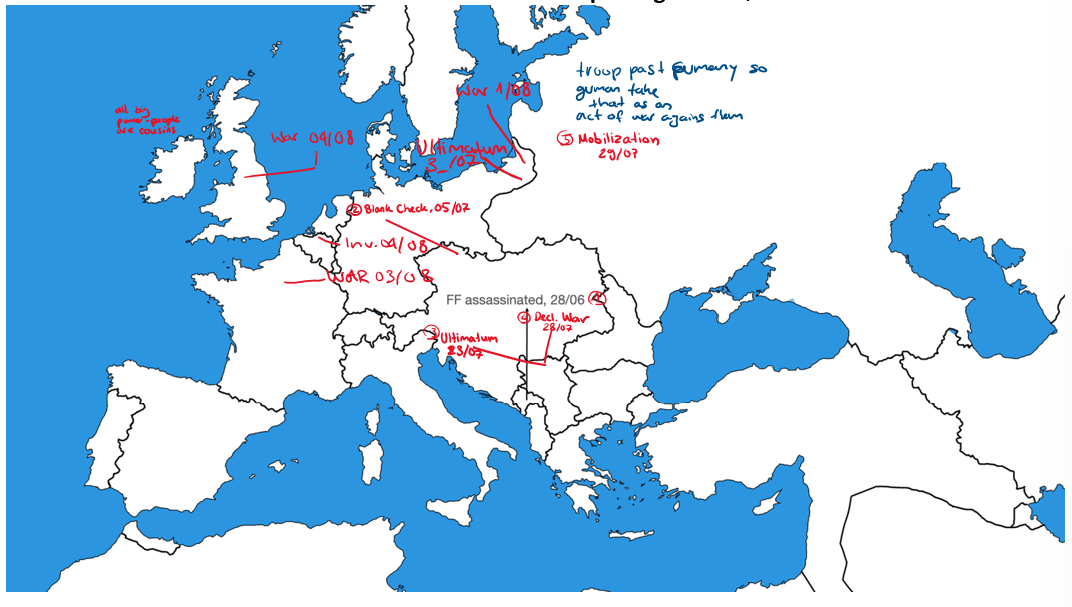
Austria didn’t know if the government had been involved so used it as an argument to take down Serbia. Scared of Russia, they Germany ,who was an ally, for support which gave Austria the “blank check”on the July 5 (give them full support and anything they need (which disturbed the alliance between Russia and Germany?)
On July 23, the day the French president left Russia, an ultimatum was sent to Serbia that threatened war and declared war on Serbia on July 28.
Declarations of War:
Because of other humiliation, Russia was determined to support Serbia and mobilized the Russian army against Austria and passively against Germany on July 29. Germany sent an ultimatum to Russia telling them to halt their mobilization in the twelve coming hours. Russia ignored it and Germany declared war on Russia on August 1.
After that Germany’s plans were determined whether France would join the war. In that case, they would have a two-front war (France and Russia). They wanted to first win against France, with a smaller troop fighting against Russia and then put all forces there after. They also sent an ultimatum to Belgium on August 2 demanding that the German could pass Belgium.
Great Britain declared war on Germany on August 4. Officially over this violation of Belgian neutrality but in fact over the British desire to maintain world power. At this date all the great powers of Europe were at war.
Excitement vs. Reality
The declaration gave the people a nationalistic feeling and that it had given them a higher purpose, a new dedication to the greatness of their nations.
There were parades, banners, cheering, music, flags and “Plakate”. It gave the people the feeling of belonging together. A feeling of fraternity. Know one really knew what war was or hadn’t given it a lot of thought. The powers made it look so romantic and heroic. An adventure that would be the most wonderful and exciting experience of their lives turned to a ruthless slaughter field.
Terms
Writing the Great War
Emperor William II at the end had the power over war and peace.
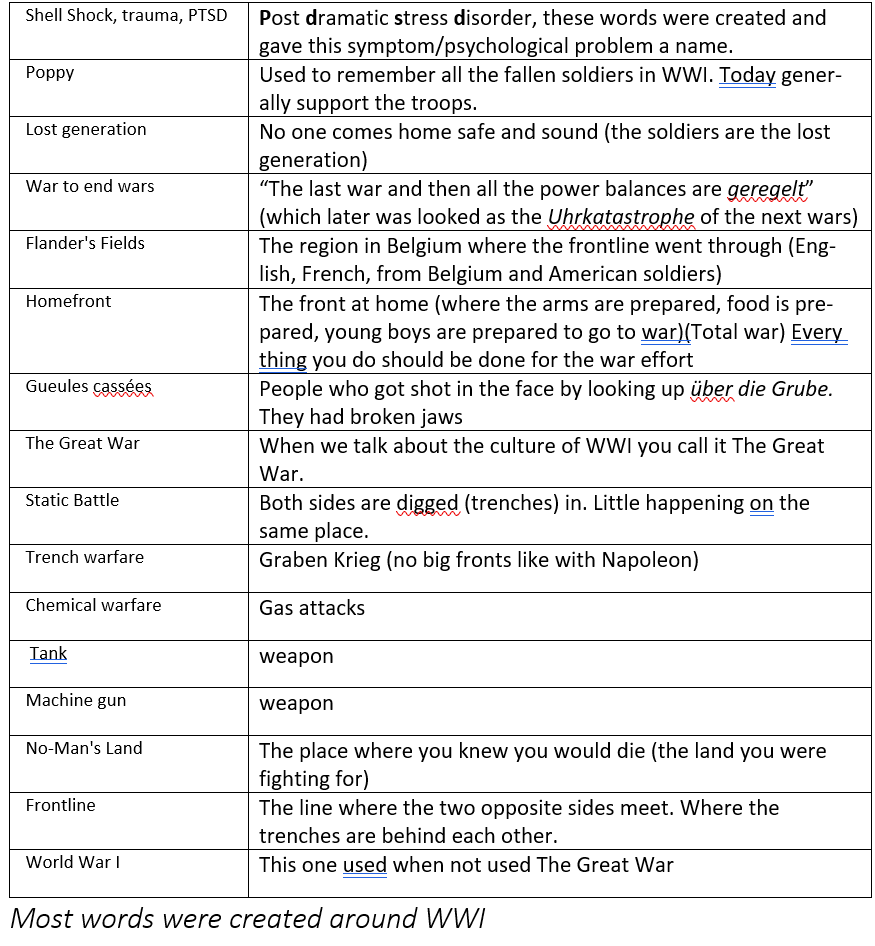
(Flanders Fields and western front in France and Belgium where France and Germany fought against each other. The no mans land).