Stems
plant stems evolved before leves and roots
stems form architectural basis for shoots
all other plant organs attach to stems
stems enable upqard and outward growth
apical meristems generate new tissues at stem and branch tips
apical growth (up) = better access to sun
Stem Anatomy
External
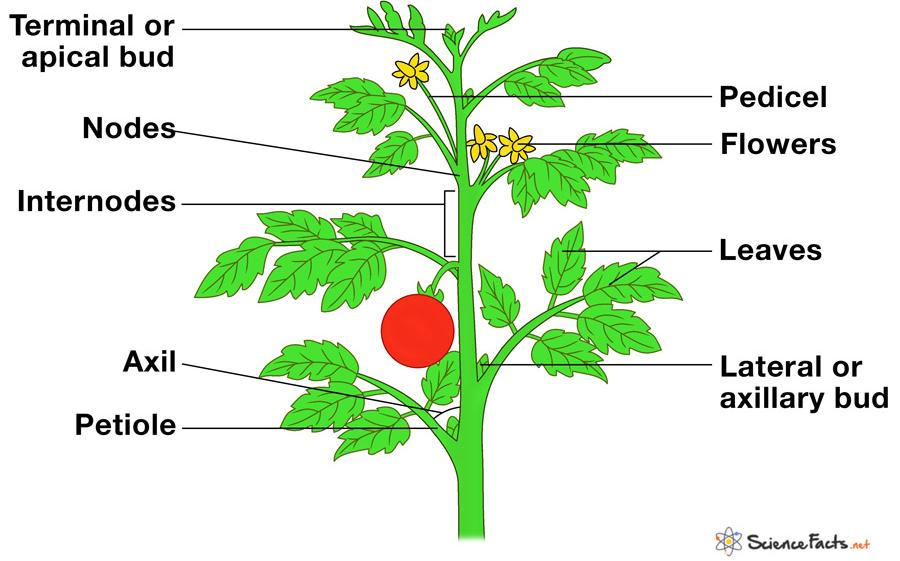
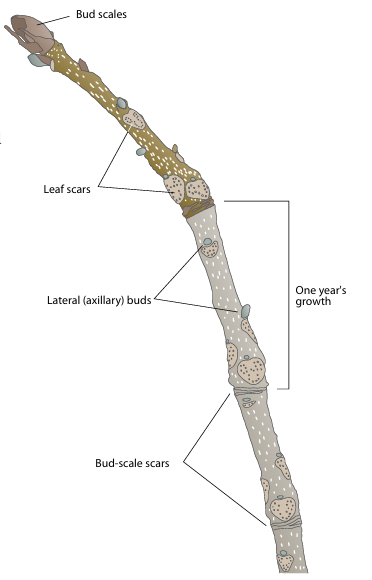
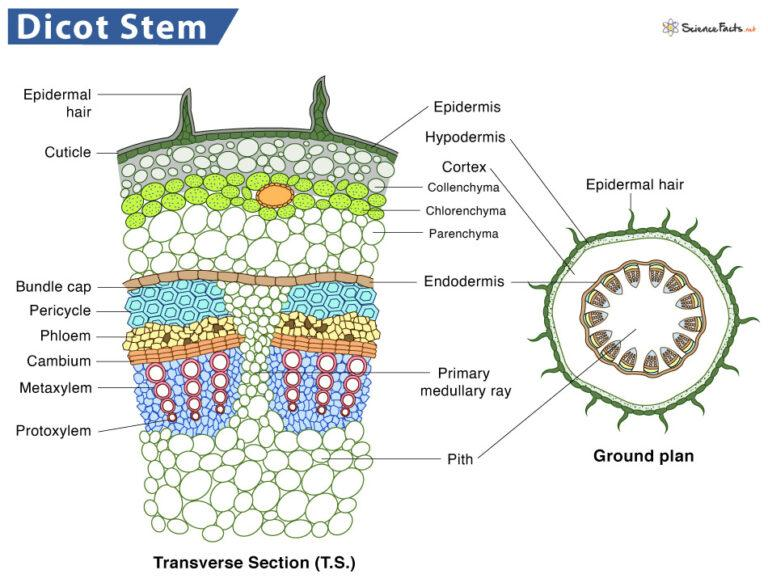
Vascular Tissues
role of vascular tissues:
allow for internal movement of materials
provide mechanical support
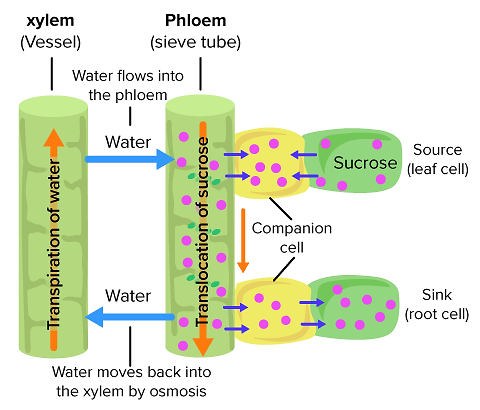
xlyem pulls from roots up to the leaves
transpiration stream
phloem distributes sugar in solution from the source cells (in the leaves) to the sink cells (in the roots)
translocation stream
Xylem
lignin is a complex phenolic compound
composition of monomers varies by species
adds strength and rigidity to cell walls
second most abundant organic material on earth
first = cellulose
removed in the manufactoring of paper
used as a binder for particlebpard and other composite wood products and as an adhesive for linoleum
used as a soil conditioner ans filler for phenolic resins
also used to make vanillin, a synthetic vanilla
primary water-conducting cells:
tracheids are elongated, tube-like cells with lignifed walls, tapered ends, and pits that allow water to move laterally between adjacent cells
vessel elements (a.k.a “tracheae”) are shorter, wider, and arranged in continuous tubes that facilitate more efficient water conduction
feature perforated end walls that allow for smoother water flow (reduced resistance)
xylem fibers are long, thick-walled cells that provide structural support for withstanding external forces (e.g. wind or gravity)
xylem parenchyma stores startches, fats, and other nutrients, aids in lateral conduction of water, and helps repair damaged tissues
two stages:
protoxylem forms first
narrow elements wih annular/spiral thickenings of lignin
stretch and elongate as the organ grows
metaxylem forms later
contains wider vessesls/tracheids with reticulate or pitted thickenings
found in mature regions where elongation has ceased
endarch xylem is typical of stems
protoxylem lies towards the center (pith) and metaxylem towards periphery
growth occurs outward from the center
opposite in roots, where growth occurs inward
exarch xylem
how does water move through the xylem?
absorption in the roots creates a postitive pressure that pulls water upqard through the xylem
adhesion and cohesion of water molecules within narrow vessels and tracheids allows water to rise
evaporation of water from leaves (transpiration) pulls water upward through xylem as it creates a negative pressure
this is the most significant driving force for maintaining a continuous flow from roots to leaves
Phloem
what makes up the phloem?
sieve tube elements are elongated, tube-like cells arranged end-to-end to form continuous channels
perforated end walls (sieve plates) facilitated food transfer between adjacent sieve tube elements
lose nuclei as they mature (reduces cellular interference)
companion cells provide metabolic support for te sieve tube elements (lots of mitochondria)
connect to sieve tube elements via plasmodesmata
phloem fibers (a.k.a bast fibers) are dead components that are elongated, thick-walled cells providig mechanical strength to help withstad external forces
forms many commericall products
e.g. jute, flax, and hemp
phloem parenchyma functions in storage of starches, lipids, and proteins and in lateral movement of organic solutes
contributes to healing/tissue regeneration in some plants
absent in most monocots
protophloem forms first
narrow elements wih thin walls found in active growth regions
often get crushed as an organ matures
metaphloem forms later (after elongation stops)
contains wider sieve tubes and companion cells
remains functional in actively growing organs
movement is bidirectional
nutrients move form leaves to roots, flowers, or fruits during growing seasons
nturients can be transported back from roots during dormant seasons
transport of solutes requires ATP
pressure flow hypothesis
step 1: sucrose is loaded into sieve tube elements, which increases solute concentration causing waterr to enter the phloem from nearby xylem vessels
step 2: pressure gradient is created, forcing sugar solution to move through sieve tubes
step 3: sucrose is unloaded into sinks (e.g. roots, fruits, etc.) throguh active transport; solute concentration in sieve tubes is now lower, causing water to exit phloem back into xylem
step 4: water is recirculated as the water pressure at the sinks drop and water re-enters xylem
symplastic/symplasmic loading
sucrose loaded from the cekks that produce them directly into sieve elements or indirectly via companion cells via plasmodesmata
no crossing of cell membranes or cell walls
no ATP needed
common in woody plants
apoplastic/apoplasmic loading
sucrose secreted by parenchyma cells (SWEETs) loaded from intercellular spaces into phloem
SWEETs - Sugars Will Eventually be Exported Transporters
ATP used for active transport into companion cells
needed for high sucrose concentrations
how does sucrose get into phloem?
polymer trapping
smaller sugars move symplastically into companion cells and are converted into larger oligosaccharides and get trapped after going through the plasmodesmata
specialized type of symplastic loading
Vascular Bundles
functional units of transport in plants
highly variable morphology
classified based on presence/absence of cambium
cambium is a meristematic tissue that allows for secondary growth → increases girth
open vascular bundles contain cambium between the xylem and phloem
typical in diotyledonous stems
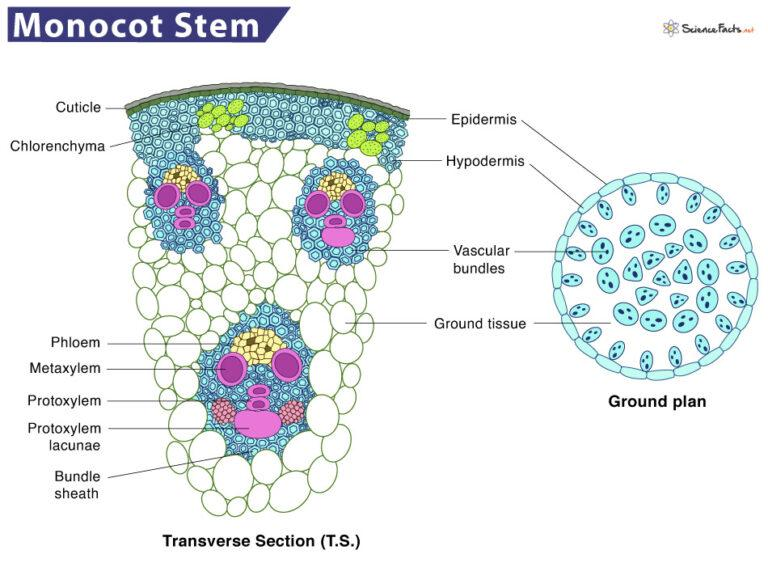
closed vascular bundles lack cambium, meaning they cannot undergo secondary growth (rely more on elongation)
typical in monocotyledonous stems
also classified based on organization of xylem and phloem
concentric vascular bundles arranges tissues in rings, one completely surrounding the other
less common (mostly in monocot stems and some ferns)
closed type of vascular bundles and no secondary growth
amphivasal (leptocentric) - phloem surrounds xylem
amphicribral (hadrocentric) - xylem surounds phloem
also classified based on organization of xylem and phloem
radial vascular bundles arrange tissues in separate, alternating strands that radiate out from the center
typically found in roots
conjoint vascular bundles arrange tissues side by side, usally along the same radius
common in stems and leaves
further distinctions based on the presence of a cambium and potential for secondary growth
conjoint vascular bundles may be:
collateral bundles (most common) have phloem only on the outer side of the xylem
may be open or closed ased on presence/absence of camium
bicollateral bundles have phloem on both sides of xylem
cambium on both sies (inner and outer)
allows for most effiecient distribution of nutrients, which is particularly good for plants wih large, wide leaves
found in few families, such as cucurbinaceae (pumpkins, cucumbers, and other gourds)
Wood and Bark
secondary meristems involved in seondary growth
vascular cambium - produces secondary xylem (wood)
cork cambium - produces secondary phloem (inner bark)
Vascular Cambium
fusiform initials - cells that generate secondary xylem (secondary tracheids and vessel elements) and secondary phloem (sieve tubes)
ray initials - cells the generate vascular rays, which store starches, proteins, and lipids and also transport food, water,a nd minerals lateraly between and secondary xylem and secondary phloem
sapwood - actively conducting xylem
heartwood - older xylem clogged by tyloses generated by neighboring parenchyma cells (can no longer conduct water)
impregnated with decay-resistant chemical compounds)
Cork Cambium
some parenchyma cells produced tp the inside
cork - produced to the outside of the cork cambium
cork cells have cell walls made of lignin and suberin
suberin = phenolic compounds + waxes
tannins aslo found in cork tissues
exude gums and latexxes
interruptions in this layer that provide gas exchange for inner stem tissues are called lenticels
parenchyma cells + cork cambium + cork = periderm
most woody plants produce a series of periderms over time
successive layers of dead periderm form the outer bark
non-woody, but tall plants
some plants sacrifice branching to reduce drag from external forces and instead produce thickening tissues before the stems increase in height and ovrelap leaf bases to provide protection and support
tree ferns, cycads, and palms lack a vascular cambium
Modified Stems
rhizomes - underground stems that grow horizontally
function in storing nutrients and water
e.g. ginger and turmeric
stolons - horizontal stems that grow above ground or just below the surface of the soil and are used for asexual reproduction
e.g. some grasses
tubers - rounded/cylindrical structures on the tips of stolons that eventually detach from the main structure
store starches for surviving drought/cold
e.g. potatoes
“eyes” = nodes and axillary buds
bulbs - short stems with many fleshy leaves
may feature a basal plate (short, flattened stem near the root)
corms - underground stems that grow vertically
store nutrients for survivng drought and cold
e.g. taro and water chestnut
cladodes - flattened stems that perform photosynthesis and may feature spines
e.g. cactus pads