Equilibria
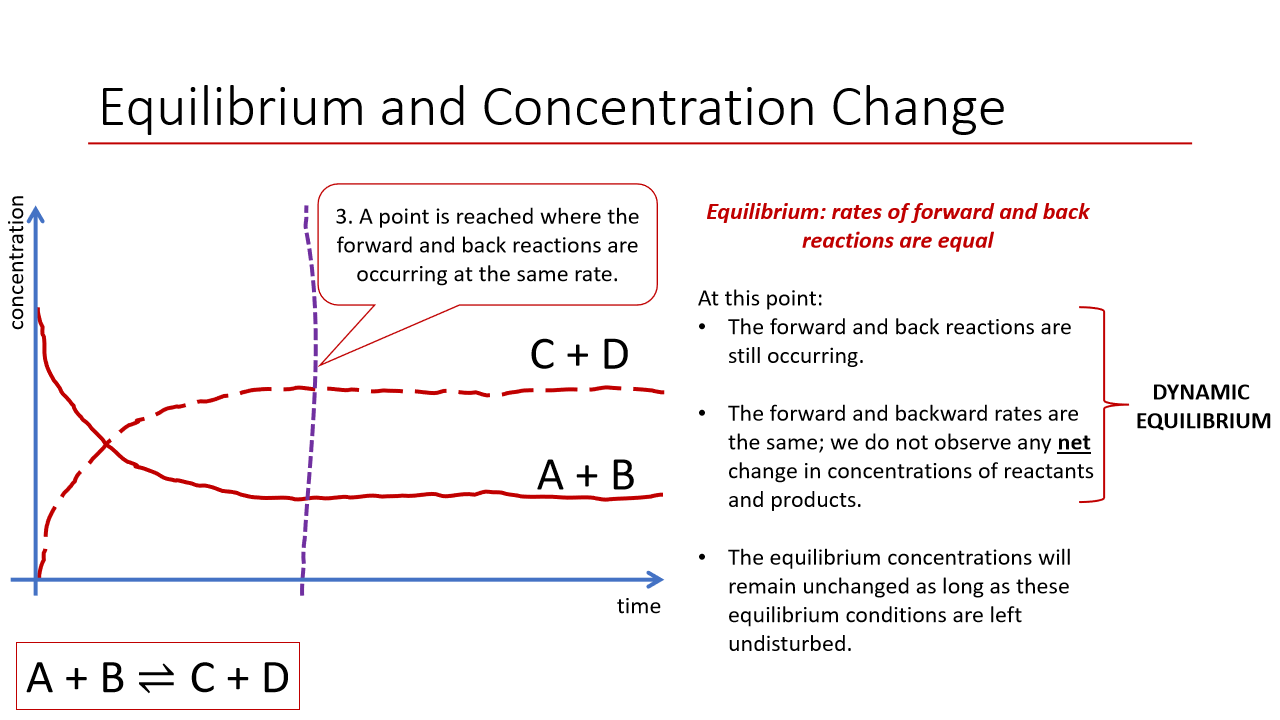
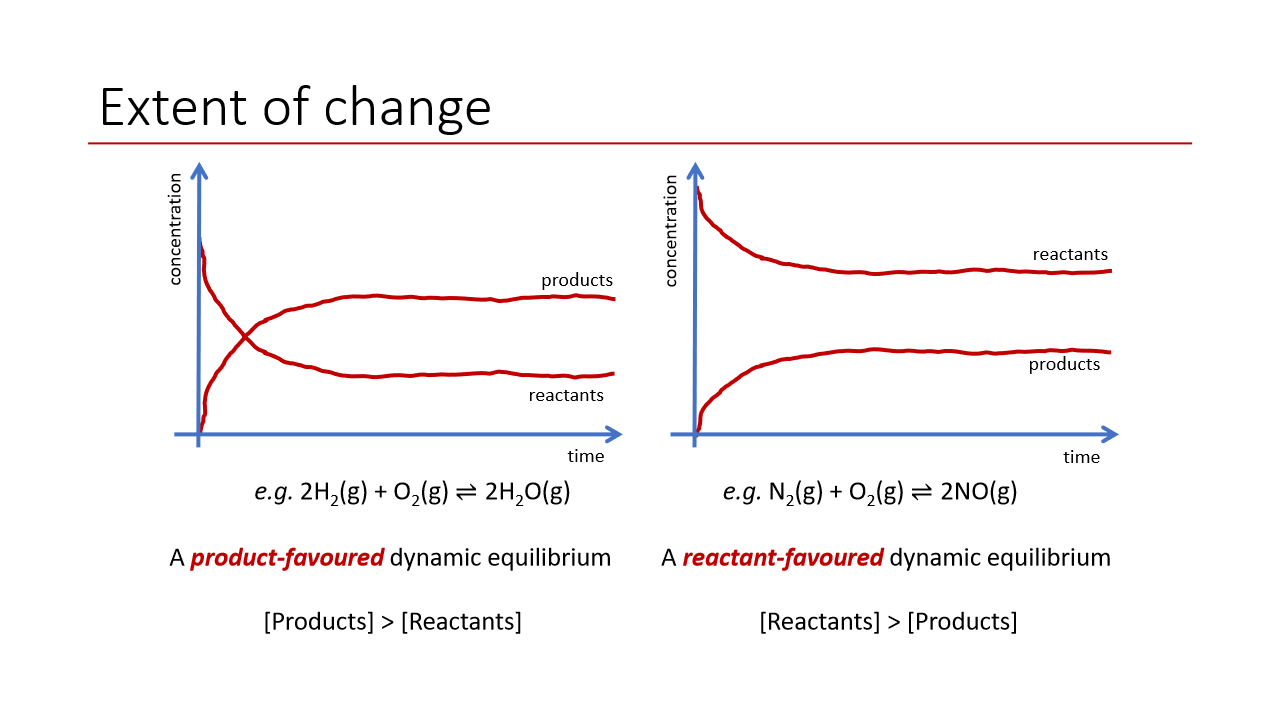
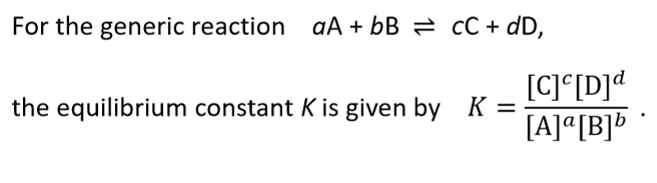
If K is small, the reaction lies to the left. If K is large, the reaction lies to the right.
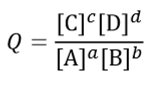
The reaction quotient Q = K
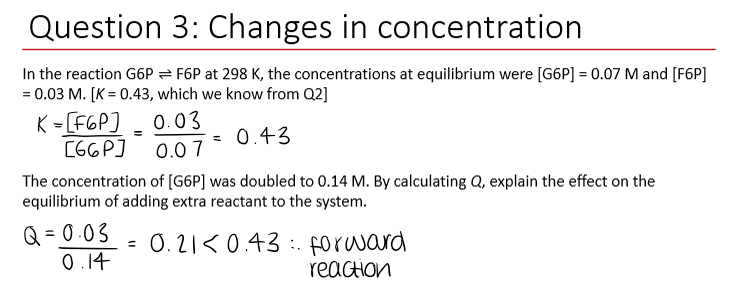
Q is useful as it allows us to determine at any given point the direction in which a reaction that is not at equilibrium will proceed - equilibrium will shift in the direction such that Q approaches K.
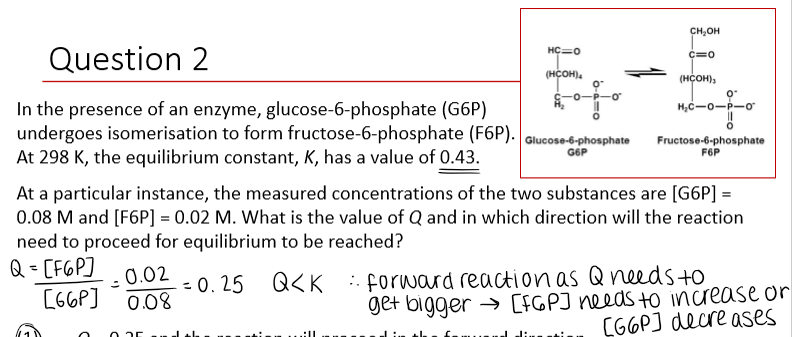
Le Chatelier’s Principle: When a chemical system at equilibrium is disturbed, the system responds by shifting this equilibrium composition in such a way to counteract this change.
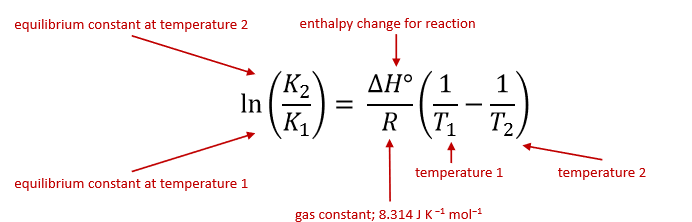
Increasing temperature shifts equilibrium towards the endothermic reaction
Increasing pressure shifts equilibrium towards the side with the least moles. E.g. Higher pressure, oxygen binds to haemoglobin. Lower pressure, oxygen released from haemoglobin
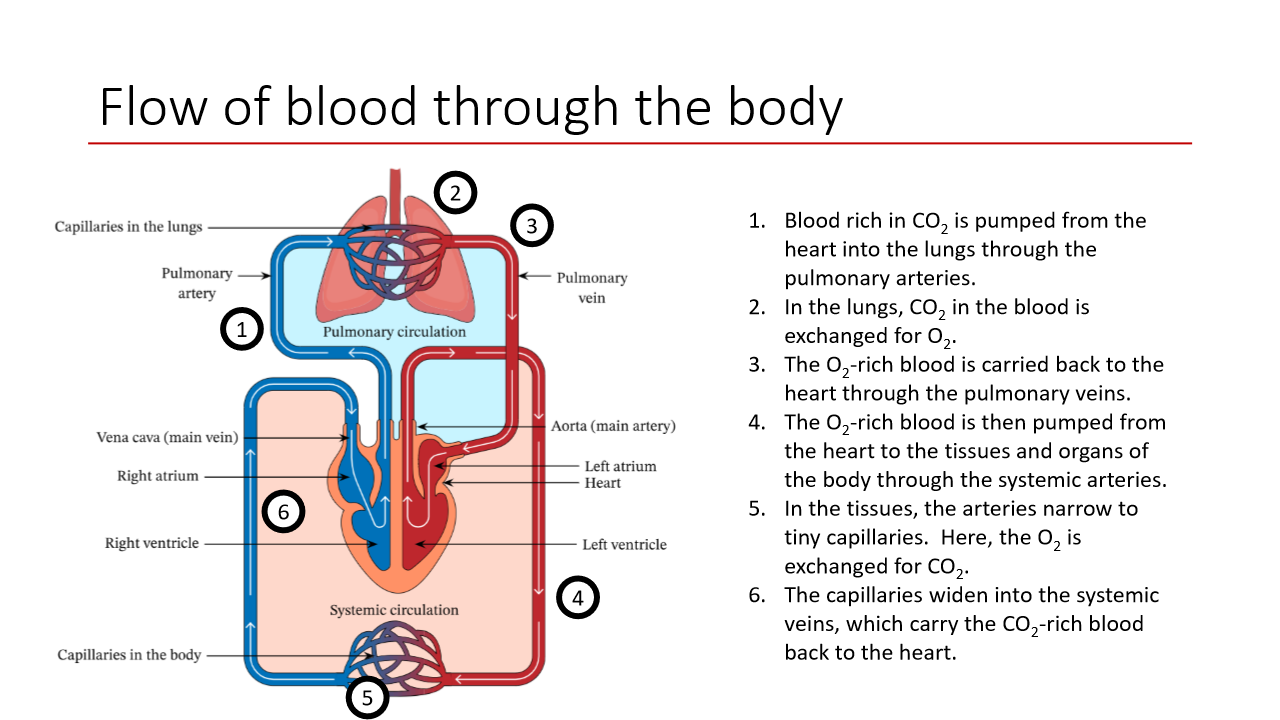
Haemoglobin:
Protein that transports oxygen from lungs to body tissue through the blood stream
It has 4 subunits
Each subunit has a haem group which contains iron that can bond to one oxygen molecule
Haem group is based on a planar porphyrin system with 4 N-containing units
The high conjugation means the system has a very strong electronic absorption, so strongly coloured
The Fe inside forms a chelate system; each N has a lone pair donating to the Fe, so the Fe is very strongly bound
A histidine residue binding to the Fe distorts it out of plane.
Bohr effect:
Presence of CO2 and H+ promote the release of O2 from haemoglobin in the blood.
CO2 and H+ are produced from metabolic activites of the body, so the concentration of these species is high in the metabollically active tissues of the body that require more O2
This means O2 is favourably released where its need is high.
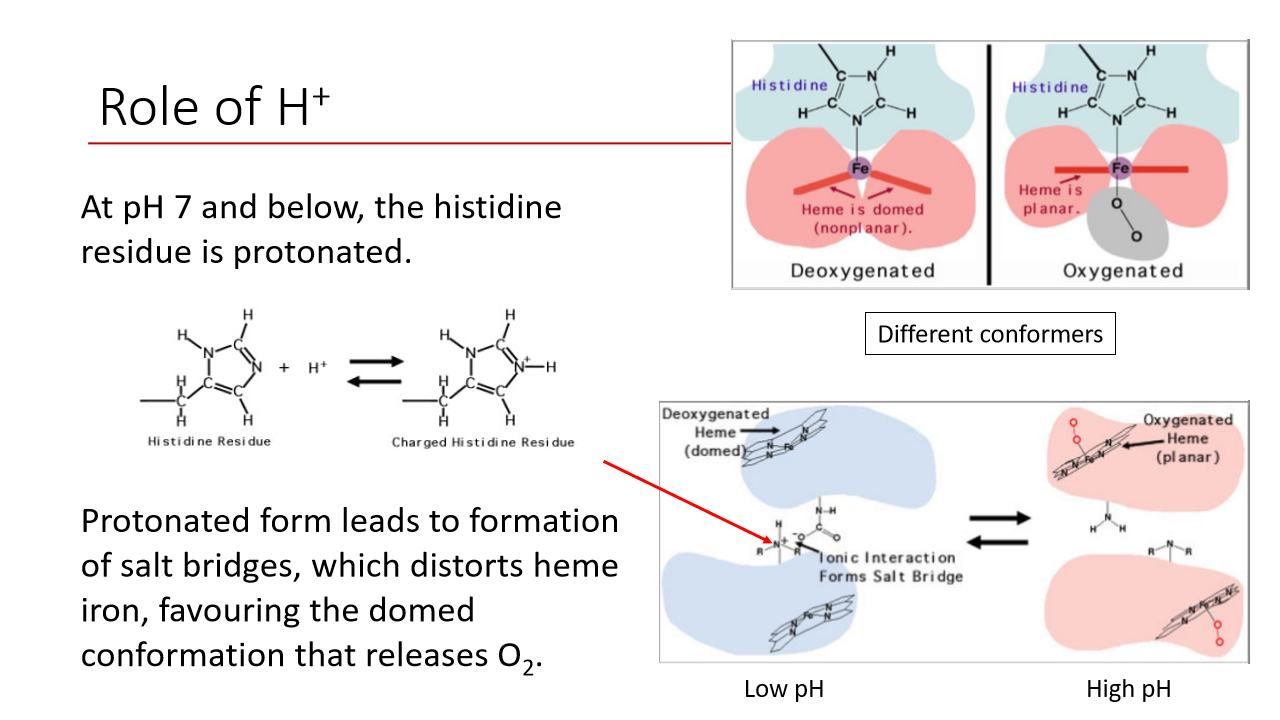
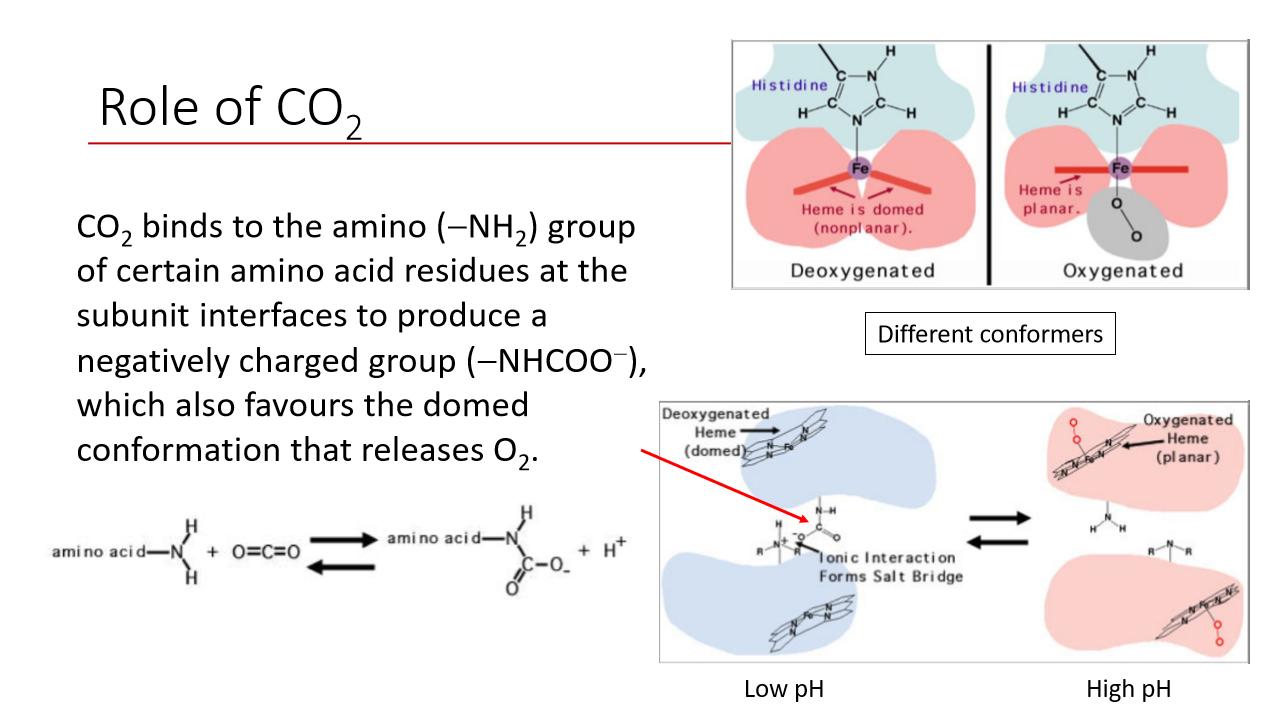
Oxygenated haemoglobin absorbs blue/green light so appears red. Deoxygenated haemoglobin absorbs more orange-red light which gives it a bluish tinge.
Porphyria
Blood disorder which affects the ability of body to make haemoglobin and hence ability to take up oxygen
Leads to blue/purple blood colour and sometimes a sensitivity to light
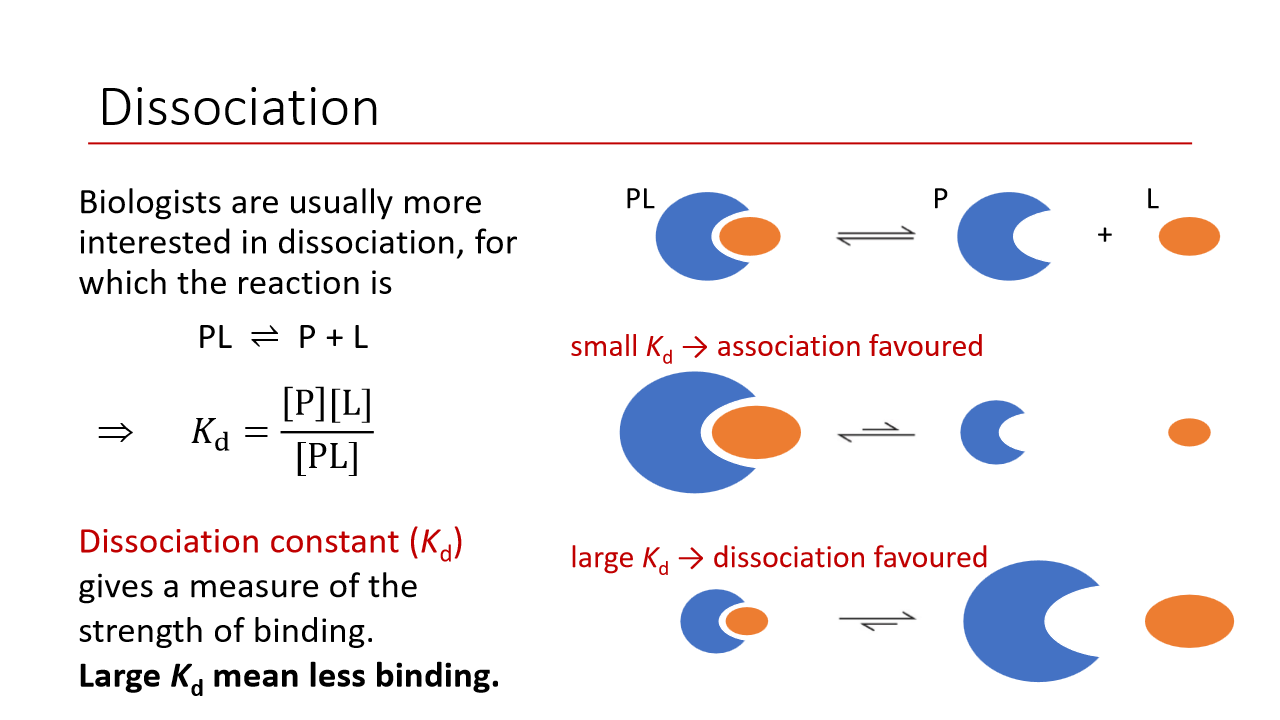
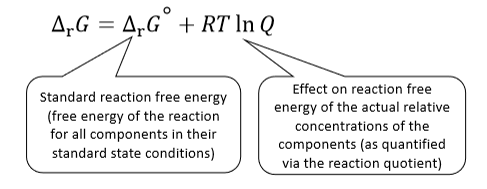
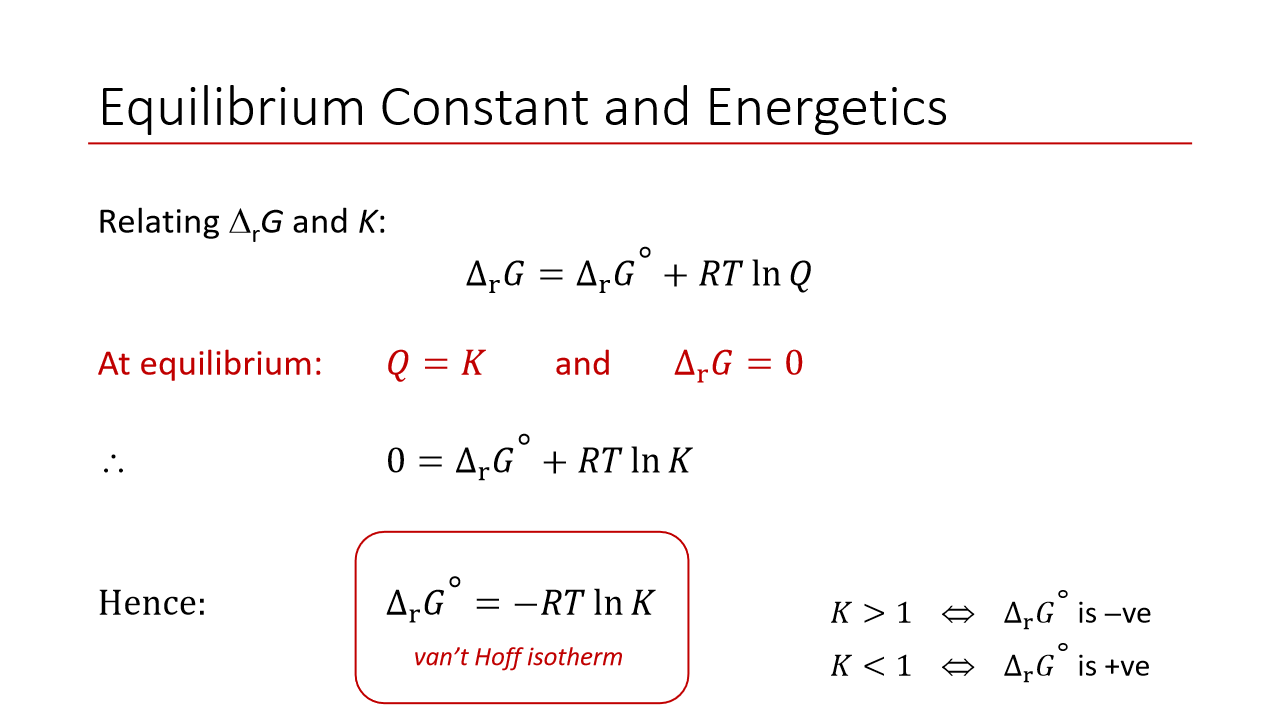
The relationship between the Gibbs Free Energy and the reaction quotient Q is:
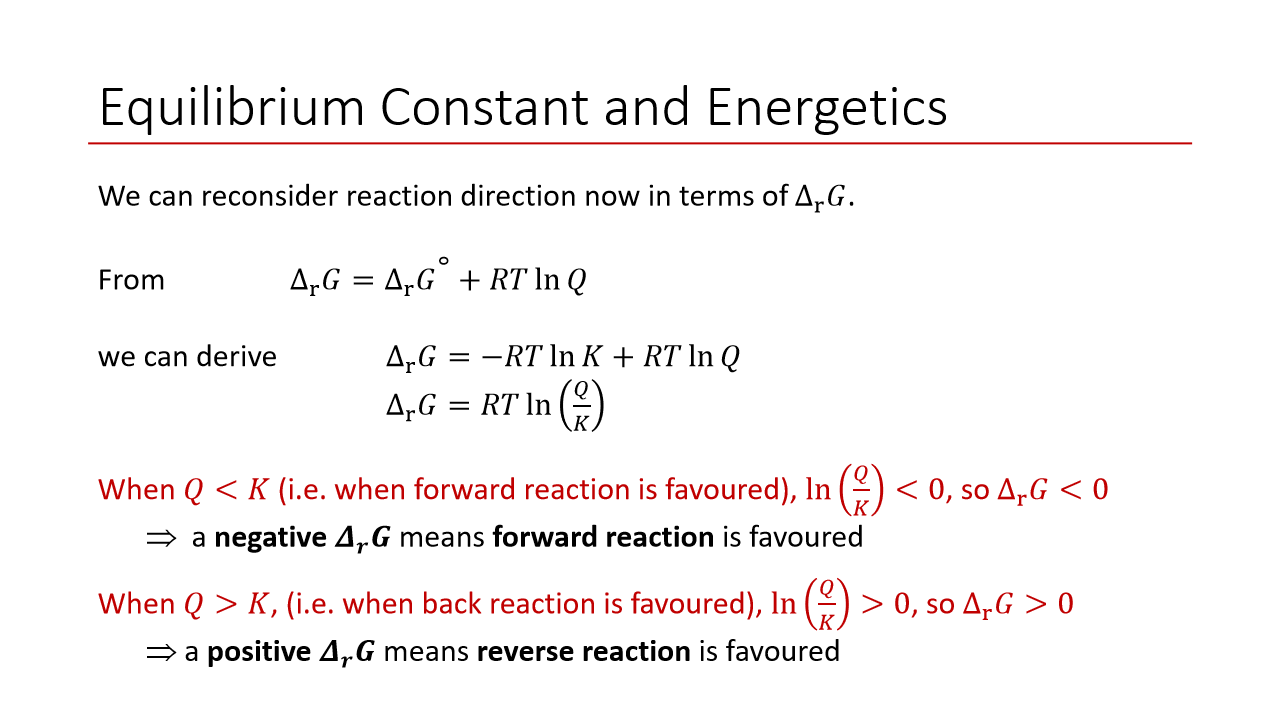
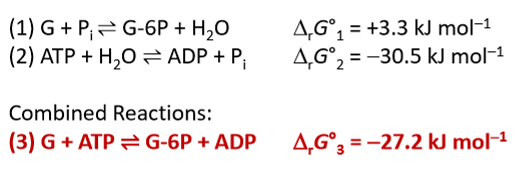
Parallel coupling:
Simultaneous occurrence of unfavourable and favourable reactions
Both reactios must occur at the same place and time
Acid - Base Equilibria:
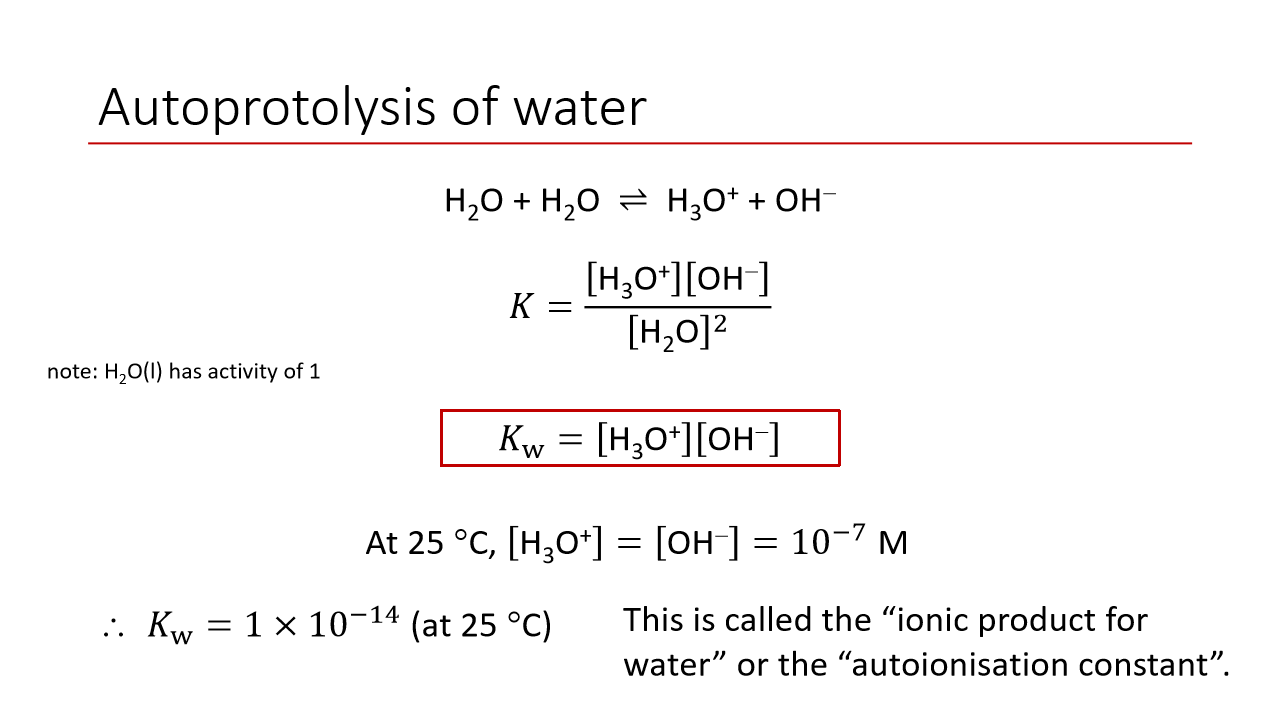
Strong acids:
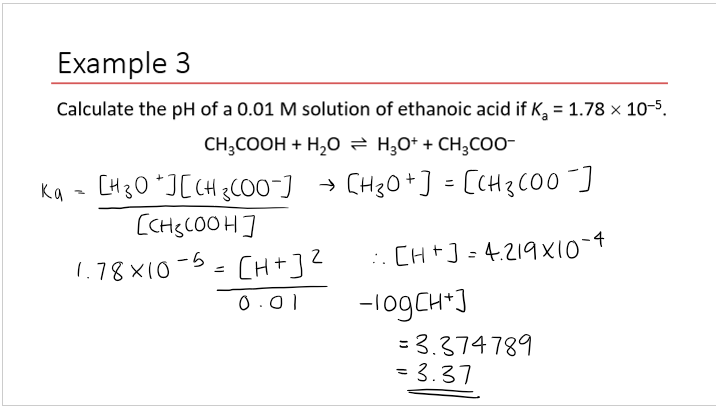
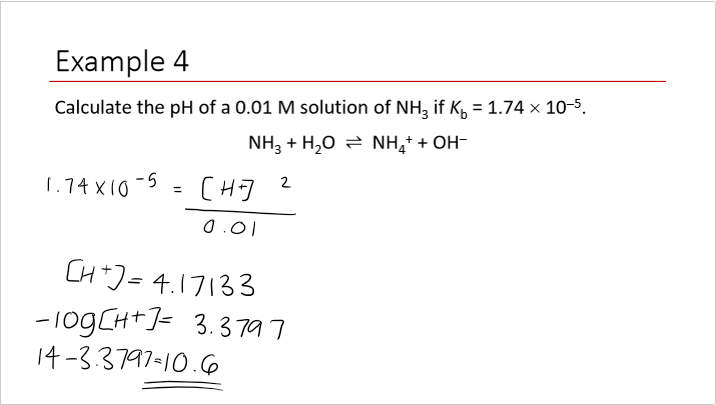
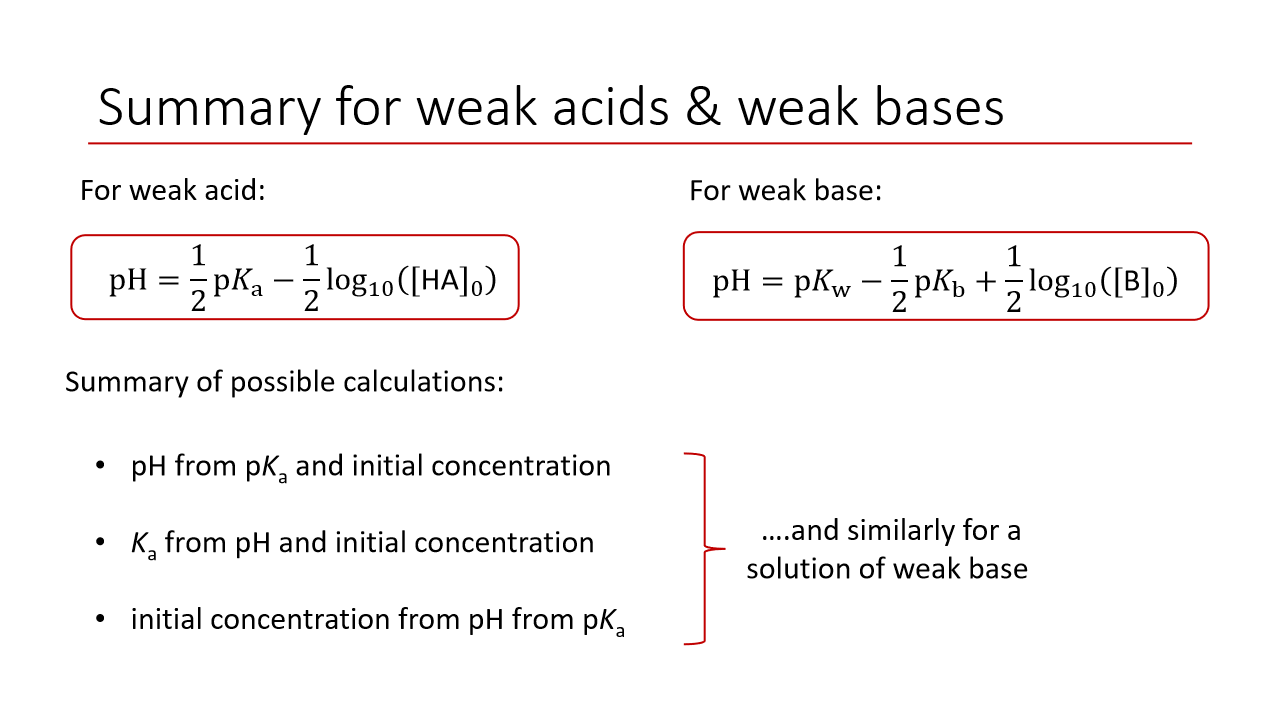
Weak acids or bases:
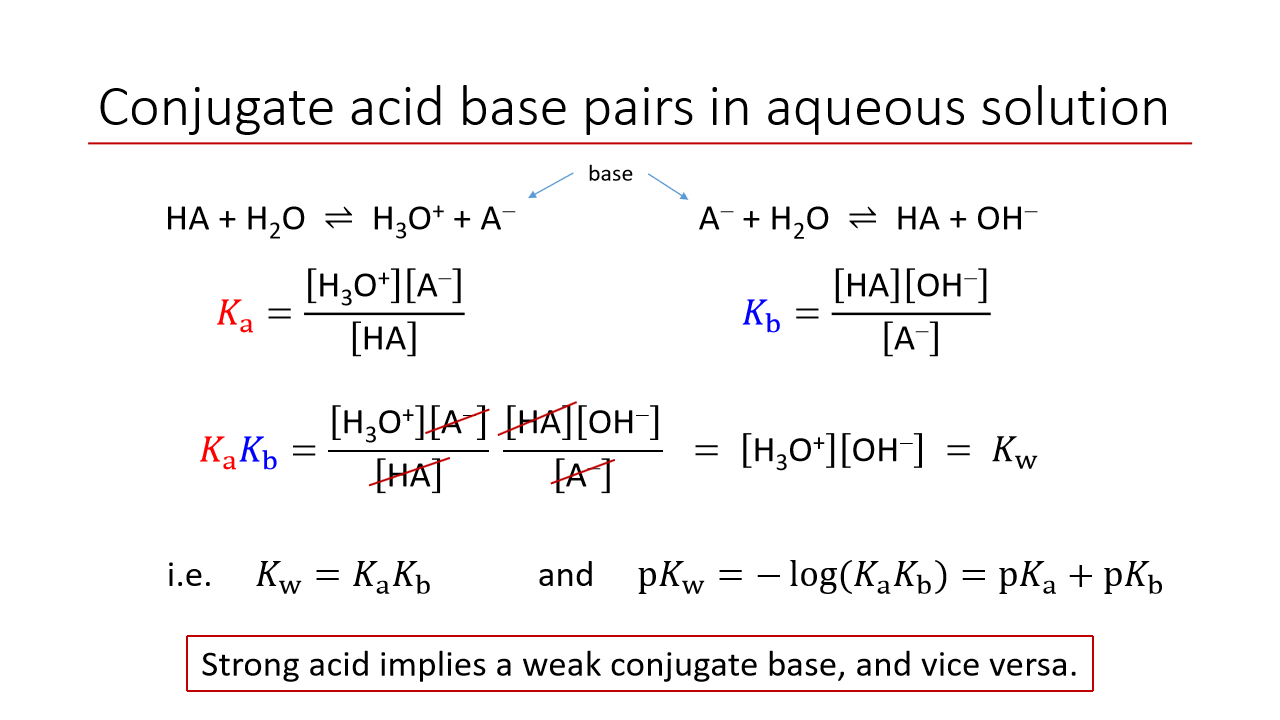
![pH is still neutral as [H3O+]=[OH-] at 37 degrees, neutral is at 6.81 not 7](https://assets.knowt.com/user-attachments/c2492ae2-7016-4e79-9963-1098d1008503.png)
pH + pOH = pKw → pH + pOH = 14 when T=25 degrees celsius
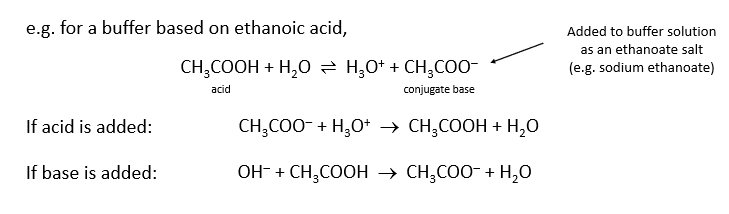
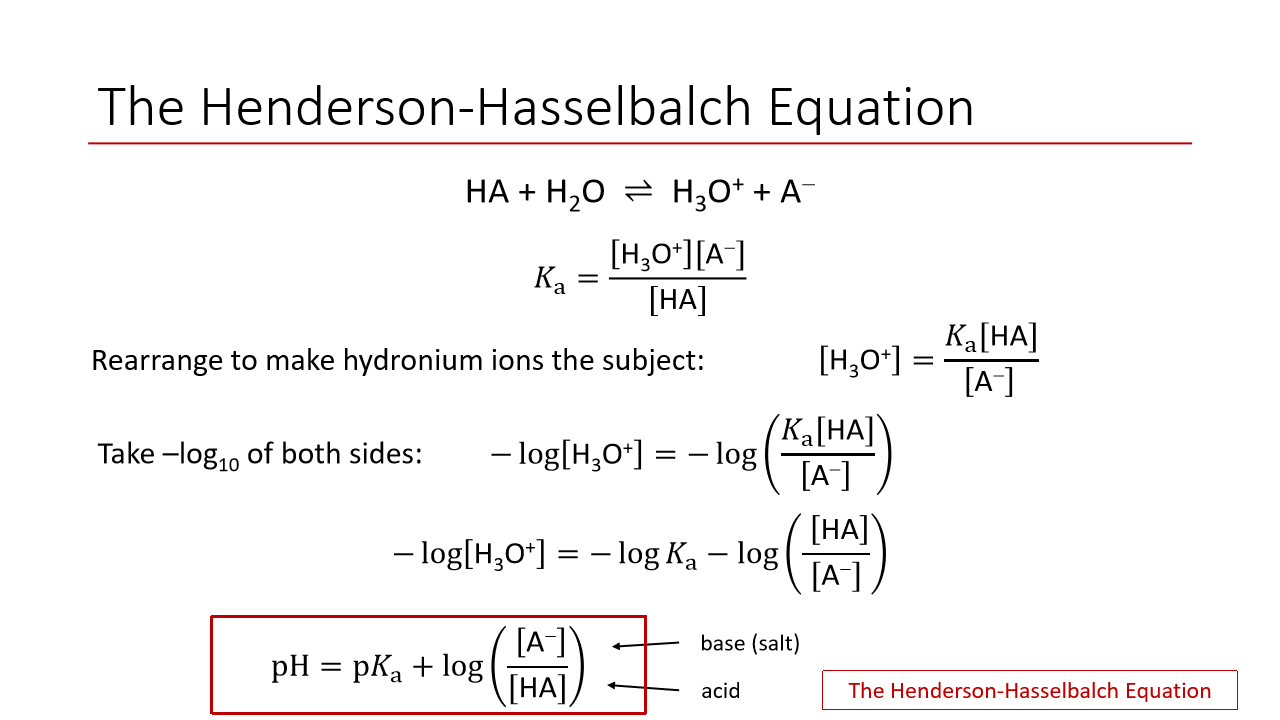
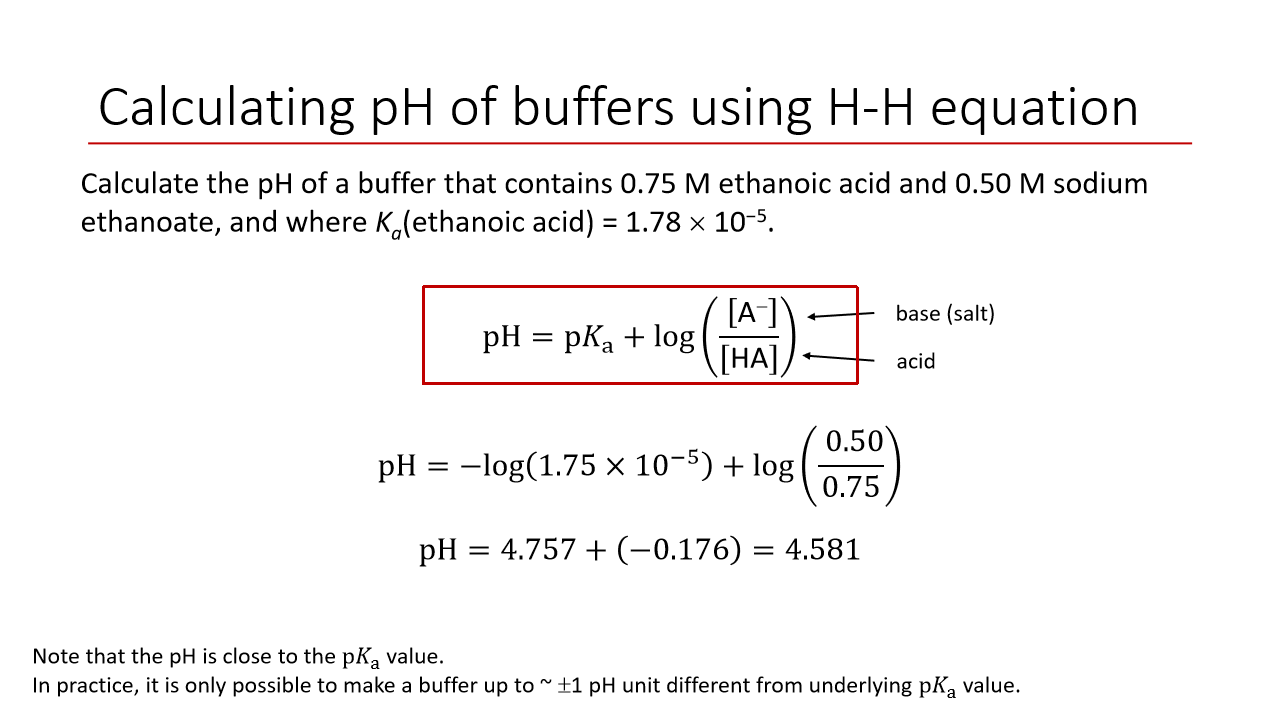
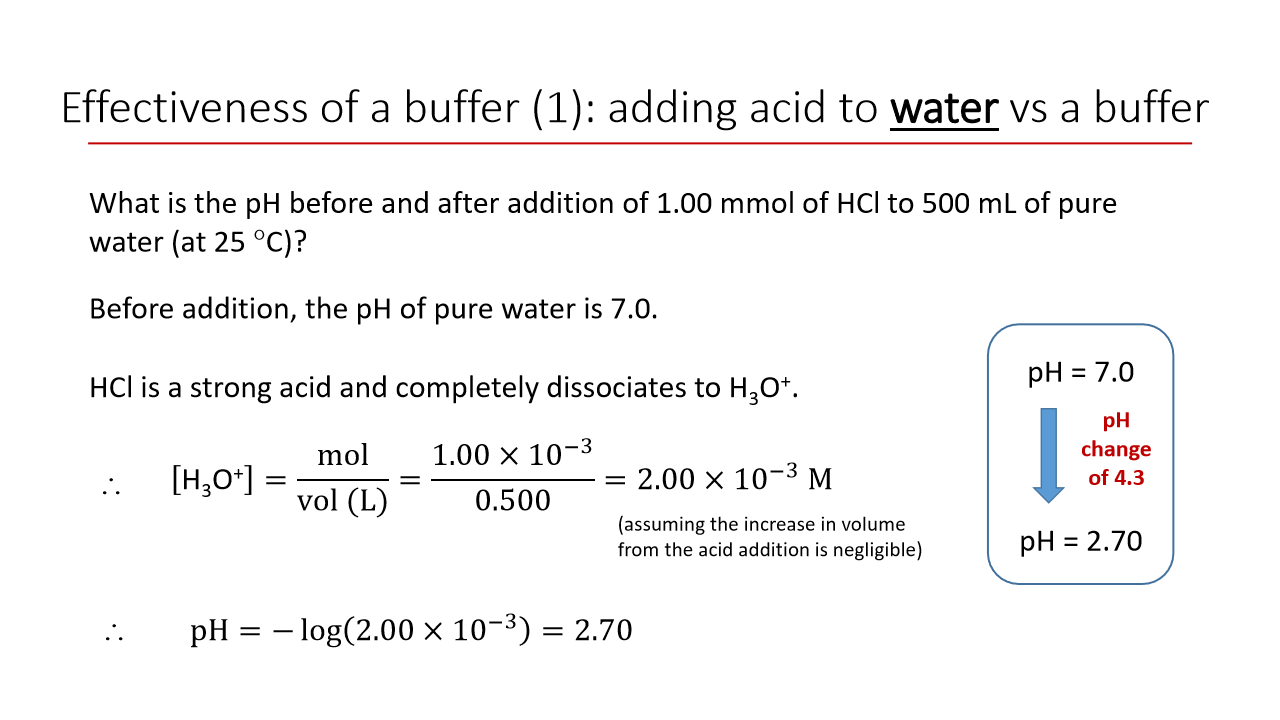
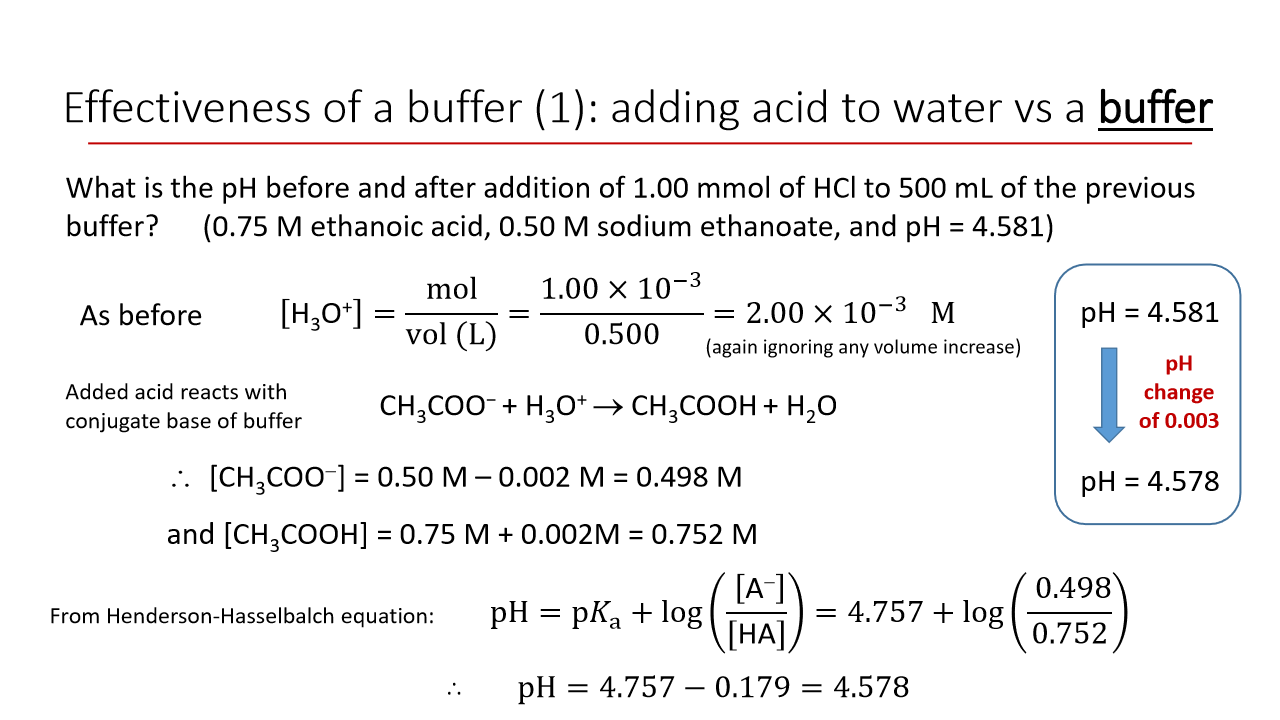
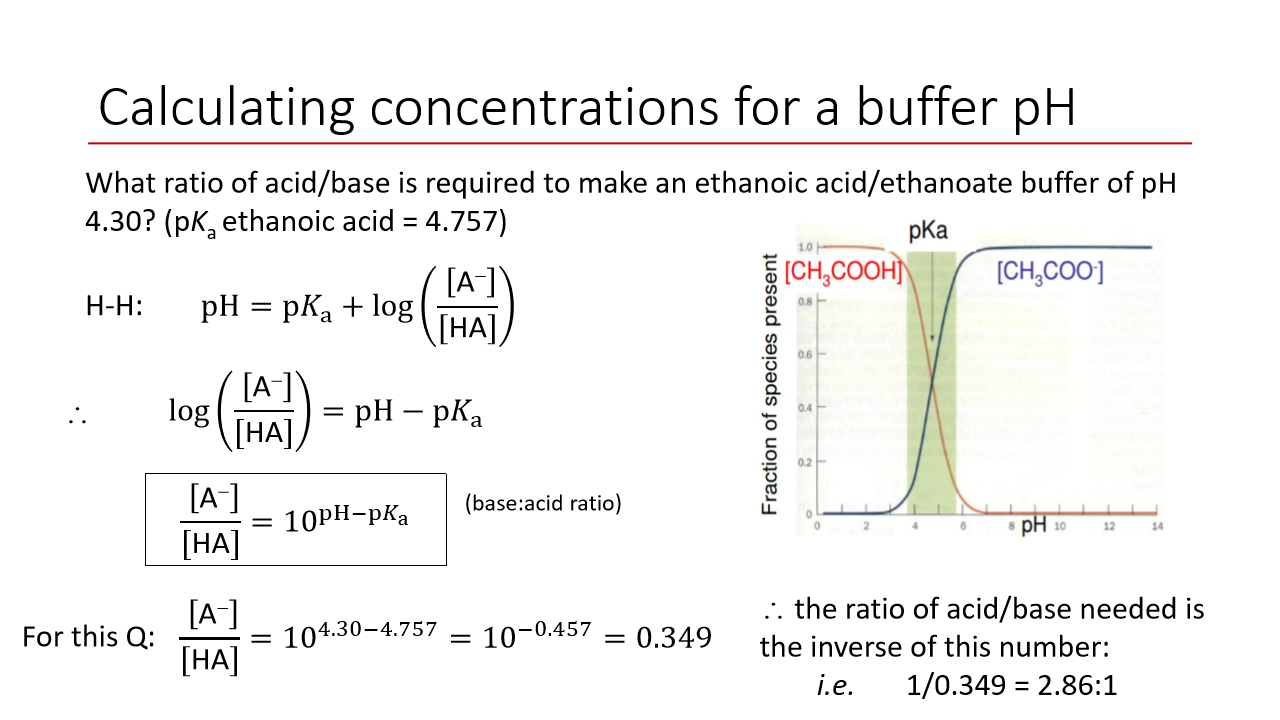
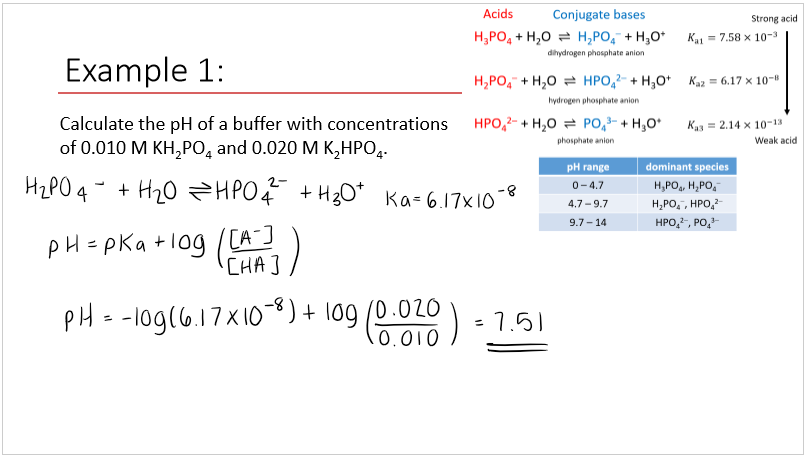
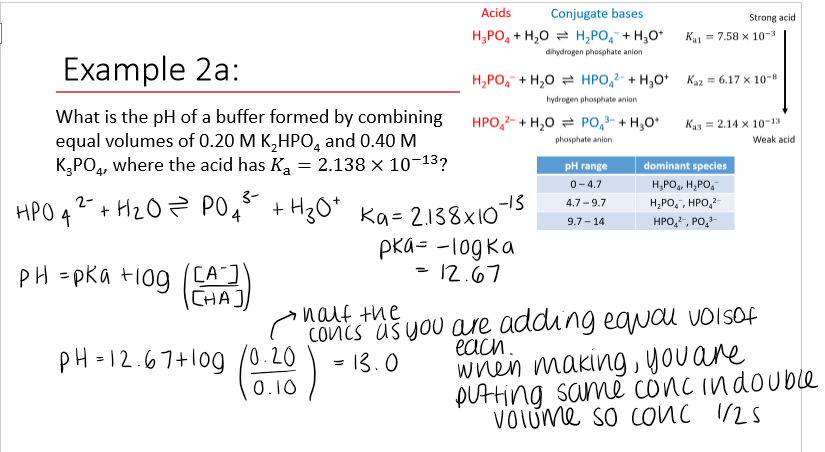
Buffers: designed to resist changes in pH
must have an acid component to react with added OH_
must have a base component to react with added H+