L6: RELIGION & BELIEF SYSTEM
RELIGION
- A specific fundamental set of beliefs and practices generally agreed upon by several persons or sects.
- It is a set of beliefs concerning the universe’s cause, nature, and purpose, especially when considering the creation of a superhuman agency. It usually involves devotional and ritual observances, and often contains a moral code governing the conduct of human affairs.
INSTITUTIONALIZED RELIGION
- Known as ‘Organized Religion’. A social institution in which belief systems and rituals are systematically arranged and formally established.
\
FEATURES OF INSTITUTIONALIZED RELIGION
- Beliefs - expressed in the form of doctrines, articles of faith, and the like.
Example. Christians believe in the authority of the holy bible.
Mormons based their beliefs on the Book of Mormon. Muslims adhere to the teaching of the Koran.
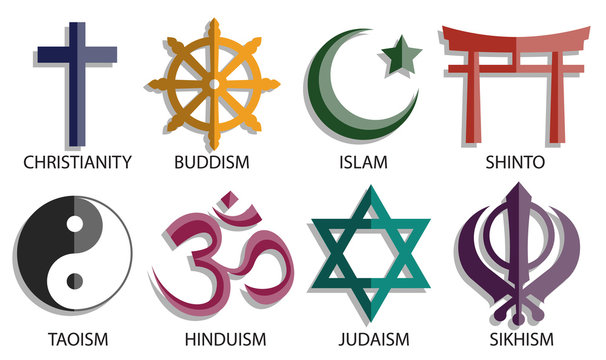
- Symbols - to emphasize the character and meaning of supernatural forces and mysteries.
- Rituals - include offering human and non-human sacrifices, feasts, dances, processionals, chanting, and birth/death rites. It also includes prayer, song, and meditation.
Example. Baptism for Christians and going the church on Sundays.
- Magic and Supernatural Events - the employment of magic is performed and supernatural occurrences are employed in certain aspects or circumstances.
Example. Magic rituals to ensure good crops and to cure illness.
- Hierarchy - many religions are characterized by a hierarchical arrangement of personnel.
Example. Roman Catholic clergymen perform administrative duties within the church and its leader is the Pope, the traditional successor of Apostle Peter.
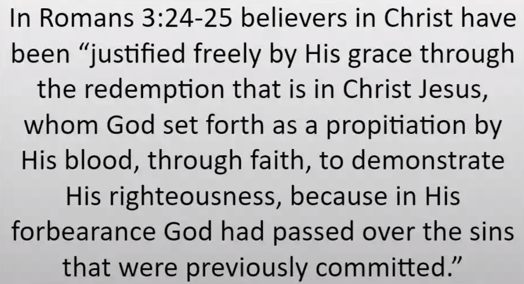
- Propitiation - the ritual is intimately connected with the idea of propitiation which refers to the behavior deemed pleasing to the deity/gods. It is both positive and negative.
WORLD RELIGION
- Animism - from the Latin word anima ‘life, soul’ + ism.
- It is the religious belief that objects, places, and creatures all possess a distinct spiritual essence.
- Potentially, animism perceives all things including animals, plants, rocks, rivers, weather systems, human handiwork, and perhaps even words as animated and alive.
- Hinduism
- According to historians, the origin of Hinduism dates back to 5,000 years or more.
- At one time, it was believed that the basic tenets of Hinduism were brought to India by the Aryans who invaded the Indus Valley civilization and settled along the banks of the Indus River about 1600 BCE.
- Buddhism
- A widespread Asian religion or philosophy, founded by Siddartha Gautama in northeastern India in the 5th century BC.
- It is a tradition that focuses on personal spiritual development.
- Strive for a deep insight into the true nature of life and don’t worship gods or creatures
- Islam - an Abrahamic Monotheistic religion teaching that there is only one God (Allah), and that Muhammad is the messenger of God.
- It is the world’s second-largest religion with over 1.8 billion followers or 24% of the world’s population, most commonly known as Muslims.
- Christianity - a monotheistic faith based on the life and teachings of Jesus of Nazareth as described in the New Testaments.
- Its adherents, known as Christians, believe that Jesus Christ is the Son of God and Savior of all people, whose coming as the Messiah was prophesized in the Old Testament.
5 PILLARS OF FAITH
- Declaration of Faith (The Shahadah) - trusting and understanding the words of the Shahadah. The Shahadah means there is no other god except Allah and Prophet Muhammad is the messenger. The Shahadah can be recited when a person chooses to convert to Islam as the words in the Shahadah are the key beliefs in Islam.
- Prayer (Salah) - praying 5 times a day, kneeling towards Mecca. There are specific ritualistic movements and prayers that are said.
- Fasting during the month of Ramadan (Sawm) - not eating/drinking beverages when the sun is out, only when the moon is out.
- Charity/Alms-Giving (Zakat) - each year a Muslim should give money to charity (2.5% of their savings). If a person doesn’t have much money, they can give services to others instead.
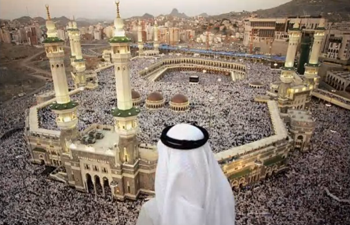
- Hajj - Pilgrimage to Mecca
MONOTHEISM VS. POLYTHEISM
| CATEGORY | MONOTHEISM | POLYTHEISM |
|---|---|---|
| Definition | Belief in One God | Belief in multiple Gods, and Deities |
| Religions | Zoroastrianism, Christianity, Judaism, Islam, Hinduism. | Jainism, Shinto, Taoism |
| CommandmentsConcerningWorship | The one true God alone is to be worship | There are numerous deities, each worthy of worship. |
SEPARATION OF STATE AND CHURCHES
- Church and State Medieval Europe.
- Separation of church and state is the political and legal doctrine that government and religious institutions are to be kept separated.
\