Intro to Anatomy
ANATOMICAL POSITION

sagittal plane - cutting body into a left side & right side
medial sagittal plane- cut in the middle
parasagittal - not equal halves
transverse plane - cuts body into a top half & a bottom half
coronal plane - cuts body into a front part & a back part
ALWAYS assumed body is in anatomical position
ulna - closest to body in anatomical position
radius - furthest from body in anatomical position


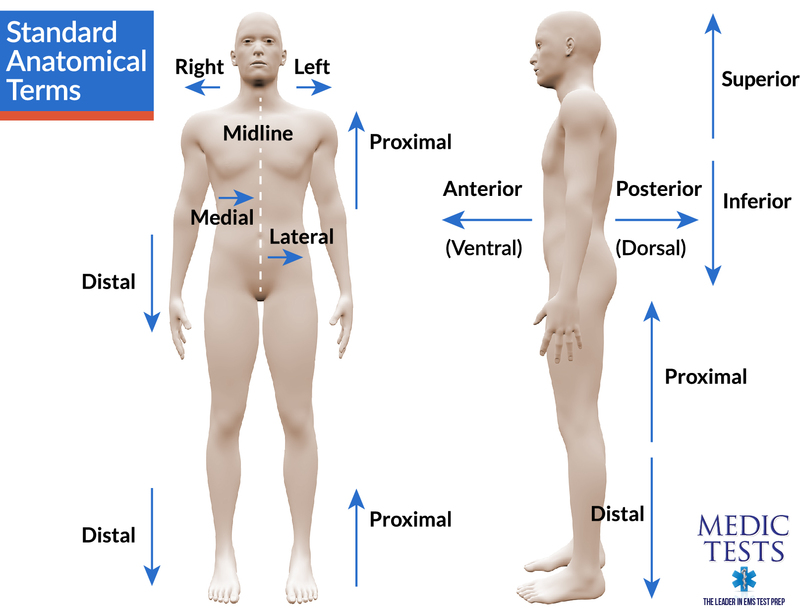
directional terms
cranial extremity - towards the head end of the body
caudal extremity - towards the feet end of the body
superior - over, above, going towards the head
cephalic - going towards the head
inferior - going towards to feet
caudal - going towards the feet
posterior going towards the back of the body
dorsal - along the spine, going towards the back of the body
anterior - going towards the front of the body
ventral - abdominal side, going towards the front of the body
medial - towards the middle of the body
lateral - towards the side of the body
proximal - towards the plane of origin, closer to the body
distal - away from the plane of origin, out from the body
superficial - towards the surface of the body (papercut)
deep - towards the inside of the body (bullet wound)
THE INTEGUMENTARY SYSTEM
skin is made up of 2 primary layers
epidermis: outer layer, it is composed primarily of epithelial tissue laying on top of a layer of connective tissue
dermis: internal primary layer in top of the layer of skin is called the dermis and it is primarily connective tissues
the epidermis contains melanin cells which are the brownish-black pigments of the skin.
the absence of these cells is called albinism
freckles are due to the concentrations of melanin
other related structures of the epidermis are hairs and nails
hair is an outgrowth of the epidermis
the hair follicle is the cylindrical cavity containing the root, and the shaft, of the hair extends above the surface of the skin
nails are specialized epidermal cells
the dermis is the inner primary layer of the skin
composed of connective tissue, small blood vessels, lymph vessels, and nerves of the skin
also includes sebaceous (oil) glands that secret sebum and serve to keep the hair and skin soft and pliable
the sudoriferous (sweat) glands secrete sudor and are found on most body surfaces. they open onto the surface of the skin through tiny openings called pores
the ceruminous (ear wax) glands secrete cerumen which helps to protect the ear canal by trapping bacteria and foreign particles.
however, excess of cerumen can block the passage of sound waves entering the auditory canal