S2 - Pfizer & Merck
Summary of the case
Questions
1. What are the structural characteristics of the industry?
600 companies
Top firms account for less than 50% of market
1.3 trillion$ value
++ competition
Global market
½ market in US, ¼ in EU, rest in other countries
Lots of R&D spending – more or less 14% of sales (lots compared to rest of manufacturing companies). Takes a lot of research to make blockbuster drugs (radical changes and 1billion+). In consumer goods, R&D is around 2-3% only, for comparison.
Focus on blockbuster drugs, only 94. They are selling >1billion$.
3/10 drugs break even. High risk market, time counts. Basic research sees joint authorship == spillovers.
In between oligopoly and perfect competition
Highly regulated (FDA for US, etc.)
Patent = monopolistic competition for a set number of years. But half of that time is spent developing the product, so it’s kind of in vain… More and more companies are deciding not to patent
OTC (over the counter) = 20% market. Prescription = 80%
In public health countries companies do a lot of lobbying and negotiation to rank high in the list of pharmas approves and prescribed by doctors. The go to market side is very complicated: detailing, consumer marketing, trade marketing with retailers, netogitation with countries, payer marketing. This big machine costs around 30% of sales
Cost of marketing and sales gets higher each time
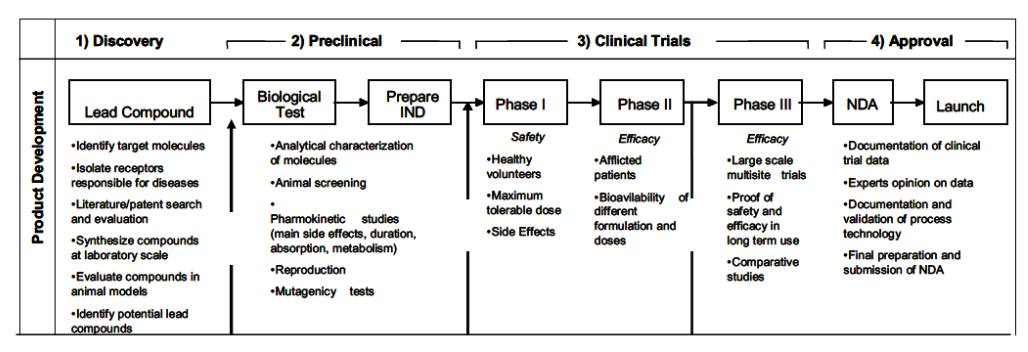
Stages;
Drug discovery; finding a drug that could work in theory
Pre clinical (IND = investigation on new drug, usually on animals)
Clinical trials (makes you develop a NME new molecular activity, with chich you can develop a patent). Of course not only test if it works, but also the safety (side effects), efficacy (does it end up curing the disease) and tolerability
Phase I
Phase II
Phase III
Go to market – this part is super complicated AND expensive. You need;
Lobbying activity (payer marketing)
Sales force to visit doctors (detailing)
Consumer marketing (towards patients) (DTC)
Trade marketing (towards drugstores)
ACTORS
Pharma – sell product to drugstore – which gives the drug to patients in exchange of money.
But in some countries, the drug is not paid by the client, but by the govt/ third party. E.g. Italy: tessera sanitaria (the govt). But in US.. Insurance company. Insurance contract, which you bought, which gives you a % of the money needed for a drug. To simplify, we call these PAYERS.
And if you don’t have insurance in a country such as US, you’re in trouble.
The payers define what can treat you!! If the payer doesn’t have a product you need in the contract, you have to pay it yourself
In absolute value, the cost of a surgery is the SAME in Italy as in US. In Italy, its not free, its just debt that accumulates, that will one day have to be paid off. More health = less pension, etc. Nothing is free, everything is a trade-off
Doctor – patient visits them, and get a prescription. What a doctor can prescribe or not, depends on what payers tell them. Theres a list of products, and people lobby to have their drug get to the top of the list, on order for patients to get it without having to pay.
Pharma vs CG;
Pharma; 100 – 10% (cost of good) = 90% - 45% (R&D & marketing) = 35%. Soo to be profitable, the gross margin has to be high, because all the added costs are in marketing, rd, etc. and NOT in the good itself
CG; 100 – 60% (cost of good) = 40% - 30% (rd and marketing) = 10% (here the maj. Of the spending is on the good itself)
2. How did they evolve over time?
Key inventions of BioTech:
Boyer and Cohen’s discovery of recombinant DNA methods
Kohler and Milsten’s monoclonal antibodies
BioTech evolution:
Chemistry (1960) - Random Screening
Molecular biology (1970) - Rational drug testing
Systemic biology (2000) - From Gene to Drug
BioTech; can be new competitors (Argen, etc.) OR can form alliances with pharmas. Erosion of the market
Expiration of lots of patents & more competition = -- of monopolistic rent
Generic drug app. 30% price of brand name
Payers are having higher pressure on prices. States are getting less and less $, so are negotiating prices. Insurance market is getting more competitive. Bargaining power downstream = pressure on reduction of margins
Niche drugs and incremental innovations:
Orphan drugs (limited market drugs) or diseases with limited cures have a fast track in the FDA process
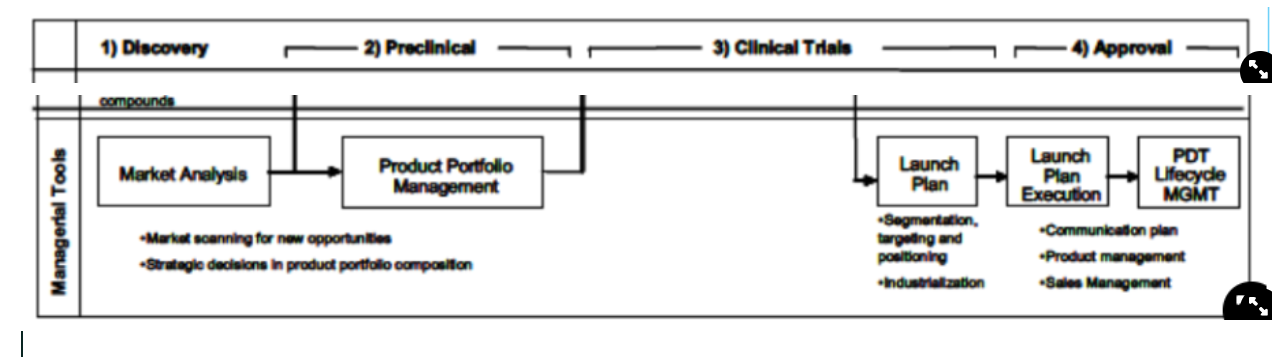
Integration of Marketing with the R&D process:
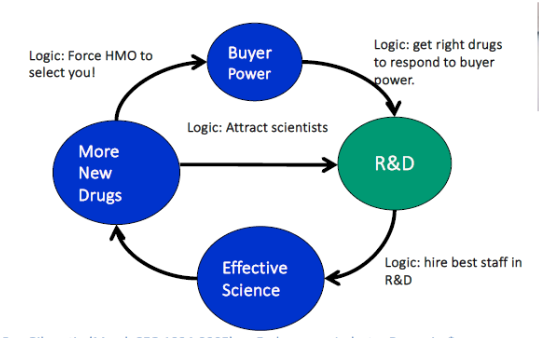
 Merck’s business model:
Technology is a driver to innovation
3. Who are the key competitors in the pharmaceutical industry? And what are their strategies? Focus specifically on core differences between Pfizer and Merck.
Industry:
Strategy: when the patent period of a blockbuster drug comes to expiration, the competitors will quickly come out with a generic version of the drug.
Generic drugs are much cheaper than the brand-name version.
Pricing: Pharma companies can choose between using a unique price all over the world or to price discriminate based on the countries.
With differential pricing strategy comes the development of gray markets.
Outsourcing of R&D became more common; by 2002 , 30% of R&D budget of pharma companies was outsourced to specialist firms. (“(in) India and China, where costs were up to 90% lower and access to patients for trials easier than in the U.S., Europe or Japan”) (p.4)
Me-Too drugs; able to compete with a blockbuster without infringing on the patent.
Due to generic competition “[companies started] obtaining patents on component chemicals and manufacturing methods to attempt product reformulations”
Merck vs Pfizer;
Goodwill = obligation to pay back this value to the shareholder. For Pfizer their goodwill balance is huge
Strategy: Pfizer is more targeted on marketing and Merck is more focused on research.
Merck:
“discover new and better medicines through breakthrough research and then demonstrate their value to physicians, payers and patients”.
Pfizer:
“Hunter, not a gatherer”. Grew through mergers and has a very large and aggressive sales force. Very focused on marketing and try to influence doctors with frequent visits. (no blockbuster invented in their own lab after 1998)
“Worst pipeline relative to its size in the global industry” (least efficiency in regard to research).
Hiring: Merck focused on hiring scientists, whereas Pfizer focused on hiring and training their sales force.
Mergers: Pfizer is taking advantage of mergers to grow, whereas Merck never merged. They only started forming external alliances/partnerships when they found the company was too insular.
4. Who is going to head the competition in the new millennium?
More broadly…
Pharma is now the “life science” industry
Prevention and diagnostics are key for the future, thanks to the revolution that came from big data
Industry became disrupted by covid, and brought lots of politicians to take the health industry more seriously.
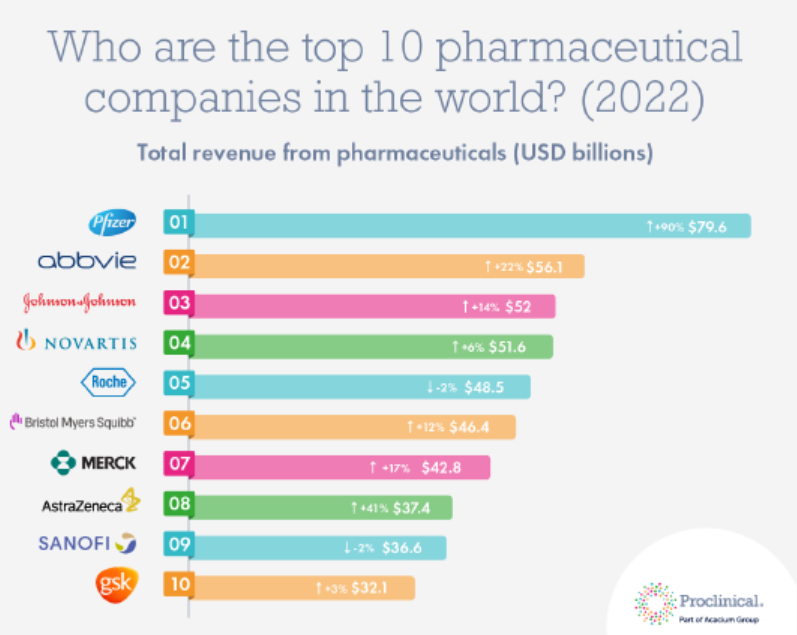
After covid, Pfizer almost DOUBLED its revenues and stayed #1 pharma company, while Merck dropped in the ranks
Core Takeaways:
Bottom Line Merck vs Pfizer:
Merck: new markets with less rivalry (good science)
Pfizer: Buyer power, rivalry and entry == encourage merger. Better at marketing - keep pipeline filled
Technology as an entry barrier
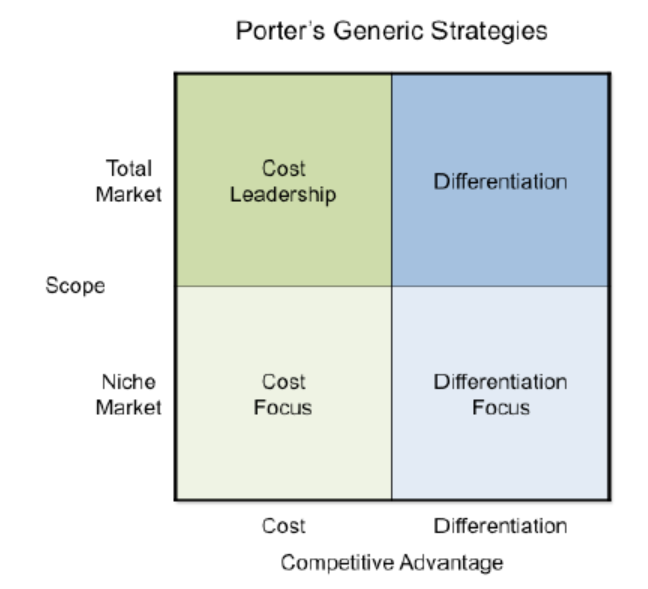
Innovation as a differentiation strategy
Competences at the core of technology/innovation
Technology as an entry barrier
Five Forces (Porter) is impacted by technology!!!
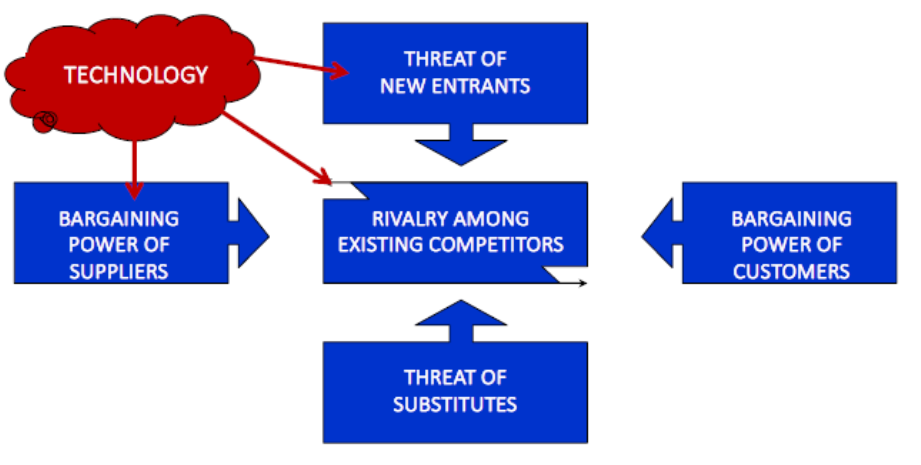 How does Pharma relate to the Five Forces?
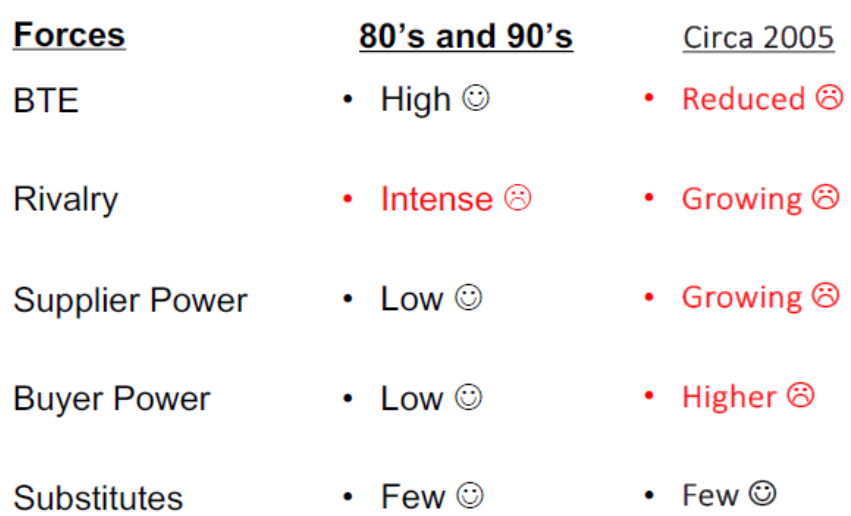
Innovation as a differentiation strategy
Porter’s classic model:
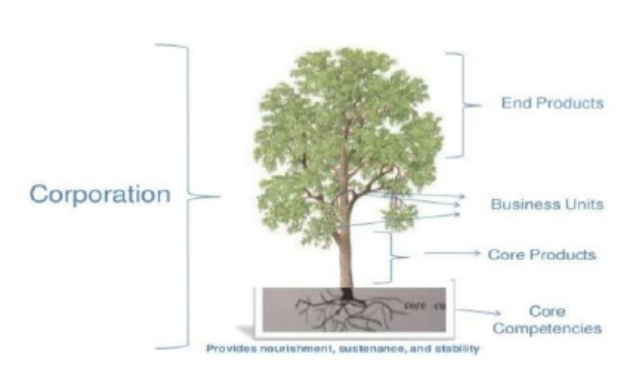
 Competences at the core of technology/innovation
Roots of competitive advantage:
Core competencies
Core products
Business Units
End products
 Types of Competences:
Core competences
Unique resources
Hard to imitate/substitute
Give rise to important tech and innovations
Good scientists, research environment and R&D
Complementary assets
Resources that help funnel tech and inn to the marketplace (MFCG and M&S)