Chapter 28: Economic development and sustainable development
| 4.7 Sustainable development | Depth of teaching | Diagrams and calculations |
|---|---|---|
| The meaning of sustainable development | AO2 | |
| Sustainable Development Goals | AO2 | |
| Relationship between sustainability and poverty | AO2 |
By the end of this chapter, you should be able to:
→ Distinguish between economic growth and economic development
→ Explain the relationship between economic growth and economic development
→ Define sustainable development
→ Outline the current status of the Sustainable Development Goals
→ Explain the relationship between sustainability and poverty
→ Explain and give examples of common characteristics of developing countries
→ Explain and give examples of the diversity that exists between developing countries.
What is economic development?
- It is very subjective
- Reducing poverty
- Provision of health care
- Provision of education
- Maintenance of law and order
- Good institutions
- Freedom
- Speech
- Religion
- LGBTQ+ rights
- etc.
Sources of economic growth
- Natural factors
- Technology, fertilisation, irrigation, etc.
- Increased quality or quantity of the factors of production
- Human capital factors
- Quality and quantity
- Physical capital and technological factors
- Capital widening – the ratio of capital per worker does not change
- Capital deepening – increase in the amount of capital for each worker
- Institutional factors
- The banking system, legal system, educational system, political stability, infrastructure
Common characteristics of developing countries
- Low standard of living (low income, inequality, poor health, low education)
- Low levels of productivity
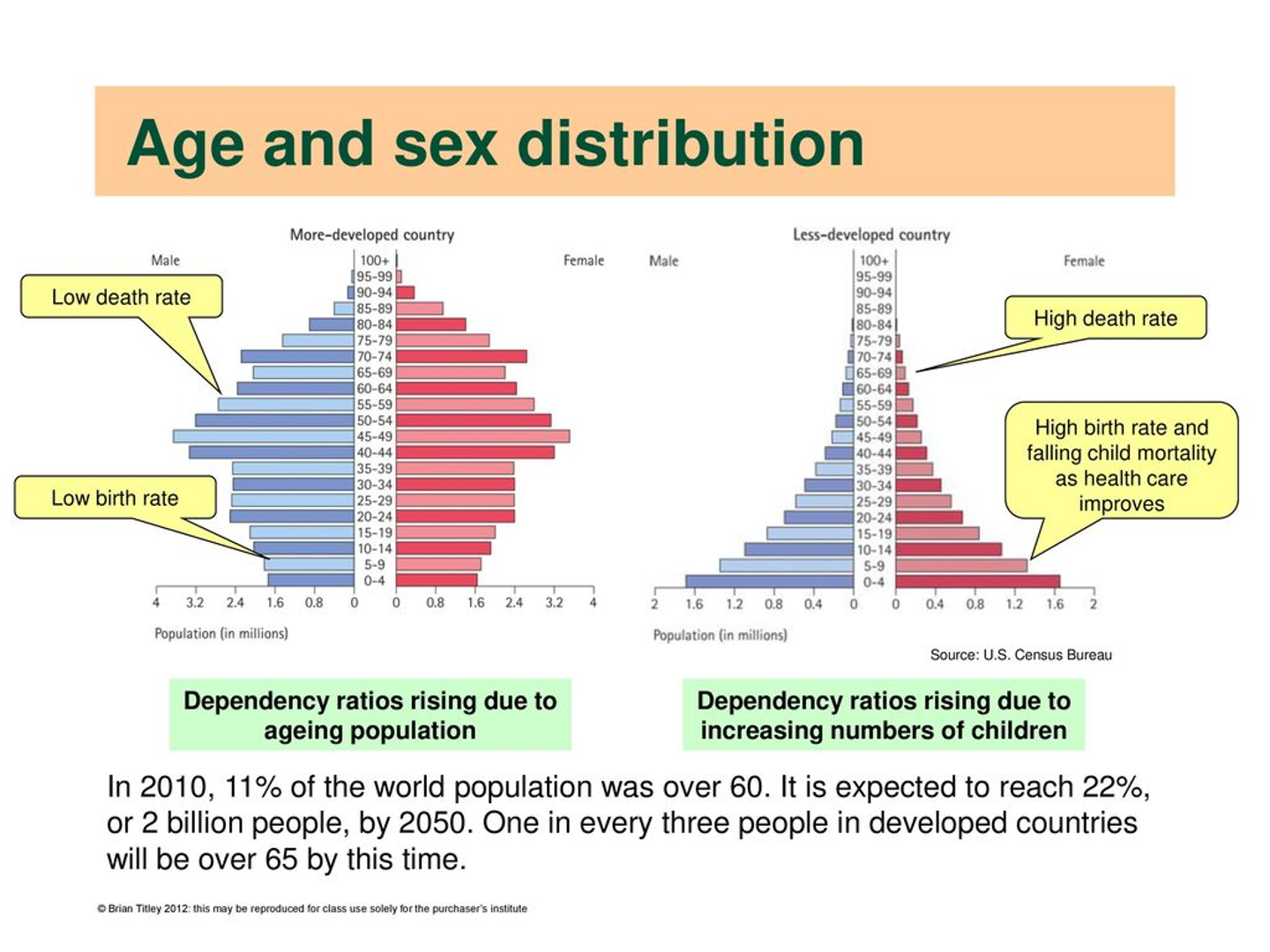
- High rates of population growth and dependency burden
- High and rising levels of unemployment
- Substantial dependence on agricultural production and primary sector products
- Imperfect markets and limited information
- Lack of functioning banking system, legal system, infrastructure
- Dominance, dependence and vulnerability in international relations
But there is a great diversity among developing countries
- Resources (oil, diamonds, copper)
- Historical background
- Geographic and demographic factors
- Ethnic and religious background
- The structure of the industry
- Per capita income levels
- Political structure
Does economic growth lead to economic development?
The outcome of higher levels of economic growth:
- Higher-income
- Improved economic indicators of welfare
- Life expectancy
- Literacy rates
- Higher government revenues
- Creation of inequality
- Negative externalities and lack of sustainability
Dependency ratio
(% of population under 15) + (% of population over 64) / % population 15 - 64
Sustainable development
- “development that meets the needs of the present without compromising the ability of future generations to meet their own needs”
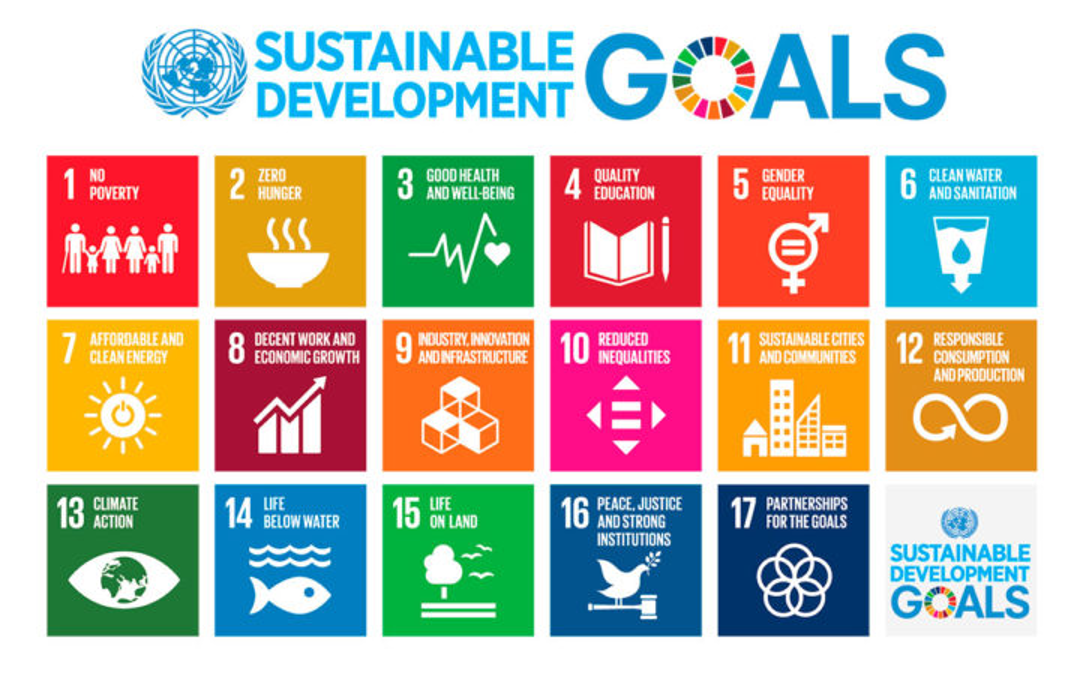
Sustainable development goals
https://www.un.org/sustainabledevelopment/development-agenda/
What is the relationship between sustainability and poverty?
- To meet their basic needs, poor people rely more on the environment than rich people
- Poor people are trapped in a vicious circle that will result in the overuse of resources
- Deforestation
- Poor people do not own their land
- Poor people are more vulnerable to floods
Key terms:
Development - measures improvements in individual freedom, reducing poverty as well as the provision of public services – education, health care and the maintenance of law and order. Economic development is measured by the HDI (human development index).
Sustainable development goals - 17 life-changing goals, outlined by the UN in 2015. These global goals, also known as the Sustainable Development Goals (SDGs), including ending extreme poverty, giving people better healthcare, and achieving equality for women.