Limiting factors of photosynthesis
Requirements for photosynthesis
photosynthetic pigments
eg. chlorophyll
absorb light energy
carbon dioxide
provides carbon to make glucose
water
provides electrons and is a source of hydrogen ions
light
provides energy to:
split water
produce ATP
reduce NADP
suitable temperature
provides kinetic energy
Limiting factors
light intensity
carbon dioxide concentration
temperature
Light intensity
low light intensity
limits the light dependent stage so not much ATP and reduced NADP produced
less electrons are excited
slows the light dependent stage
rate of photosynthesis is low
intermediate light intensity
produces more ATP and reduced NADP in the light dependent stage
more electrons excited
photophosphorylation increases
in turn regenerates RuBP in light independent stage more quickly
more GP is converted to TP
rate of photosynthesis increases
very high light intensity
more light than needed
another factor becomes limiting
rate plateaus

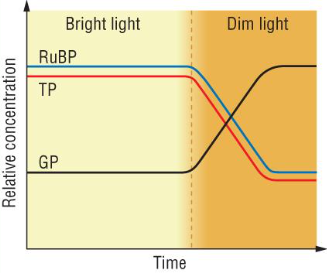
Carbon dioxide concentration
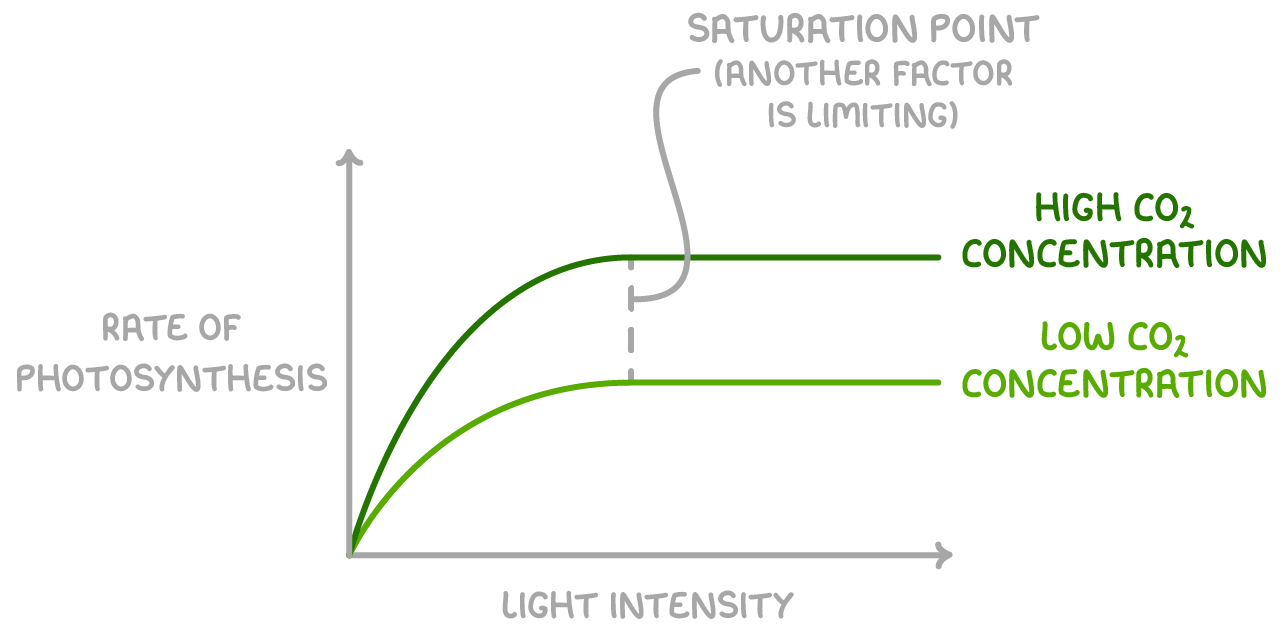
low CO2 concentration
limits light independent reaction as less CO2 is fixed
reduces production if GP and TP
rate of photosynthesis is low
intermediate CO2 concentration
allows faster production of GP and TP
rate of photosynthesis increases
high CO2 concentration
another factor becomes limiting
graph plateaus
saturation point
Temperature
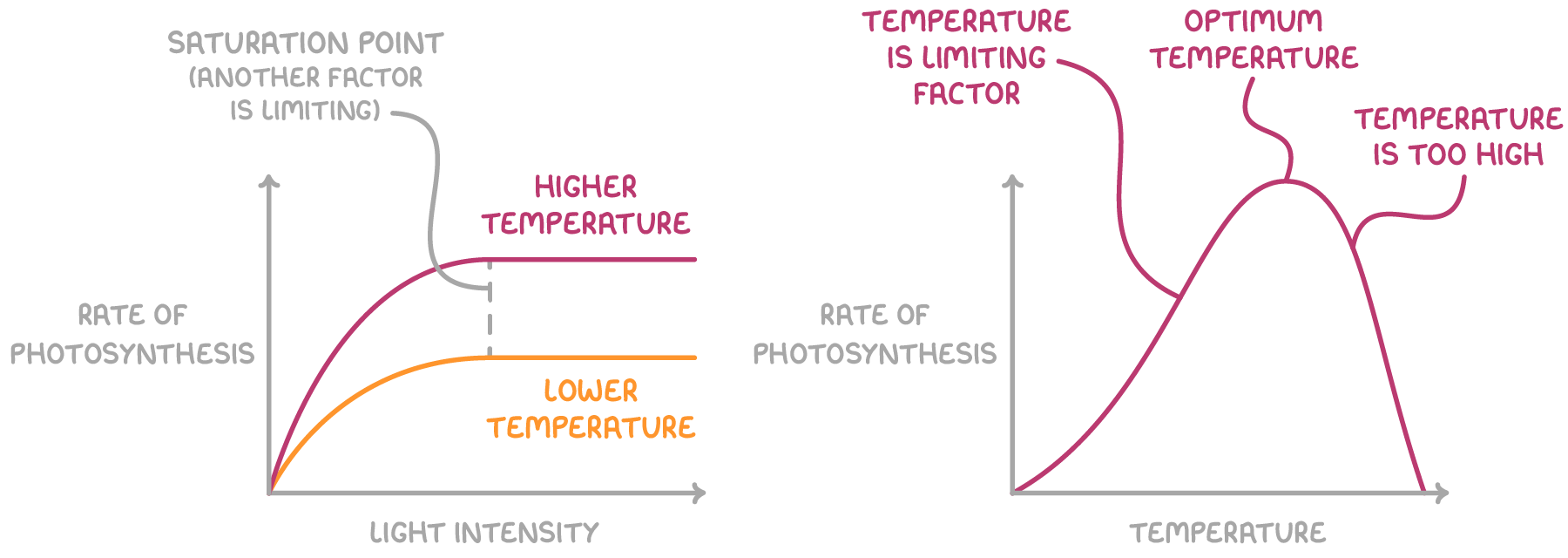
low temperature
provides little kinetic energy
slows enzyme catalysed stages
fixation of CO2 controlled by rubisco
rate of photosynthesis is low
intermediate temperature
increases kinetic energy supplied to these reactions
increases rate of photosynthesis up to optimum
very high temperature
denatures enzymes
rate of photosynthesis drops sharply
Water stress
when water is scarce - stomata close to prevent water loss
can cause leaves to wilt
severe water loss can halt photosynthesis completely