Arthritis and Orthopedic Conditions
Normal Bone Health
The body maintains healthy bone by a process of repair called remodeling
driven by two types of bone cells:
Osteoclasts~ responsible for removing (resorption) of old existing bone
Osteoblasts~ responsible for forming new bone
A balance between the activities of osteoclasts and osteoblasts keeps the overall mass of bone in the body constant.
Healthy Articular Joint Anatomy
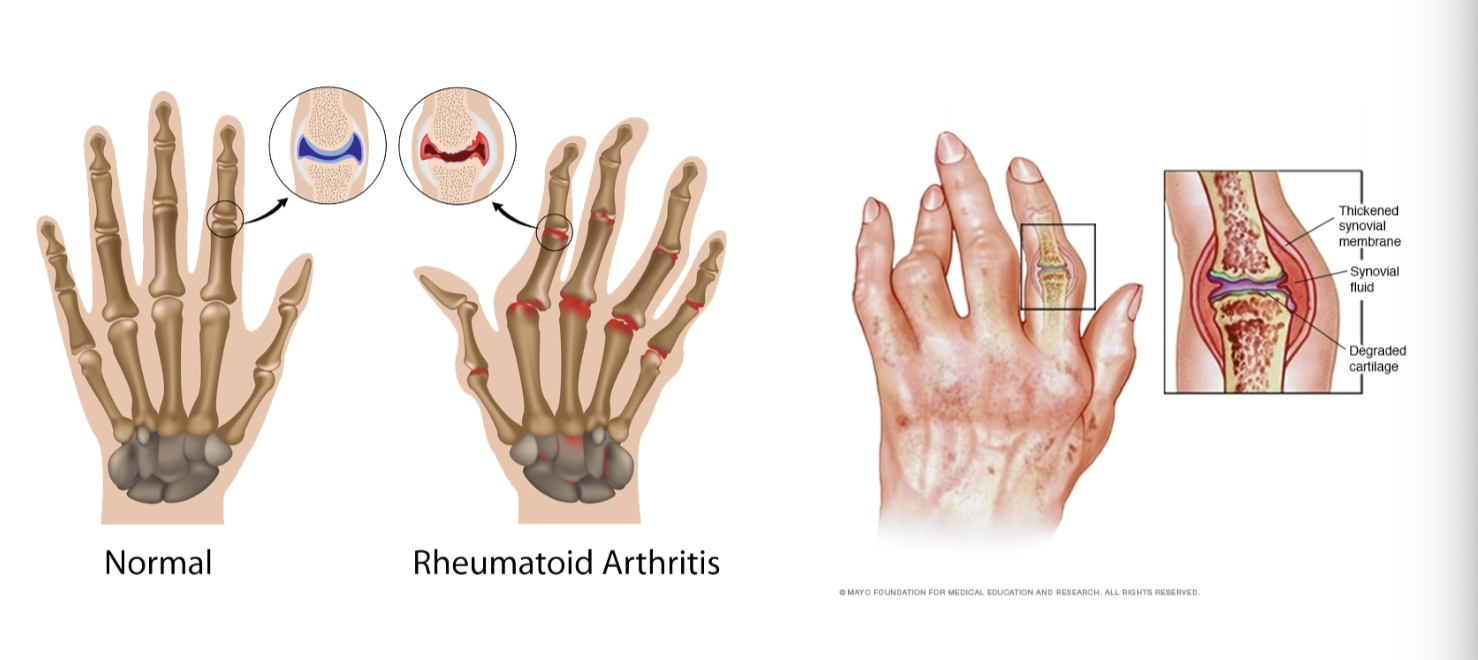
Rheumatoid Arthritis (RA)
RA is an auto-immune disease in which the body’s immune system (the body’s way of of fighting infection) attacks healthy joints, tissues, and organs- heart, lungs, gastrointestinal system.
Most often in women of childbearing age, this disease inflames the lining (or synovium) of joints (2-3x more women)
Can happen at any age, primarily between 25-45 years crippling disability that impairs a person’s ability to stay active and independent and may shorten a person’s lifespan.
Pain, stiffness, swelling, and loss of function in joints
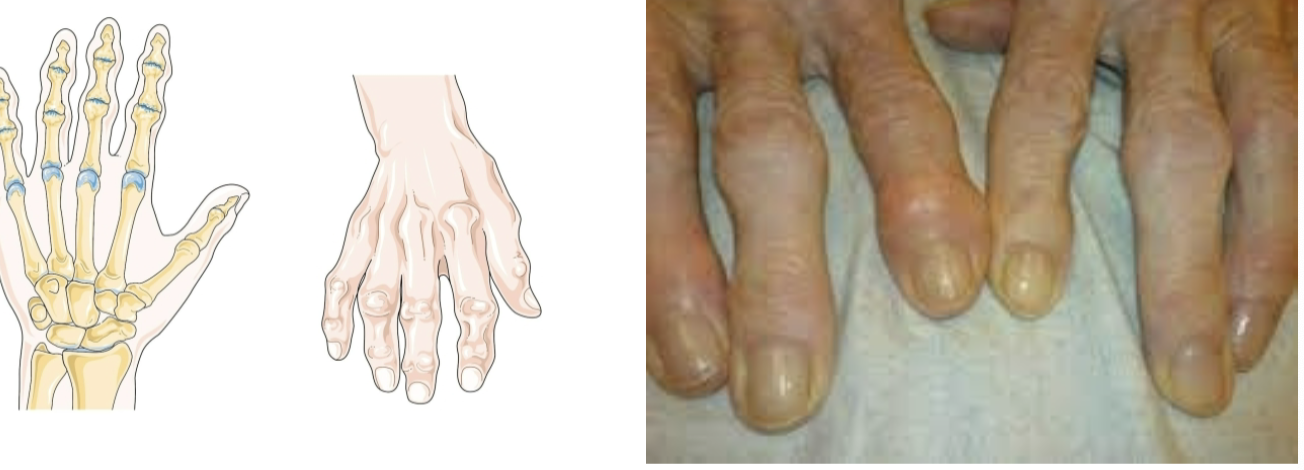
Severe RA can deform/change, a joint
Affects mostly joints of the hands and feet and tends to be symmetrical (no other form of arthritis is symmetrical.)
RA is one of more than 100 forms of arthritis affecting millions of Americans
Other RA Deformities
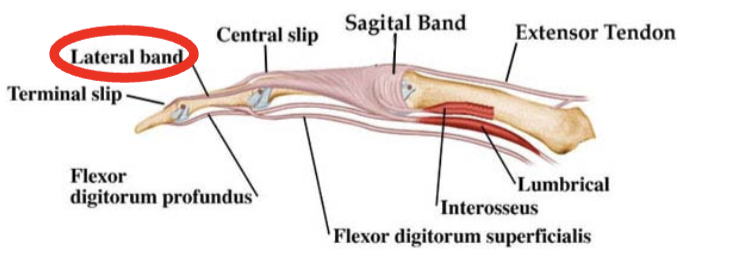
Swan neck- PIP hyperextension, DIP flexion
Dorsal migration of the lateral bands
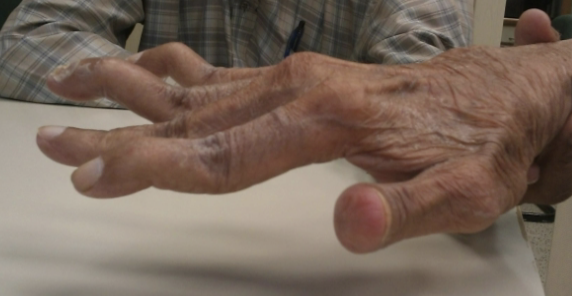
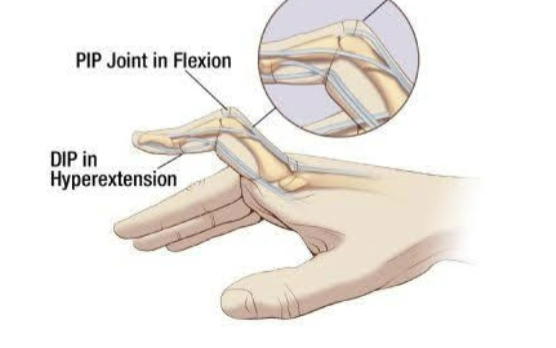
Boutonniere Deformity
PIP flexion, DIP hyperextension
Lateral bands migrate volar
Diagnosis and Treatment
Diagnosis
2 main test: Rheumatoid Factor and anti-cyclic citrullinated peptide (anti-CCP)
Medial history- patient narrative; physical exam; blood test, imaging tests
Medications: Pain-relieving medications such as NSAIDs, DMARDS, COX-2 inhibitors and opioids may be prescribed. Topical medications such as ointments can be applied over the skin where there is pain. If the pain is very severe, corticosteroid injection can be given directly into the affected joint to ease the painn.
Surgery: joint replacement
Therapy
exercises to keep joints flexible and improve muscle strength
applying heat to affected joints for temporary pain relief
lifestyle modifications to control weight and avoid extra stress on the weight-bearing joints
AE
RA Increases the Risk of Cardiovascular Disease
Rheumatoid arthritis, a systemic disease which damages more than joints, can also affect internal organs such as the heart, lungs, liver, or vascular system.
RA has been associated with cardiovascular disease, heart failure, lung disease, eye disorders, fibromyalgia, depression, and more.
Patients with RA need to attend to their cardiovascular health by controlling high cholesterol, eating a heart-healthy balanced diet, and getting regular exercise.
Heart disease is the leading cause of death among people diagnosed with RA.
Rheumatoid Arthritis= Bone Loss
The inflammatory process that occurs in RA increases the risk of bone loss and fractures.
Severity of inflammation
Duration of disease
Goals for RA
Stop inflammation (put disease in remission)
Relieve symptoms
Prevent joint and organ damage
Improve physical function and overall well-being
Reduce long-term complications
Control inflammation
Increased amount of calcium
Rheumatoid Arthritis= Osteoporosis
Osteoporosis, with increased risk of fracture, commonly affects women with RA
This is especially true as this group reaches menopause and during the post-menopausal years, when the risk for osteoporosis is normally the highest.
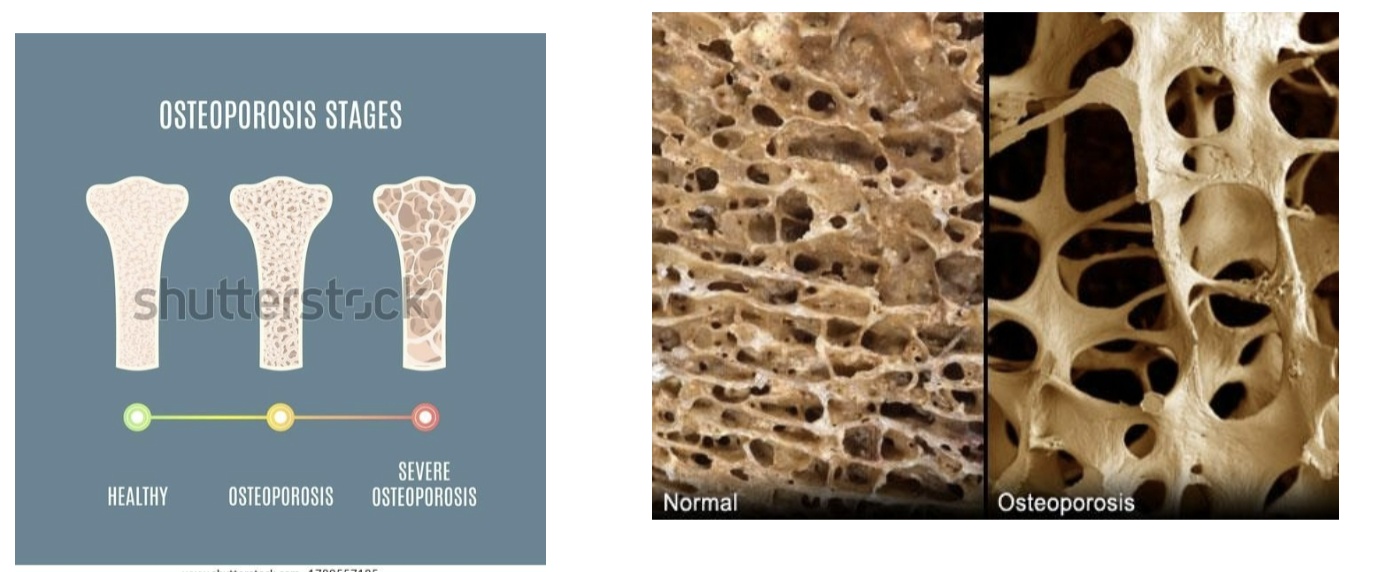
Osteoporosis is a condition in which the bones become less dense and more likely to fracture.
In the United States, more than 53 million people either already have osteoporosis or are at high risk due to low bone mass.
Gout
Metabolic syndrome
Most common form of arthritis
Crystalline form of inflammatory arthritis
First appearance= significant pain in MTP of big toe
Related to how the body metabolizes food
Will have periods of flare ups and remissions
Associated with “rich man’s diet”- high in purins (like organ meats)
AMAB are 3x more likely to develop gout
African American AMAB more likely than Caucasian AMAB
Signs and symptoms
Increases with age
Increases medication utilization and cost
Interconnected to other diseased
Maintained by medication but not well controlled in US
Diagnosed through physical exam, medical history, and lab/blood work
imaging can also be used for more severe and chronic forms of gout
Presence of uric acid crystals in synovial fluid and elevated leukocytes and neutrophils
Episodic an chronic components
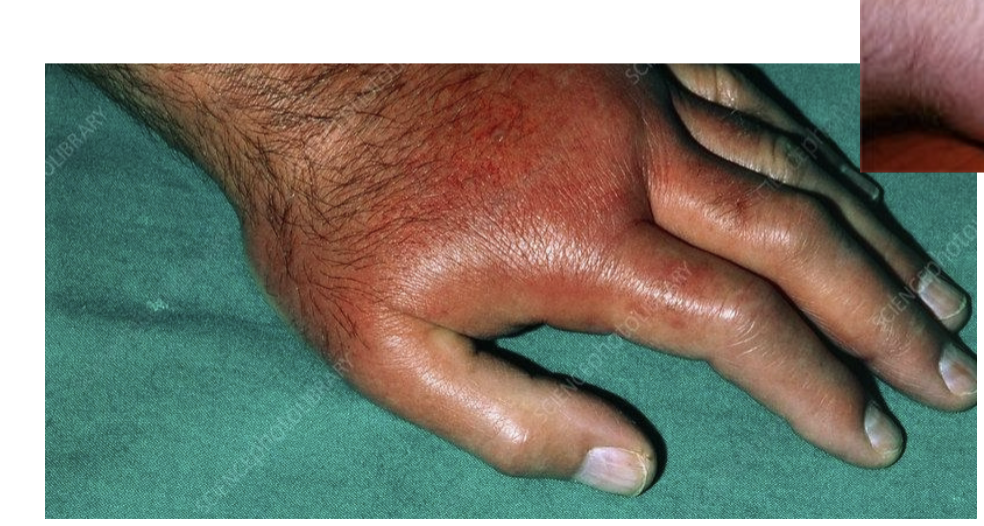
A form of inflammatory arthritis, and some people have high levels of uric acid in the blood. The acid can form needle-like crystals in a joint and cause sudden, severe episodes of pain, tenderness, redness, warmth and swelling
Stages of Gout:
Asymptomatic hyperuricemia is the period prior to the first gout attack
Acute gout, or a gout attack, happens when something (such as a night of drinking) causes uric acid levels to spike or jostles the crystals that have formed in a joint, triggering the attack.
Interval gout is the time between attacks.
Chronic gout develops in people with gout whose uric acid levels remain high over a number of years.
Prevalence: Occurs in about 4% of American adults- about 6 million men and 2 million women. Experts believe natural estrogen protects women up to that point
Gout Risk Factors
Genes: if family members have gout, you’re more likely to develop it.
Other health conditions: high cholesterol, high blood pressure, diabetes and heart disease may raise your risk.
Medications: Diuretic medications or “water pills” taken for high blood pressure can raise uric acid levels: so can some drugs that suppress the immune system taken by rheumatoid arthritis and psoriasis patients, as well as transplant recipients.
Diet: eating red meat and shellfish increases your risk.
Alcohol: for most people, more than two liquor drinks or two beers a day can increase the risk of gout.
Sodas: the fructose in sweet sodas has recently been shown to increase gout risk.
Obesity: obese people are at a higher risk for gout, and they tend to develop it at a younger age than people of normal weight.
Bypass surgery: those who have undergone gastric bypass surgery have an increased risk.
Lupus
Systemic lupus erythematosus
pain and inflammation in any part of the body
autoimmune disease
symptoms can come and go and vary in severity
autoimmune disease that does not have an etiology but has contributing factors
more common in AFAB (a lot of research being done with association with estrogen)
runs in families
health disparities can impact severity of disease presentation and reduced QoL.
Symptoms:
severe and prolonged fatigue
stiffness and pain in hands, wrists, elbows, and knees
Other symptoms:
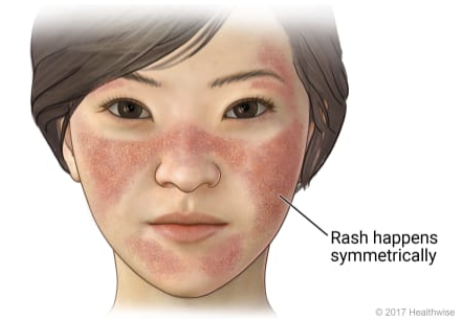
butterfly rash across nose and cheeks
fever
sunlight sensitivity
Raynaud’s phenomenon
mouth sores
swollen glands
swelling in legs and around eyes
cough
Lupus Nephritis
inflammation of NS
inflammation of blood vessels
hardening of arteries
Skin inflammation
Diagnosing lupus can take an average of 6 years to be diagnosed
Typically requires:
review of symptoms
medical history
family history
lab tests
3 categories of classifications for lupus:
quiescent
stable
serious
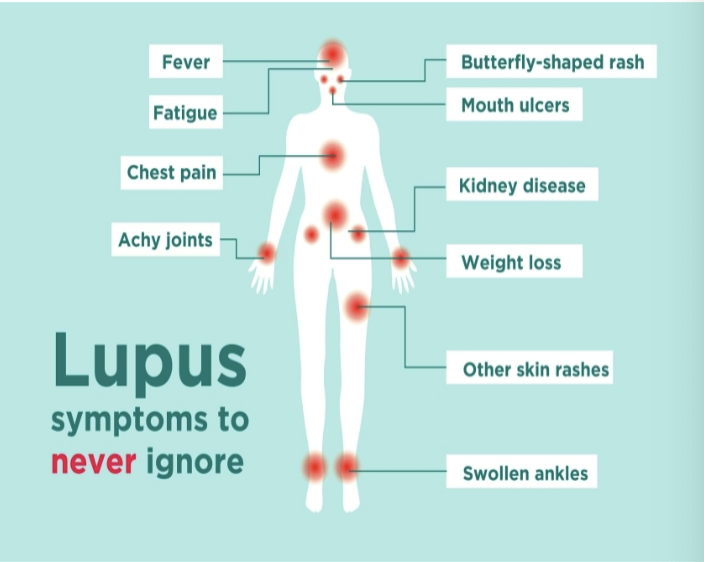
Lupus affects everyone differently. Mild to severe, life-threatening symptoms that appear suddenly.
Symptoms:
joint pain
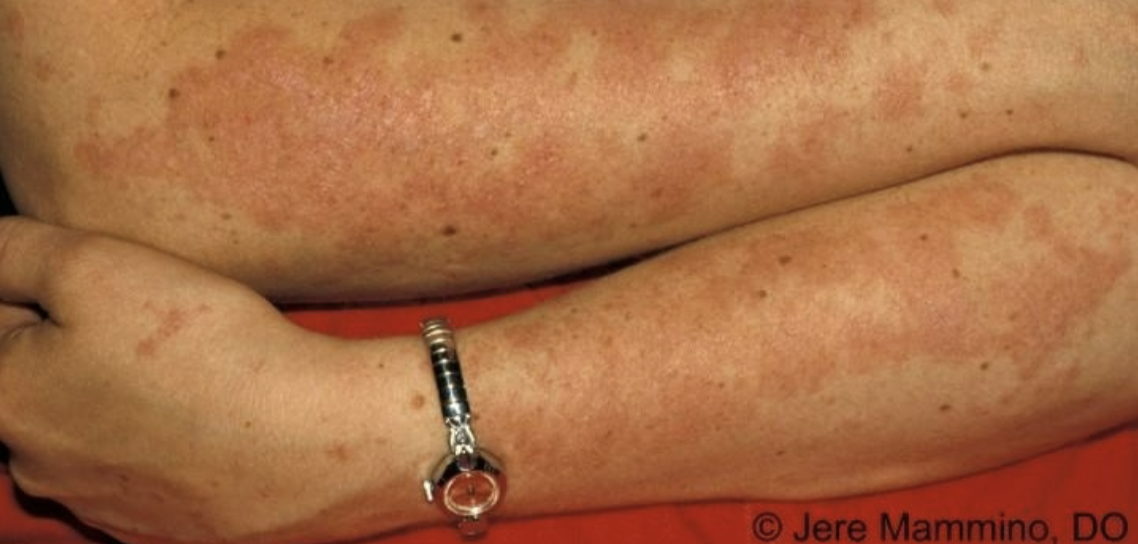
rash- one of the hallmarks of lupus is a malar rash, a butterfly-shaped rash that spans the cheeks and bridge of the nose and may resemble sunburn. Lupus can also cause a scaly, disk-shaped rash o the face, neck, ears, scalp and/or chest
hair loss
sensitivity to light
fatigue
trouble breathing
kidney problems
memory problems
mouth sores
blood disorders- anemia, low platelet count (thrombocytopenia), low WBC count, and blood clots (thrombosis).
Vaginal dryness, dry eyes, and dry mouth
Juvenile Idiopathic Arthritis
there are many juvenile onset of multiple different diseases (like lupus)
AKA Juvenile RA
Types of JIA:
Oligoarticular or pauciarticular JIA (most common type of arthritis in children under 16 years old)
Polyarticular JIA
Enthesitis-related arthritis (ERA)
Psoriatic JIA
Systemic JIA (still disease)
Some types can cause complications with growth, joint damage, and eye inflammation
Many other forms of juvenile inflammatory arthritic conditions
Has genetic and environmental factors play a role in JIA
Affects AFAB more than AMAB
more common in caucasian populations than African American populations
Signs and symptoms:
fever
joint swelling and stiffness
swollen lymph nodes
rash
Diagnosed through the rule out method
Fractures
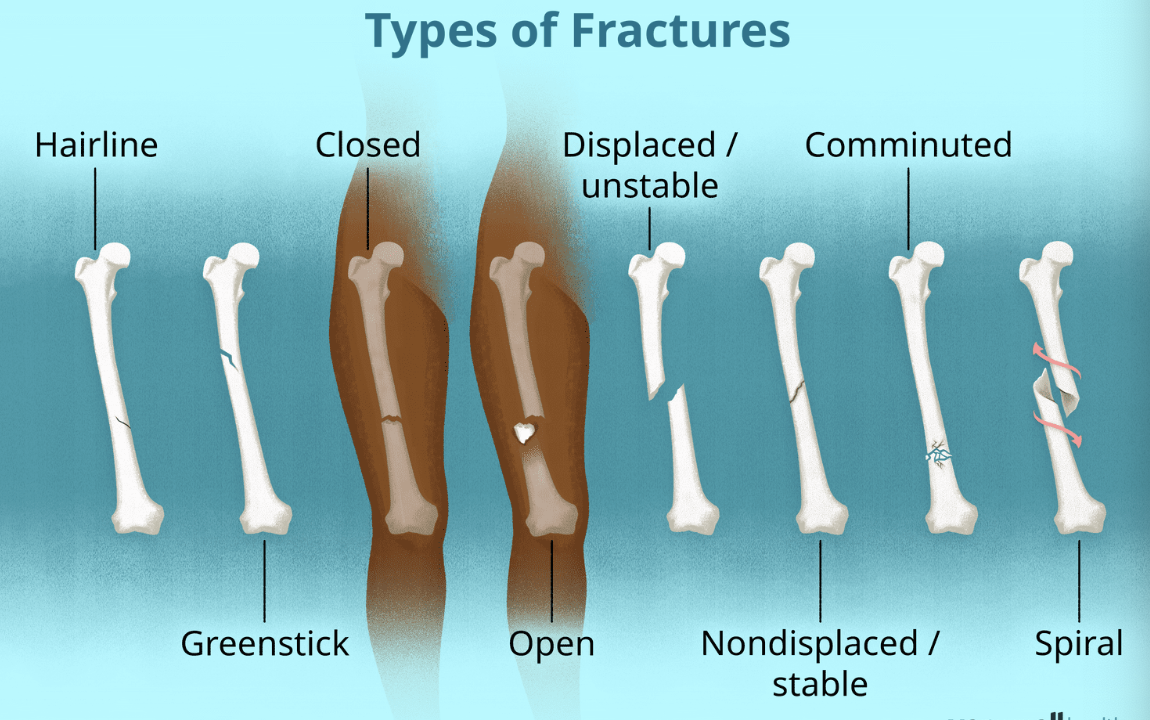
Caused by trauma or disease of bone or joint
2 factors to determine a fracture:
amount of force applied to bone
strength of the bone
As you age bone mass will decrease
Force applied can be from high energy, low energy, and/or chronic stress
Stress fractures most often result from overuse or repetitive stress on the bone. They often result from any increased amount or intensity of activity that occurs too rapidly to give the bone a chance to adjust. (more common in lower extremities)
Osteoarthritis= Most Common
Osteoarthritis is also called as degenerative joint disease
older adults
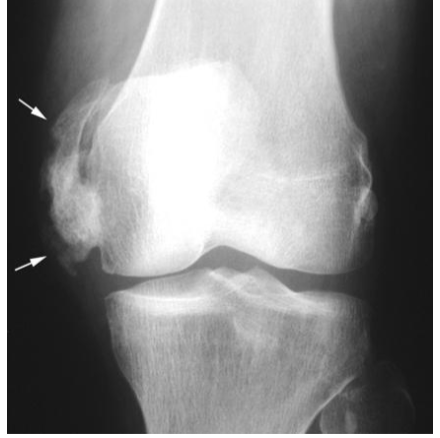
affects cartilage (the tissue that cushions and protects the ends of bones in a joint) - with osteoarthritis, the cartilage wears away over time
bone-on-bone contact
bones may also bulge, or stick out at the end of a joint= bone spur
joint pain and can limit ROM (the ability to freely move and bend a joint)
disability most often happens when the disease affects the spine, knees, and hips.
Other Ortho Conditions
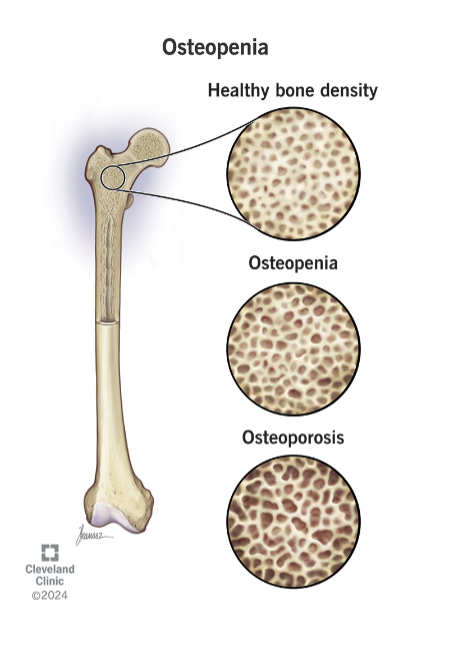
Osteopenia:
reversible bone weakness
decrease in bone ensity
precursor to osteporosis
Heterotopic Ossification:
abnormal bone formation in soft tissues
associated with traumatic injuries
can be painful and debilitating depending on the severity
Types of Fractures
Occupational Therapy: Arthritis
Joint protection
Adaptive Techniques/Equipment
Conditioning Programs/Exercise
Education
Community Programs/Exercise
Education
Community Mobility/Driving
Splints
Psychosocial/Coping/Sleep
Pain Reduction
ADL/IADL
Vocational/Workplace Assessments
Key Principles for Prevention of Joint Pain and Protection of Joints
Avoid forceful activities
Avoid tight grasps
Avoid using pressure side of thumb
Always use your largest joints
Use 2 hands for lifting instead of 1
Slide heavy items instead of carrying