Module 1: Reinforce and Recall
Module Practice Guide
Summary Statements
1) Anatomy and physiology are complementary fields of study. This is exemplified by the
principle of complementarity wherein a structure’s shape (anatomy) determines its
function (physiology).
2) Anatomy is the study of the structure of the body. While gross anatomy focuses on
visible structures, microscopic anatomy uses a microscope to study bodily structures.
3) The basic levels of organization in order are as follows: 1) chemical level → 2)
cellular level → 3) tissue level → 4) organ level → 5) organ system level → 6) organism
level.
4) Homeostasis, which involves maintaining a relatively stable internal environment, is
controlled by the nervous and endocrine systems. Homeostatic control mechanisms
have 3 components: the receptor (detects change), the control center (determines
balance state), and the effector (enables response). Each body system plays a role in
maintaining homeostasis.
5) In homeostasis, negative feedback systems are most common and involve increased
production of a product resulting in a decrease of the initial stimulus (e.g.,
thermoregulation). Positive feedback systems, or cascades, involve increasing the level
of the initial stimulus (e.g., blood clotting cascade).
6) Cells, the basic units of life, are necessary for maintenance of tissues, producing
molecules and proteins, and energy transfer. Eukaryotic cells, which are defined as
having a nucleus (most prominent organelle) and membrane-bound organelles, are the
building blocks of the human body. These cells also contain a cytoskeleton composed of
microtubules and microfilaments.
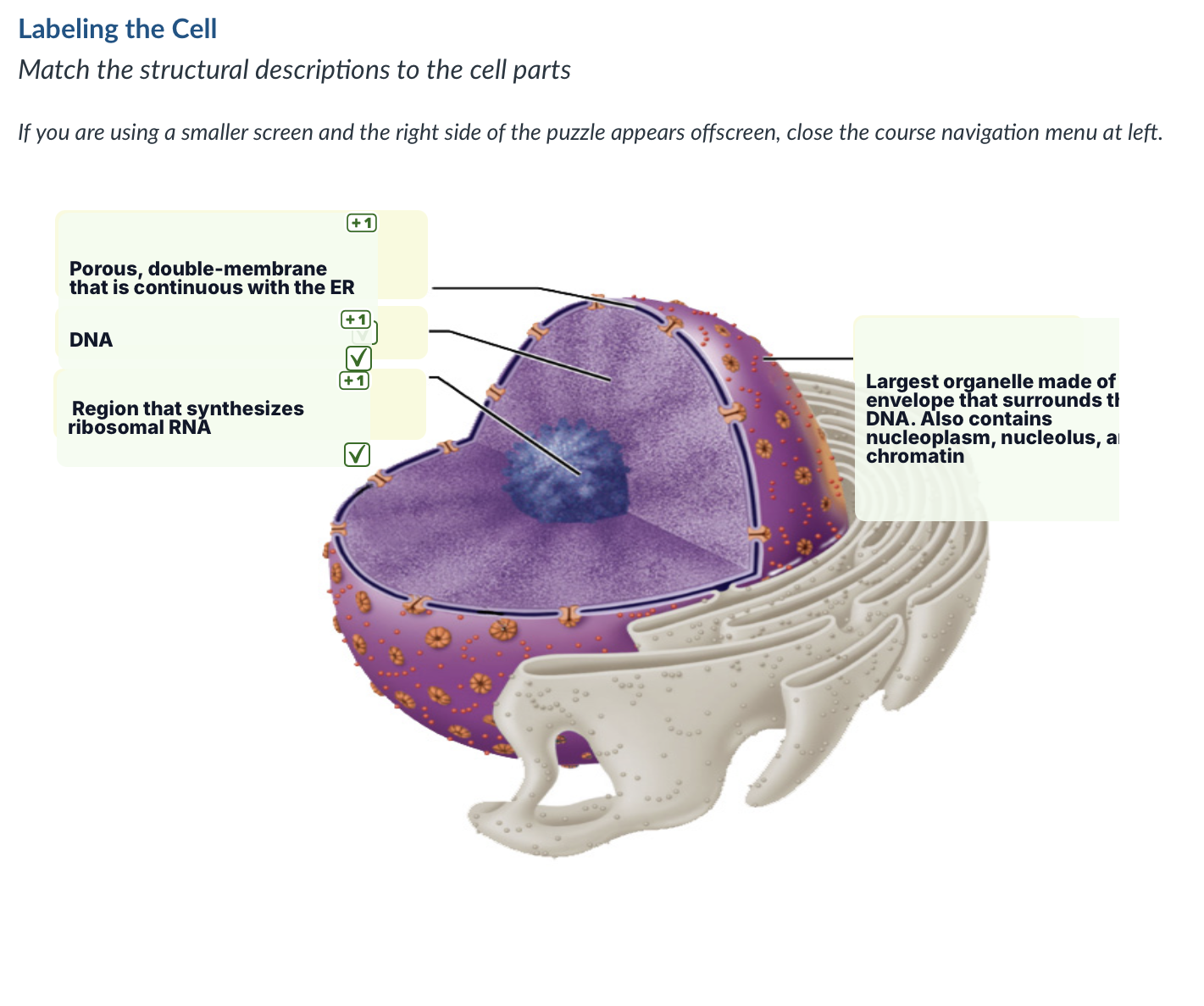
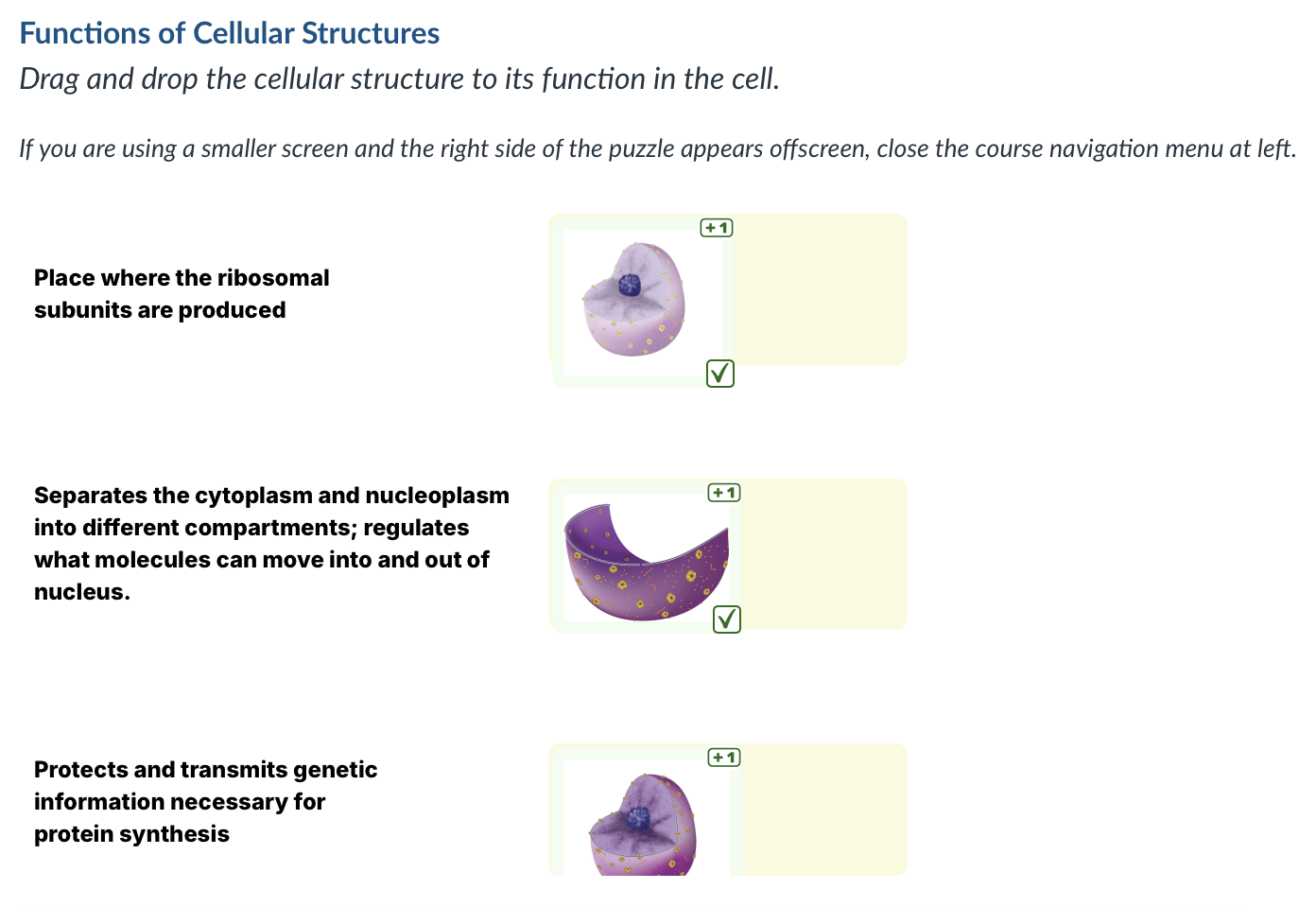
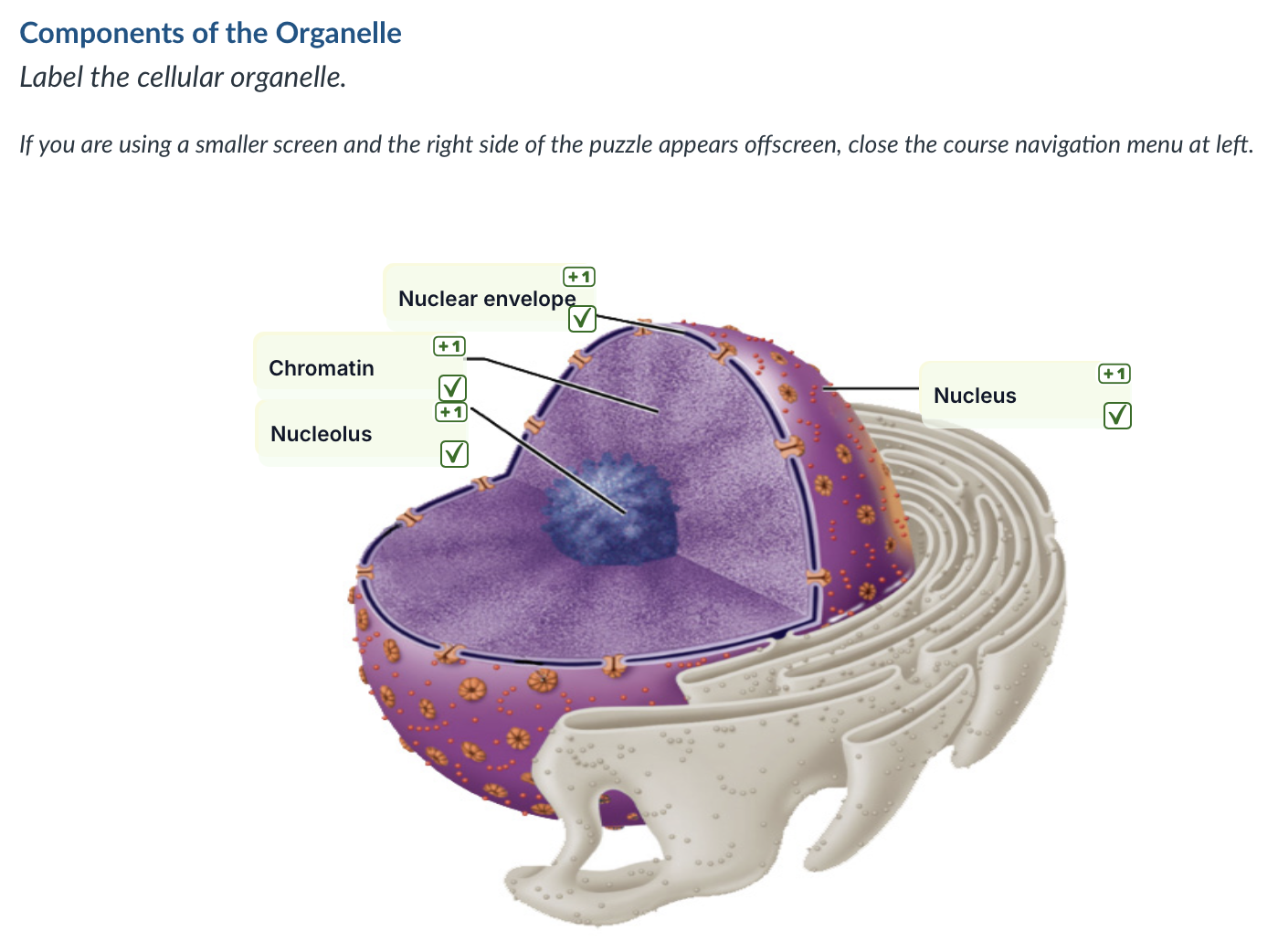
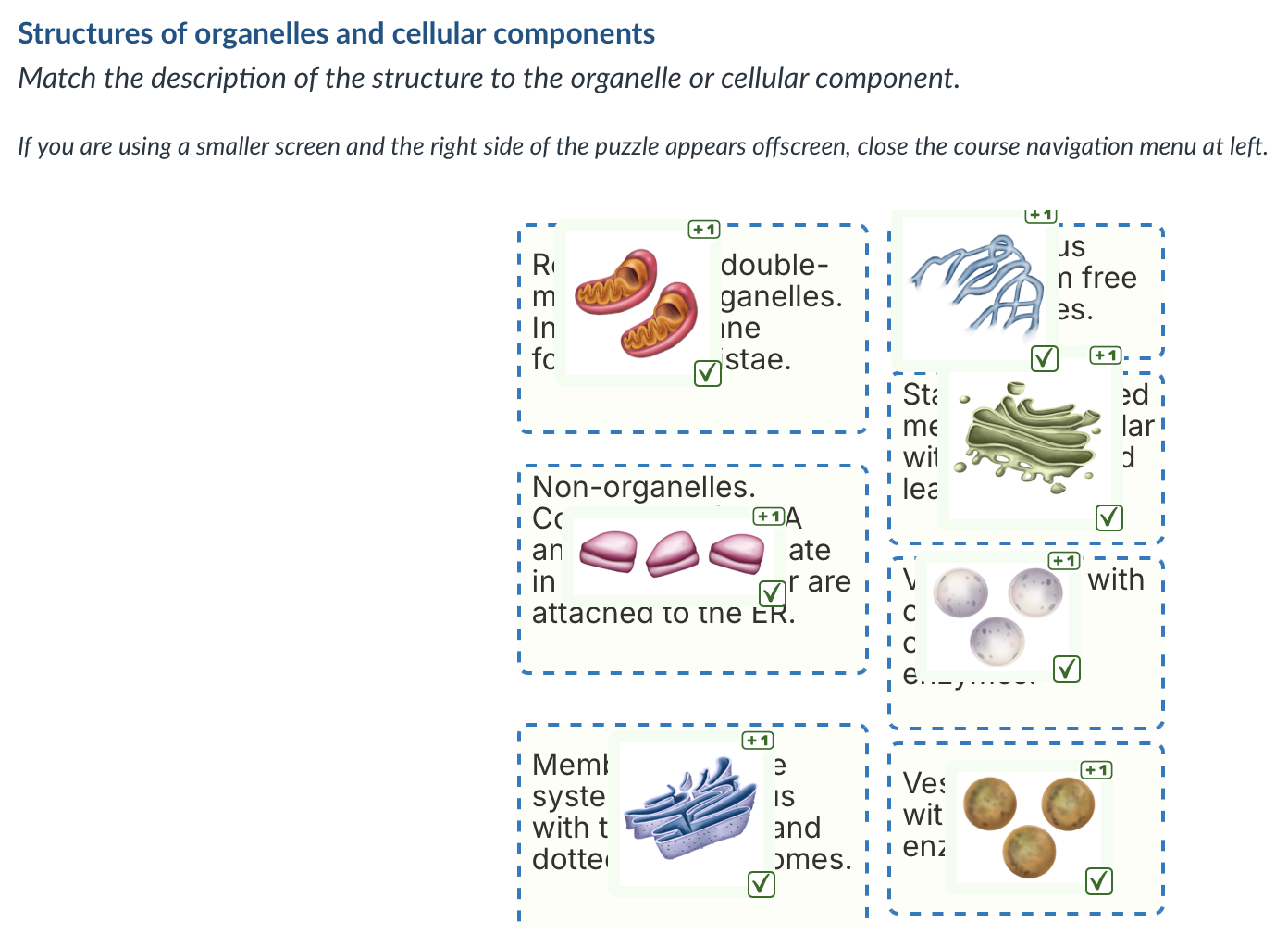
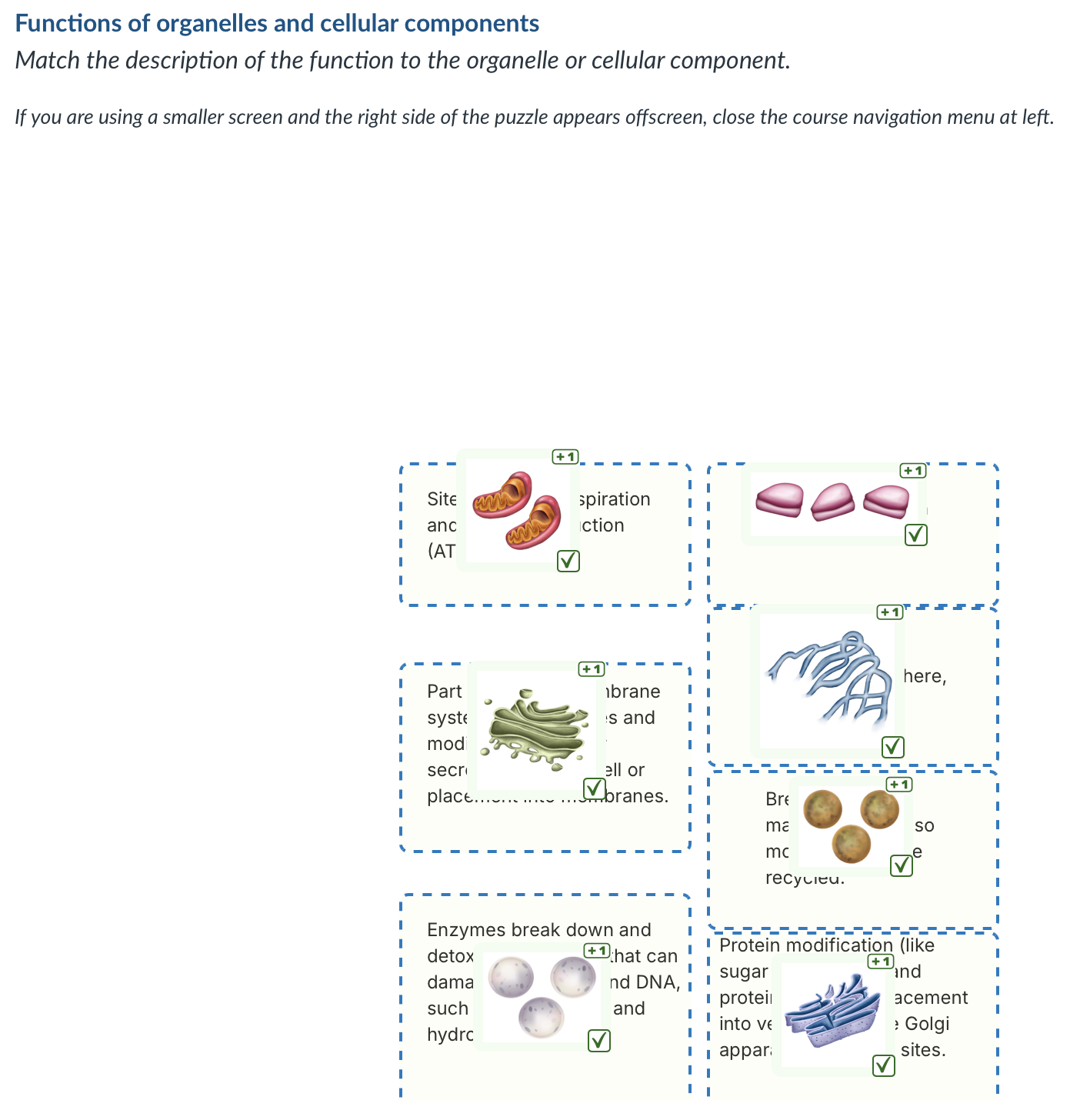
7) Organelles serve to carry out the functions of the cell. Several important organelles
include the following: nucleus (control center of cell), ribosomes (protein assembly),
endoplasmic reticulum (protein modification), Golgi complex (packaging of lipids and
proteins), lysosomes (digestive enzymes), proteasomes (protein disassembly), and
mitochondria (energy production).
8) Smaller cells have a greater surface area-to-volume ratio, which allows metabolic
processes to occur faster. Larger cells, on the other hand, have a small surface
area-to-volume ratio, slowing its metabolic rate.
9) The plasma membrane of cells is an asymmetric, dynamic barrier that is composed
of proteins and a bilayer of amphipathic phospholipids, which contain outwardly facing
hydrophilic (polar, “water-loving”) heads and inwardly facing hydrophobic (non-polar,
“water-hating”) tails.
10) The plasma membrane exhibits selective permeability, meaning only certain
materials may cross the barrier. Generally, nutrients move into the cell and wasters
move out of the cell. The 3 methods that particles cross a selectively permeable
membrane are diffusion (movement of small molecules from high concentration → low
concentration), active transport (particle movement against the concentration gradient
that requires energy), and vesicular transport (exocytosis, endocytosis, and
phagocytosis).
11) Anabolism, which involves synthesis of structures and require energy, and
catabolism, which involves breakdown of structures and release of energy, are types of
metabolism. Metabolic reactions allow the body to function.
12) Energy, or the ability to do work, exists in several forms in the human body. Potential
energy is stored energy, whereas kinetic energy is the energy of motion. Chemical
energy is the energy that is stored in chemical bonds, and electrical energy is produced
from charged particles moving. Electromagnetic, or radiant energy travels in
waves/light. The cell’s main source of energy is ATP, which is produced typically using
aerobic pathways, such as cellular respiration.
13) Decomposition reactions (e.g., hydrolysis, food digestion), which break molecules
into smaller components, and synthesis reactions (e.g. dehydration), which combine
smaller molecules to make larger molecules, are chemical reactions that are typical in
the body that allow rearrangement of the atomic structure of molecules.
Suggestions for Study Strategies
1) Explain the differences between anatomy and physiology and how they complement
each other.
2) List the order of the basic levels of organization of the human body.
3) Write out the basic components of the general homeostatic balance mechanism and
their roles.
4) List the roles of the various organ systems in homeostasis.
5) Be able to identify the major organelles of eukaryotic cells and their functions.
6) Explain the relationship between cell size and metabolic rate.
7) Explain the structure and function of the cell membrane. Label the parts of the cell
membrane on a diagram. What does it mean when we say that the membrane is
selectively permeable?
8) Be able to describe each of the 3 methods by which particles cross the cell
membrane.
9) Explain the types of metabolism and chemical reactions that the body uses and the
types of energy present in the body.
10) Describe the roles of the major elements and molecules essential for life.
Laboratory Practice Guide
Summary Statements
1) The anatomical position is a standard reference point in anatomy where the body is
upright, facing forward, with arms at the sides and palms facing forward.
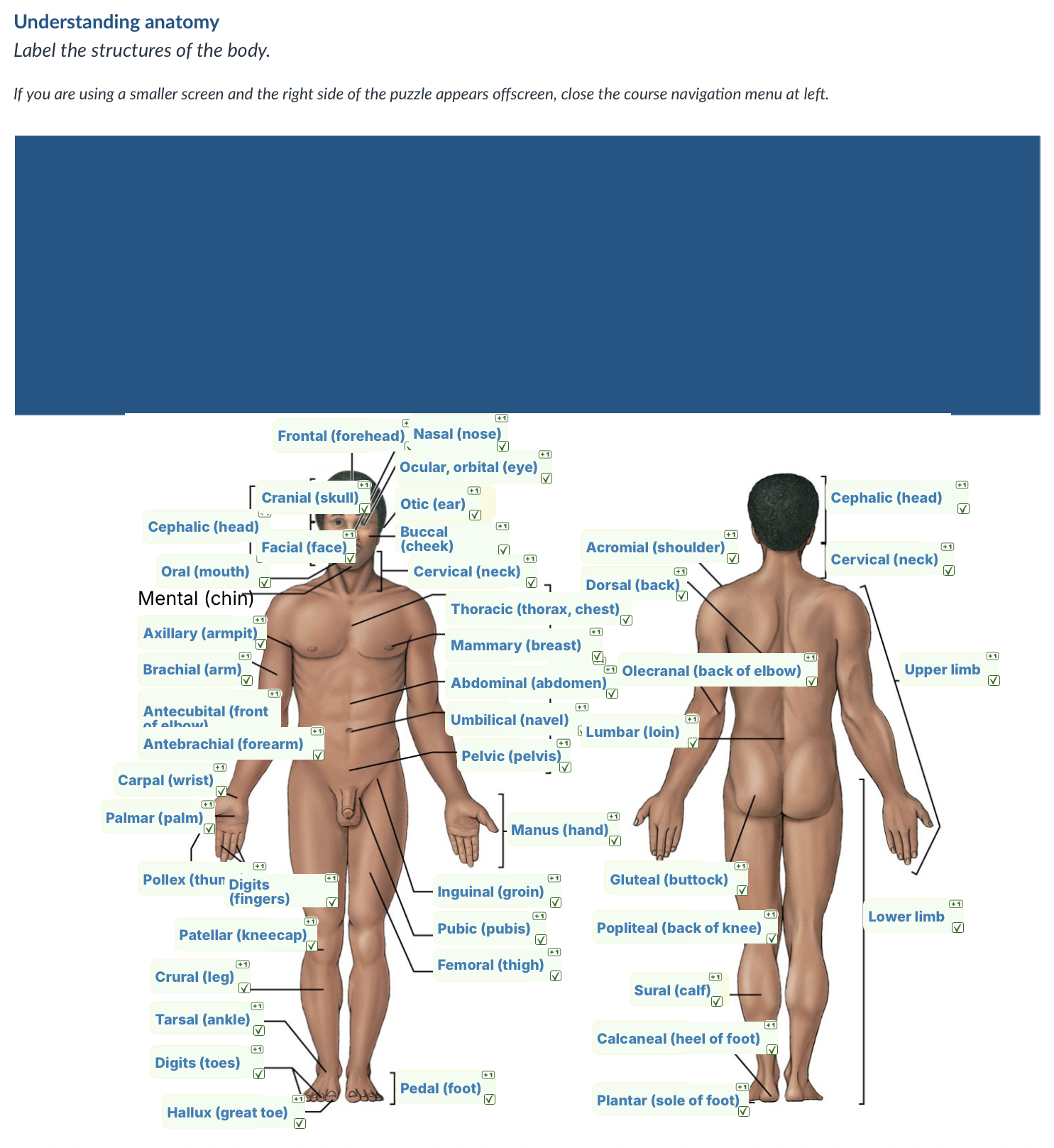
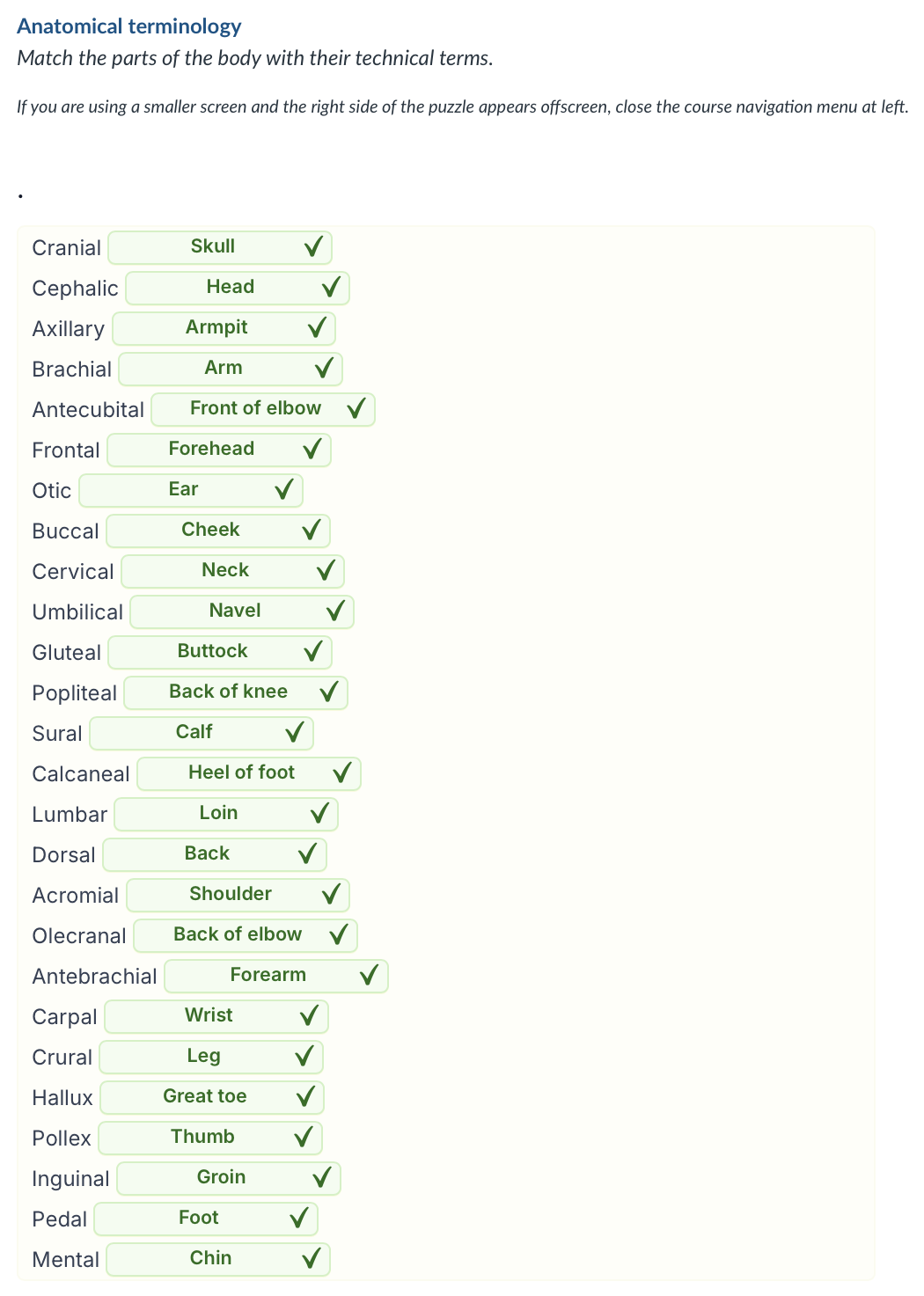
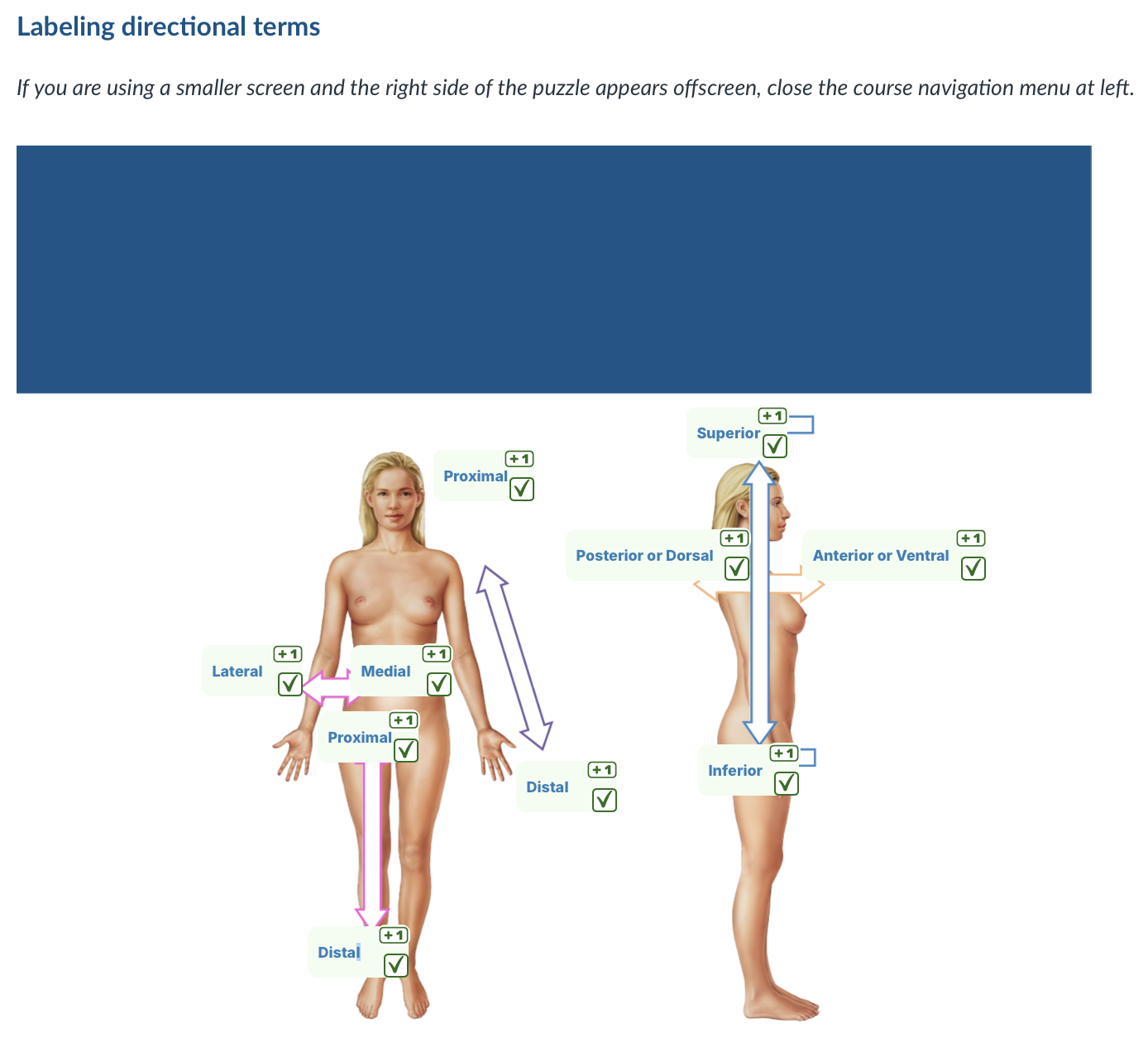
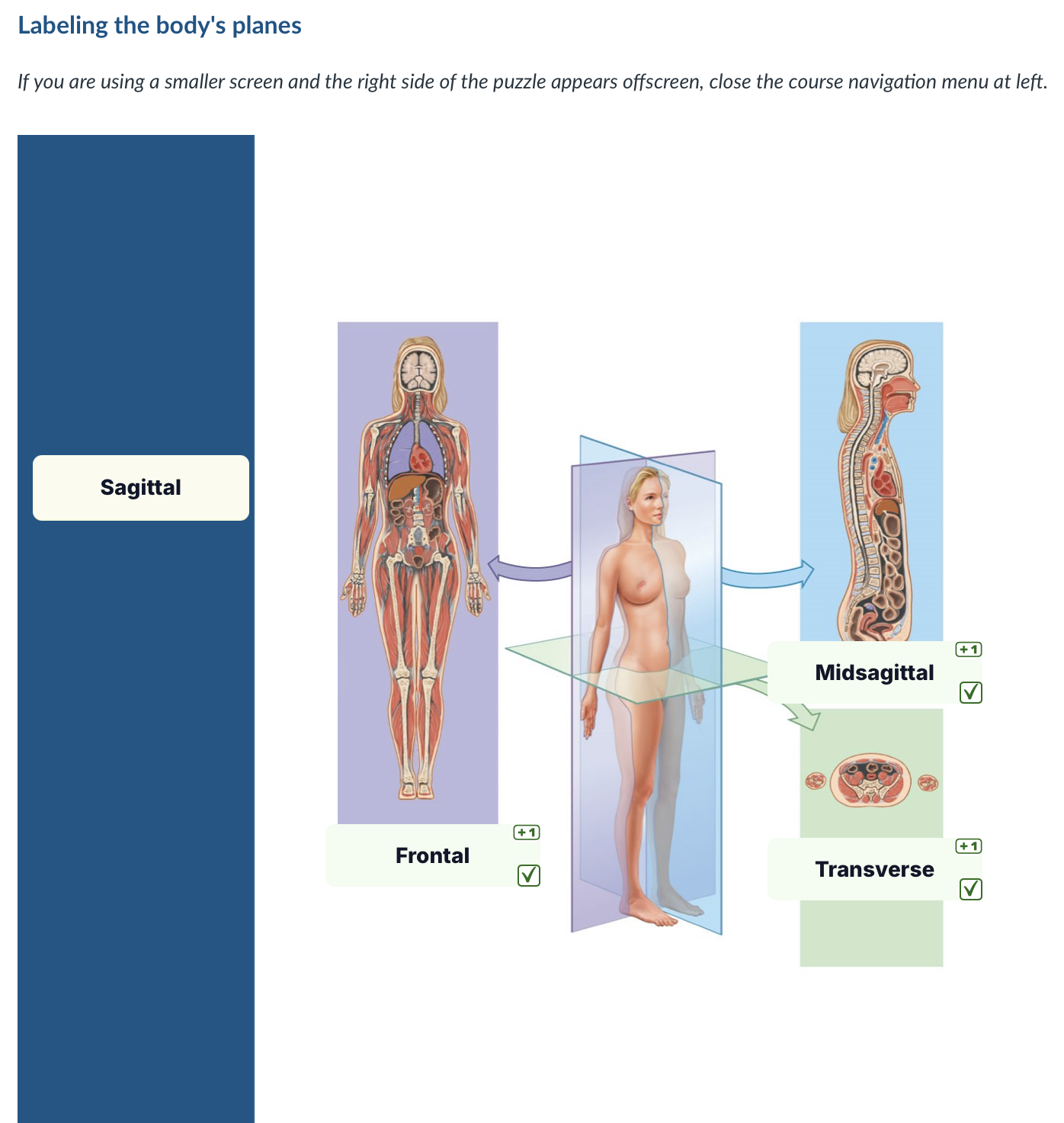
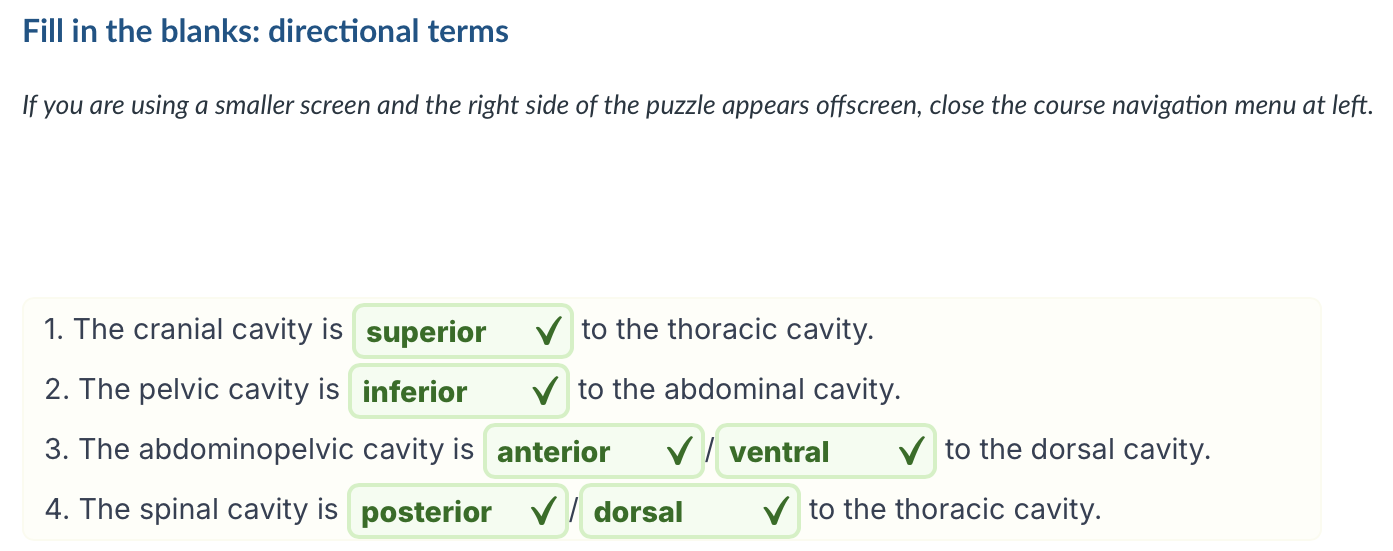
2) Surface Anatomy, Directionality, and Planes: Anatomical vocabulary includes terms
for surface landmarks, directional terms, and body planes, which help in accurately
describing the locations and movements of body parts in relation to each other. This
vocabulary is extensive and is given in the lab manual.
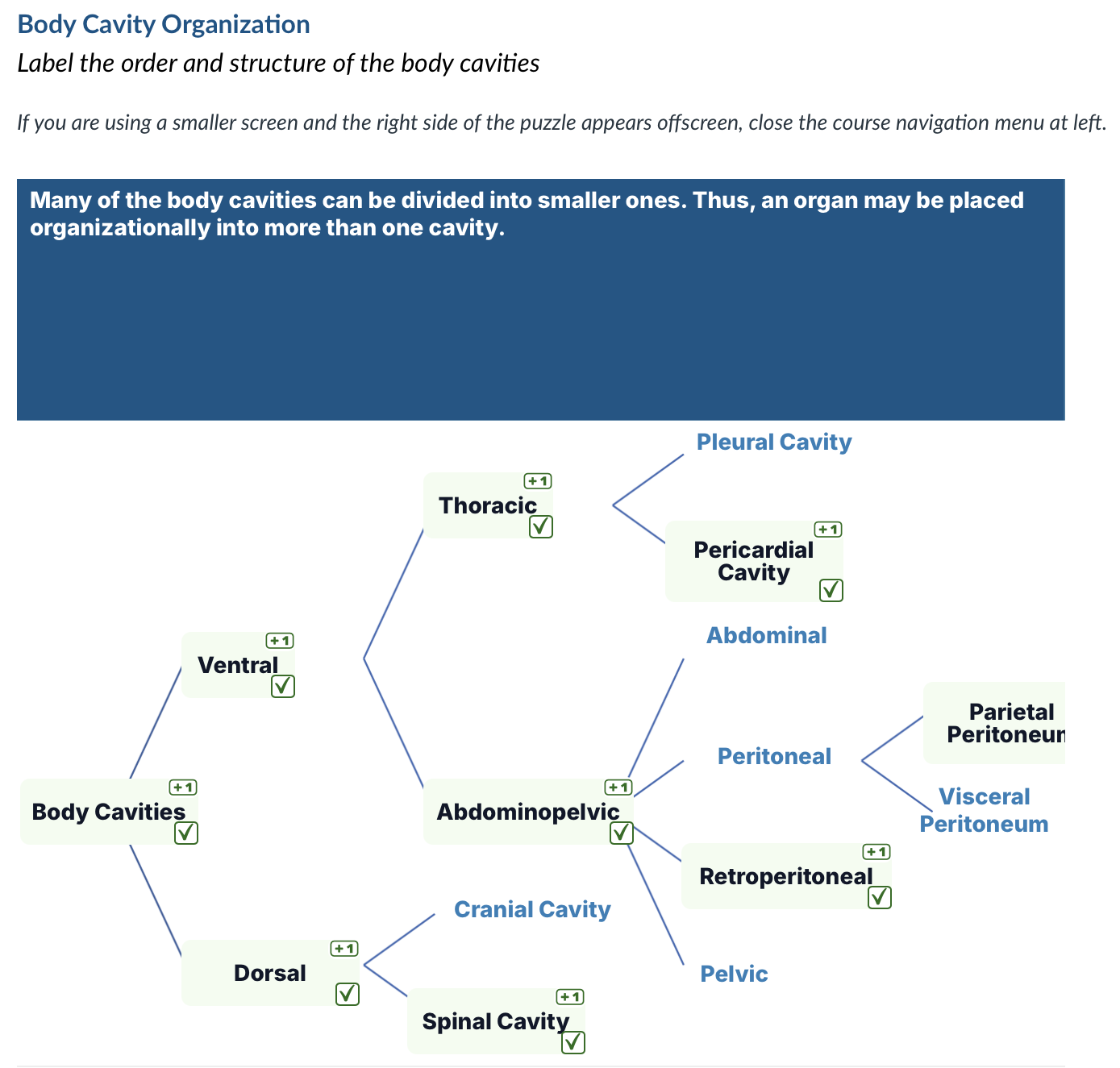
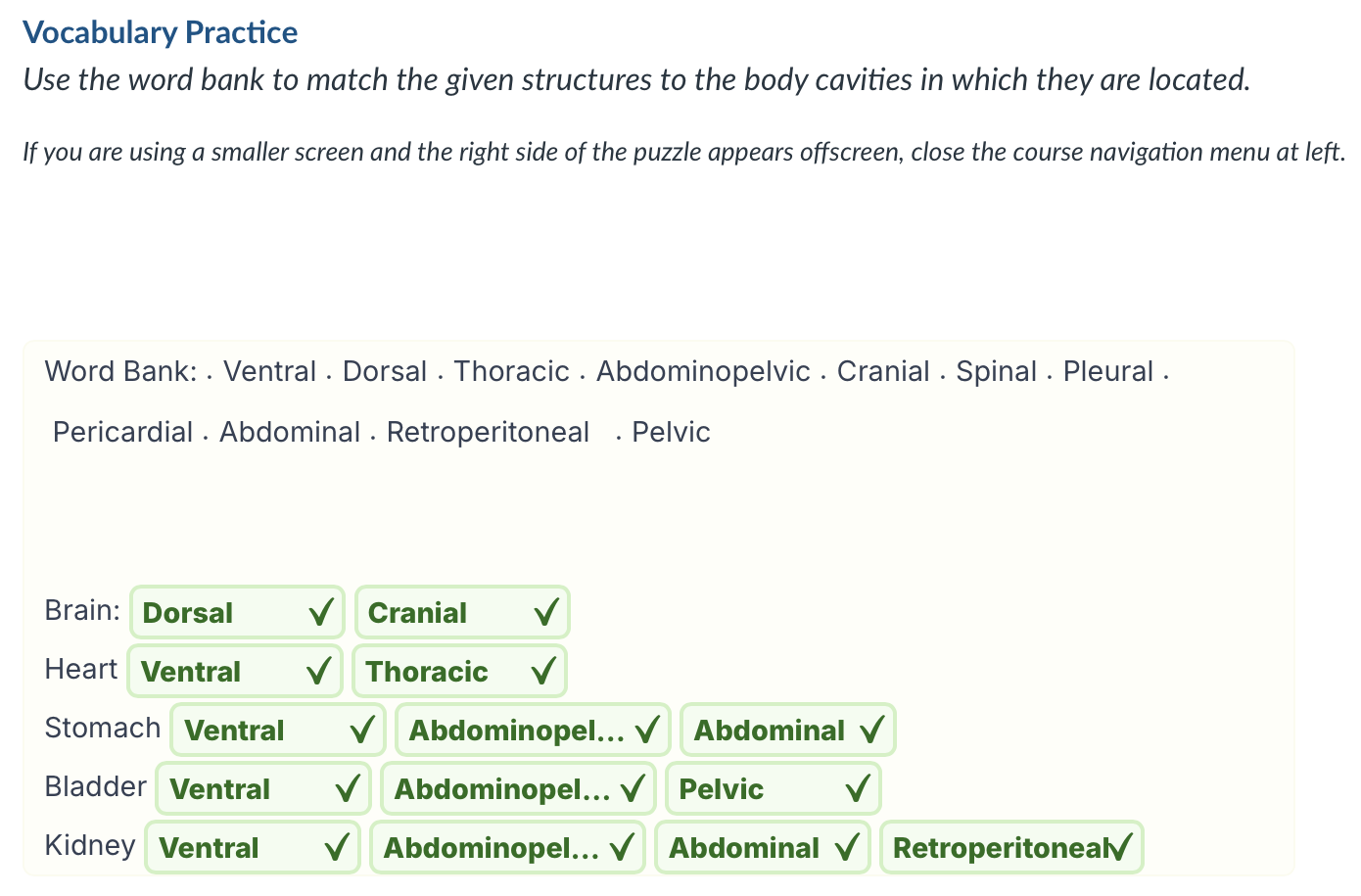
3) Body Cavities and Membrane Linings: The body is divided into cavities or spaces,
which have anatomical borders. These cavities are lined by serous membranes, which
help reduce friction by secreting fluid as organs move.
4) Osmosis is the movement of water across a semipermeable membrane based on an
osmotic gradient created by the solute concentration on either side of the membrane.
Water moves from areas of low solute concentration (hypotonic) to high solute
concentration (hypertonic), affecting cellular volume and function.
Study Tips
1) To memorize surface landmarks, label images, use Post-It notes or tape to label
yourself or someone else, or even use a dry erase marker and label yourself in a mirror.
2) To memorize and practice using directional terms, make note cards with 12 or so
surface landmarks on them. Shuffle these and then draw two cards and compare them
using the directionality terms.
3) Make a concept map to show the branching and division of body cavities. List the
type of membrane that would be found lining the wall and organs with the cavity.
4) Draw the 4 and 9 region grids and practice labeling them with their names for the
regions and abdominopelvic quadrants.
Label Practice