Oceanography
Oceanography - the study of oceans
More the biological side
Composition of the ocean
the structure of the ocean
Oceanic movement/circulation
water on the move
and the consequences of that movement
Amount of water in oceans
360,000,000,000,000,000,000 gallons
An estimate
Largest reservoir on Earth
Apparently there’s 3x this much water locked up in rocks
LET THEM OUTTT
Seawater Chemistry
NaCl = salt
Salinity - how salty
Modern oceans
3.5% average salinity
aka 35 parts per 1,000
We need dour oceans and if we destroy them for gold we may be cooked
Rivers dump water into the ocean!
2.5 billion tons of dissolved load of rivers get dumped into the Ocean
Underwater Volcanoes
More than lava comes out of volcanoes
like chemicals
approximately 25,000 underwater volcanoes and they’re pretty active
The critters stabilize the salinity!
When you add fresh water you dilute the salinity
Making the water more and/or less crunchy
Let’s use our knowledge to connect this!
decreased salinity
precipitation
Runoff
Melting ice/snow
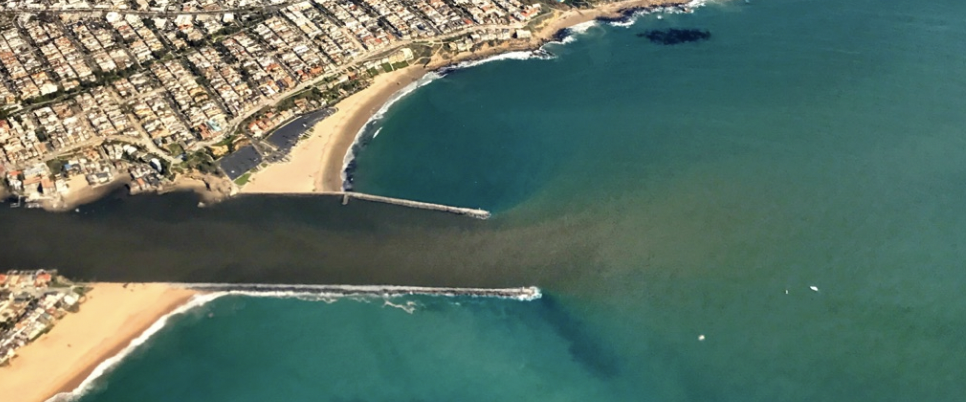
Increased salinity
Remove freshwater
Evaporation
Make glacier or sea ice

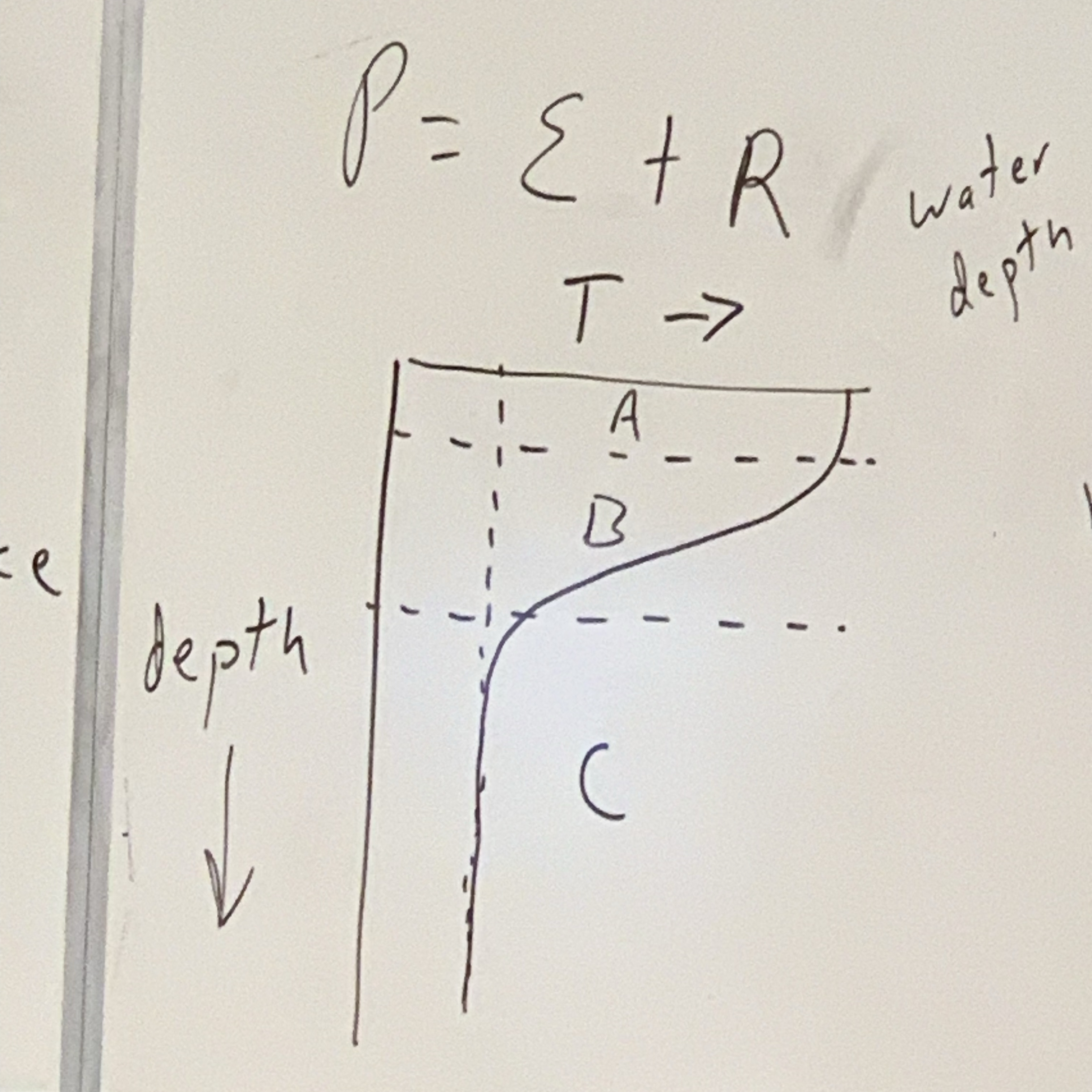
P = R + E
this is the equation for oceans
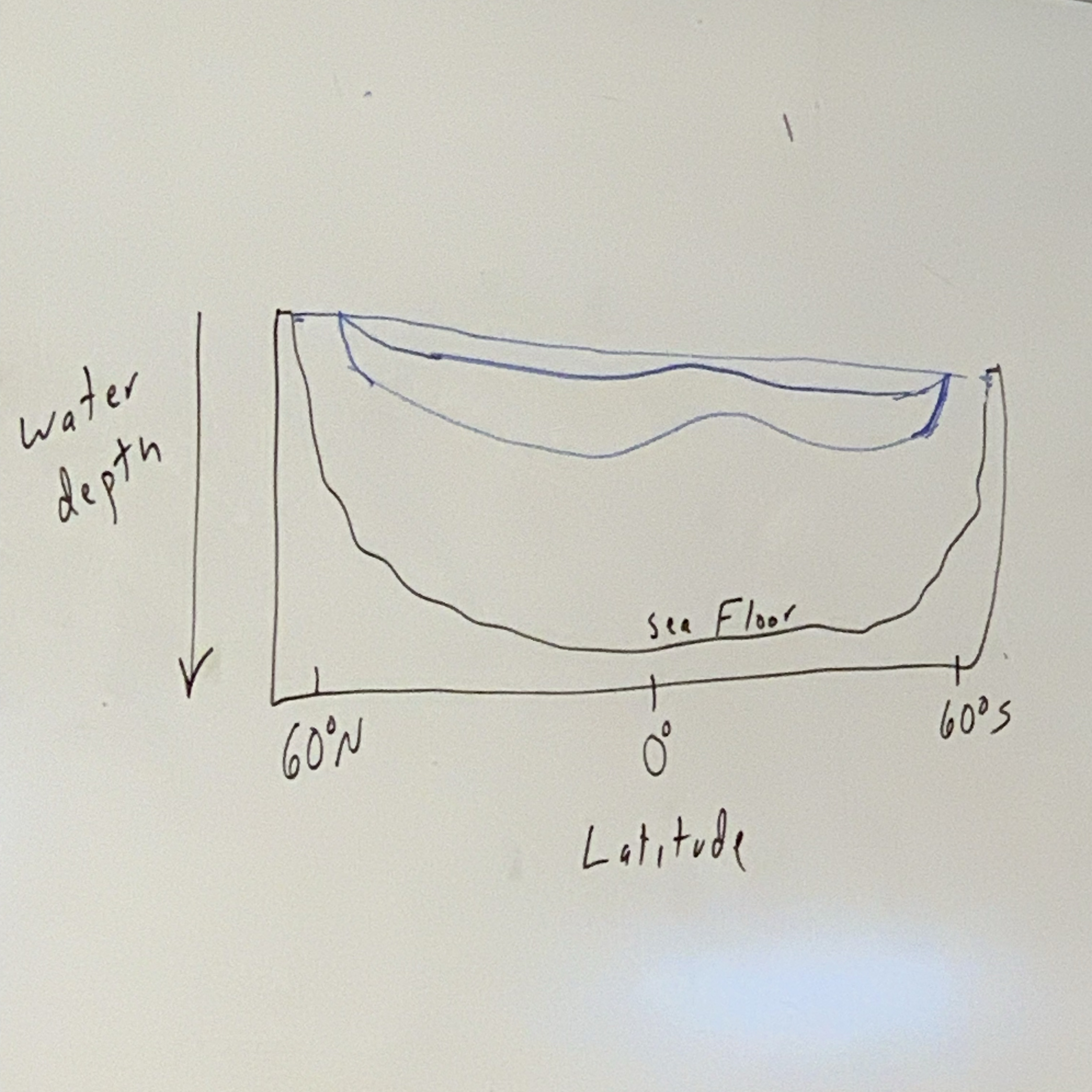
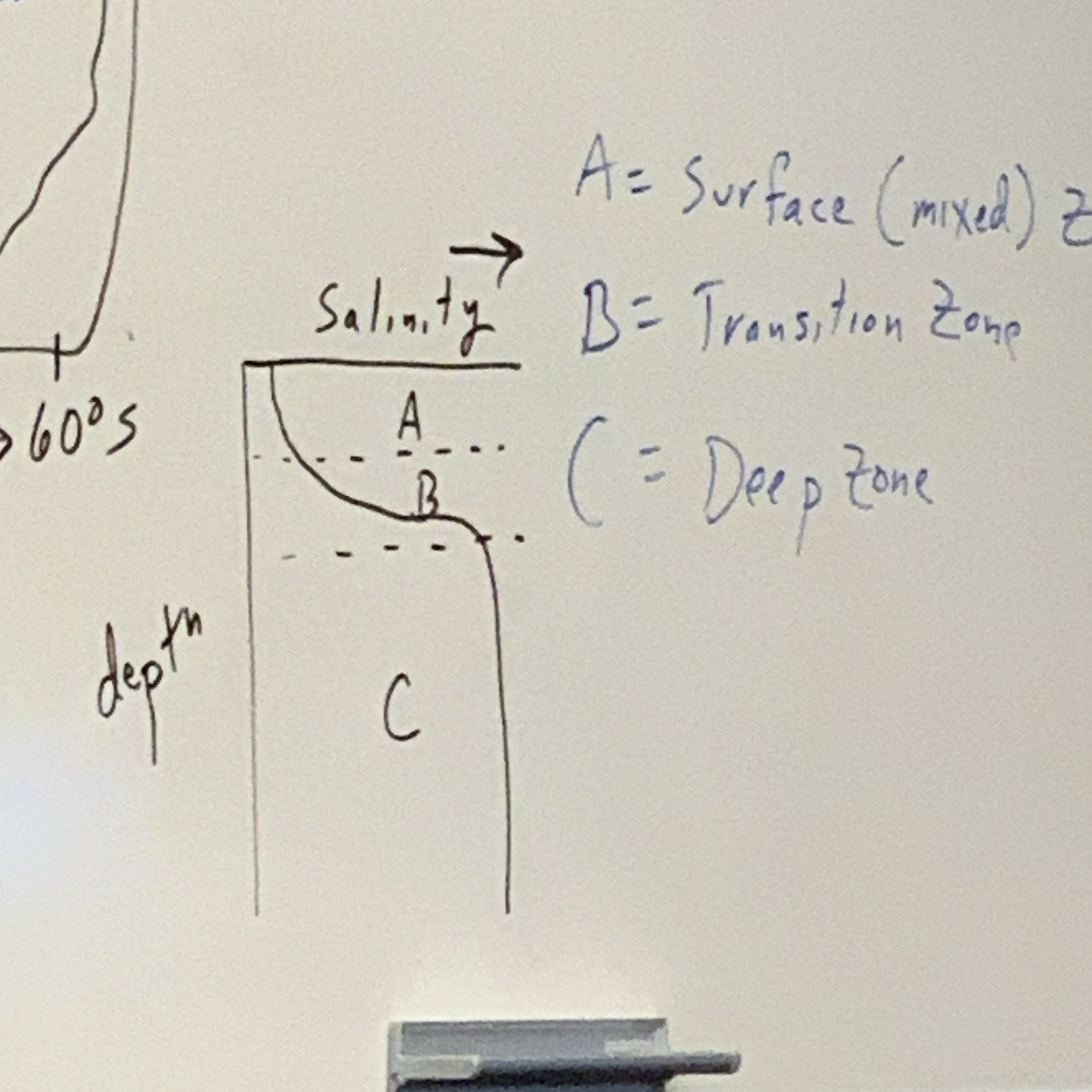
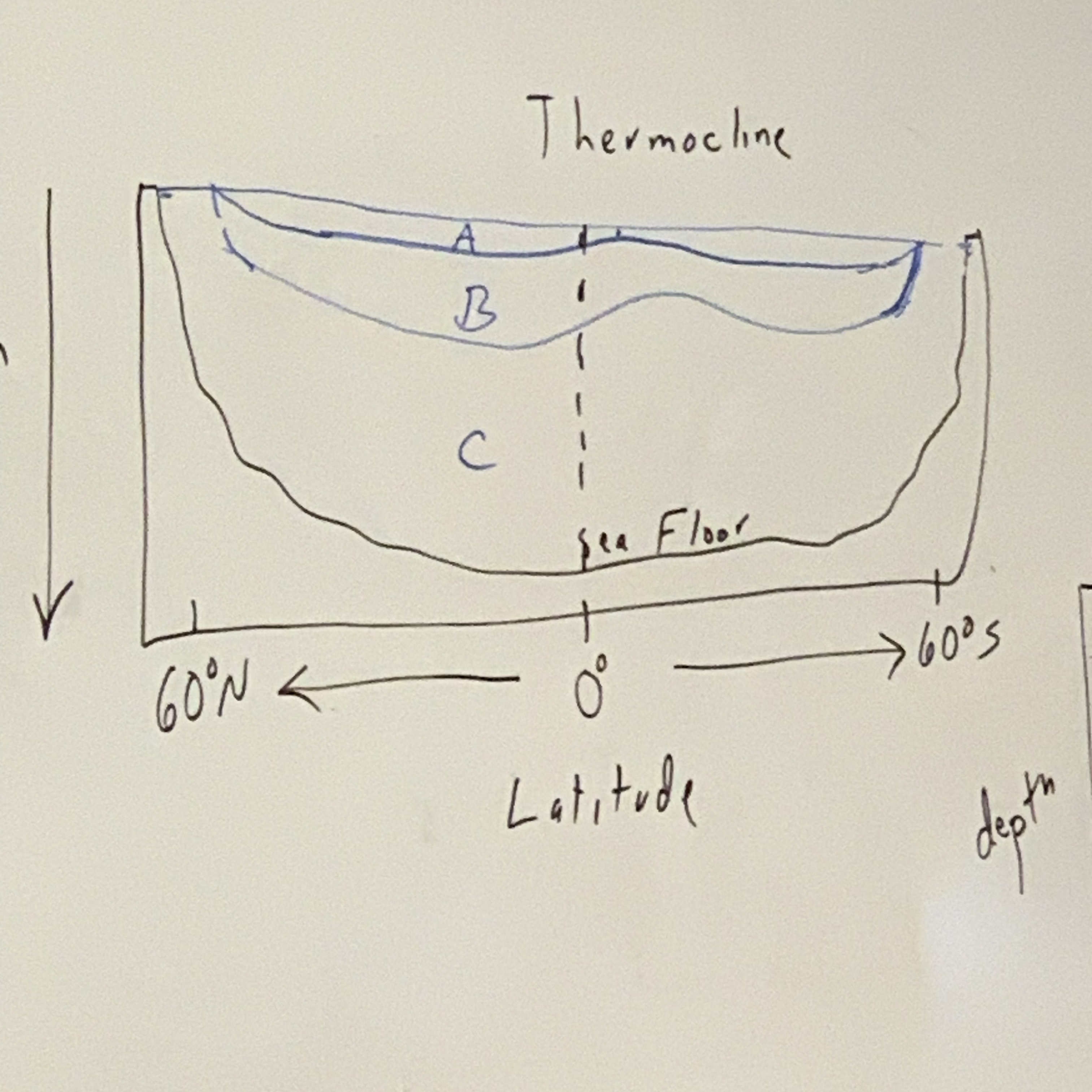
3 zones
a = surface (mixed) zone
b = transition zone
c = deep zone
Density
You can’t see this but it’s there
Density - how heavy something is
high density = heavier and sinks
low density = lighter and floats
Salinity influences density
Lower salinity = less dense
Higher salinity = more dense
Hot water = rise
cold = sink
Benjamin Franklin discovered the layers in the ocean
known as Thermocline
Picture of the abc layers
Pycnocline picture
(salinity + depth chart)
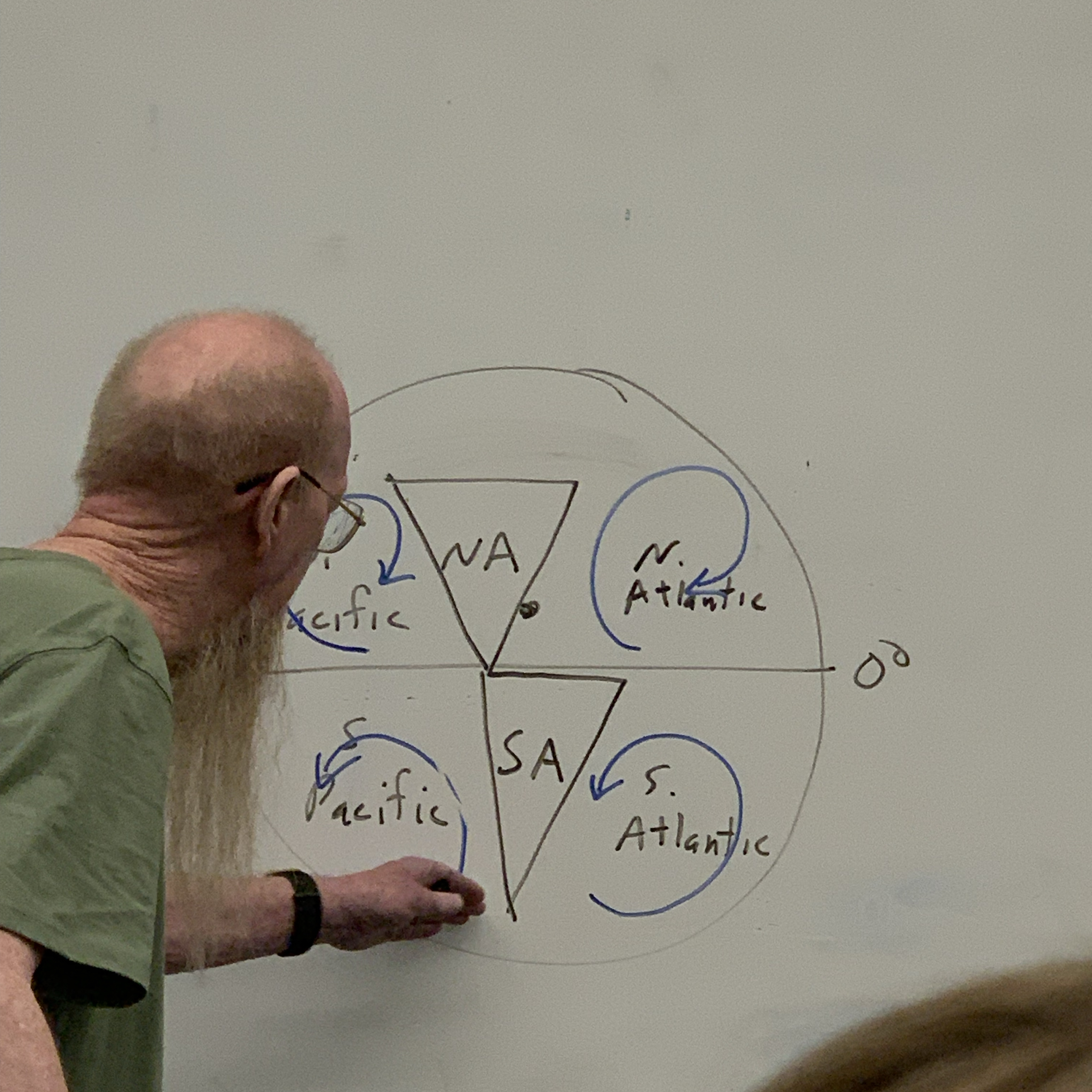
Oceanic circulation
Oceans are dynamic because of vigorous rotation
twerking or wtv
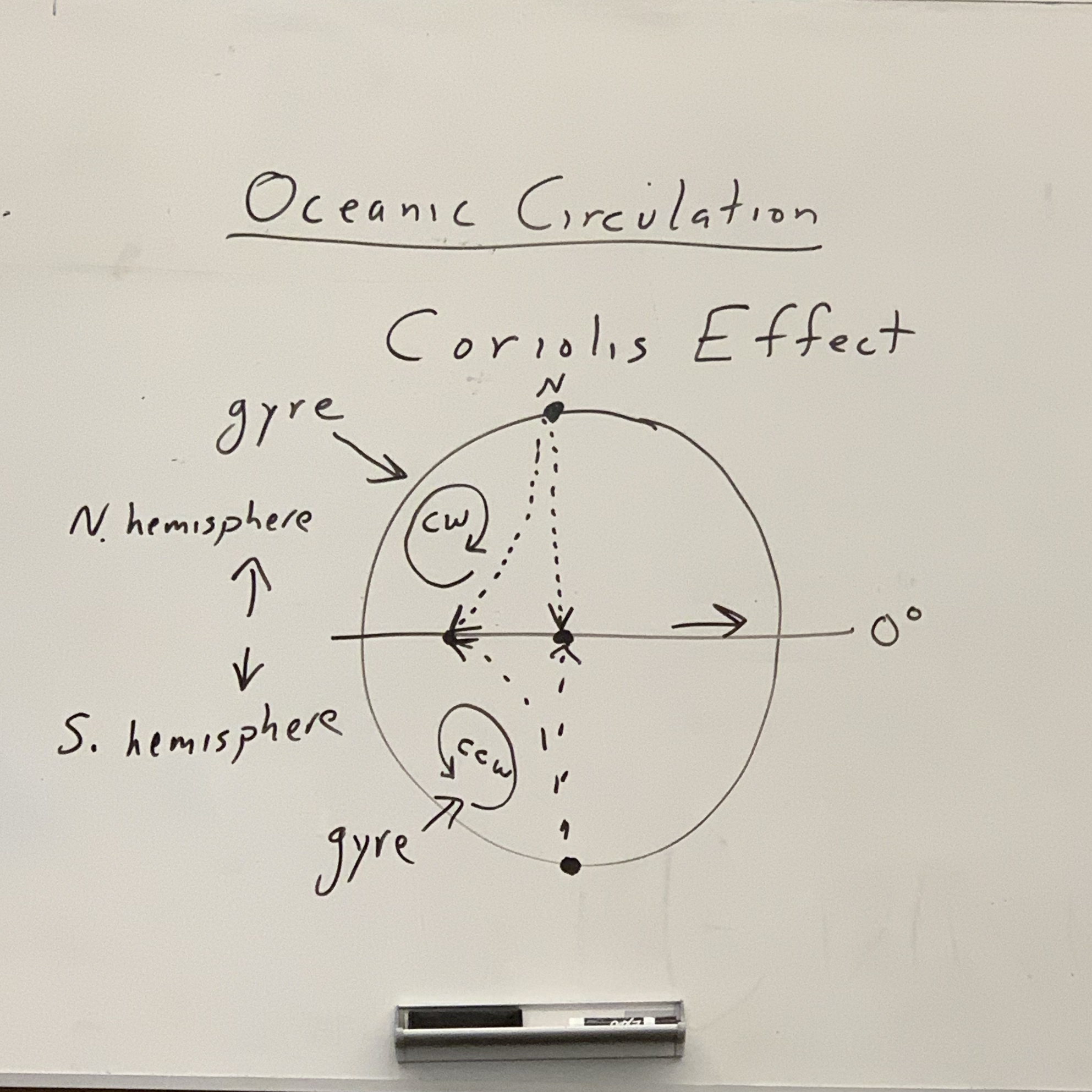
Coriolis Effect
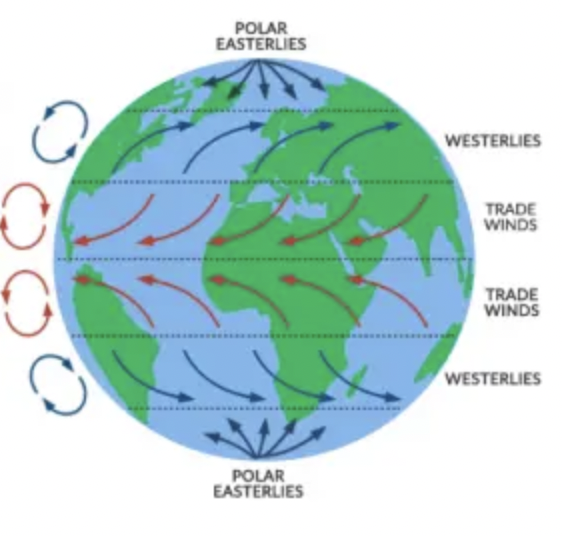
Rotating counter clockwise
N Hemisphere
S Hemisphere
(CW) - Gyre
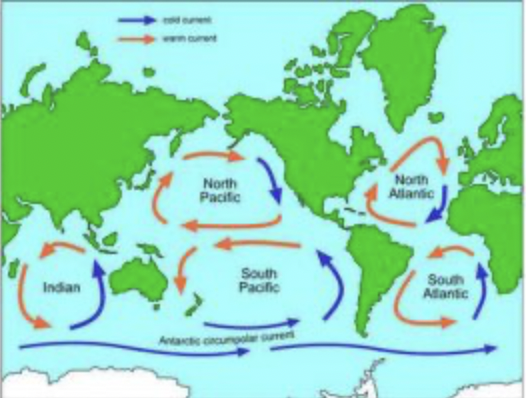
Weather and Climate