Revision
The Cultural Iceberg
Easy to see: Language, Folklore, Dress, Fine Arts, Holidays and Festivals, Food, Literature.
Example: Japan; Japanese, Buddhism, Kimono, Samurai Swords, Cherry Blossom Festival, Sushi, The Art of War.
Hard to see: Beliefs and Assumptions, Family Roles, Relation to Authority, Self-Concept, Core Values, Manners, Biases, Body Language, Beauty Ideals, Interpretations, Concept of Cleanliness, Attitude towards School, Family Values, Gender Roles, Approaches to Healthy and Medicine, Humor, Rules of Conflict, Concept of Justice, Notions of Modesty, Pride, Attitude towards the Environment, Competitiveness, Childrearing Practices, Expectations, Work Ethic, Thought Patterns, Gestures, Personal Space, Aesthetics.
Example: Saudi Arabia; Husband is in charge of the family, women are expected to have lots of children, high relation and respect to religion.


American Democracy
Vocabulary Related to American Citizenship and Democracy: Democracy, Monarchy, Autocracy, Bureaucracy, Kleptocracy, Patriarchy/Matriarchy, Anarchy, Oligarchy, Theocracy, Meritocracy, Gerontocracy.
Characteristics of a Democratic Society:
People rule through elected representatives.
Free elections.
Citizens participate.
Majority rules, but individual rights are protected.
Limited terms of office, to ensure fairness and balance.
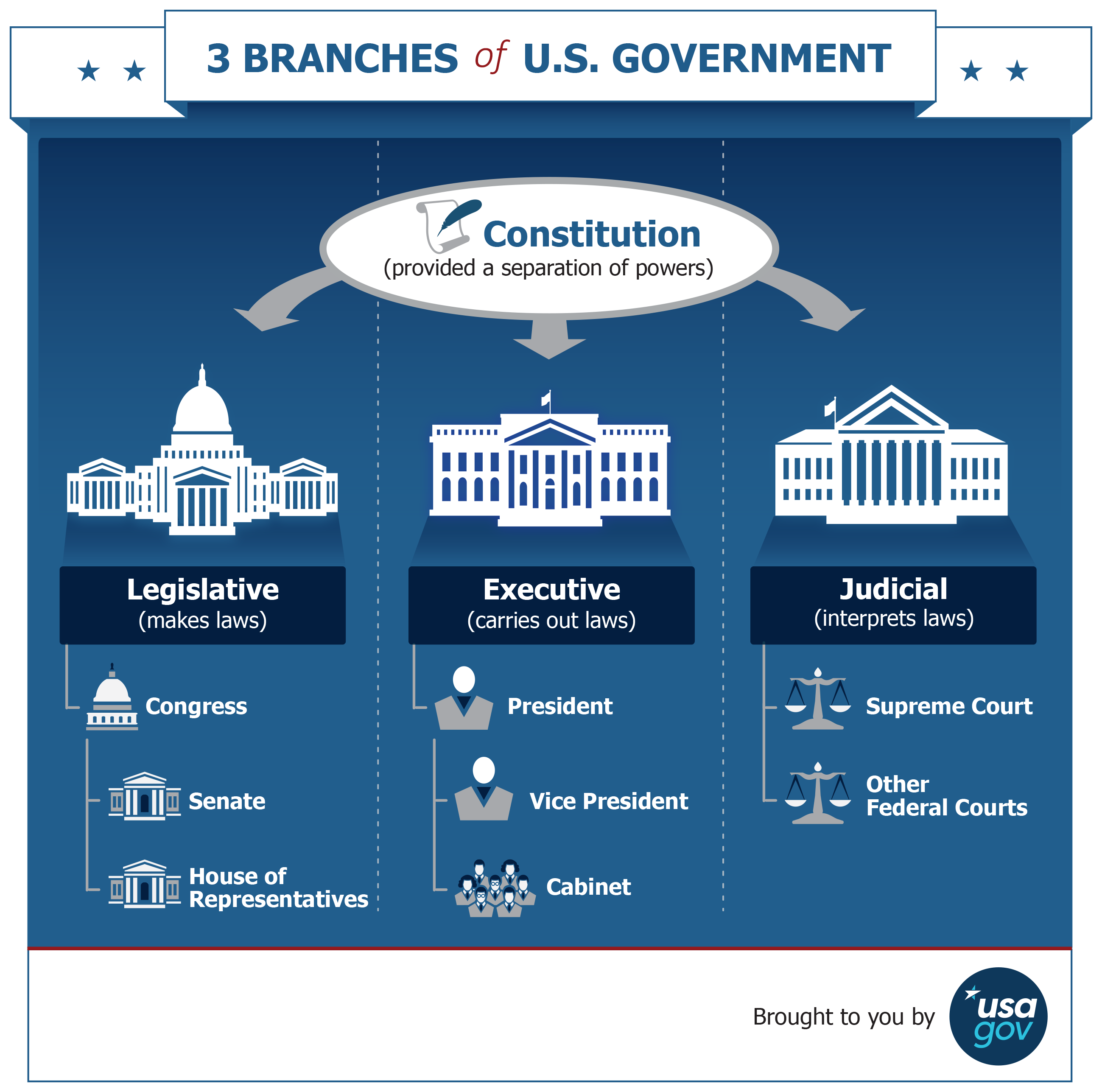
Features of American Democracy: Checks and Balances, Federalism, Two-Party System, Conservatism, Lobbyism, Capitalism, Polarization.
The 2 Party System:
Simplifies the process of governing.
Government processes are faster.
Less needs for political compromise.
A Polarized Society.
Can leave out viable candidates.
Narrows the political spectrum.
Differences between DEMOCRATES AND REPUCLICANS:
Taxation
Republicans: Lower taxes, extend Trump tax cuts, cut corporate tax rates, reduce IRS funding.
Democrats: Raise taxes on wealthy and corporations, expand tax credits for working families.
Both: Middle-class tax relief (in principle), mortgage interest deduction.
Welfare programs
Republicans: Work requirements for benefits, reduce Medicaid/food stamp eligibility, block grant programs to states.
Democrats: Expand Medicaid, protect/expand Social Security, expand food stamps (SNAP), universal pre-K.
Both: Social Security and Medicare exist (neither wants to fully abolish them).
Government spending
Republicans: Cut federal spending, reduce deficit, shrink federal agencies, increase defence spending.
Democrats: Increase public investment, expand social programs, green energy spending, increase defence spending.
Both: Defence spending increases, disaster relief funding, infrastructure investment.
Civil freedoms and rights
Republicans: Stricter immigration, gun rights (2nd Amendment), oppose abortion rights federally, sceptical of affirmative action, less regulation on speech/religion.
Democrats: Abortion rights, stricter gun control, LGBTQ+ protections, voting rights expansion, immigration reform with pathway to citizenship.
Both: First Amendment (free speech/press), due process, religious freedom (interpreted differently).
Threats to American Democracy:
Conspiracy theories and fake news. (Eg. Pizzagate and QAnon).
The extreme expenses of campaign trails.
Political advertisements.
Voter disenfranchionment.
Double standards for female and male politicians.
Importance of American elections and politics:
Domestic Concerns
The economy, welfare programs, immigration, polarization, civil rights.
Global Impact
Global markets and economy, international conflicts, military assistance via NATO or other agreements, diplomacy, international peacekeeping.

Elements of Poetry
Structure and Form:
Stanza= A group of lines.
Couplet= Two rhyming lines.
Tercet= Three line stanza.
Quatrain= Four line stanza.
Sonnet= 14 line poem, usually about love. Two types; Shakespearean, 3 quatrains one couplet. or Petrarchan (8 lines then 6 lines).
Rhyme Scheme= Pattern of rhymes at the end of lines (eg. ABAB).
End rhyme/end rhyme= Rhymes at line ends, or within lines.