Nuclear atom/Mass spectrum
-Isotope- same element but has different neutron (e.g 35Cl and 37Cl, both have 17 protons, 17 electrons, but 35Cl has 18n while 37Cl has 20n)
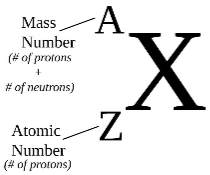
-Relative atomic mass and abundance:

-But when ratios are used, simply add the ratios and replace 100 at the bottom
-Physical and chemical properties of isotopes:
i.Chemical p: identical chemical properties since electrons are involved in chemical reactions, chemical reactions cannot be reversable, creates another compound
ii.Physical (refers to the change of state) depends on the mass, fewer neutrons lower mass, faster rate of diffusion, lower densities, lower melting and boiling points
-Mass spectrometry:
-tool used for measuring mass to charge ratio of electrically charged particles
-how it works: The sample enters the ionisation station where they become ionized, then they are accelerated, then lighter ions are deflected by a magnetic feild since they have a smaller mass-to-charge ratio and less inertia, then the beam of ions passing through are detected electrically
-Relative atomic mass units of measurement- a.m.n