p1 energy and energy resources
p1.1 changes in energy stores
energy can be transferred by heating ,waves ,an electric current or when a force moves an object
examples
chemical energy stores : include fuels, food, or the chemicals found in batteries. the energy is transferred during chemical reactions
kinetic energy stores: describe the energy an object has because it is moving
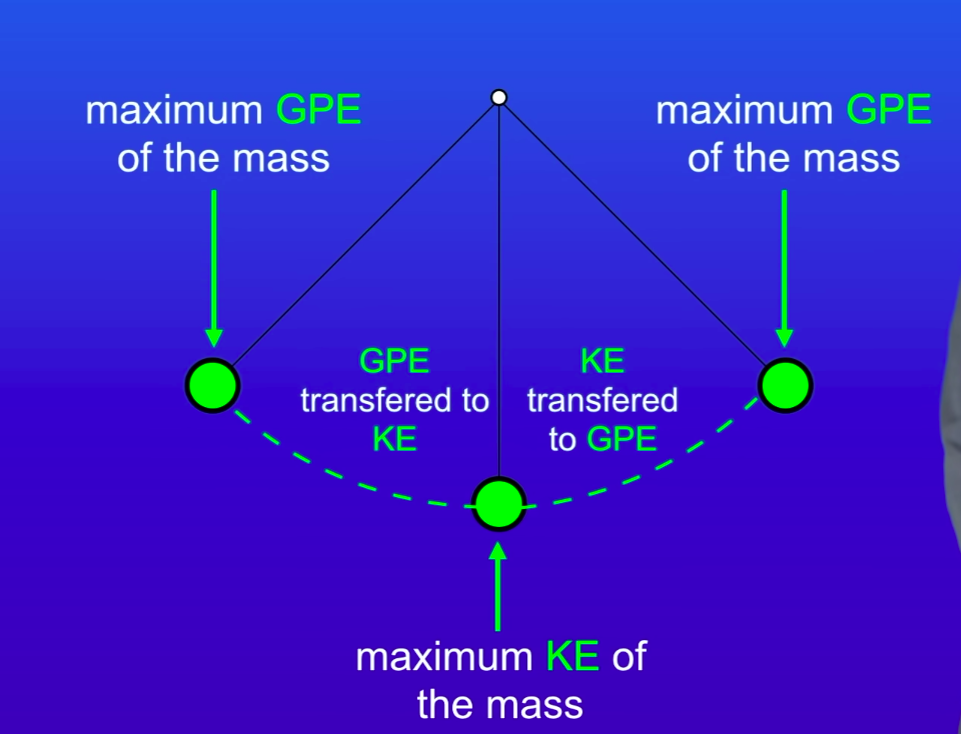
gravitational potential energy: used to describe the energy stored in an object because of its position, such as an object above the ground
elastic potential energy stores: describe the energy stored in a springy object when you stretch or squash it
thermal energy stores: describes the energy a substance has because of its temperature
-energy can be transferred from one store to another
-when an object falls and gains speed its store of gravitational potential energy decreases and its kinetic energy store increases
-when a falling object hits the ground without bouncing back up its kinetic energy store decreases.Some or all its energy is transferred to the surroundings - the thermal energy store of the surrounding increases and energy is also transferred by sound waves
p1,2 conservation of energy
energy can be transferred usefully, stored or dissipated but can never be created or destroyed
p1.3 energy at work
work you do causes a transfer of energy the amount of energy transferred tot he object is equal to the work done on it
energy transferred = work done
the work done by a force depends on the size of the force and the distance moved
work done = force applied x distance
w=fs
work done - joules
force applies- newtons
distance- meters
work done to overcome friction is mainly transferred to thermal energy stores by heating
example - if you rub your hands together vigorously they become warm your muscles do the work to overcome the friction between your hands. The work you do is transferred as energy that warms your hands
q1. state what happens to the energy transferred by a rower rowing a boat
a1. the work done by the rower is transferred into kinetic energy
p1.4 gravitational energy potential energy stores
gravitational potential energy = mass x gravitational field strength x height
Ep = m x g x h (J) , (kg) (n/kg) (m)
when an object is moved upwards the energy in its gravitational potential energy stores increases. this increase is equal tot he work done on it by lifting force to overcome the gravitational force on the object
when an object moves down the energy in its gravitational potential energy store decreases. this decrease is equal to the work done by the gravitational force acting on it
the work done on an object moving up or down depends on
- how far it is moved vertically (its change in height)
- its weight
work done = force applied x distance moved in the direction of force
weight of an object = mass x gravitational field strength
the gravitational field strength at the surface of the moon is less that n earth
weight = mass x gravity
p1.5 kinetic energy and elastic energy stores
the energy an object has because of its motion depends on its mass and speed. This energy is called kinetic energy
the kinetic energy store of an object = 0.5 x mass x speed^2
elastic potential energy is the energy stored in an elastic object
elastic potential energy = 0.5 x spring constant x (extension)^2
elastic potential energy : j
spring constant: n/m
extension : m
where e is the extension of the spring
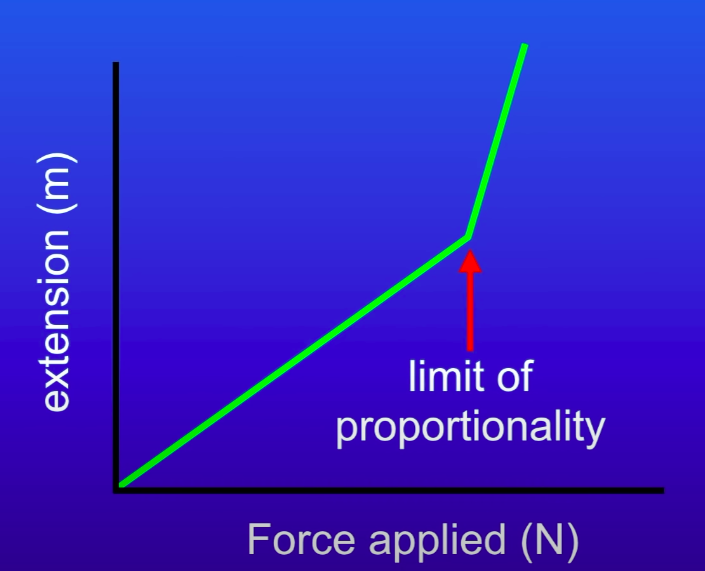
the extension of a spring is directly proportional to the force
p1.6 energy dissipation
useful energy: is energy that is transferred to where it is wanted in the way it is wanted
wasted energy: is the energy that is not usefully transferred
dissipated energy: energy that has spread out to its surroundings
for example a car engine the
useful energy is the energy in the kinetic store in your car
wasted energy is the internal energy store of the engine (we don’t want the engine to heat up but it does)
dissipated energy is when energy from the internal energy store in the engine is transferred by heating to the environment around it
p1.7 energy and efficiency
most devices are not 100% efficient
efficiency = useful energy output / total energy input
Useful power output = Efficiency x Total power input
machines waste energy because of friction between their moving parts, air resistance, electrical resistance and noise
machines can be made more efficient by reducing the energy they waste for example lubrication is used to reduce friction between moving parts
p1.8 electrical appliances
p1.9 energy and power
there are two definitions of power and two ways to calculate it
power is the rate at which energy is transferred
power = energy transferred / time taken to transfer that energy
power is the rate at which work is done
power = work done/ time
power wasted by an appliance - total power input - useful power input