cell culture medium
common nutrient requirements
macroelements (macronutrients)
C, O, H, N, S, P, K, Ca, Mg, and Fe
required in relatively large quantity
builds cell structures and help with metabolism
micronutrients (trace elements)
Mn, Zn, Co, Mo, Ni, and Cu
required in trace amounts to help enzymes function
culture media
contain all the nutrients required by the organism for growth
classification
physical nature: liquid, semisolid, solid
chemical composition: defined, complex
functional type: supportive(general purpose), enriched, selective, differential
media components
peptones - water soluble proteins prepared by partial digestion of various protein sources (e.g. milk) using pepsin
extracts - aqueous extracts, usually of beef or yeast to supply nucleic acids, fats, polysaccharides, as well as vitamins and trace minerals
what is in culture medium
water
keeps cells hydrated
water is the solvent for the nutrients, salts and oxygen that the living cells need
the medium is isotonic such that there is no salt imbalance with the intracellular content
amino acids
protein synthesis
essential amino acids must be added as cells are not able to synthesize themselves
glutamine - acts as a precursor in a series of biochemical reactions in living cells that generates energy
carbohydrates
glucose and fructose as energy sources
Serum
promotes cell growth
contains
lipids e.g. cholesterol
trace elements/nutrients e.g. insulin
adherence factors that help cell adhesion
protease inhibitors
plasma vs serum
plasma - clear non cellular portion of blood (contains proteins for blood clotting)
serum - plasma without proteins that are involved in blood clotting such as fibrin
types of serum
FBS (Fetal Bovine Serum) - fetal calf serum preferred because they will not contain antibodies other than those obtained from its mother
bovine calf
older calf
horse
human - for human cell lines but need to be screened for viruses such as HIV and hepatitis B
Antibiotics
to reduce frequency of contamination (penicillin and streptomycin commonly used)
addition of antibiotics may
encourage development of antibiotic resistant microorganisms
hide presence of low level contaminants that grow when antibiotics are removed
encourage poor aseptic techniques
sodium bicarbonate
most cells require pH ranging 7.2 - 7.4
used as buffering system
despite limited buffering capacity, NaHCO3 used due to low cost nontoxic and providing additional nutritional benefits to the cells
dissociates to form

how sodium bicarbonate maintains pH
during cell culture incubator is set to 5%-10% CO2 level
Sodium bicarbonate dissociates, releasing CO2 into atmosphere and hydroxide ions into medium
in freshly prepped medium, enriched CO2 atmosphere in incubator helps to equilibrate association of ions to maintain pH 6.9-7.0
when cells metabolize, wastes such as CO2 is released, turning medium acidic (e.g. carbonic acid)
hydroxide ions neutralise acidity in culture medium and maintain a near neutral pH
pH indicator
Phenol red is added so pH status is constantly indicated by colour
culture medium should be changed/replenished if colour turns yellow (acid) or pinkish purple (alkali) - culture medium should be red (neutral)
nutrients
carbohydrates - glucose and fructose as energy sources
lipids - fatty acids and cholesterol
salts (ions) - involved in cell function and metabolism
nucleic acids - thymidine, uracil, adenine
vitamins, hormones, growth and adherent factors
preparing cell culture medium
contains various ingredients to mimic physiological fluids (blood, lymph) - provide conditions for cell growth
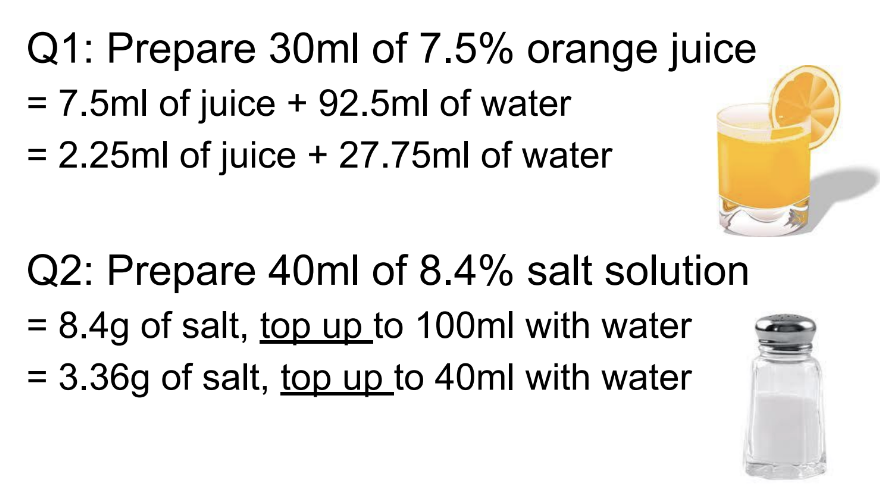
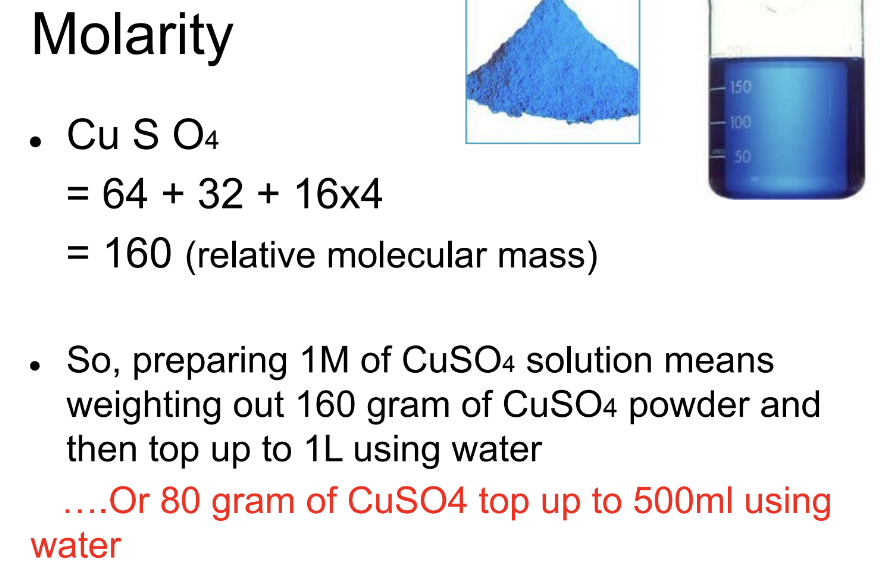
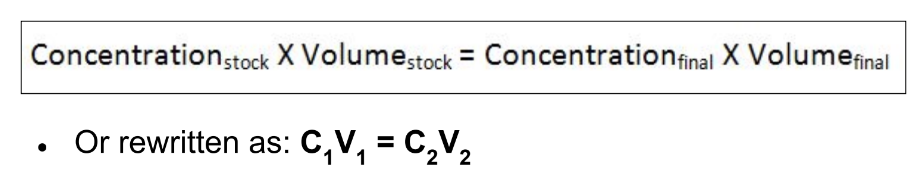
all ingredients have to be added in the right quantity