Cells and Organisation of Living Things -1
Living Things and Cells
Characteristics of Living Organisms (MRS H GREN)
Movement: Changes in position or location.
Respiration: Chemical processes that release energy from food.
Sensitivity: Detection and response to stimuli.
Homeostasis: Regulation of internal conditions.
Growth: Increase in size and mass.
Reproduction: Production of offspring to ensure species survival.
Excretion: Removal of metabolic waste.
Nutrition: Obtaining food for energy and growth.
Cell Structures and Functions
Key Cell Structures
Nucleus: Control center containing DNA.
Cytoplasm: Site for chemical reactions.
Cell Membrane: Controls movement of substances in and out of the cell.
Cell Wall: Provides structural support (found only in plant cells).
Mitochondria: Site of aerobic respiration, releases energy.
Chloroplasts: Site of photosynthesis (found only in plant cells).
Ribosomes: Protein synthesis.
Vacuole: Storage of substances and structural support (large in plant cells).
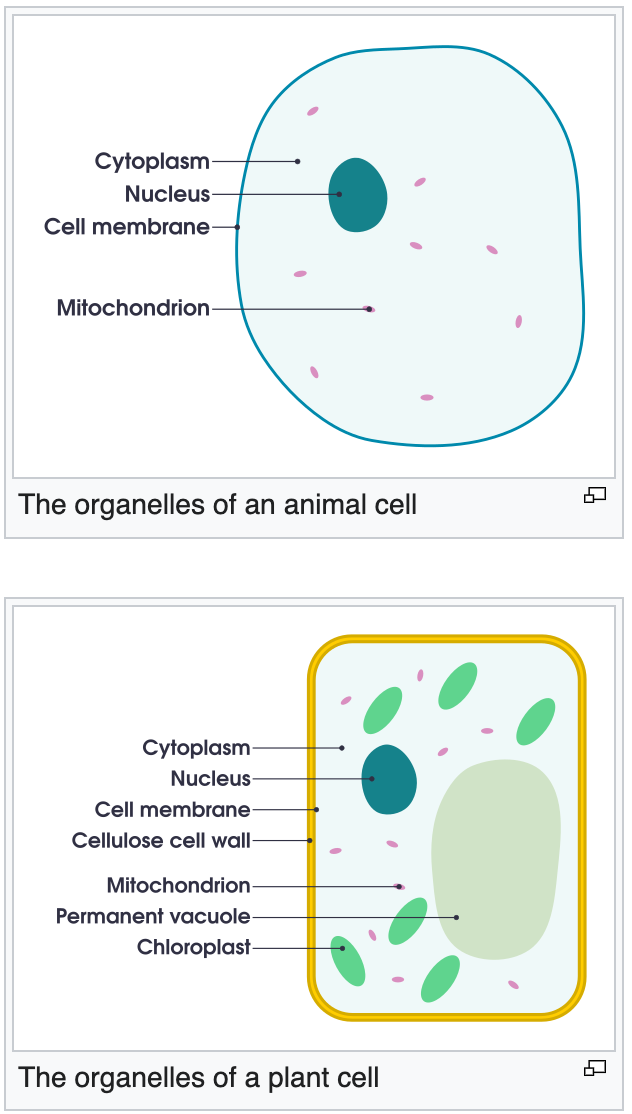
Comparison of Plant and Animal Cells
Similarities
Both contain a nucleus, cytoplasm, cell membrane, mitochondria, and ribosomes.
Differences
Plant cells have a cell wall, chloroplasts, and large central vacuoles, while animal cells do not.
Levels of Organization in Organisms
Hierarchy: Organelles → Cells → Tissues → Organs → Organ Systems → Organism
Example:
Organelles: Mitochondria, nucleus
Cells: Muscle cells, nerve cells
Tissues: Muscle tissue
Organs: Heart
Organ Systems: Circulatory system
Organism: Human
Using Microscopes
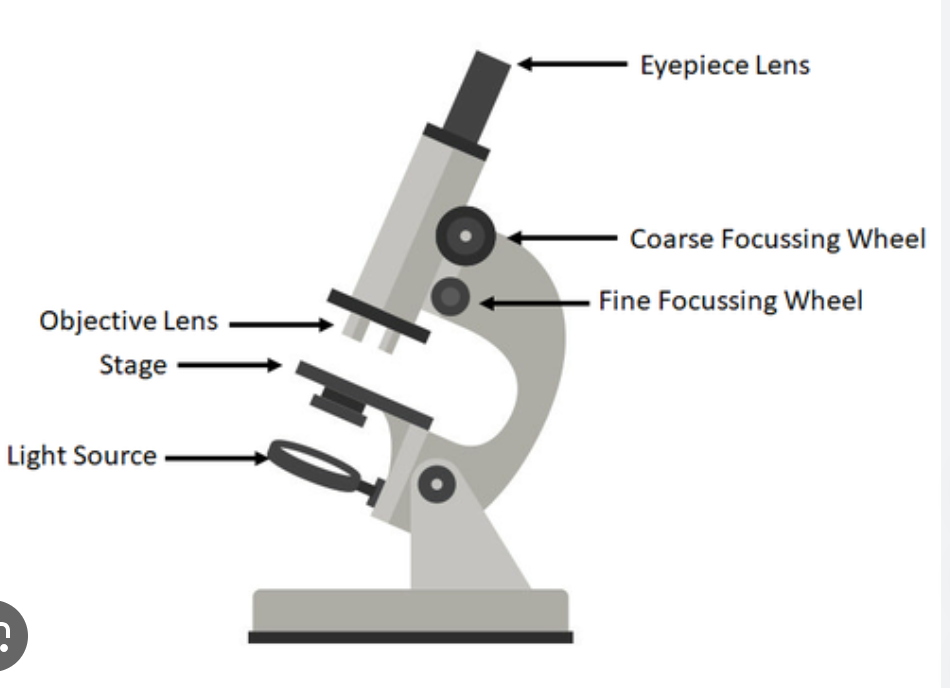
Microscope Parts:
Eyepiece, Objective Lens (varying magnifications), Stage, Coarse Adjustment, Fine Adjustment, Light Source.
Observing Cells:
Method to prepare plant and animal cells.
Example: Onion cell preparation using iodine as a stain.
Example: Cheek cell preparation using methylene blue stain.
Drawing Cells:
Accurate representations showing structure and function of visible organelles.
Classifying Living Things
Five Kingdoms:
Animals
Plants
Fungi
Protoctists
Prokaryotes (Bacteria)
Key Features:
Eukaryotic: Organisms with a true nucleus (animals, plants, fungi, protoctists).
Prokaryotic: Organisms without a nucleus (bacteria).
Summary of Microbial Life
Pathogens: Organisms that cause disease.
Bacteria: Microscopic unicellular organisms with cell walls.
Helpful (Lactobacillus in yogurt making).
Harmful (food poisoning, cholera).
Viruses: Non-living entities that require a host cell for replication; cause diseases such as influenza and HIV.
Examples of Pathogenic Organisms: Bacteria, viruses, fungi, and protoctists (e.g., Plasmodium causing malaria).
Specialised Cells
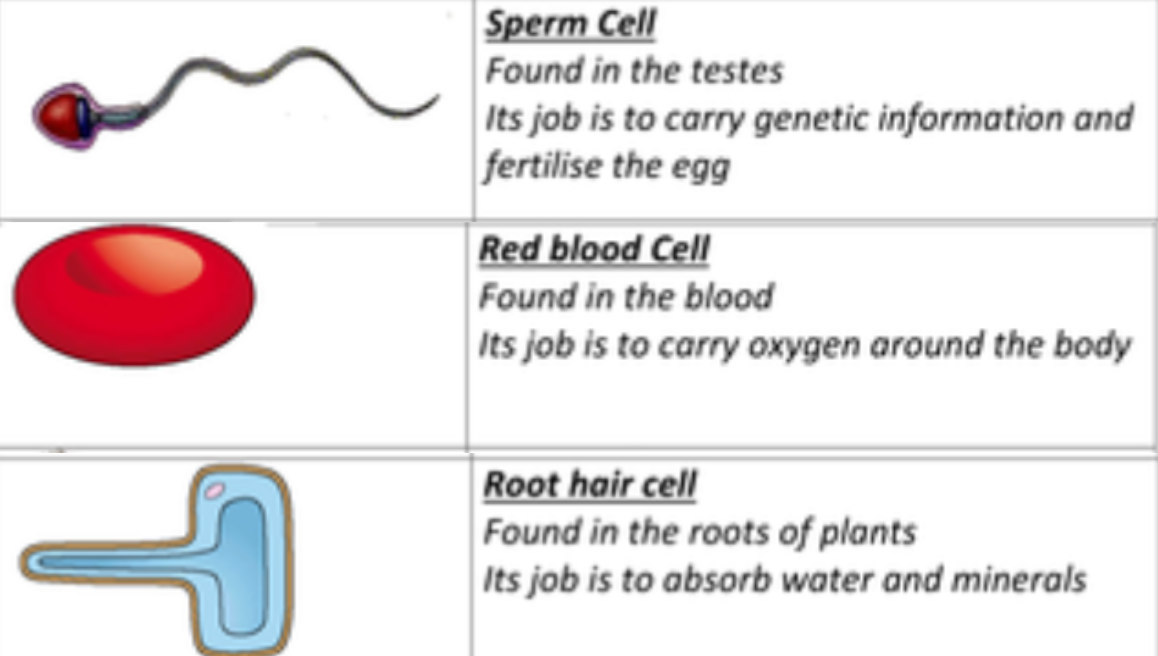
Adaptations for Function:
Sperm Cells: Tail for swimming, genetic material for reproduction.
Red Blood Cells: Biconcave shape for oxygen transport, lacks nucleus to maximize hemoglobin space.
Root Hair Cells: Increased surface area for absorption of water and nutrients.
Fungi and Protoctists
Fungi:
Example of multicellular (mushrooms) and unicellular (yeasts).
Use saprotrophic nutrition (extracellular enzyme secretion).

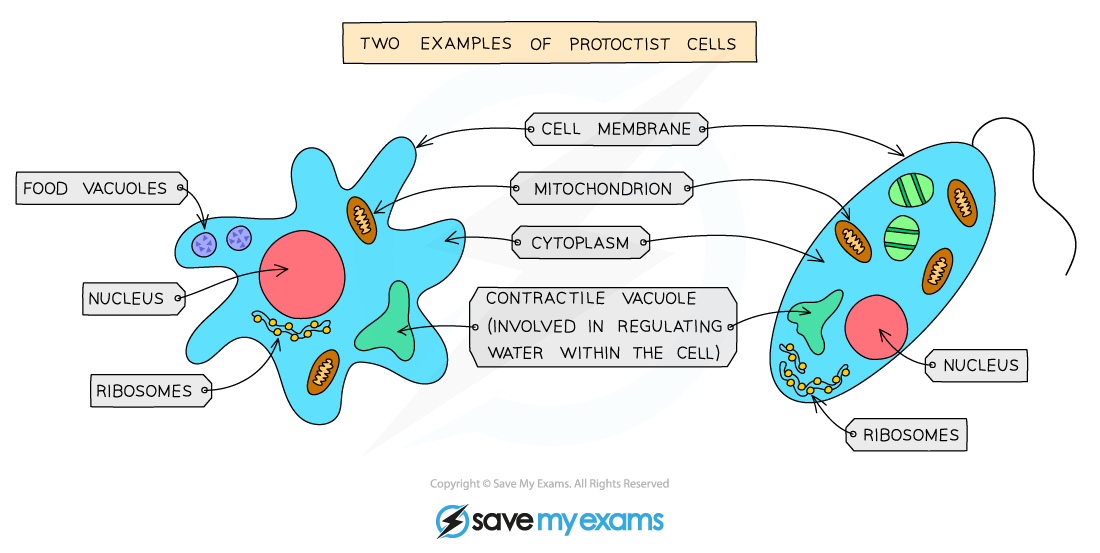
Protoctists:
Diverse group, many unicellular.
Examples: Amoeba has animal-like features, Chlorella is plant-like.
Conclusion: Understanding Cells and Life Processes
Integration of Concepts:
Cells are the fundamental units of life, organized into more complex structures serving specific functions in multicellular organisms.
Recognition of similarities and differences among organisms enables classification and understanding of ecological roles.