WEEK 2&3 (EARLY/NEW STONE ARCHITECTURE)
EARLY STONE ARCHITECTURE
- Lascaux cave
- The great hall of bulls’ cave
- Temporary Structures (Terra Amata + Bambuti hut + the Tongus hut + the lab tent + the mud constructions)
NEW STONE ARCHITECTURE
- Neolithic Dwelling & settlements (Çatalhöyük)
- Megalithic monuments
(WEEK 2)
How was the early Stone Age?
Nomadic found their food from hunting and fishing
They used to move in bands less than 15 people
They barely survived and their motivation was only to survive
How was the new Stone Age (Neolithic period)?
Settled down in permanent settlements
Discovered farming
had interest in natural cycles like sun moon and weather + domestic animals
Villages are established which caused the beginning of society and social life
the start of civilization
the start of controlling nature with rituals and magic
The beginning of the idea of belief
First introduction of tombs + the life after death
How was the architecture of the early Stone Age?
Used drug shelter for natural protection
Caves known as “Dwelling” (Lascaux cave + the great hall of the bulls cave)
Structures were temporary made of plants and animals
they were in constant moves without any shelter
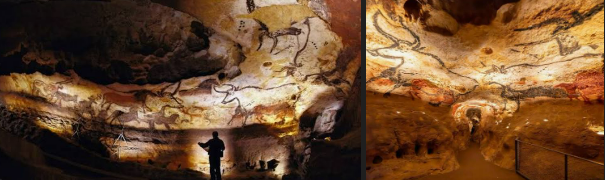
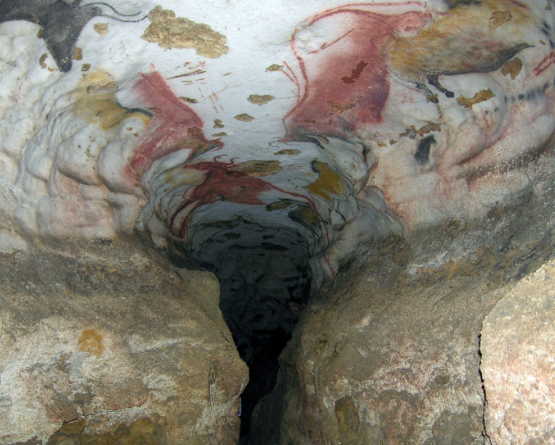
what is the Lascaux cave?
Found in 1940
Used for 10,000 to 20,000 years
Has one entry to a large hall
The interiors have paintings and engraves of animals that shows the (solid + void theory)
why people at that time used paintings as a tool of expression?
To ensure their good hunts
documenting events
worshiping animals
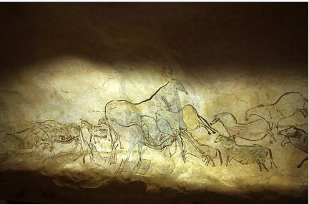
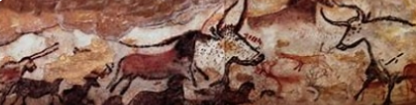
what’s the great hall of bulls’ cave?
It shows (line + color + movement + texture)
there are charcoal drawings (650)
overlapping figures + moving animals
cave was used for keeping horses NOT for settlements
what are the Temporary Structures?
Hut at Terra Amata (made of tree branches)
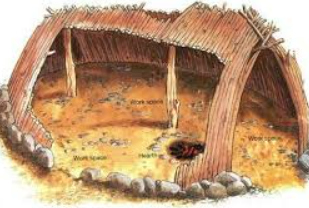
Bambuti Hut (made of saplings and large leaves)
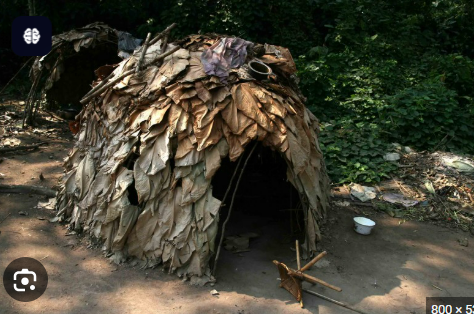
The Tongus Hut (made of grass)
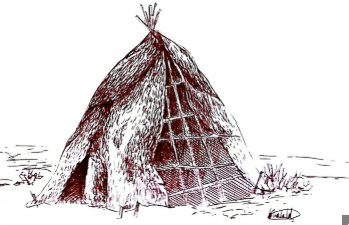
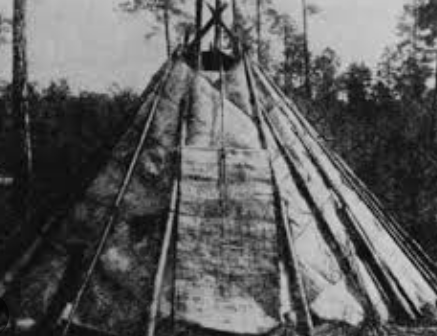
The Lapp Tent (made of animal skin)
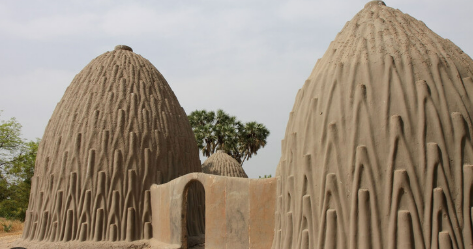
Mud Constructions (made of soil + water)
what are degradable materials?
materials that can’t last for long time
what happened to the architecture of the New Stone Age?
The circle Huts changed to rectangular huts between 9000 ~ 7000
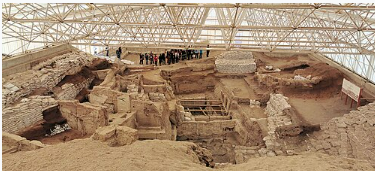
what is the Çatalhöyük?
Occupied between 6300 to 5400
NOT the first but the LARGEST
still available till today (Turkey)
the economy was based on crafts and paintings
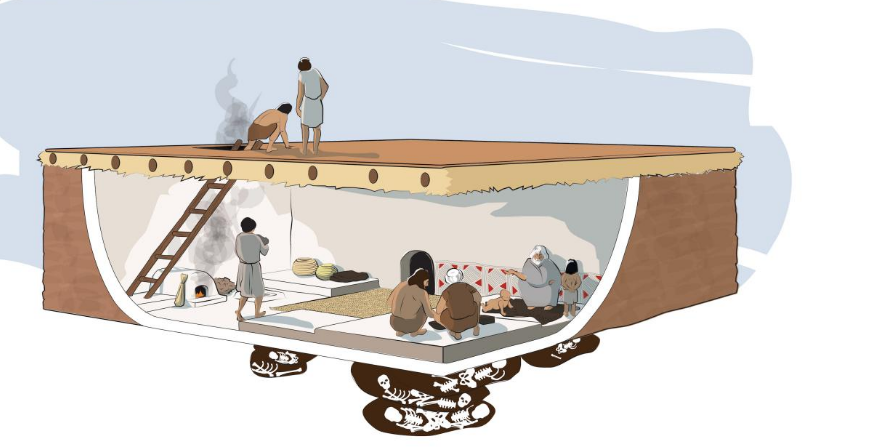
houses were made of mud + was only one floor
The rooms were decorated with bull heads
Entrances were through the roofs via ladders
people at that time changed from hunting to farming + the economy is based on craftmanship
the site of it was a place for (weed) production
it’s near a volcanic mountain (Mount Hasan) which was good for the weed production
highly organized city made out of (mud houses and furniture + interior decors of bull heads)
no streets + the movements through the roofs + no windows but the cooking steam would go out through the roof small openings
materials used are (Mud + adobe + wood + plaster)
the interior spaces are (storage + main zone + cooking zone)
all the plans of the house are the same and everyone is equal
they buried their dead people inside the house
what are the megalithic monuments?
They are large stone blocks leaning against each other
(Post “vertical elements” and Lintel “horizontal elements”) method is used sometimes in dolmen
Stones are quired from rocks
what are the types of megalithic monuments?
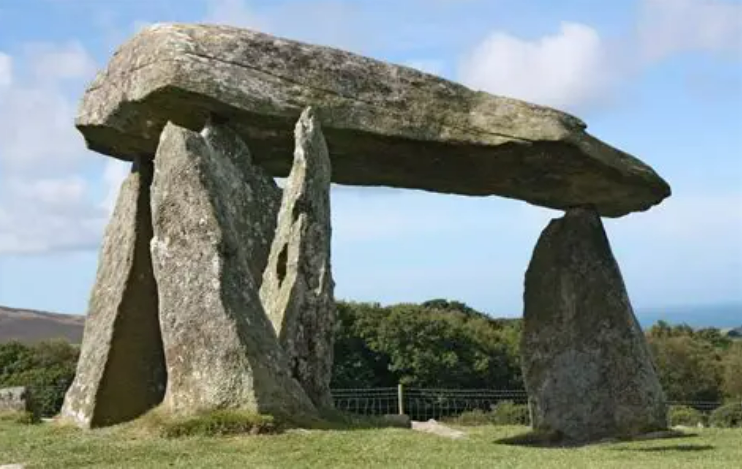
Dolmen
Menhirs (one stone)
Henge Monument (group of stones
What are Dolmens?
Burial construction
They are two upright stones slabs
The structure of it is covered mound of earth
what are examples of Dolmen + Menhirs?
The Carnac in France
The Stonehenge Salisbury in England
what’s the Carnac in France?
Consist of more than 3000 large stones
It was the first evidence of (organizing a place)
what’s The Stonehenge Salisbury in England?
The function of it is still controversy
The plan is concentric circle
behind the 5 trilithons there's blue stones / beyond the bluestones there's a large rectangular stones / beyond the large rectangular stones there is 56 marker stones
Known as a sacred place
what are the theories about the use of Stonehenge?
it’s a cosmic eye mirrors of lunar goddess + ritual activities
It's an astronomical tool
(WEEK 3)
why Stonehenge is a good monument?
It meets all practical needs of people
its accuracy in Construction
the beautiful geometry + form
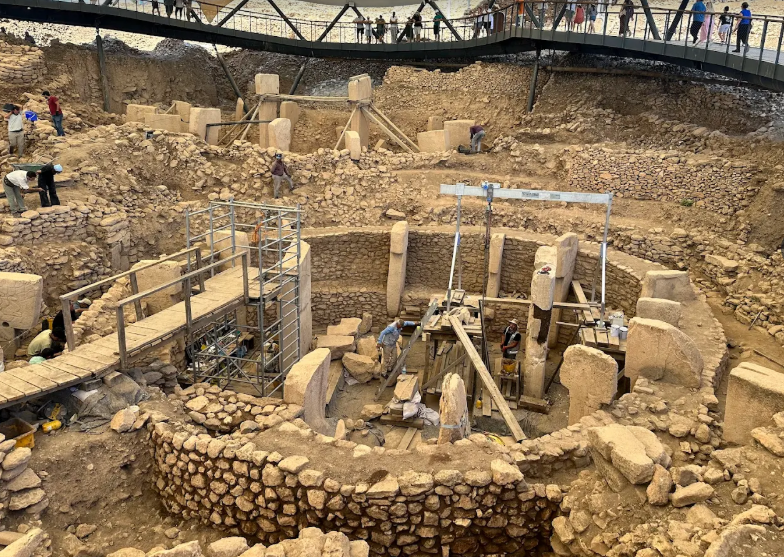
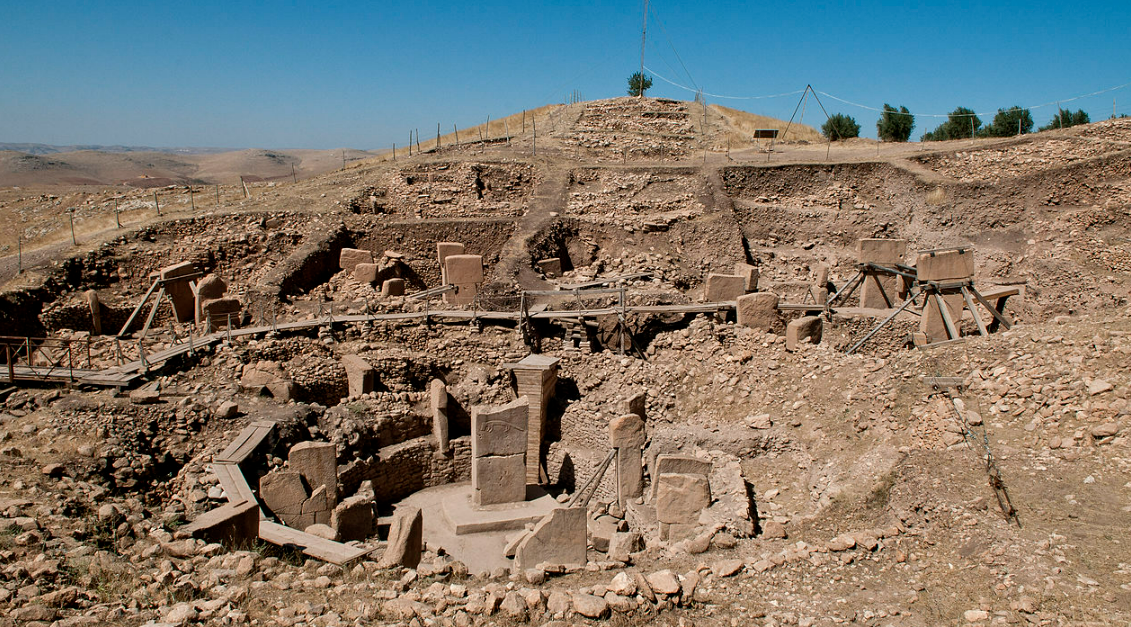
what is Göbeklitepe?
located in Urfa in turkey
it’s a sanctuary or temple complex used for communal rituals
it’s NOT a settlement and built in a high platform
had NO WATER
made out of limestone
dated back to 9000~10,000 BC
it’s 6000~7000 older than (Stonehenge + Giza pyramids + the invention of cuneiform writings)
it’s 12000 years old (its age)
its location and geography are very important
the name means “Potbelly Hill” in Turkish. it comes from the site’s physical appearance: a rounded hill rising above the plains