Nutrition Exam 3
Types of Carbs
Monosaccharides
simple carbohydrates
glucose, fructose, galactose
disaccharides
maltose, sucrose, lactose
Polysaccharides
complex carbohydrates
Monosaccharides
Same number and kinds of atoms
differing sweetness
Glucose - blood sugar
essential energy source
part of every disaccharide
Fructose
sweetest of the sugars
Galactose
only in a few foods (milk)
Hydrolysis breaks down disaccharides into 2 monosaccharides by adding water
Polysaccharides
Glycogen
storage form of energy in the body
contains hundreds of glucose units in highly branched chains. Each new glycogen molecules needs a special protein for the attachment of the first glucose
starches
storage form of energy in plants
a starch molecule contains hundreds of glucose molecules in either occasionally branched chains (amylopectin) or unbranched chains (amylose)
Carbohydrate digestion
To monosaccharides for absorption and glucose for use
Hydrolysis via enzymes
In
Mouth → salivary glands secrete salivary amylase to being digestion
Small intestines → Pancreas produces an amylase that is secreted through pancreatic duct into small intestine; disaccharides enzymes on the surface of the of the small intestinal cells hydrolyze the disaccharides then small intestines absorb the monosaccharides
Large intestines → Most fiber passes intact through the digestive tract; bacterial enzymes digest some fiber;
monosaccharides, the end product of carbohydrates digestion enter the capillaries of the intestinal villi; then monosaccharides travel to the liver via the portal vein; in the lover galactose and fructose share metabolic pathways to glucose; glucose is used by most cells in the body
Lactose intolerance
Lactose activity
highest immediately after birth
declines with age
intolerance causes gas, bloating, cramping and discomfort
Has not lactase enzyme to break down lactose so instead lactose makes it all the way to the large intestines where it is broken down by bacterial fermentation into acids and gas
Causes of intolerance
age
medications
prolonged diarrhea
Dietary changes with lactose intolerance
usually better tolerated: cheese & yogurt
use Lact-aid or soy/rice/almond milk
Fiber → holds water; regulates substances such as bile, cholesterol and some mineral carrying them out of the body
Dietary fibers
Cellulose
structural parts of plants (cereals, grains)
unlike starches, the bonds cannot be broken by digestive enzymes
no calories
Soluble → dissolve in water and slow down digestion to give you that “full feeling”
Insoluble → add bulk to diet and help with constipations have that “laxative” benefit
functional fibers
fibers added to foods to use in supplements
Phytic acid
not a dietary fiber
often found in fiber-rich foods
prevents absorption of minerals
Fiber and health issues
Heart disease
colon cancer
diabetes
soluble fibers delay glucose absorption and help type 2 diabetes management
weight management
high-fiber foods and whole grains → feeling of fullness
food sources of dietary fiber are desirable, contain phytochemicals
phytochemicals → phytonutrients are the potentially helpful compounds found in plant foods
Harmful effects of excessive fiber intake
insufficient energy or nutrients
abdominal discomfort, gas, diarrhea
limit nutrient absorption by binding to minerals
Using Glucose for energy
Fuels most of body’s cells
preferred source for brain, nerve cells, and developing red blood cells
storing glucose as glycogen in liver and muscles
when excess, glucose is used to make fat
if carbohydrate intake is deficient
gluconeogenesis
Constancy of blood glucose
steady supply in blood stream
intestines → food
liver → glycogen
blood glucose homeostasis
insulin → moves glucose from blood into cells
glucagon and epinephrine → brings glucose out from storage
Maintaining homeostasis
When a person eats, blood glucose rises
high blood glucose stimulates the pancreas to release insulin into the bloodstream
insulin stimulates the uptake of glucose into cells and storage as glycogen in the liver and muscles. Insulin also stimulates the conversion of excess glucose into fat for storage
as the body’s cells use glucose, blood levels decline
low blood glucose stimulates the pancreas to release glucagon into the bloodstream
glucagon stimulates liver cells to break down glycogen and release glucose into the blood
blood glucose begins to rise
Diabetes Mellitus
insulin either inadequate or ineffective
type 1 diabetes
type 2 diabetes
Hypoglycemia → low blood sugar
rare
consequence of poorly managed diabetes
Type 1 diabetes
young onset (less than 35 years)
rapid onset of symptoms (ketoacidosis)
non-obsess
body cannot produce insulin
managed by insulin injections, with diet and exercise control
Type 2 diabetes
older onset
no obvious symptoms in the early stage
overweight
insulin secretion can be normal or abnormal, body cells are resistant to insulin
managed by oral medications or insulin injections, with diet and exercise control
Glycemis response
speed of glucose absorptions, level of blood glucose and return of normal glucose levels
low glycemic response → desired
high glycemic response → fast absorption, surge in blood glucose, followed by a plunge below normal glucose level
glycemic index classifies foods
scale that ranks carbohydrate-rich foods in order of how they affect body’s blood sugar levels
not all carbs have the same effect on body

diabetes and the diet
foods the raise blood sugar → starch and bread
foods that slightly raise blood sugar → meat and other protein
food that have little effect on blood sugar → vegetables
Carbohydrate exchange
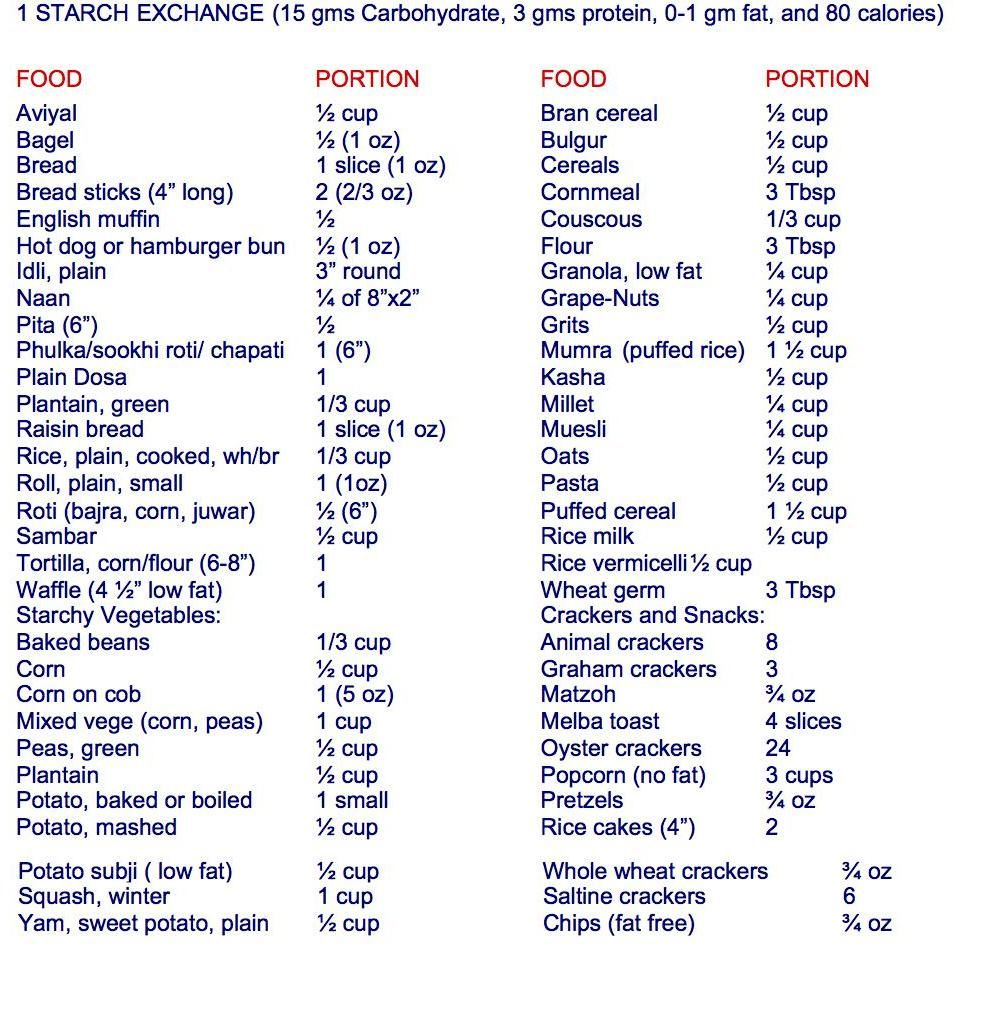
in the exchange system, foods with a similar amount of carbohydrate per serving size are grouped together
one carbohydrate exchange equals 15 grams of carbohydrate
Health effects of sugars
obesity and chronic disease → when excess, glucose is used to make fat
Nutrient deficiencies
energy with few other nutrients
discretionary kcalories
honey myth, it is not better than sugar
corn syrup issues
High-fructose corn syrup
found everywhere
manufactured from cornstarch mixed with acid and enzymes
it contains fructose and glucose
cheaper than sugar
does not form crystals
health effects
food form influences appetite
liquid vs. solid → sugar beverages can influence weight gains by providing energy but not satisfying hunger
Carbs and controversies
low-carb diets aren’t better than other diets
keto diet → very few carbs including those from fruits and vegetables
Atkins diet → as much food as you want as long as you restrict high carb foods
low carb paleo diet → only foods which were available before agricultural and industrial revolutions
Ketone bodies
made from lipids
inadequate supply of carbohydrates
less than 50 - 100g/day
metabolism shifts to fat breakdown
ketone bodies alt food source
ketosis disturbs normal acid-base balance
ketogenic diets
high fat, adequate protein, low carb
medically used to control epilepsy in children
Grams of CHO (less fiber) x 4 = calories from carbs
recommended carbohydrate intake
45 - 65% of energy requirement/total calories for the day
reduce the intake of kcalories from sugars
Lipids
energy provided greater than carbs
Lipid digestion
goal of fat digestion → dismantle complex large molecules of lipids (triglycerides) accomplished by enzymes and emulsification to simple monoglycerides, fatty acids and glycerol
Mouth
lingual lipase plays role in fat digestion in infacts
stomach
gastric lipase
gall bladder release bile → bile acts as fat emulsifier
pancreas release lipase
emulsified fat (triglycerides) broken down by pancreatic lipase into monoglycerides, glycerol, and fatty acids then get absorbed
Lipid function and metabolism
lipids stored as adipose tissue
insulation
support vital organs
generate heat
stored as energy reserve
lipids in blood as lipoproteins
stored as energy reserve
excreted in feces
convert to brain and nerve tissue
oxidized for energy
synthesized from carbohydrates and proteins
Lipids ingested and digested and absorbed into blood as lipoprotiens
Triglycerides
fats and oils
most abundant
3 fatty acids attached to a glycerol
provide energy
virtually unlimited ability to store fat energy
adipose tissue stores body fat
Adipose cell
store fat after meals
using fat for energy when fasting
other uses
skin insulation, shock absorption, cell membrane material
Sterols
role
bile, sex hormones, vitamin D
structural component of cell membranes
food sources
cholesterol; meat, eggs
Blood lipid profile
total cholesterol → less than 200mg/dl
LDL → less than 100mg/dl
HDL → 20mg/dl or higher
triglycerides → less than 150 mg/dl
Cholesterol
Low-density lipoproteins (LDL)
carry cholesterol to maintain cell needs
“bad cholesterol”
High-density lipoproteins (HDL)
remove cholesterol from cells and carry to liver for recycling
anti-inflammatory properities
“Good cholesterol”
Unsaturated → liquid at room temperature; have a “kink” because of double bonded carbon that makes it harder for the lipids to pack closely together making them more unstable
saturated → solid at room temperature; do not have a “kink” so all the carbons are linear making it easier for the lipid to pack in really tight
Omega-3 and omega-6 fatty acids compared
human body cannot make omega-3 fatty acids, but they are important so we have to consume them in order to have them
omega-6 fatty acids are everywhere in a lot of the things we consume
know to increase inflammation
Trans-fat and health
few natural sources of trans fats
most are man-made
see “partially hydrogenated oil” in labels
raises LDL cholesterol levels and lower HDL cholesterol levels
increase risk of heart disease and stroke
increase risk of type 2 diabetes
on food labels → ban requires nutrition labels to contain 0g Trans-fat but allows up to .5g trans-fat per serving (list of ingredients have partially hydrogenated oil)
Hydrogenation
makes liquids oils more solid
has a longer shelve life
hydrogen is put into unsaturated vegetable oil → breaks the bonds between carbons but then bonds reform with a linear appearance
hydrogenated oils not banned
Polyunsaturated fatty acid - more likely to oxidize and form toxins when exposed to high heat
Smoke point - different oils based on double bonds are safer to heat (because heating them can make them toxic)
less refined the better because more refined create oxidized reactants which is toxic in cells
Seed/vegetable oils → use has increases a lot over the years but the percentages of adults with prediabetes and diabetes has also increased
seed oils contain high amounts of polyunsaturated fatty acids
Good fats - traditionally used fats and oils, not highly processed (ex. olive oil, avocado oil)
okay, but not great - refined traditional fats, label says “refined” (ex. refined peanut oil)
bad fats - polyunsatuated refined, bleached, deodorized, trans, label says “hydrogenated” (ex. soy oil, fake whip cream)
Polyunsaturated fatty acids
extremely unstable/break down very easily
from a wide variety of toxins
when exposed to chemical stress such as: high heat, high pressure, metals, bleaching agents, all of whcih happen in the refining and manufacturing process
Fat links to cancer and obesity
Cancer → shown that diets with more fat allow for cancer to grow faster
obesity → cutting fat from diet reduces kcalories if carbohydrates are not added
000000 l0ow fat yogurt or candy bar?
manufactuers add sugar to low fat thing to make them taste better because all low fat things taste bland or gross
Cardiovascular disease → disease that affects the hear and blood vessels
atherosclerosis: a progressive narrowing and hardening of blood vessels that may lead to blocked blood flow to the heart, brain or legs
coronary heart disease (CHD) → usually caused by atherosclerosis in the coronary arteries
risk factors: non-modifiable, modifiable
Risk of cardiovascular disease
increase risk
Increase LDL; decrease HDL → saturated fat, trans fat, sugar, obesity and insulin resistance
decrease risk
decrease LDL; increase HDL → omega-3 (DHA/EPA), Oleic acid (omega-9/olive oil), exercise, soluble fiber
Mediterranean diet
low in saturated fat
very low in trans fat
rich in monounsaturated fat
rich in complex carbohydrates and fiber
rich in plants
Lowers risk of cardiovasulcar disease
Daily carlories → 20 - 35%
less than 10% of daily intake from saturated
as little trans fat as possible
Proteins
Contain: carbon, hydrogen, oxygen and nitrogen
Nitrogen is the part of amine group (NH2)
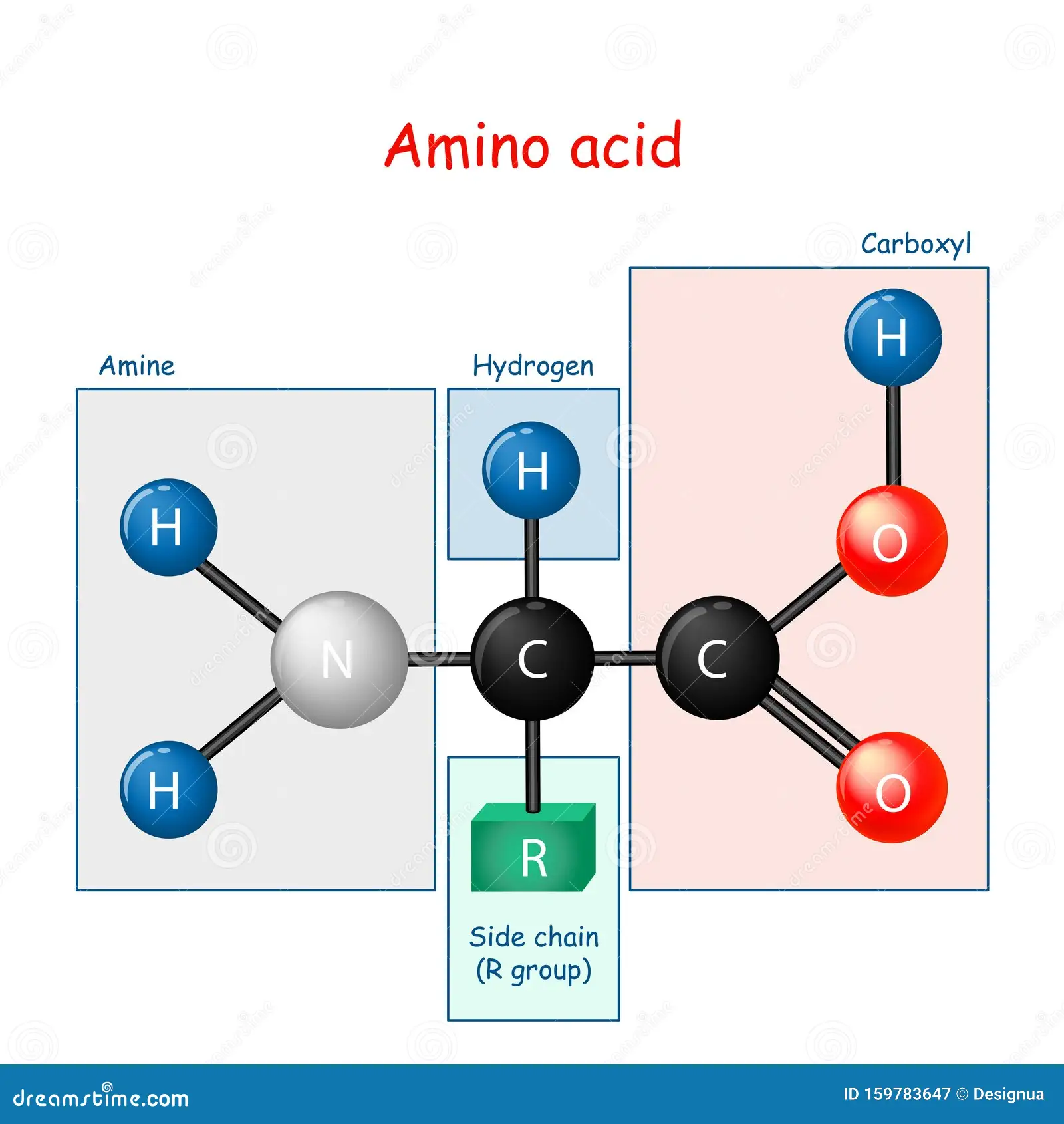
There are 20 different types of amino acids (have different R groups)
→ 9 of those amino acids are essential (we have to consume them to get them/body can not make them)
Protein structure
Primary protein structure - sequecnes of a chain of amino acids
secondary protein structure - local folding of the polypeptide chain into helices or sheets
tertiary protein structure - 3-dimensional folding pattern of a protein dure to side chain interactions
quaternary protein structure - protein consisting of more than one amino acid chain
Denatureation of proteins
disruption ofg stability
uncoild and loose shape
does not matter nutritonally hwo we each it → still digest and break down into animo acids even if it is denatured or not
Main role of protein is as enzymes
Protein digestion
Mouth and salivary glands
chewing and crushing moisten protein-rich foods and kix then with salia to be swallowed → mechanical digestion
Hydrochoric acid and pepsin → in the stomach
denatures protein structure
more protein we injest the longer it stays in the stomach
in the small intestines
proteases break down proteins into amino acids
Protein functions
channels in lipid membranes
Edema → swelling in the extremities (proteins help stop this)
antibodies
vision → proteins in neurons
source of energy → if insufficient carbohydrate intake and after lipids used
Protein metabolism
processing of recycling hard because of amine group - have to work around nitrogen
make Ammonia (add carbon dioxide to Amine group) but that is toxic so makes Urea by adding carbon dioxide again but that is also toxic
Urea travels with blood to kidneys where it is filtered out and excreted from the body
Calcium is filtered out with Urea which can lead to osteoporosis
DRI for protein
10 - 35% of daily intake
adults .8 per kg of body weight
.8g/kg body not always applicable
children need more protein and so do athletes and pregnant people