Notes on Unit 3: Block and Brick Masonry
Unit Introduction
- Unit 3 focuses on Block and Brick Masonry.
- Topics include Concrete Masonry Units, Masonry Reinforcement and Accessories, Mortar and Mortar Jointing, Brick Masonry, and Composite Wall Construction.
Stone Masonry
- Definition: The use of naturally harvested stone for construction, dating back to ancient times.
- Historical Significance: One of the oldest known construction methods for human shelter.
Unit Masonry
- Definition: Unlike stone masonry, unit masonry consists of individual man-made units (brick or concrete) that are arranged and bonded using mortar.
- Image Reference:
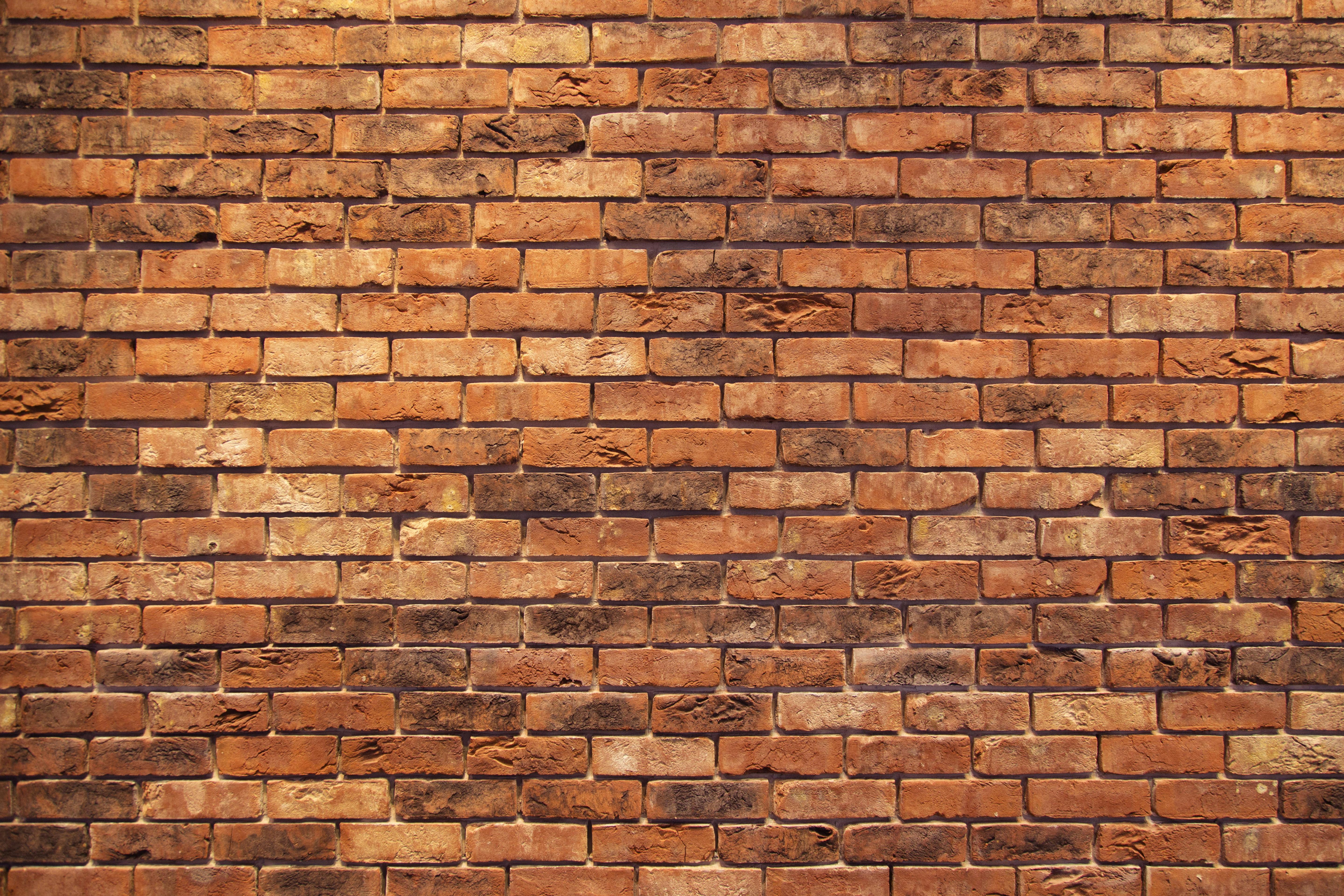
History of Unit Masonry
- Unit masonry is one of the world's oldest building materials and processes.
- The earliest evidence of masonry is sun-dried clay (adobe) bricks used as early as 8,000 BC.
Categories of Unit Masonry
- Clay (Brick) Masonry
- Made from fired clay, durable and aesthetically pleasing.
- Widely used for residential and commercial buildings.
- Concrete (Block) Masonry
- Made from concrete, strong and provides good insulation.
- Commonly used in commercial and industrial construction.
Characteristics of Unit Masonry
- Strength: Provides structural integrity and durability.
- Versatility: Adaptable for various architectural designs.
- Fire Resistance: Masonry materials can withstand fire and heat.
- Material Availability: Typically made from readily available local materials.
- Ease of Handling: Units are easier to transport and construct compared to traditional stone.
- Global Use: Masonry is employed worldwide in various climates and conditions.
Additional Resources
- Visual/media resources are available for further understanding of masonry processes, including instructional videos.