Absolutism and Constitutionalism
Lecture: The Age of Crisis and Absolutism
Absolutism- Kings have a divine right (justification for Absolute rule) to the throne
is a form of tyrannical rule, demands religious, economic, and social conformity based on the political theory of monarchical divinity
costs huges amounts of taxation and loss of life in war to create this political system
Rulers exploited commercial development (trading networks and colonies)
Power expanded= conflict, dealt with through diplomacy to maintain power balance
Social issues:
Population rose then declined (Little Ice Age/war, Agricultural rev. and Columbian Exchange)
Rise of new classes (gentry and nobles of the robe)
Crime rate rose (due to increased urbanization)
Economic Changes
Enclosure movement (claiming land)
Commercial rev. and Commercial agriculture
Serfdom in E. Europe increases
Nobles revive feudal obligation(led to peasant revolt)
Price rev.
Effects of war, disease, and famine
Intellectual CCOT
Scientific Revolution
Belief in supernatural remained strong (witchcraft)
Rise of national cultures (Shakespeare, Cervantes, etc)
Church’s influence over education declined
teachings about Christian Humanism, etc. Not just how to be a good Christian
Elites remained a small minority (majority of Europe still illiterate)
Climate Changes
Little Ice Age - rainy and cooler climate
Famine and plague
Lack of scientific explanations for these phenomena (people said they were from devils, witches, the “enemy”
Political Factors
Religious wars
Rebellions over centralization, taxes, war (Fronde in France)
First theories justifying rebellion against monarchs & justifying absolute rule (Hobbes/Bodin)
Consequences:
Emergence of the Nation State as sole authority (Monarch is the head of state)
Desire for order over liberty
International system
Drive for resources, trade, & colonies = conflict
French Absolutism: Henry IV (Henry of Navarre)
Bckgrnd: Converted to Catholicism and ended French Wars of religion
Allowed Protestantism by issuing the Edict of Nantes (religious tolerance)
Established taxation (balanced budget) Bureacracy
Proper infrastructure (canals, roads, etc.)
Promoted colonization
Cardinal Richelieu
Advised Louis XIII
Increased taxes (against will of the nobility)
Appoints intendants (royal admin) in local provinces
Supports Protestants globally but does not give them liberty locally (in France)
Raison d’etat - the state comes first (before individual liberties, welfare, etc.) choices should be made prioritizing the state
Cultural elements of Louis XIV’s image
Power
display of wealth
privilege
influence
masculinity
artistic expression
Divine right
King Louis XIV (14th) of France
“Sun King”
Wore a big wig and luxury clothing to establish his power
4 years old when he took over the throne so his mother Anne of Austria and Cardinal Mazarin (Italian) ruled
Her regency started during the end of the 30 year’s war
she increased the French military and wanted to defeat the Habsburgs and gain more territory
Waged war for:
the War of Devolution (1667-1668) - France got northern territory
Dutch War (1672-1678) - more northern and eastern land gained
War of the League of Augsburg(coalition against Louis expansionism) (1688-1697) - lost land won in Dutch War
War of the Spanish Succession (1701-17133) - lost land in Europe and Canada to British
His tasks:
Organize the administration of the kingdom
Raise funds
Unite subjects in loyalty to himself
would diver the nobility with a good court life
Created Versailles - great palace of power and prestige
Louis established system of court etiquette (very complex so nobles had to study it in order to avoid humiliation)
It was a whole lifestyle
Divine right played a huge role in the palace (that’s why people had so much respect for him)
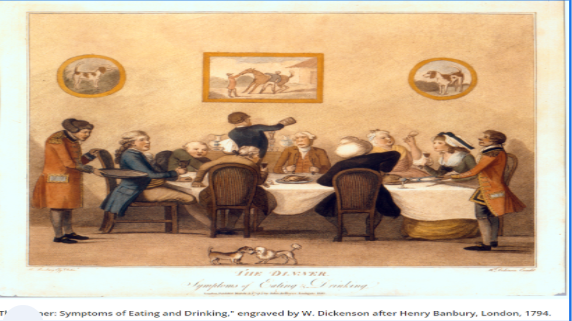
Seating formations at dinner - rise in seniority issues
Longest recorded rule of monarchs in European history
Began actual rule in 1661 after Cardinal Mazarin died
Married Maria Theresa of Spain (Uniting catholic powers)
Eliminated feudal culture and provincialism (localism)
Modernizing and uniting France
Had a dynamic Financial Minister (Jean-Baptiste Colbert)
colbert thought that economy and wealth should benefit the state (Raison d’etat)
Louis and War
Marquis de Louvois
Reformed the French military (Fronde barely defeated the nobility)
Royal forces were re-organized and forces grew to 400,000
Merit promotion and technology made French superior fighting force
Louis and Bureacracy:
Appointed professionals
XIV furthered the practice of relying on professional administrators to supervise main departments of state
Excluded the nobility of the sword from powerful gov. positions and increased role of intendants
provinces learned fovernment wishes (infrastructure, war machine, taxes, etc.)
Louis, Religion, and Science
1685 - Revocation of the Edict of Nantes (Edict Fontainebleau) no more religious tolerance
Skilled Huguenots emigrated (killing the French economy)
Persecution
Louis’s reputation was damaged, hostility among Protestant nations and France
Other countries improved as the Protestant refugees included skilled artisans and manufacturers
Catholic Orthodoxy (major religion in France)
Established Academy of the Arts & Sciences (1660s) to enhance France militarily, economically, and politically
Expansion: there was constant warfare to secure French territory in the north and east
War of Devolution (1667-1668): fought over claims to the Spanish Netherlands (Dowry for Maria Theresa as rationale).
Dutch War (1672-1678): French push into the Alsace (Rhineland) and Spanish Netherlands
Nine Years War/Augsburg War (1689-1697): European League of Augsburg formed to prevent French expansion into HRE
Purpose: formed to stop French domination in Europe
Made up of English, Spanish, Swedish, German, and Dutch forces
The Peace of Rijswijk - ended the war, secured Holland’s borders, prevented French expansion into Germany
War of Spanish Succession (1702-1713): Upon the death of Spanish King Charles II, Louis lays claims to the Spanish throne. HRE and European coalition form to defeat Louis.
Last Habsburg king of Spain (Charles II) dies w/ out an heir - 1700
Left inheritance to Louis’s grandson - Philip of Anjou (Philip V)
1701 - England, Holland, and HRE joined the Grand Alliance to maintain the balance of power (Philip V would have Spain AND France - other countries did not want this to happen)
France enters war poorly equipped and lack of proper financing
England dominates French in battle (due to tech and superior tactics)
War dragged on, financial burden to all nations involved
peace treaties, new alignment of power in western Europe
Spain and France lost power, Great Britain became new center for power balance
Louis XIV’s grandson King Philip V became king of Spain (1700-1746)
failed to gain power back after the war (military and economy)
Louis XV & duke of Orléans (regent) worked with Scottish financier John Law to establish trading company for North America (failed)
France gained financial stability under Cardinal Hercule de Fleury
Colonial trade = French prosperity
Treaty of Utrecht
Philip V remains King of Spain - renounces his place in line for French throne (no unification)
England given control of Gibraltar & trade agreement with Spain
Louis recognizes the right of house Hanover (1714-1901) to the English throne
Blamed tax collectors and local officials for the rising taxes during times of famine
Coups d’Etat, Pieds Nus, Croquants, Judges of Paris all protested
ordinary people were forced to make sacrifices to maintain Parisian luxury (their furniture was sold to pay for raising taxes)
The Paulette- a tax raised by Henry IV that was paid by gov. officials and judges over 9 years - made to pay for ongoing wars
Paying the Paulette allowed you to keep your job for life or u could sell it
Powerful bureaucartic class was derived from this
Nobles of the Robe- people who paid for their status (Came from the Nobles of the Sword- got status from military service for the king)
Anne of Austria and Cardinal Mazarin wanted to throw NofR out of office
She then had to threaten arresting resisting people
Many protests came from this
eventually monarchy had to release the imprisoned judges
this showed the great power of the NofR since the “Absolute Monarchy” clearly still lacked a bit of power
Jansenism: a movement that called for a complete purging of the self and fervent spirituality to replace the insufficient and deluded practices of the church. Only intense and full religious commitment could improve the state of France.
The Fronde: the series of civil wars in France between 1648 and 1653
Old nobility and courts did not want raised taxes without permission
Anne of Austria claimed they could raise the taxes since it was a kingdom
Uprisings led by the nobility, parliaments, and commoners who were frustrated with heavy taxation & centralization efforts of Cardinal Mazarin (regent ruler of young Louis XIV
Divine Right: the right from God to rule
Bishop Jacques-Benigne Boussuet preached in chapel of Versailles “it is God who establishes kings” “princes act as ministers of God”
Whatever king does is “correct”
“L’etat c’est moi” - Louis XIV
Divine Right = Religious conformity
Louis XIV thought having protestants in his realm was sinful
he revoked the Edict de Nantes in 1685
Protestants fled France, took businesses to Netherlands, German states, America, and Africa
Louis’s regimes worked bc of accomplished bureaucrats (intendants)
they oversaw tax collections and administrations in the kingdom
Jean-Baptiste Colbert - very important to France’s economy - managed merchants, shipbuilders, and artisans. Oversaw expansion (America)
Supported mercantilism - economic development and trade went hand in hand with war
Finite amount of wealth in the world - for one kingdom to win all others must lose
Louis credited him with building the navy, reforming legal codes, and establishing the National Academies of Culture
Turned French debt into surplus without raising taxes
People started to criticize absolute monarchies
English criticized the state of France under absolute rule
Exiled Huguenots called French slaves under Louis’s reign
Constitutionalism - started in England, still violent, started ideas about human rights
It was the reaction of absolutism
Peace of Utrecht declared that maintaining a balance of power was crucial to keeping peace in Europe (after war of Spanish Succession)
Diplomacy played a key role in preserving the balance (ex: 1685 - Frencch had embassies in important capitals)
Diplomatic system ensured continuation of the principles of the peace of westphalia (1648)
size of army determined state’s strength
Population statistics were used o explain the environmental causes of disease
Consolidation of the European State
Middle-class public emerged due to the spread of Pietism and Jansenism
participated in new development like religion
Europe had a balanced diplomatic system after Louis XIV died
less warfare, resources spent on expanding control domestically and in colonies
British Rise & Dutch Decline
William III/William of Orange (stadholder of Dutch Republic and joint ruler) - married to Mary of England, Wales, and Scotland
Died in 1702 and the nations divided
1707 - England, Scotland, adn Ireland unified - “Great Britain”
Dutch imperial power declined, relied on alliances with bigger powers
No successors to Britain, Anne (Mary’s sister) chosen by parliament to ensure Protestant succession
Protestant house of Hanover (Germany) would succeed Anne
Scots and Irish were Catholic, supported James II (they were opposed to this succession)
1707 - Act of Union, Scottish parliament abolished, Scots recognized Protestant Hanoverian succession, Scots obey British Parliament
1715 - Jacobite rebellion (Scotland), restoration of the Stuart line
90% of Irish were Catholic (also against Hanoverian succession)
Defeated by William III’s joint English and Dutch forces
faced legal restrictions and confiscation and lost land ownership
Catholics couldn’t: marry protestants, send children abroad for education, establish catholic schools at home, or participate in participate in government
Monarch ruled with Parliament (british constitutionalism)
1694 - Triennial Act, parliaments meet at least once every three yearss
Whigs vs. Tories
Whigs - supported Hanoverian succession
Tories - supported Stuart line and Church of England
1694 - Bank of England, allowed gov. to raise money at low interest for wars
Dutch lived without stadholder (after William III died)
merchant ruling class took power of the republic
Economic decline, except for New World trade
War of Devolution (1667-1668)
Fought by France to support Marie Therese who wanted to inherit the Spanish Netherlands
Treaty of Aix-la-Chapelle - Louis gained control of towns bordering the Spanish Netherlands
Dutch War (1672-1678)
Louis XIV targeted Dutch (he envied them for their economic success)
French took control of Burgundy to control Alsace-Lorraine
Treaty of Nijmegen - ends conflict inconclusively
Battle of Vienna (1683)
Ottoman turks try to overrun the Habsburg capital
City saved to multinational Holy League (Jan Sobieski)
18th Century Warfare
highly trained professional standing armies
soldiers drafted from lower classes
NOT total war (didn’t involve civilians)
states entered into war cautiously & withdrew quickly to maintain their large and expensive armies
infantry was important
inaccurate muskets
bright uniforms
Seven Years War (1756-1763)
prussia challenged Austria and France and GB fought over American territories
Diplomatic Revolution -
Started by Austria, a new system of alliances that moved France onto the side of Austria and Russia
Britain forced to side with Prussia to maintain balance of power
Prussia and Frederick II are able to survive the war and hold onto key territories (Silesia)
Britain wins victories against the French in North America, the Caribbean, and India
Treaty of Paris (1763) - puts Great Britain in power of North America and India
Effects:
American Revolution - Britain went into lots of debt (fighting in Europe AND America)
Confirmed dualism of Austria and Prussia
British colonial presence in India
Eastern Europe
Eastern Europe Consolidates:
Poland Lithuania was the biggest kingdom in Europe
Consensus government form - when monarch died successor king was elected
representatives from across the kingdom met to determine the new king
Commonwealth of Poland-Lithuania (1569) formally established
Candidates for king had to commit to religious pluralism
brought in Jews from Spanish and other intolerant regimes since it was tolerant
Also had parts of Ukraine
Sweden had control of Finland and had a united Lutheran population
wanted to expand in to Baltic region
War of Polish Succession (1733-1735)
France, Spain, and Sardinia joined the war against Austria and Russia (all fighting for the Polish throne)
Russia fight against the Turks who did not stop fighting
Austrians did not want to worry about Poland-Lithuania because of the Turks on its border
Hungary forced to submit to Austria
War of Austrian Succession (1740-1748)
Charles VI died w/ out a male heir in 1740
his daughter Maria Theresa would be the heiress (pragmatic sanction)
Frederick II of Prussia saw this as a chance to invade and get territory
Pragmatic Sanction (1713) - the agreement laid out by the Holy Roman Empire that secured Habsburg hereditary possessions
Basically ensured that Habsburg lands stayed Habsburg lands
gave women right to inherit Habsburg lands
France, Bavaria, Saxony, and Spain joined Prussia while Great Britain allied with Austria to stop French from taking the Austrian Netherlands (balance of power)
Silesia and Maria Theresa of Austria hold onto most of their possessions
France is vulnerable - military is stretched
Prussia rises by its capture of Silesia and asserts itself in Germany
Ottoman Empire - mostly muslim but had lots of Orthodox Christians
also attracted Jews since Habsburgs persecuted them
Muslims were more tolerant to religious minorities - didn’t harm them, just taxed them more
Mehmet I - took Constantinople (Byzantine) in 1453
Selim I - took Egypt in 1517
Suleyman the Magnificent - lots of middle eastern terriroy 1566, europe, africa, and mediterranean
Princes were raised to learn how to be a king
Ottoman Gov. drafted Christians into army and bureacracy ,converted them to Islam
Janissary Corps - rose to high postitions of government
Men had multiple wives (more women than men were there)
Ghazis (warriors)
Women had property and wealth - were able to purchase warehouses and manufacturing establishments
Women served as replacements when men were fighting
Hurrem (wife of Suleyman) did so
Russia
Ivan IV Vasilyevich “ivan the terrible”
Ivan III grew territory and created modern state structure (gov)
Ivan IV made improved code of laws and tax collection
Zemskii Sobor - orthodox church reps and wealthy townspeople assembled
People created images of the tsar connected to the divine
Connection btwn tsar and people was a divine continuum
autocratic state
Serfs (dehumanized)
Nobility worshiped the tsar
Everyone had a role to play in the system
Ivan IV expanded eastward and took Kazan
Cossacks - traded and sold military services to rulers and nobility, nomads, did not farm, democratic
Cossack Yermak Timofeyevich helped Russian advances into Siberia
When Ivan IV and his successor died Poland-Lithuania wanted to establish a Polish prince as the Russian tsar
Moscow was disorganized and monarchy was weak
“time of troubles” famine from 1601-1603
Poland lithuanian + swedish attacks on russa
A time of social political and economic uncertainty betwen Ivan the terrible and Romanov dynasty
Ended in 1613 and Michael Romanov - chosen by “assembly of the land” of nobles
Chosen by God and voice of peoples
Cossack troops took out Poland-L and Sweden
Tsar raised taxes, cut back on privelges for the people who helped him (bad bruh)
Cossacks (Ukranian oppressed peasantry supported them) reduced Polish power in war that killed thousands of Jewish and protestant minorities
1654 - Russo-Polish War (Kiev- Ukraine became part of Russia), Western part remained poland lithuania
Battle for Vienna 1683 - Polish king Jan Sobieski joined forces w Habsburgs to get out Ottomans
Russia had more Asian influence than European
Russian religion cam from Byzantium, not Rome (orthodox)
Asian territories had Mongol & ottoman influence
Ivan the Great- Broke the strangle of Mongol control & conquered territory around Moscow
Ivan the Terrible - Expanded russian territory & consolidated power. Made a wave of terror that executed enimies and he killed his own son
Codification of Serfdom: Compensating the Nobles for absolute power, serfs were subjected to further legalities, tying them to land on which they were born
Peter the Great: 1682-1725
Obsessed with western culture, tech, military, food, fashion
Launched a campaign to westernize Russia by putting the church under state control
Ordered men to shave beards, lauded the benefits of dentistry, and promoted wine & new food products
Forced subjects to wear German clothing instead of traditional Russian articles of clothing
Increased his power over the Russia Orthodox church by allowing the office of patriarch to remain vacant
1721 - replaced it with Holy Synod, a bureaucracy of laymen under his supervision
this building up of state authority altered balance of power in Eastern Europe
Took on Sweden (controlled Baltics) and allied with Denmark, Saxony, and Poland in 1700
Modernizations and Reforms:
Azov campaign - Peter led Russia against teh Turks to secure a warm water port in the Black Sea (failure - 1695)
He quickly modernized his military to gain Russian control back in the Baltic ports
made military schools, introduced conscription, promoted based on merit, and brought tech from the west
Peter encouraged foreigners to move to Russia for their advice and skills (to build St. Petersburg, marking Russia’s opening to the West)
He reorganized government and finance based on Western models
Used torture and execution to get his ways
1722 - The Table of Ranks, noblemen classified into military, administrative and court categories (state service)
The Great Northern War (1700-1721)
Peter the Gret was unsuccessful in securing territory along the Black Sea —> turned attention to Sweden
Russia unsuccessful at dislodging the Swedes from the Baltic region
Charles XII (Sweden) defeated the Russians although outnumbered
Peter eventually won a battle in 1709 at the Battle of Poltava
Russia gradually replaced Sweden as the dominant power in the Baltics
Treaty of Nystad (1721) - gave Russia significant territory in the Baltic & allows for the building of St.Petersburg
“window to the west”
King Frederich William I of Prussia joined the Russian side and gained new territories
he doubled the size of the Prussian army
Prussia was tiny but mighty
Peter and Catherine:
Peter died in 1725 - six tsars ruled Russia b4 Catherine
No direct male heir meant each succession was contested
Russian population from 1725-1762 jumped 50% to 19 milion
Catherine the Great: 1762-1796
Her first two acts were to have Peter III (her husband) murdered & to lower salt tax
fred
Established a legislative commission to review the laws of Russia
Wanted to abolish capital punishment, torture, and serf auctions
Her reforms:
Broadened Peter’s reforms by borrowing from the Austrian system of provincial elementary schools for noble children
Made teacher colleges to train instructors
Divided Russia into 50 provincial districts (350,000 people each)
Charter of the Nobility (1785) required nobles to serve locally
District councils w/ the right to petition the tsar became the centerpiece of Russian provincial gov.
The Black Sea:
Treaty of Kuchuk-Kainarji ended the Russo-Turkish War (1768-1774)
Russia gained access to the Black Sea, Asov Sea, and teh northern coast of the Black Sea (including teh Crimean Peninsula)
Annexation of Crimea (1783)
A big achievement - effectively bringing Crimea under Russian control
Allowed Russia to secure its influence in the Black Sea and made a naval base at Sevastopol
Pugachev Rebellion:
Led by Emelyan Pugachev (1773-1775)
He claimed to be Tsar Peter III
Rallied around Cossacks like himself
Resented the loss of their tribal intependence
3 million people participated in the rebellion
Catherine tightens the nobles control over serfs and punish those who criticize serfdom
English Civil War: 1642-1651
Causation
Political - conflict was partly over national sovereignty (authority) betwn the monarchy (Stuarts) and Parliament
Religious - Puritans (protestant) wanted to cleanse the Anglican church of anything resembling Catholic doctrine
James I
Came to power in England b/c Elizabeth I did not have an heir
From Scotland
Failed to reform the Anglican Church
Lectured about his divine right and absolutist powers while strengthening the hierarchy that existed in the Anglican Church
Puritans wanted this hierarchy to be eliminated from the Church
Essentially James I and Puritans don’t get along and can’t compromise
Charles I (son of James I)
Parliament issued the Petition of Right (1625)
The king cannot levy taxes w/ out consent of Parliament
King also could not arbitrarily imprison people
Star Chamber - committee that allowed king to arrest and imprison who he wanted (abolished in this petition)
ship money angered members of new mercantile class
Charles had religious policies that angered Puritans
Instalment of William Laud and the Book of Common Prayer
caused Scots to rise in rebellion
The book told people what to do in religion
This all caused tensions to rise
Charles calls Parliament back into session after 11 years of personal rule (1640)
Parliament rejects King’s request for revenue through taxation
Charles is stubborn and arrests 5 Parliament members for not doing what he says
War breaks out btwn the royalist Cavaliers (monarchists/for Charles) and the parliamentary Roundheads
Oliver Cromwell - emerges as the leader of the Roundheads (parliamentary forcces)
Cavaliers:
belief in Divine Right of Kings
agreed that Charles had the right to take takes when he wanted (ship money and grant monopolies)
supported bishops and agreed w/ Archbishop Laud’s reforms in the Church of England
though people should obey the king (wrong to go to war against him)
traditional people
Roundheads
belief that Parliament should make the laws and govern the nation;
belief in the principle of no taxation without Parliament's agreement;
a hate for the bishops and want Puritan reforms to make the Church of England more Protestant;
have no personal loyalty to the king, and believe that there was no need to obey the king if he was wrong.
Charles I Executed (1649) as decreed by the Rump Parliament
Cromwell Under Siege
wars doubled the English budget from what it had been under Charles I
Increase in property taxes and customs duties angered the merchant class
leadrers of Parliament suggested disbanding the army
Cromwell abolishes Rump parliament
makes himself Lord Protector
Charles II (1660-1685)
favored Catholicism
signed the (secret) Treaty of Dover w/ Louis XIV in 1670
Catholic leaning led to the Test Act by Parliament in 1673
Able to dissolve Parliament with funding and aid from France
Restoration
Reign of Charles II was called the Restoration period
Cultural flourishing after austere (strict) years of Puritan rule under Oliver Cromwell’s Commonwealth
Reopening of theaters, comedy shows, and allowing women on stage
Patronage of the Arts, inspired by Louis XIV (ex: St. Paul’s Cathedral)
Established the Royal Society of the Arts
Embraced the sciences as seen by the works of Robert Hooke and Isaac Newton
Glorious Revolution
Members of Parliament called for William of Orange - a protestant (William III) to the throne bc of the Catholic dynasty
Both sovereigns agreed to an English Bill of Rights (emergence of constitutionalism, balance of power between Parliament and the citizens)
Toleration Act: protestant dissenters could worship but were excluded from the office
Act of Succession: monarchy could never be held by a Catholic
Dutch Golden Age
1576 - Dutch defeat Spanish after the Eighty Years War/Dutch Revolts
1648 - United Provinces of the Low Countries became functionally independent
1648 - Peace of Westphalia
Northern Dutch states became the Netherlands
regents for each province
states general (representatives for each province)
Stadtholder - single executive chosen all provinces
disagreements about the role of stadtholder - should he be a monarch or republic
Provinces disagreed on war & politics
People fled to Netherlands to escape religious persecution (puritans, Jews, calvinist Huguenots)
diversity allowed netherlands to prosper
Cornelis Matelieff - oversaw Dutch spice trade (especially in Indonesia)
Used armed military forces to overtake land for trade (used force and threats)
Built a network of canals that connected major cities, improving communication and trade
Jan Van der Heyden - Long burning wick brought ligh to cities after dark (reduced crime)
Portable pumping devices that extinguished fires
Art depicted common people and their everyday lives
Working class had intellectual material
Navagation Act 1651
Mandated English made ships and all English ports
This was legislative mercantilism
tarrifs are a type of this mercantilism
Anglo-Dutch Wars (1652-1874)
English provoked Dutch in warfare to get advantage in trade
Treaty of Breda - ended War of 1665-1667
English gained permanent control of New Amsterdam/New York
Dutch republic politically divided end of 1600s
The Enlightenment
It challenged the idea that kings & nobles were qualified to be elites bc of the families they were born into
Enlightened Monarchs — rulers who supported Enlightenment thinkers
they had to adapt to the Enlightenment
Catherine the Great of Russia spoke with Voltaire (philosophe), a critic of tyrannical rule
She emphasized education and founded schools for girls
said she would improve status of the serfs yet imposed taxes
Philosopes aristocratic criticisms
torture
censorship
arrogance
capriciousness (kings and nobility could have ordinary people put in prison as they pleased)
Many enlightenment thinkers believed that nobles were despotic
Montesquieu - 3 types of gov
democracies - small states
monarchies - mid-sized kingdoms
despotic states - empires governed with iron hand
Many preferred Britain’s law-based monarchy (parliament and courts separate from power of monarchs
Toleration -
Emancipation of the Jews - they could not use their own languages except for religion
reduced persecution
put Jews in the work force
French rulers
tried to reform taxation by eliminating the Parlements (blocked monarchies attempts at making taxes more equitable)
Parlements registered royal decrees and members could sell their jobs to highest bidder
Reform was good but also upset social stability
Spain
wanted to streamline government and enhance revenue
The Bourbon Reforms - made governmental administration more effective when collecting taxes
People of Spanish descent & born in Spanish colonies could rise higher in the colonial bureaucracy and army - prevented from reaching the top echelons along with natives
royal administration saw the Catholic Church in the colonies as competing for local’s loyalty
administration outlawed Jesuits bc they believed they were trying to get people to loyal to Jesus rather than the Spanish king
Aristocrats protested Enlightenment reform
still had good luxuries like Chinese porcelain and lived in Chateaux
The Atlantic System and the World Economy
Western European nations sent ships of goods to teh western coast of Africa to buy slaves
slaves were transported to North and South American colonies and the Caribbean and sold to plantation owners
they produced coffee, sugar, cotton, and tobacco
these were then transported back to Europe
Slavery and the Atlantic System: 18th centruy (1700s)
Europeans took advantage of the wealth that the plantations brought
Indentured servants (white European men and women who gained land from agreeing to work for several years)
had more rights and did not lose as much as the slaves
Plantations highly benefited from cheap slave labor
they produced mass quantities of raw materials (agricultural products) at low prices
State-chartered private companies (from Portugal, France, Britain, the Dutch Republic, Prussia, and Denmark) took advantage of west Africa for slaves
most of them went to Brazil or Spanish America before 1675
more were transported to the Caribbean in 1725
After 1800, plantation economy began to expand into North America
Europeans traded textiles, cowries (shells from the Indian Ocean), and firearms for enslaved people, altering local African power structures and creating political instability
Male population of West Africa significantly decreased and many turned to polygyny
Many enslaved people died on the ships
they were crammed shoulder to shoulder for months
they were stripped naked and branded with red-hot irons
many women were raped by the saillors and officers
Arrival In North America:
the slaves were sold and given new names (first names only)
had to learn the master’s language
they worked 15-17 hour days and barely fed
Many enslaved people working with sugar died
the importation of more strong male slaves became necessary to compensate for the loss of lives
1863 - greater slave population in North America (sugar was not as common here)
Disciplined through whipping and other physical punishments
Many slaveholders feared that their slaves were congregating and planning escape since they spoke in other languages
White people were often outnumbered by the Africans in the South (and especially the Caribbean)
Caribbean plantation owners often left their colonial possessions in the care of agents and merely collected the revenue so that they could live as wealthy landowners back home
Slave trade changed diets of ordinary people
Sugar was a luxury and prescribed as medicine before the end of the 16th century
Europeans justified their actions by demeaning the mental qualities of the enslaved
They described them as “animal-like” or compared them to apes (racist ideologies - social darwinism)
There was irony as North American colonists started to spread ideas of liberty and rights due to British taxation while simultaneously believing that the Africans were meant to be enslaved
World Trade and Settlement
European trade relations spread all over the globe through the Atlantic system
Spain and Portugal fought over South America while the British and French fought for the north
Racial attitudes were different between the north and the south
Spanish and Portuguese tolerated interracial marriage w/ the native populations in Americas and Asia
mestizos (spanish fathers and native mothers) made up over ¼ of the population in Spanish colonies
these marriages caused massed conversion to Christianity
There was a large imbalance regarding the mass amounts of men immigrating to the Americas vs the women
People lived outside the law
English and Dutch had pirates that seized Spanish and Portugeuese ships
Pirates were English, French, and Dutch groups who were deserters and crews from wrecked vessels in the Carribean
they were called buccaneers and governed themselves
they preyed on all ships regardless of the nations
post-1700 colonial governments wanted to get rid of them
There was little European settlement in Africa and Asia
Dutch and Portuguese were in Angola and the Cape of Good Hope
China - catholic missionaries came
1,000 Europeans settled in Guangzhou
most were in Java (East indies/Indonesia) and India
Dutch settled in Java for coffee and Asian trade
Western european countries competed in India for spices, cotton, and silk
The staple of trade with India in the early 1700s was calico — lightweight, brightly colored cotton cloth that caught on as a fashion in Europe. English and French slave traders sold calico to the Africans in exchange for slaves.
Colombian Exchange vs. Atlantic system vs. Triangular Trade
The Atlantic system is the overarching economic system connecting Europe, Africa, and the Americas, while triangular trade is a specific, three-legged trade route within that system focused on the exchange of manufactured goods, enslaved people, and raw materials. The Colombian exchange is a broader, earlier process of biological and cultural transfer of plants, animals, diseases, and technologies between the Old and New Worlds.
Commercial Revolution:
17th & 18th centuries (16 and 1700s)
direct connection to early exploration and colonialism (CCOT)
Colonialism/exploration → Commercial Revolution → Industrial Revolution
Market and demand for new products drove tech and led to progress
Laid the foundation for the Industrial Revolution
financial institutions broke up feudal society
Goals of Mercantilism:
18th century economists believed the system was necessary for the nation to gain a favorable trade balance of gold and silver
Believed national wealth was a zero sum game (if one nation’s economy grows, another falls)
caused a rise of economic nationalism (continuity in Europe)
Countries sought monopolies, navigation laws, and tariffs that benefited the State
The Slave Trade and Atlantic Economy
Absenteeism and the Plantation System
Each country’s time period of dominating trade
Portugal - 16th c. (1500s)
The Dutch - 17th c (1600s) - dutch east india company
The British - 18th c (1700s)
Triangle Trade System
European goods (guns) →Africa
Slaves →West Indies
Commodities (agricultural products) →Europe
fueled the consumer revolution
Consumer Revolution:
Emerging middle-class
Indulgence of luxury items
more people had access to these due to the rising middle class →increase in demand
sugar
coffee
tobacco
tea
rum
these were all status symbols of wealth
Expansion of global trade → diversity of products in marketplace
Agricultural Exchanges and Nutrition:
Columbian Exchange
Introduction of secondary carbohydrates (potato) helped reduce famine
Diversity of diet →longer and healthier lives
Increase in population → immigration
Old world crops and animals thrived in the Americas → people sought to leave Europe
Commerical Rivalries
Colonial rivalries = naval buildup to secure trade
British and Dutch East India Companies used private an dpublic investment to create monopolies and ensure domination over territories in Asia (India and Indonesia)
Labor and Trade Freed
Emergence of British textile industry (wool→ cotton)
industry that created sub-industries
This new model destroys the guilds (association of craftsmen who had power) as it paid wages to workers directly
La Chapelier Law (French Revolutionaries) - outlawed guilds, union, and strikes
what are the rights of humans?
Freeing of labor and trade promoted by Adam Smith in the book Wealth of Nations (1776)
Agricultural Revolution
Mixed farming and use of nitrogen replenishing plants
Enclosure movement - privatized public lands → greater efficiency and new machinery
seed drill, mechanical hoe, thresher (separate grain from plant)
Britain - elimination of internal tariffs, custom barriers, and tolls helped free the grain trade and lead to public investment in infrastructure