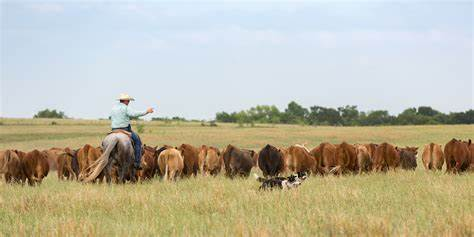
AMSCO - 5.1 Introduction to Agriculture
Introduction to Agriculture
- Agriculture - The process where humans change the landscape to raise crops and livestock for consumption.
- The two elements shaping agriculture are physical geography (soil type, landforms) and climate.
- Economic factors impact agriculture, the demands of the consumers change what farmers will grow.
- Climate - The long-term weather patterns of a place
Physical Geography and Agriculture
- Physical geography affects agriculture, nutrient levels in soil determines what crops can be grown.
- Animals and crops need water.
- Certain crops need different types of soil.
- Crops like sorghum can grow in the low nutrient soils found in rainforests, while cotton needs nutrient rich soils.
- Landforms shape agricultural activity.
- Flat expansive land is best suited for agriculture, on the contrary rugged land is not as suitable.
- Humans have altered the landscape to increase agricultural production.
- As seen with techniques like irrigation, terrace farming, deforestation, desertification, and drainage of wetlands
Climate and Agriculture
- Apart from human intervention, economic and environmental factors influence agriculture the most, and determine the types of animals and crops raised by farmers.
- Most of the earth supports some type of specific agricultural activity.
- This, except for areas that are physically extreme, like high latitudes, high elevations, extremely high or low precipitations.
- In these areas, population density has been low for most of human history.
- The development of a country and its modern technologies can increase agricultural productivity and can fight climatic obstacles.
- In the harsh cold climates of Iceland and Greenland, farmers can now grow crops in greenhouses.
Cultural preferences and climate also play a role in what types of crops is grown.
- The climate of the middle east is ideal for raising hogs, although since in this area Jews and Muslims are dominant, and as people in these religions are prohibited from eating hogs, farmers choose to raise other animals.
Economic Factors and Agriculture
- Many people in the world are involved in food production, but there is a big difference between those who consume it and those who produce it.
- Subsistence Agriculture - In subsistence agriculture, crops and livestock are grown to meet the immediate needs of the local community.
- In case of there being a surplus of food, farmers will sell these crops to their local market.
- Subsistent farmers live in less developed regions and have farms smaller than 2 acres.
- Has limited technology and limited land, makes it harder for these farmers to grow surplus food to sell or trade.
- Commercial agriculture - Crops and livestock are produced and sold for profit.
- Most common in semi-periphery and core countries
- Has become increasingly common in semi peripheral countries, like Brazil and China
- Commercial farmers will often strive to increase their yields as much as possible and will use the profit they gain to purchase more land, equipment and technology.
- Interaction of economic factors and climate changes the type of agricultural activities
- Animal herding is done in the USA, Canada and North Africa, yet it is done in these places for different reasons, the USA raises livestock for profit and their herds are larger in size, while in North Africa, nomads raise these herds for the gain of the local community, and not sold to other areas.
Intensive and Extensive Farming Practices
- The resources and labor put into the raising of animal or crops can influence agriculture.
- Intensive agriculture - Farmers will invest in high amounts of inputs.
- Inputs are factors that maximize yields, such as energy, fertilizers, labor or machines.
- Extensive agriculture - Farmers will use fewer amounts of inputs, resulting in less yields.
- Capital - Money invested in land, equipment and machines.
### Farming Practices
@@Intensive Commercial Agriculture -@@ High amounts of investments on inputs, resulting in high yields which are then sold to markets for profit.
- Always capital intensive but can also be labor intensive.
- Near transportation to access markets
- High crop and livestock productivity
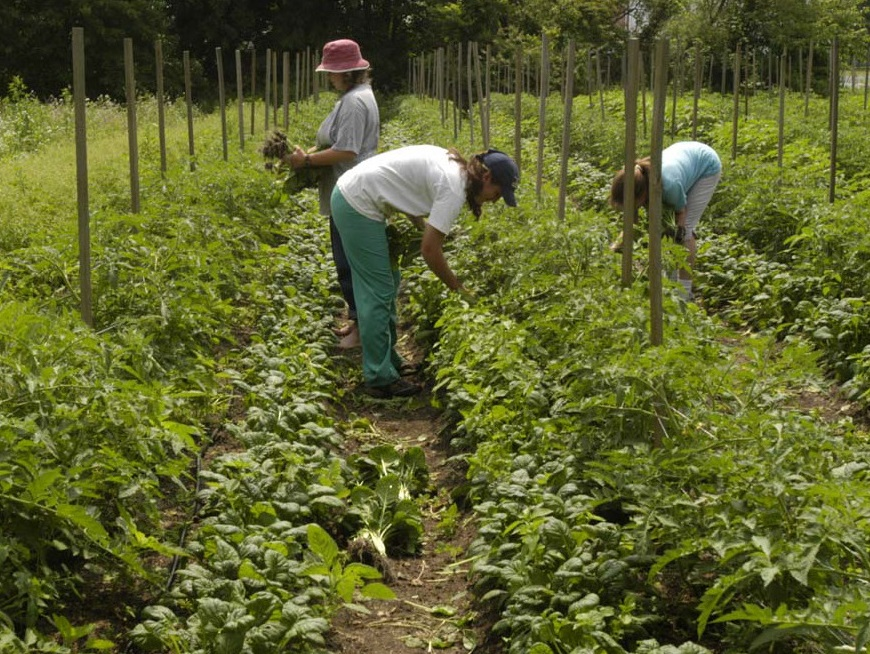
==Intensive Subsistent Agriculture -== uses high amounts of inputs, such as labor to feed local community.
- Labor intensive, but not capital intensive
- Near towns and cities with access to local markets
- Low crop and livestock productivity
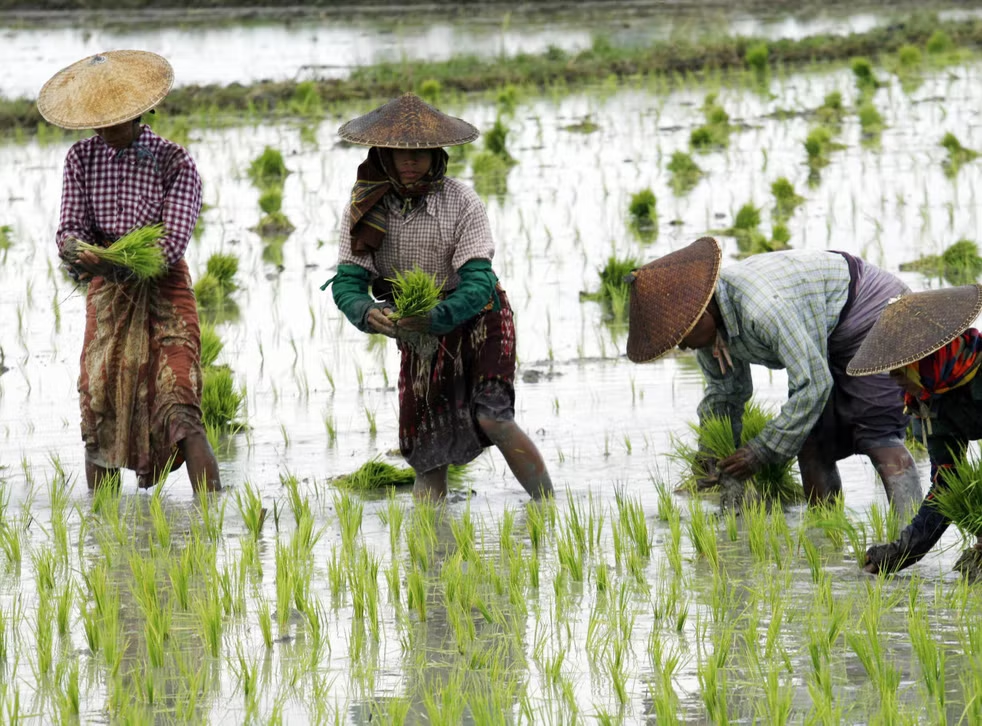
Extensive Commercial Agriculture - uses low inputs yet the products are grown for product.
- Transportation access to local, regional and global markets
- Not labor intensive but capital intensive
- Crop productivity is high, livestock productivity is low.
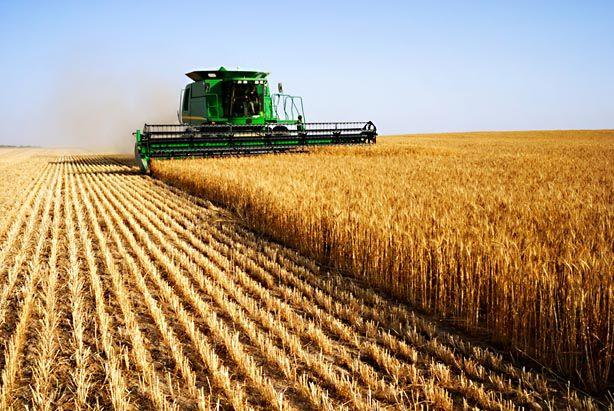
Extensive Subsistent Agriculture - Uses few inputs, crops are given to feed local community and farmers.
- Practiced in sparsely populated areas.
- Has limited access to local markets.
- Labor intensive but not capital intensive
- Crop productivity is low, livestock productivity is low.
- Practiced in areas with climatic extremes.
- Examples include nomadic herding and shifting cultivation.
Agricultural Practices and Regions
- Around the world, there are 11 agricultural regions.
- these agricultural regions are influenced by level of development, climate and profits gained from crops.
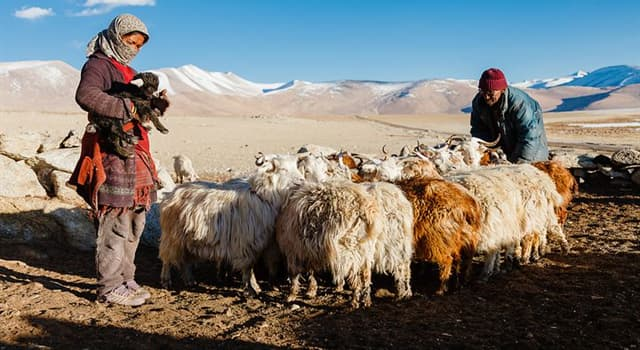
Pastoral Nomadism
- Type: Subsistence Extensive agriculture
- Climate: Drylands (semi-arid and arid regions)
- Nomads rely on animals to survive.
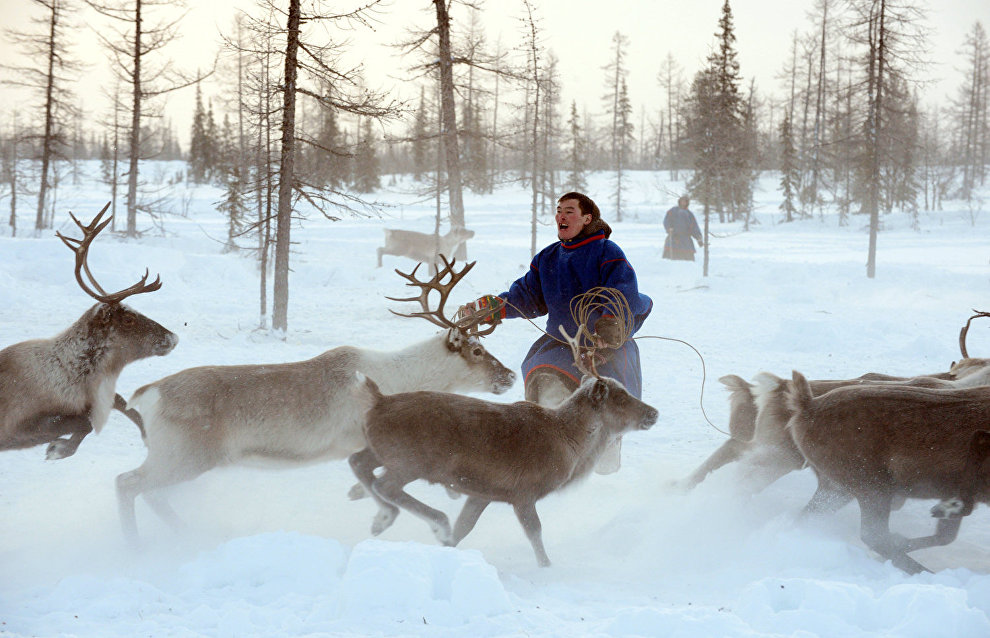
- Herding animals such as cattle, camels, reindeer, goats, yaks, sheep and horses
- Nomads use their hides for clothing and shelter & meat for food.
- Nomads will move to different pastures within their territory (depending on the season)
- Meat and crops are traded with other subsistent farmers nearby.
Examples:
- South Central Asia + East Africa: will herd cattle to adapt to hot climate
- In the deserts of the middle east: people will rely on camels as they can survive without water for long periods
- In Siberia, people will rely on reindeer as they thrive in cold climates.
Shifting Cultivation
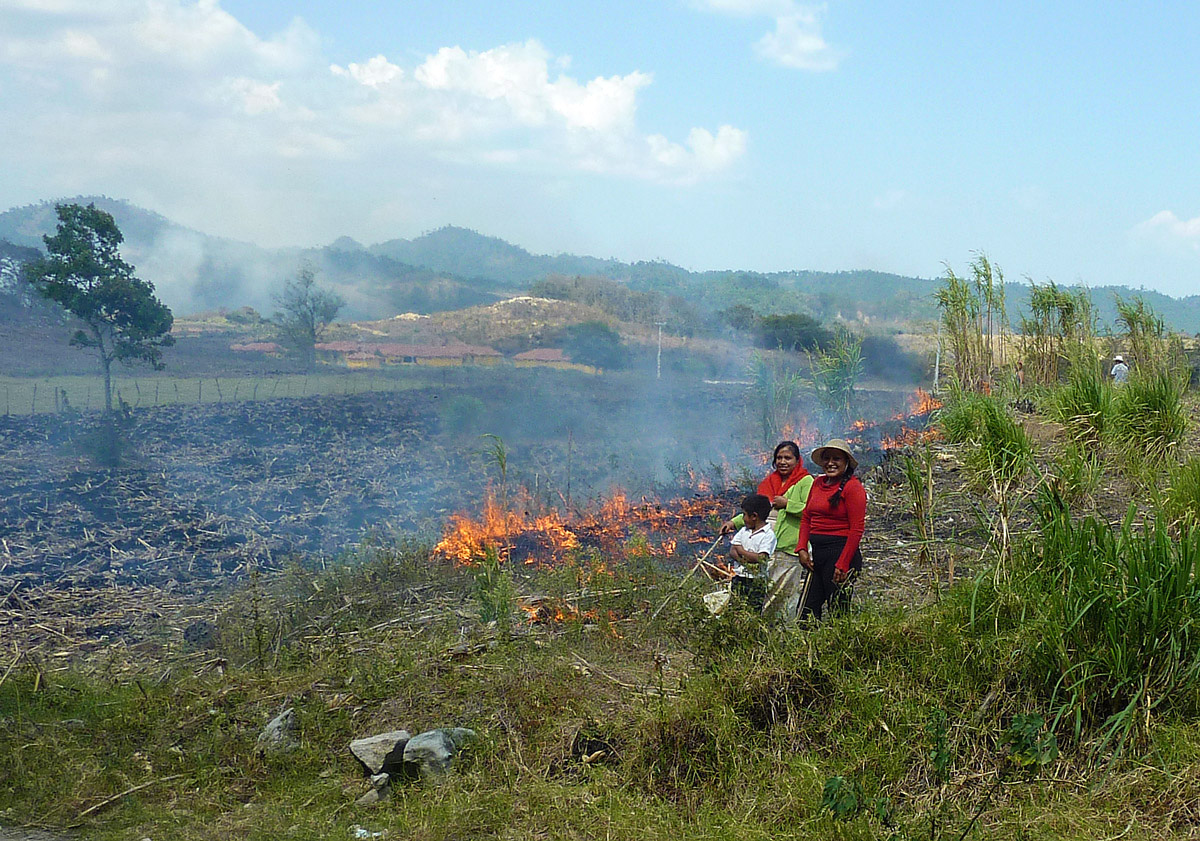
- Farmers will grow crops on a piece of land for a year or two, and once the soil loses fertility, they will move their crops to another piece of land.
- Involves large expanses of land in order to change crops so frequently.
- A subcategory of this practice is called slash-and-burn agriculture
- Farmers will clear unfertile land by burning farmland, which lets the nutrients of the soil reset
- the burnt farmland is let to rest for a few months, while crops are grown in another land, and the cycle repeats itself again
- If done on a large scale, this practice can be unsustainable for the environment
- Done in tropical climates.
- Seen in Latin America, Sub-Saharan Africa and Southeast Asia
- Examples: Rice in Southeast Asia, Millet and sorghum in Sub-Saharan Africa and maize in South America
- Subsistence extensive agriculture
Plantation Agriculture
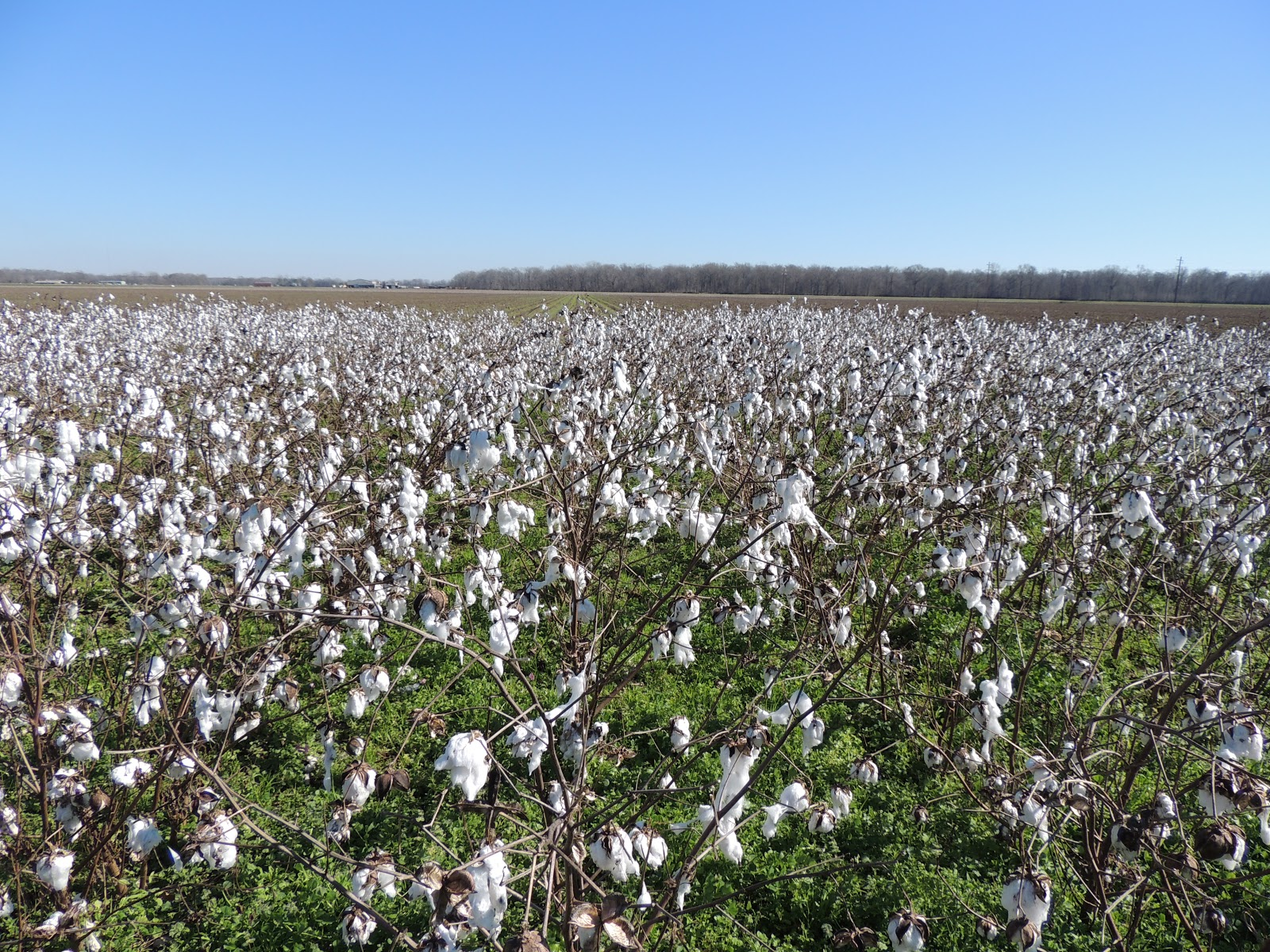
- Plantation - A large commercial farm specializing in one crop.
- Plantations are found in low latitude places with high rainfall and hot, humid climates.
- Plantation agriculture was founded by colonizers in colonies to encourage the growth of a single crop, making large area expanses for such crop in order for them to gain from that crop.
- Labor intensive, exploit low wage workers.
- Intensive commercial agriculture
- Plantations include cotton, tobacco, sugarcane, coffee, cocoa, bananas, tea, and rubber.
- Processing occurs near plantations to cheaply transport bulky crops.
Mixed Crop and Livestock Farming
- Intensive commercial form of agriculture
- One person will own land where crops are grown, and another person will own the cattle, (or one person can own both types of farms)
- Crops are grown to fatten cattle, and the animal’s manure is used to fertilize crops.
- Seen most commonly in developed regions.
- Such as Midwestern United States or Northern Europe.
Grain Farming
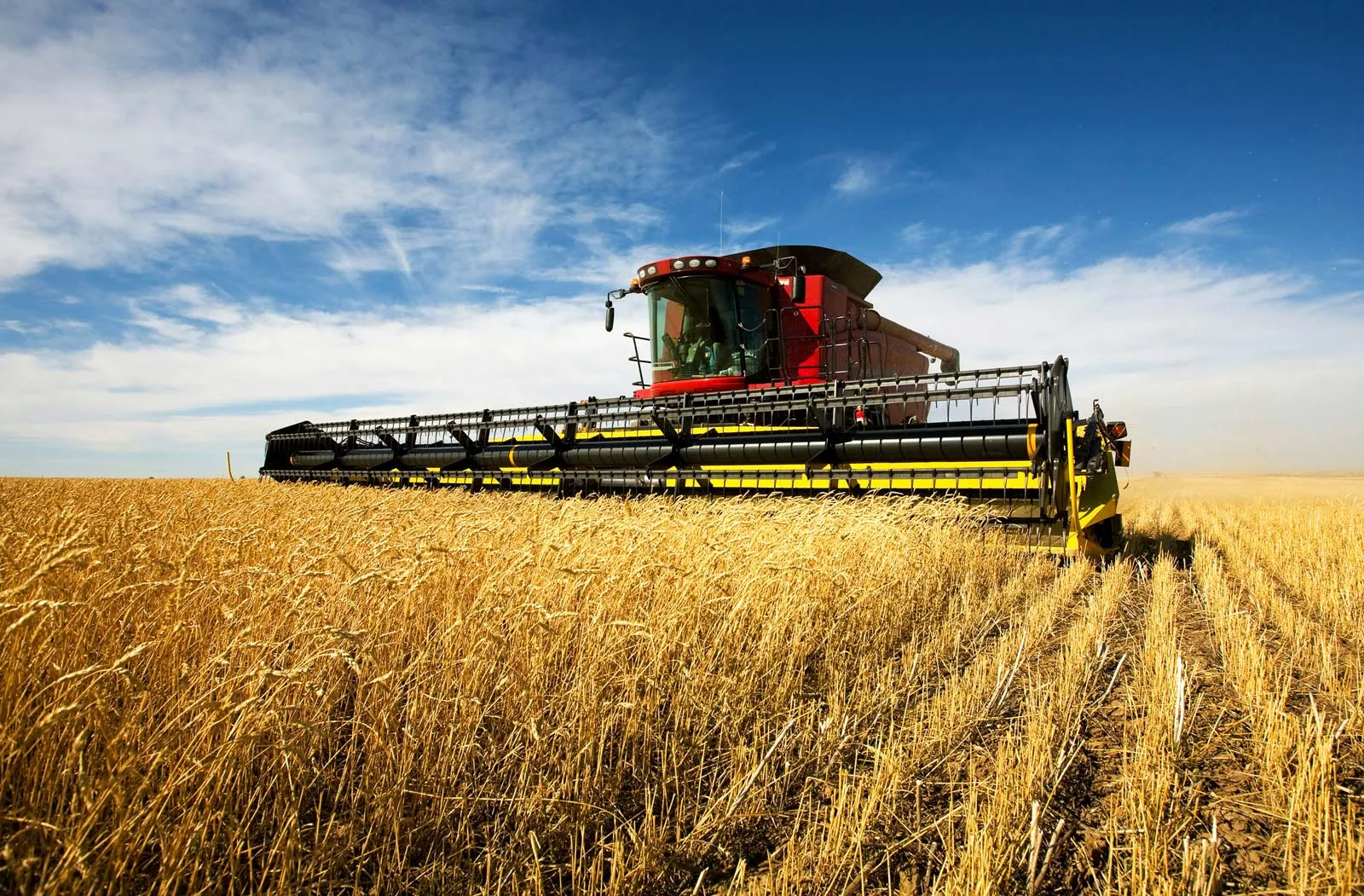
- Growth of wheat
- Done in areas too dry for mixed crop agriculture, usually prairies and plains
- Most commonly grown in areas like China, India, Russia, and the United States.
- Type of wheat grown reflects climate.
- Spring wheat - planted in early spring, harvested in early autumn.
- Done in colder regions such as Canada, Montana and the Dakotas
- Winter wheat - planted in fall and harvested in early summer.
- Grown in warmer regions such as Kansas, Oklahoma and Europe
Commercial Gardening
- Most fruits and vegetables grown in the U.S are grown in large scale patches of land, an agricultural practice called commercial gardening.
- Products are traditionally driven to local urban markets and sold, today these trucks are refrigerated, which allows products to travel further distances.
- These large-scale farms are found in places like California, Arizona and Southeast states in the U.S.
- Typical vegetables and fruits include:
- Apples, oranges, tomatoes, broccoli and lettuce
- In the winter, the United States imports fruits and vegetables from Mexico and Chile
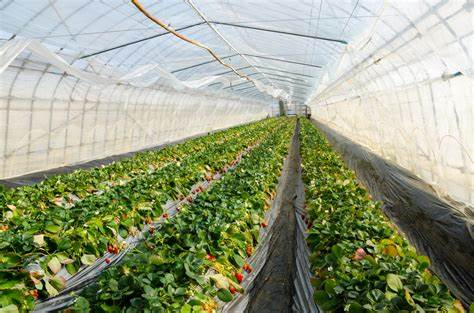
- Market gardening - when fruits and vegetables are grown near the market and sold to local suppliers, stores and restaurants.
- Requires lots of investment for greenhouses and fertilizers.
Dairy Farming
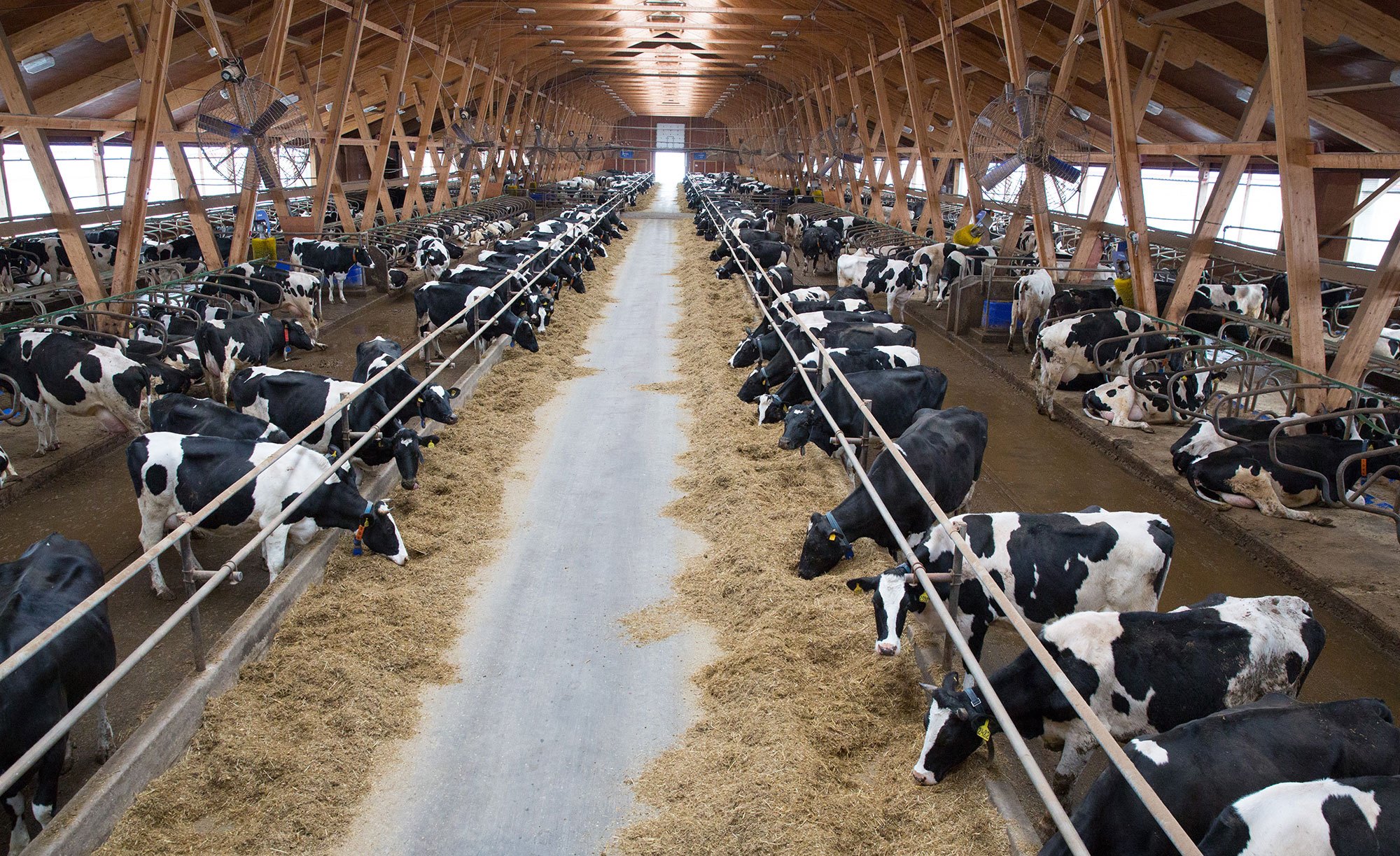
- Traditionally, dairy farms were located very near markets and only supplied small regions due to perishability of milk.
- This pattern is still seen in less developed regions of the world.
- Due to advancements in food preservation, such as the refrigerator, this expanded the region which milk is delivered.
- Resulting in large corporate dairy operations replacing small family-owned farms.
- Although fewer dairy farms exist today, production has increased highly.
- Dairy farms are located mostly in the United States, Canada, and other developed countries, near urban centers and transportation corridors.
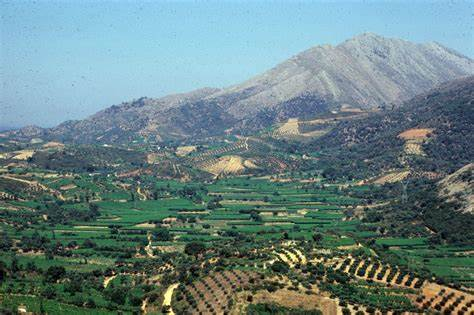
Mediterranean Agriculture
- Agriculture practiced in Mediterranean climates.
- These regions have hot dry summers and mild winters, narrow valleys and some irrigation.
- Regions where Mediterranean agriculture is done include Southwestern Africa, Southern Europe, Northern Africa, Southwestern Asia, Southwestern Australia, California and central Chile.
- Common crops grown are figs, dates, olives and grapes.
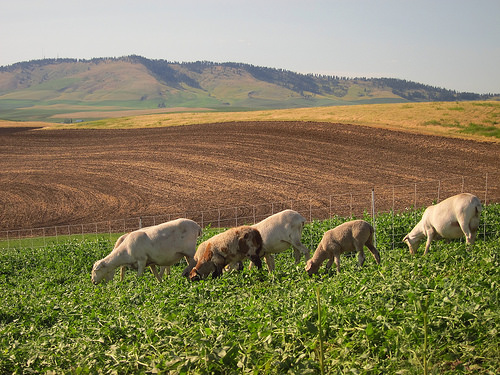
- Herders in these regions practice transhumance
- Transhumance - The seasonal herding of animals, higher elevations in the summer and lower elevations in winter.
- Sheep and goats will be commonly herded in these regions.
Livestock Ranching
- The commercial grazing of animals confined in a specific area.
- Livestock is grown in semi-arid or arid regions, areas too dry to grow crops in large quantities.
- Ranching is commonly done in the United States, the Pampas of Argentina, Brazil, Uruguay, parts of Spain and Portugal and central Australia.