Reproductive/Genitourinary system
Welcome to The Reproductive and Genitourinary System module. In this module, you first review both the reproductive system and the urinary system. You will then learn about medications that affect the reproductive system. Finally, you will learn about medications that treat disorders of the urinary system such as urinary incontinence and urinary retention.
Learning Objectives
Describe the structures and functions of the reproductive and genitourinary system.
Identify medications and their expected actions used to treat a variety of disorders affecting the reproductive and genitourinary system.
Explain the adverse reactions, contraindications, and interactions associated with medications used to treat a variety of reproductive and genitourinary disorders.
Describe instructions the nurse should provide to clients receiving medications to treat a variety of reproductive and genitourinary disorders.
Apply the nursing process related to medication therapy used to treat reproductive and genitourinary disorders.
Male and Female Reproductive Systems
Nursing includes caring for clients whose assigned sex at birth matches their gender identity (cisgender), clients whose sex does not match their gender (transgender), and clients who are intersex. Learners should be aware of varied sex and gender identities that could present in the client population. For clarity, Pharmacology Made Easy uses terminology of male and female for sex to refer to clients and reproductive systems throughout these lessons.
Female Reproductive System
Female Reproductive System
Video Transcript
Male Reproductive System
Male Reproductive System
Video Transcript
Urinary Tract
Urinary Tract
Video Transcript
Goal of Medication Therapy
The goal of medication therapy for reproductive and urinary disorders is to prevent conception and/or treat premenstrual syndrome, manifestations of menopause, the cause of endometrial hyperplasia and endometriosis, and infertility. In pregnancy, reproductive medications induce or stop uterine contractions, accelerate fetal lung maturity in premature labor, and prevent and treat seizure activity in pregnant clients. Other medications for reproductive and urinary disorders provide androgen replacement therapy, or treat benign prostatic hypertrophy and outflow disorders, erectile dysfunction, incontinence and overactive bladder, and urinary retention.
To understand how the medications in this module affect the body, it’s important to understand the anatomy and physiology concepts that this lesson presents. Remember to refer to this lesson if you have difficulty remembering how one of the systems functions or the effects of some of the hormones or enzymes. The female reproductive system is composed of internal and external genitalia. The internal genitalia include the ovaries, fallopian tubes, uterus, cervix, and vagina. The external genitalia includes the mons pubis, clitoris, urethral meatus, labia minora, labia majora, and perineum. Female reproductive physiology focuses on the menstrual cycle.
This lesson focuses on medications that address various concerns and disorders of the female reproductive system. The first few medications in this lesson address medication therapy for contraception and premenstrual syndrome, or PMS. PMS consists of a variety of severe manifestations, which begin during the luteal phase of the menstrual cycle and spontaneously resolve each month after menses begin. Manifestations may include water retention, headache and backache, diarrhea or constipation, irritability, depression, and mood swings. PMS can be treated with lifestyle changes such as exercise and decreasing sodium in the diet.
Medication therapy consists of oral contraceptives, selective serotonin reuptake inhibitors, or SSRI antidepressants, calcium supplements, mild analgesics, and diuretics. Hormonal contraceptives are available in multiple forms: oral, injectable, transdermal, vaginal, and intrauterine devices (IUD). This module discusses oral, injectable, and transdermal formsOral Contraceptives
There are two types of oral contraceptives to prevent pregnancy. One form is combination therapy, consisting of estrogen and progestin in a wide variety of forms and hormonal strengths. Estrogen is provided in the form of either ethinyl estradiol or mestranol for contraception. Progestin may be in several forms, including norethindrone, levonorgestrel, drospirenone, or some other progestin. The second type of oral contraceptive is a single progestin rather than a combination of estrogen and progestin. This usually involves the use of norgestrel or norethindrone. This module addresses combination oral contraceptives.
Some combination medications in this category also treat fluid retention, which causes many of the uncomfortable manifestations associated with premenstrual syndrome. Other general uses for oral contraceptives may include decreasing frequency of hormone-induced migraine headaches, stabilizing regularity of the menses, and reducing risk for disorders such as uterine and ovarian cancers, pelvic inflammatory disease, benign breast disease, and ovarian cysts.
Prototype and Other Medications
Ethinyl estradiol and drospirenone: Medication Classification: Oral contraceptive (contraceptive hormone)
The prototype medication for oral contraceptives is a combination of ethinyl estradiol and drospirenone. Other oral contraceptives include ethinyl estradiol and norethindrone.
Expected Pharmacologic Action
The estrogen and progesterone in oral contraceptives mimic the properties of natural hormones, except they provide constant, rather than the normal fluctuating, levels of these hormones. As a result, secretion of FSH and LH is suppressed. Because FSH causes maturation of an ovum and LH causes the ovum to release from the ovary, ovulation is prevented. In addition, the progesterone in oral contraceptives promotes production of thick cervical mucus, which provides a barrier to the passage of sperm. Oral contraceptives also prevent sufficient thickening of the endometrium, which is the lining of the uterus, so that even if ovulation occurs, the ovum is unable to attach to the uterus. The progestin drospirenone in this particular contraceptive is similar in structure to the potassium-sparing diuretic spironolactone, which blocks aldosterone receptors and prevents retention of sodium and water, which decreases ankle edema. The combination of ethinyl estradiol and drospirenone is also effective in decreasing some of the uncomfortable effects of premenstrual syndrome, which include water retention with abdominal bloating and pain. When you use drospirenone, there is less risk for the side effect of hypertension that accompanies oral contraceptive use.
Adverse Drug Reactions
Combination oral contraceptives increase a client’s risk for thromboembolism, which may in turn cause myocardial infarction, pulmonary emboli, or stroke. Oral contraceptives may also cause abnormal uterine bleeding and promote the growth of existing breast cancer. Female clients who have the gene mutation called BRCA1 are at an increased risk for developing breast cancer if they take oral contraceptives. Current research shows that the risk for breast cancer does not increase in clients who do not have the BRCA1 gene mutation. Hypertension is another adverse effect of oral contraceptives in general; however, there are exceptions, especially with the low estrogen preparations currently available. Ethinyl estradiol drospirenone poses less risk for hypertension, due to the diuretic effect of this particular progestin. But because drospirenone acts like a potassium-sparing diuretic, this contraceptive increases a client’s risk for hyperkalemia or increased serum potassium levels.
Safety Alert
Clients taking oral contraceptives need to have their blood pressure checked regularly. Combination oral contraceptives can cause an increase in blood pressure by increasing blood levels of angiotensin and aldosterone. Angiotensin is a natural substance in the body released by the adrenal cortex and has vasoconstrictive properties. Aldosterone is also a natural substance in the body released by the adrenal cortex and promotes reabsorption of water in the kidneys. If the client’s B/P increases to the point of concern for the provider, they can pursue one of the following options: discontinue the medication or prescribe an antihypertensive medication to counteract its effects.
Interventions
When caring for clients taking a combination oral contraceptive, monitor for and report any indications of deep vein thrombosis, pulmonary embolism, myocardial infarction, and stroke. Because smoking also increases the risk of these problems, it’s important to encourage clients to quit smoking. Monitor potassium levels of clients taking ethinyl estradiol and drospirenone periodically for hyperkalemia. Also watch clients’ electrocardiograms, because hyperkalemia may cause serious cardiac dysrhythmias. Monitor the blood pressure of clients taking combination oral contraceptives, and the pattern and amount of uterine bleeding. Recommend mammograms and breast examinations at appropriate intervals and discontinue oral contraceptives for clients with any indications of existing breast cancer.
Administration
Combination oral contraceptives are teratogenic, so confirm that clients are not pregnant before starting therapy. To ensure that pregnancy won’t take place, clients need to use an additional method of contraception during the first cycle in which they begins the oral contraceptive. Clients should take the pills at the same time each day, according to the contraceptive dosing schedule prescribed. A typical dose schedule consists of 21 days of taking a medication-containing pill, followed by 7 days of taking an inactive pill. Follow the manufacturer’s instructions for missed pills. This typically means taking 1 missed pill with the next pill, 2 pills for 2 consecutive days after 2 missed days, and after 3 missed days, starting a new cycle 7 days later with use of alternative contraception in the interim.
Client Instructions
Instruct clients who take a combination oral contraceptive to report leg or chest pain, leg edema, sudden change in vision, severe headache, or shortness of breath, which may mean that a serious cardiovascular event is occurring. Clients should stop taking oral contraceptives at least 4 weeks before any surgery that increases the risk of thromboembolic events. It’s important to advise clients not to smoke if they take oral contraceptives. Clients taking ethinyl estradiol and drospirenone need to report the presence of palpitations, paresthesia, weakness, or abdominal cramps, which could be manifestations of hyperkalemia. All clients should obtain regular blood pressure checks for hypertension. They should also report any unusual uterine bleeding, spotting, or changes in menstrual patterns. Clients should be encouraged to receive routine physical examinations every 6 to 12 months while taking oral contraceptives.
Contraindications and Precautions
Drospirenone is similar to the potassium-sparing diuretic spironolactone, which can enhance the retention of potassium when you give it with ACE inhibitors and other medications that elevate serum potassium levels. In addition, rifampin, ritonavir, phenobarbital, carbamazepine, primidone, phenytoin, and the herbal preparation St. John’s wort can all reduce the effectiveness of oral contraceptives. Ethinyl estradiol and drospirenone can reduce the effects of hypoglycemic medications that treat diabetes mellitus and of warfarin. They can also increase levels of theophylline, diazepam, chlordiazepoxide, and the tricyclic antidepressants, also called TCAs.
Interactions
Drospirenone is similar to the potassium-sparing diuretic spironolactone, which can enhance the retention of potassium when you give it with ACE inhibitors and other medications that elevate serum potassium levels. In addition, rifampin, ritonavir, phenobarbital, carbamazepine, primidone, phenytoin, and the herbal preparation St. John’s wort can all reduce the effectiveness of oral contraceptives. Ethinyl estradiol and drospirenone can reduce the effects of hypoglycemic medications that treat diabetes mellitus and of warfarin. They can also increase levels of theophylline, diazepam, chlordiazepoxide, and the tricyclic antidepressants, also called TCAsEmergency Oral Contraceptives
For a client who can become pregnant and experiences unprotected intercourse or contraceptive failure, emergency contraceptive therapy is most effective when it begins as soon as possible.
Prototype and Other Medications
Levonorgestrel—Medication Classification: Emergency Oral Contraceptives
The prototype medication for emergency oral contraceptives is levonorgestrel.
Expected Pharmacologic Action
Levonorgestrel impairs ovulation and luteal function and may prevent fertilization of an egg by thickening the cervical mucus to slow the motility of sperm.
Adverse Drug Reactions
Adverse effects include abdominal pain, breast pain, changes in menstruation, fatigue, dizziness, headache, and nausea. A client who takes levonorgestrel may be at increased risk for an ectopic pregnancy.
Interventions
A client should take the emergency contraceptive dose of levonorgestrel within 72 hours of having unprotected intercourse. The medication is most effective when taken early. Administering it with food or administering an antiemetic medication 30 minutes before levonorgestrel may decrease the risk of nausea.
Administration
The dosage of oral levonorgestrel for emergency contraception is higher than the dosage administered as a birth control method. It should be taken as a single dose of 1.5 mg, or 2 doses of 0.75 mg taken 12 hours apart.
The client’s provider should be informed if vomiting occurs within 2 hours of taking levonorgestrel to determine if a dose needs to be repeated.
Client Instructions
Levonorgestrel does not require a provider’s prescription and may be purchased over the counter. It is effective up to 72 hours after unprotected intercourse. If emergency contraception fails, and a client becomes pregnant, they should notify their provider immediately for manifestations of an ectopic pregnancy, such as sharp cramping or pain on one side of their abdomen. The client should be informed that a small chance of pregnancy exists after taking levonorgestrel.
Levonorgestrel may be present in breast milk in small amounts when it is used for emergency contraception and does not cause adverse effects for breastfeeding infants. A client who is breastfeeding may resume breastfeeding 3 to 4 hours after taking levonorgestrel.
Contraindications and Precautions
Levonorgestrel should not be used for routine birth control or prevention of STIs, and it will not terminate an existing pregnancy in which an embryo has already implanted into the uterine wall.
Interactions
The effectiveness of levonorgestrel may be decreased by carbamazepine, phenytoin, St. John’s wort, and substances that contain CYP3A4 (grapefruit juice, ketoconazole, itraconazole, cimetidine) because they metabolize progestins. If administered with HIV protease inhibitors or nonnucleoside reverse transcriptase inhibitors, the plasma levels of levonorgestrel may increase or decrease.Transdermal Contraceptive Patch
Long-acting contraceptives provide protection from pregnancy by slowly releasing hormones over time. They are available in multiple forms, including transdermal patch, injectable, vaginal ring, intrauterine device (IUD), and subdermal implants. The transdermal patch will be discussed in this lesson.
Prototype and Other Medications
Norelgestromin and ethinyl estradiol—Medication Classification: Transdermal Contraceptive Patch
The prototype medication for transdermal contraceptives is a combination of norelgestromin and ethinyl estradiol.
Expected Pharmacologic Action
Like combination oral contraceptives, the transdermal contraceptive prevents pregnancy by providing constant levels of estrogen and progesterone to inhibit the release of LH and FSH, thicken cervical mucus, and prevent thickening of the endometrium.
Adverse Drug Reactions
Adverse effects of transdermal forms are similar to other forms of combination contraceptives and include venous thromboembolism, liver disease, irregular uterine bleeding or amenorrhea, headache, and breast discomfort. Skin irritation may occur with the transdermal patch.
Interventions
Determine that the client is not pregnant before using norelgestromin and ethinyl estradiol. Clients taking hormonal contraceptives should have their blood pressure checked regularly, because combination oral contraceptives can cause an increase in blood pressure. Clients who are prediabetic and diabetic should have their blood glucose monitored.
Administration
The patch is replaced once per week for 3 consecutive weeks and must be firmly attached to the skin of the upper arm, back, stomach, or buttock. During the fourth week, no patch is applied, and menstruation occurs.
Client Instructions
Combination contraceptives do not provide protection against STIs. Protection from pregnancy is decreased if a patch partially or completely detaches for more than 24 hours, and a client should use an additional method of birth control until after the first week of the next menstrual cycle. A new patch should be immediately applied if the adhesive loosens and cannot be reapplied. Tapes or other extra adhesives should not be used to reinforce the patch. The patch should be changed on the same day each week and should be applied immediately after removing it from the package. When disposing of a used patch, it should be folded so that the medication side is on the inside before placing it in the trash.
Contraindications and Precautions
The transdermal form of combination contraceptives has similar contraindications as other forms, including a history or increased risk of thromboembolic events, age over 35 years and smoking, less than 21 days postpartum, hypertension and migraine headaches, liver disease, and hormone-sensitive breast cancer. The effectiveness of norelgestromin and ethinyl estradiol may decrease for clients who weigh more than 90 kg (198 pounds). Norelgestromin and ethinyl estradiol should be prescribed with caution in clients who have dyslipidemia.
Safety Alert
A boxed warning indicates that clients who were assigned female at birth and who have a BMI greater than 30 should not use norelgestromin and ethinyl estradiol due to an increased risk for thromboembolism.
Interactions
Other medications, including rifampin, ritonavir, phenobarbital, carbamazepine, phenytoin, and St. John’s wort can reduce the effectiveness of hormonal contraceptives. Clients who are using norelgestromin and ethinyl estradiol with medications that reduce its effectiveness should change their method of birth control or use an additional form of birth control. Clients who are prescribed medications for thyroid hormone replacement may need to increase their dosage while using norelgestromin and ethinyl estradiol.Long-Acting Progestin-Only Contraceptives
Prototype and Other Medications
Depot medroxyprogesterone acetate (DMPA)—Medication Classification: Long-Acting Progestin-Only Contraceptives
The prototype medication is depot medroxyprogesterone acetate (DMPA).
Expected Pharmacologic Action
Depot medroxyprogesterone acetate prevents pregnancy by suppressing gonadotropin-releasing hormone and inhibiting ovulation. Medroxyprogesterone acetate is also briefly discussed later in this lesson as a treatment for endometriosis.
Adverse Drug Reactions
Common adverse effects include amenorrhea and irregular menstrual periods. Injection site reactions may occur. If a client becomes pregnant while taking DMPA, they are at increased risk for ectopic pregnancy. Other adverse effects are similar to other hormonal contraceptives, including venous thromboembolism, liver disease, irregular uterine bleeding or amenorrhea, headache, and breast discomfort. Weight gain and depression may also occur.
Safety Alert
A boxed warning indicates that DMPA should not be used longer than 2 years, because bone loss and increased risk for fractures is associated with long-term use.
Interventions
Determine that the client is not pregnant prior to beginning DMPA. Intramuscular injections are administered by a health care professional. Subcutaneous injections may be self-administered. An injection should be administered every 3 months. Clients taking hormonal contraceptives should have their blood pressure, blood glucose, liver function, and lipids monitored regularly.
Administration
The DMPA suspension may be supplied in a vial or pre-filled syringe and should be shaken before injection. An IM injection of DMPA should be administered in the gluteal or deltoid muscle.
Client Instructions
Hormonal contraceptives, including DMPA, do not provide protection against STIs. Client education should include injection procedure, sharps disposal, and injection reminders. If an injection is administered more than 2 weeks late the client should use an additional contraceptive method.
Contraindications and Precautions
Like other forms of hormonal contraceptives, clients who have had hormone-sensitive breast cancer, thromboembolic disease, or liver disease should not use DMPA. Clients who experience sudden visual changes or migraines during therapy with DMPA should not continue to receive the medication. Depot medroxyprogesterone acetate should not be administered during pregnancy.
Clients who have a history of depression should be carefully monitored for manifestations of depression while taking DMPA, and it should be discontinued if depression recurs.
Interactions
Other medications, including rifampin, ritonavir, phenobarbital, carbamazepine, phenytoin, and St. John’s wort can reduce the effectiveness of hormonal contraceptives. Clients who take DMPA with medications that reduce its effectiveness should change their method of birth control or use an additional form of birth control.Now, turn your attention from contraception to menopause. Menopause typically begins around 45–55 years of age, when the ovarian follicles, which produce most of a client’s estrogen, begin to decline. This decrease in estrogen causes gradual menstrual irregularity and eventually a complete end to menses and fertility. The loss of estrogen can cause many physical manifestations and body changes, including hot flashes, insomnia, atrophy of the vagina and vulva, bone loss that can cause osteoporosis, and altered metabolism of lipids, which can cause high cholesterol levels.
There are two types of hormone replacement therapy, known as HRT, that treat menopause. One type is estrogen therapy alone, and the other is a combination of estrogen and progesterone therapy. Progesterone is included, along with estrogen, in therapy for clients who still have a uterus to protect them from an increased risk of endometrial cancer of the uterus. Clients who have had a hysterectomy, which is a surgical removal of the uterus, do not need to take progesterone as part of their hormone replacement therapy.
Estrogen therapy in the menopausal client relieves hot flashes, also called vasomotor manifestations, and prevents atrophy of the vulva and vagina, as well as bone loss that can cause osteoporosis.Estrogen Hormone Replacement Therapy
Prototype and Other Medications
Conjugated equine estrogen—Medication Classification: Hormone Replacement Therapy
The prototype medication that relieves menopausal manifestations is conjugated equine estrogen. Other estrogen preparations for HRT include transdermal forms of estradiol. Several intravaginal forms of estrogen are available, including estradiol intravaginal tablets and vaginal estradiol cream.
Expected Pharmacologic Action
Estrogen works by binding to estrogen receptors in target tissues, such as the genital organs, the breasts, the hypothalamus, and the pituitary gland to maintain the functions of reproduction and feminization. HRT substitutes the normally fluctuating amounts of estrogen in the premenopausal client with a smaller, but stable, amount of estrogen to prevent menopausal manifestations.
Adverse Drug Reactions
Nausea is a common adverse effect of taking estrogen, which tends to decrease with continued use. Hypertension is caused by an increase in the amounts of angiotensin and aldosterone in the blood. Angiotensin causes vasoconstriction and aldosterone causes water retention. Both factors make an increase in blood pressure more likely. Taking estrogen causes endometrial hyperplasia, or a buildup of the tissue that lines the uterus. This increases a client’s risk for endometrial and ovarian cancers. Some of the other adverse effects of estrogen use in menopause are more serious. Estrogen increases the risk for thromboembolic disorders such as thrombophlebitis, pulmonary embolism, stroke, and myocardial infarction.
Safety Alert
Whether clients take estrogen in the form of an oral contraceptive or hormone replacement therapy, it increases the risk for a thromboembolic disorder. Estrogen increases the amount of clotting factors in the blood, making it more likely for clots to form. The risk for the development of thromboembolism increases with the dosage of estrogen a client takes. For this reason, clients taking any type of estrogen should always take the lowest dose possible for the therapeutic effects desired. The incidence of thromboembolism is higher in clients who smoke and in clients who experience decreased mobility after a surgical procedure.
Interventions
Interventions for estrogen therapy include informing clients that nausea diminishes with time. It’s very important to monitor for and report any indications of deep vein thrombosis, pulmonary embolism, myocardial infarction, and cerebrovascular accident or stroke. Encourage clients who smoke to quit smoking. Advise clients who use HRT to treat vasomotor or genital manifestations of menopause to use this therapy for no more than 3 to 4 years to decrease the risk for serious cardiovascular effects. To decrease the risk for severe hypertension, monitor clients’ blood pressure and refer them to the provider if an increase occurs above the expected reference range. Also monitor for vaginal bleeding, which may be a manifestation of endometrial cancer. To decrease this risk, check that clients with an intact uterus are prescribed progesterone with their estrogen.
Administration
It’s important to take oral estrogen according to the dosing schedule prescribed. Typically, this includes continuous use of estrogen and taking it at the same time each day to avoid monthly bleeding. For the transdermal form, apply patches at the recommended interval, typically once or twice each week. Apply it to clean, dry, intact skin on the abdomen or trunk but not on the breasts or at the waistline. Press the patch firmly for 10 seconds after application. Do not use the same site more than once a week. For the intravaginal tablets, be sure to use the prescribed dosing schedule, For the intravaginal tablets, be sure to use the prescribed dosing schedule, which is typically daily for 2 weeks and then only twice each week. Use the applicator and insert a tablet before bedtime. Apply the vaginal cream using a reusable applicator to measure the precise dose and insert it into the vagina at bedtime.
Client Instructions
Instruct clients using estrogen therapy to report leg or chest pain, leg edema, sudden change in vision, severe headache, or shortness of breath. Any of these manifestations could indicate an acute cardiovascular event. Advise clients not to smoke and to stop estrogen therapy at least 4 weeks before any surgery that increases the risk of thromboembolic events. Also, advise clients to obtain regular blood pressure checks, exercise regularly, and follow a healthy, low-fat diet to decrease the risk for cardiovascular problems. Instruct clients to take oral estrogen with food to prevent nausea. Tell them to apply or insert other forms of estrogen, such as intravaginal or transdermal forms, at bedtime. Advise clients to report persistent or recurrent vaginal bleeding.
Contraindications and Precautions
Estrogen replacement therapy is contraindicated for clients who have a history or other risk factor for thromboembolic events and for clients with suspected or confirmed breast, vaginal, cervical, or endometrial cancer. It is also contraindicated in liver disease and in clients with undiagnosed vaginal bleeding. Take precautions in clients with hypertension, gallbladder disease, diabetes mellitus, heart disease, migraine headaches, or kidney dysfunction.
Interactions
As with clients taking oral contraceptives or estrogen therapy for HRT, rifampin, ritonavir, phenobarbital; carbamazepine, primidone, phenytoin, and the herbal preparation St. John’s wort can reduce the effectiveness of estrogens. Estrogens can reduce the effects of warfarin. Both estrogen and progesterone can reduce the effects of hypoglycemic medications that treat diabetes mellitus. Estrogens can increase levels of theophylline, diazepam, Chlordiazepoxide, and tricyclic antidepressants, also called TCAs. Ketoconazole may increase the adverse effects of progesterone.Estrogen and Progesterone Hormone Replacement Therapy
Next up are estrogen and progesterone combination medications, which relieve severe manifestations of menopause such as hot flashes and vulvar and vaginal atrophy. Use of these medications may also help prevent postmenopausal osteoporosis.
Prototype and Other Medications
Conjugated estrogen and medroxyprogesterone acetate—Medication Classification: Hormone Replacement Therapy
The prototype medications are conjugated estrogen and medroxyprogesterone acetate. Other medications in this classification include a transdermal combination of estradiol and norethindrone.
Expected Pharmacologic Action
Estrogen works by binding to estrogen receptors in target tissues, such as the genital organs, breasts, hypothalamus, and the pituitary gland, to maintain the functions of reproduction and feminization. Hormone replacement therapy, or HRT, substitutes the normally fluctuating amounts of estrogen in the premenopausal client with a smaller, but stable, amount of estrogen to prevent menopausal manifestations. One of the functions of progesterone is to antagonize estrogen-influenced tissue growth in the uterine endometrium, and thus prevent hyperplasia or a buildup of the lining of the uterus.
For clients who can become pregnant, this monthly buildup of tissue is important to prepare the endometrium for possible ovum implantation. For a client experiencing menopause, this growth is unnecessary. Continued growth can increase the chance for cancer cells to develop. So, progesterone added to estrogen in HRT helps suppress tissue growth in the uterus, decreasing the development of endometrial cancer in the client experiencing menopause and who has a uterus.
Adverse Drug Reactions
As mentioned with estrogen-alone HRT, adverse effects from estrogen include nausea and risk for increased blood pressure or hypertension. In combined estrogen-plus-progesterone HRT, the risk for thromboembolism and acute cardiac events such as myocardial infarction or stroke are even greater than for estrogen alone. The addition of progesterone also increases clients’ risk for vaginal bleeding and spotting, edema, weight gain, and possibly breast cancer.
Safety Alert
Many studies have tried to determine if progesterone actually does increase the client's risk for breast cancer. These studies found that progesterone does increase the risk for invasive breast cancer in relation to the dose and duration of the therapy, and in clients previously treated for breast cancer. Clients taking combined estrogen with-progesterone HRT should perform monthly breast exams and get yearly mammograms.
Interventions
Interventions for combined estrogen-plus-progesterone HRT include monitoring for and reporting any indications of deep vein thrombosis, pulmonary embolism, myocardial infarction, or cerebrovascular accident. It is important to encourage clients who smoke to quit smoking. To prevent the increased risk for acute cardiovascular events, encourage a client who is taking HRT for vasomotor manifestations to talk to her provider about taking this medication for only 3 to 4 years. Inform clients that nausea decreases over time. Monitor clients’ blood pressure and recommend mammograms and breast exams at appropriate intervals. Be sure that the medication is discontinued for any indications of breast cancer. Monitor the pattern and amount of any reported vaginal bleeding. Finally, be sure to monitor for edema and weight gain.
Administration
It’s important to take oral estrogen according to the dosing schedule prescribed. Typically, this includes continuous use of estrogen and taking it at the same time each day to avoid monthly bleeding. For the transdermal form, apply patches at the recommended interval, typically once or twice each week. Apply to clean, dry, intact skin on the abdomen or trunk, but not on the breasts or at the waistline. Press the patch firmly for 10 seconds after application. Do not use the same site more than once a week. For the intravaginal tablets, be sure to use the prescribed dosing schedule, which is typically daily for 2 weeks and then only twice each week. Use the applicator and insert a tablet before bedtime. Apply the vaginal cream using a reusable applicator to measure the precise dose and insert it into the vagina at bedtime.
Client Instructions
Instruct clients using estrogen therapy to report leg or chest pain, leg edema, sudden change in vision, severe headache, or shortness of breath. Any of these manifestations could indicate an acute cardiovascular event. Advise clients not to smoke and to stop estrogen therapy at least 4 weeks before any surgery that increases the risk of thromboembolic events. Also, advise clients to obtain regular blood pressure checks, exercise regularly, and follow a healthy, low-fat diet to decrease the risk for cardiovascular problems. Instruct clients to take oral estrogen with food to prevent nausea. Tell them to apply or insert other forms of estrogen, such as intravaginal or transdermal forms, at bedtime. Advise clients to report persistent or recurrent vaginal bleeding.
Contraindications and Precautions
Estrogen replacement therapy is contraindicated for clients who have a history of or other risk factor for thromboembolic events and for clients with suspected or confirmed breast, vaginal, cervical, or endometrial cancer. It is also contraindicated in liver disease and in clients with undiagnosed vaginal bleeding. Take precautions in clients with hypertension, gallbladder disease, diabetes mellitus, heart disease, migraine headaches, or kidney dysfunction.
Interactions
As with clients taking oral contraceptives or estrogen therapy for HRT, rifampin, ritonavir, phenobarbital, carbamazepine, primidone, phenytoin, and the herbal preparation St. John’s wort can reduce the effectiveness of estrogens. Estrogens can reduce the effects of warfarin. Both estrogen and progesterone can reduce the effects of hypoglycemic medications that treat diabetes mellitus. Estrogens can increase levels of theophylline, diazepam, chlordiazepoxide, and tricyclic antidepressants, also called TCAs. Ketoconazole may increase the adverse effects of progesterone.Now it’s time to discuss medication therapy for endometrial hyperplasia and endometriosis. Endometrial hyperplasia, as discussed previously, is the overgrowth of tissue in the lining of the uterus, or the endometrium. Endometriosis is a disorder in which tissue from the endometrium of the uterus extends and implants outside the uterus in surrounding areas such as around the ovaries, rectum, or outer wall of the uterus. Manifestations may include abdominal, back, or rectal pain and abnormal bleeding. Some clients may report no manifestations from the disorder and be unaware that they even have it. Endometriosis is one of the leading causes of infertility and it also increases the risk for spontaneous abortion. Treatment of endometriosis includes surgery to increase fertility and relieve manifestations and/or medication therapy. Two types of medications that treat this disorder are gonadotropin-releasing hormone (GnRH) agonists and progesterone, which decreases hyperplasia.

GnRH Agonist
The primary use of a GnRH agonist is to treat endometriosis. It also treats the anemia associated with uterine fibroid tumors (also called myomas), which are benign tumors of the uterus. It treats advanced prostate cancer in clients who were assigned male at birth, too.
Prototype and Other Medications
Leuprolide—Medication Classification: Gonadotropin Releasing Hormone Antineoplastic
The prototype medication in this class is leuprolide. Another GnRH agonist available is nafarelin. This medication is available in the form of a nasal spray.
Expected Pharmacologic Action
The GnRH agonists act on the pituitary gland to affect the hormones LH and FSH secreted by the gland. At first, the medication increases levels of LH and FSH, which stimulate increased secretion of estrogen and progesterone. After a few weeks of constant administration, the GnRH agonists have the opposite effect, and levels of LH and FSH, as well as estrogen and progesterone levels, decrease in a client assigned female at birth. In fact, hormone levels decrease so much that the client’s body is fooled into believing that menopause has occurred. This effect causes the overgrowth of endometrial tissue to shrink, relieving the manifestations of endometriosis, which are caused by and depend on constant hormonal stimulation. The same effect occurs in clients assigned male at birth with prostate cancer. As levels of LH and FSH decrease, much less testosterone is produced and manifestations of cancer are often relieved.
Adverse Drug Reactions
Adverse effects of GnRH agonists include many of the same manifestations that occur with menopause: vasomotor instability (which causes hot flashes), vaginal dryness, headache, and bone loss due to the lack of estrogen.
Safety Alert
Estrogen acts to keep calcium in the bones of the body. When estrogen levels decrease, either from GnRH agonist therapy or menopause, calcium can be lost from the bones. This makes them thin and less dense. This is called osteoporosis. It makes bones fragile and increases the risk for fractures. Clients who take GnRH agonist therapy for 6 months or less usually do not lose very much bone mass and that which is lost is regained within 2 years. However, if a client is at risk for developing osteoporosis due to either a family history or from taking another medication that can cause osteoporosis, they should have a bone density study before beginning the GnRH agonist medication therapy. Make sure there are additional bone density studies during therapy to monitor the amount and rate of bone being lost.
Interventions
To minimize bone loss, limit therapy with GnRH agonists to no more than 6 months. If long-term therapy is prescribed, monitor for bone loss via bone density scanning at recommended intervals. Discuss complementary and alternative therapies with clients to minimize vasomotor manifestations, and suggest vitamin B6 and vitamin E supplements, which can help relieve manifestations. For vaginal dryness, recommend water-soluble vaginal lubricants as appropriate. Monitor clients for headache and other central nervous system effects.
Administration
Administer leuprolide by intramuscular injection for endometriosis. If a depot, or long-acting intramuscular form, is prescribed, administer it every 3 to 4 months. Be sure to rotate injection sites and refrigerate unopened vials. Expect amenorrhea and other menstrual irregularities to occur after the first few weeks.
Client Instructions
Instruct clients who are taking a GnRH agonist to perform weight-bearing exercises daily and to consume adequate calcium and vitamin D. Assist clients to identify and avoid conditions that trigger hot flashes, such as fluctuations in glucose levels. With the provider’s prescription, teach clients alternative therapies to decrease vasomotor manifestations, such as SSRI antidepressants and certain seizure medications. For vaginal dryness, advise the use of water-soluble vaginal lubricants. Instruct clients to report headache, dizziness, or paresthesia to the provider, and advise use of over-the-counter analgesics to relieve headaches.
Contraindications and Precautions
Leuprolide is contraindicated for use in pregnancy. So, it is important to confirm that the client is not pregnant before beginning any GnRH agonist. Other contraindications include allergy to benzyl alcohol, abnormal vaginal bleeding, and metastatic brain cancer. Use caution when leuprolide is prescribed for a client with osteoporosis or in clients at an advanced age.
Interactions
Leuprolide has few interactions with other medications. Concurrent use with antiandrogens such as megestrol and flutamide can increase antineoplastic effects. There is an increased risk of seizures if administered concurrently with bupropion or SSRIs.Progesterone
You already know about progesterone as a contraceptive, and as protection from uterine cancer in clients on hormone replacement therapy. Progesterone also treats endometriosis, dysfunctional bleeding of the uterus, and is a palliative treatment for advanced uterine cancer. For further information on progesterone, refer to the sections Oral Contraceptives or Medication Therapy for Menopause. There is a medication table for the prototype progesterone medication.
Prototype and Other Medications
Medroxyprogesterone acetate—Medication Classification: Progesterone
The prototype medication for this section is medroxyprogesterone acetate. Other medications in this category include norethindrone and megestrol acetate.
Expected Pharmacologic Action
As was discussed earlier, one of the functions of progesterone is to antagonize estrogen-influenced tissue growth in the uterine endometrium, and thus prevent hyperplasia or an overgrowth of the lining of the uterus. How progesterone works to relieve the manifestations of endometriosis is not exactly known. However, progesterone suppresses the growth of endometrial implants. It may also reduce inflammation in the pelvic cavity caused by endometriosis.GnRH Antagonist
Prototype and Other Medications
Relugolix, estradiol, and norethindrone—Medication Classification: Gonadotropin Releasing Hormone Antagonist
The prototype medication in this class is a combination of relugolix, estradiol, and norethindrone. Relugolix is a GnRH antagonist.
Expected Pharmacologic Action
Relugolix is a GnRH antagonist that decreases menstrual bleeding and other manifestations of uterine fibroids (myomas) by binding directly to receptors on the pituitary gland to decrease the release of LH and FSH leading to decreased levels of serum estradiol and progesterone. Estradiol decreases the risks of bone loss that occur from a decrease in circulating estrogen caused by decreased LH and FSH. Norethindrone protects the uterus from overgrowth of endometrial tissue that may be caused by estradiol.
Adverse Drug Reactions
Adverse effects of GnRH antagonists are similar to other forms of combination hormonal medications and include venous thromboembolism, liver disease, irregular uterine bleeding, and hypertension. Other adverse reactions include night sweats and hot flashes.
Safety Alert
Heavy bleeding and severe abdominal cramps while taking this medication may be an indication that a client is experiencing uterine prolapse or expulsion of a myoma.
Interventions
Determine that the client is not pregnant before beginning this medication. A client who is taking a combination hormonal contraceptive should discontinue it before beginning another combination hormonal medication. Treatment with relugolix, estradiol, and norethindrone is recommended for 24 months.
Administration
The dosage is one tablet daily, and the initial dose should be started as soon as possible after the start of a menstrual period.
Client Instructions
Clients should take relugolix, estradiol, and norethindrone once daily, with or without food, at the same time every day. A client should notify their provider if they notice manifestations of liver disease, including jaundice, generalized edema, abdominal pain, and dark urine. Clients should notify their provider immediately for severe cramping, vaginal bleeding, or other findings that may indicate uterine prolapse.
Contraindications and Precautions
Clients who have had hormone-sensitive breast cancer, osteoporosis, thromboembolic disease, gallbladder disease, liver disease, or uncontrolled hypertension should not use relugolix, estradiol, and norethindrone. It is contraindicated for use for a client who is pregnant, and it should be prescribed with caution in clients who have a history of depression.
Safety Alert
A boxed warning indicates that clients who were assigned female at birth and have a history of thromboembolic disorders, have uncontrolled hypertension, or are over the age of 35 years who smoke should not be prescribed hormonal combination medications due to an increased risk for thromboembolism.
Interactions
Oral P-glycoprotein (P-gp) inhibitors (for example, atorvastatin, carvedilol, omeprazole, acetaminophen), as well as CYP3A inhibitors (for example, itraconazole, ketoconazole, erythromycin and grapefruit juice) increase the effects of GnRH antagonists and may increase the risks for adverse reactions. If concurrent use cannot be avoided, administer P-gp inhibitors at least 6 hours after administration of the GnRH antagonist. Other medications, called CYP3A inducers, including rifampin, phenytoin, phenobarbital, and St. John’s wort, can reduce the effectiveness of combination hormonal medications.Now, turn your attention to medications that treat female infertility. Female infertility is often due to a hormone imbalance or improper response of an organ or tissue to estrogen or progesterone. If you remember from Lesson 1, a carefully orchestrated release of hormones from the pituitary gland stimulates the ovaries to produce a mature ovum. If the ovum is released and fertilized, it can implant in the endometrium, which has been carefully prepared by the influence of estrogen and progesterone. Any break in this cycle can affect fertility. The primary causes of infertility are anovulation—the absence of ovulation, hormonal imbalance, blocked uterine tubes secondary to infection or endometrial tissue, and hyperprolactinemia. Three medications correct some of the causes of infertility. They are LH and FSH stimulants, ovulation stimulants, and hyperprolactinemia inhibitors.LH and FSH Stimulant
The first type of medication is an LH, or luteinizing hormone, and FSH, or follicle-stimulating hormone stimulant. It treats infertility by promoting ovulation.
Prototype and Other Medication
Clomiphene—Medication Classification: Ovulatory Stimulants
The prototype medication that stimulates production of LH and FSH is clomiphene.
Expected Pharmacologic Action
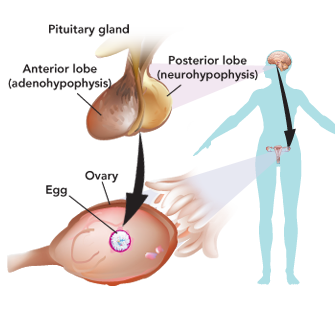
Clomiphene blocks the effect of estrogen receptors on the pituitary gland, increasing the amount of gonadotrophin-releasing hormone secreted. This stimulates more LH and FSH to be secreted, which in turn stimulates the ovary to produce mature follicles. When the follicle ruptures, ovulation occurs.
Adverse Drug Reactions
Adverse effects of clomiphene include vasomotor instability, which produce hot flashes, breast engorgement, gastrointestinal (GI) manifestations such as nausea and abdominal discomfort, and visual disturbances, such as blurred vision, flashing lights, and dizziness. Ovarian hyperstimulation may occur, which causes the ovaries to increase in size. Ovarian enlargement is usually harmless, but may cause abdominal pain, swelling, and weight gain. The ovaries return to their normal size when therapy is discontinued. Multiple gestation, or production of more than one fetus, is another potential effect of this fertility medication.
Interventions
Interventions when caring for a client who is prescribed clomiphene include telling clients that vasomotor instability is a common side effect. Recommend comfort measures such as cold compresses and over-the-counter analgesics. Monitor clients for worsening gastrointestinal manifestations, including vomiting. Monitor for any visual alterations and report these to the provider. If visual manifestations occur, clients should have an ophthalmology examination and discontinue therapy if visual manifestations persist. Monitor clients for any indication that ovarian enlargement has occurred, such as low abdominal pain and swelling. Finally, make sure clients understand that multiple gestation, usually twins, may occur with the use of an LH and FSH stimulant.
Administration
Give clomiphene orally, once daily for 5 days, beginning 5 days after the start of menses. If the client has amenorrhea, which is a lack of menses, begin treatment at any time. Repeat the 5-day course at 30-day intervals as prescribed, depending on the occurrence of ovulation and conception. Take the medication at the same time each day. For a missed dose, take clomiphene as soon as possible. Double the next dose if the missed dose is not noticed until that time. For two missed doses, consult the provider. Clients who become pregnant should not take this medication, so notify the provider of any pregnancy suspicion so therapy can be discontinued.
Client Instructions
When instructing clients about clomiphene, tell them to expect hot flashes as a side effect of therapy. They may need to apply cold compresses and take over-the-counter anti-inflammatory medications for discomfort. If experiencing breast pain, advise clients to wear a supportive bra. For gastrointestinal manifestations, instruct clients to take the medication with food. Let them know that gastric upset usually resolves when the 5-day course of medication therapy is over. Clients should report any visual disturbances to the provider. If vision changes occur, instruct clients not to engage in driving or other activities. Clients should report any pelvic pain, which could indicate ovarian enlargement. Also make sure they are aware of the possibility of having twins when taking this medication.
Safety Alert
Clomiphene stimulates the ovaries into developing follicles that release ova at the appropriate time during the menstrual cycle or after an injection of hCG. The ovaries can sometimes produce too many follicles, causing ovarian hyperstimulation syndrome, abbreviated OHSS. This syndrome manifests as significant weight gain of more than 4.5 kg (10 lb) in only 3 to 5 days, shortness of breath, edema of the lower extremities, increased abdominal girth, and decreased urination. Clients can treat minor cases at home with elevation of the legs, avoiding exercise and intercourse, and taking a mild analgesic. Severe cases require hospitalization due to the risk for ascites, pulmonary edema, and electrolyte imbalances, all of which can cause life-threatening complications. Clients at risk for OHSS should notify their provider immediately for a weight gain of 2.3 kg (5 lb) or more in one 24 hr period, nausea and vomiting, shortness of breath, dizziness, and decreased urination. Clomiphene has been identified by the National Institute for Occupational Safety and Health (NIOSH) as a hazardous medication to handle – follow guidelines for personal protective equipment (PPE), etc. when handling this medication.
Contraindications and Precautions
Clomiphene is known to cause teratogenic effects, and therefore is contraindicated during pregnancy. It is also contraindicated for clients with primary ovarian failure, undiagnosed uterine bleeding, liver disease, uncontrolled thyroid disease, and thrombophlebitis. Exercise caution when giving clomiphene for clients with polycystic ovarian enlargement.
Interactions
Medication interactions with clomiphene include tricyclic antidepressants, phenothiazine antipsychotic medications, and methyldopa. These increase prolactin concentrations, thus interfering with fertility.Ovulation Stimulant
The next medication to discuss is an ovulation stimulant. It promotes ovulation and treats female infertility in conjunction with medication therapy for follicular maturation.
Prototype and Other Medication
Human chorionic gonadotropin—Medication Classification: Ovulation Stimulants
The prototype medication for ovulation stimulants is human chorionic gonadotropin or hCG.
Expected Pharmacologic Action
Human chorionic gonadotropin is a natural hormone produced by the body with the same action as LH or luteinizing hormone. This medication causes ovulation by stimulating the secretion of LH in clients assigned female at birth who do not ovulate. To ensure that a mature follicle is present, you usually give hCG after another fertility medication, such as clomiphene, stimulates a follicle to mature. Other medications you can use in conjunction with hCG to stimulate ovulation include menotropins or follitropins.
Adverse Drug Reactions
The use of hCG may cause hyperstimulation of the ovaries and rupture of an existing ovarian cyst. These effects could result in pain and bleeding in the peritoneal cavity. Less severe effects include central nervous system (CNS) manifestations, such as irritability, headache, fatigue, and restlessness.
Interventions
When giving hCG, monitor for any indication of ovarian hyperstimulation syndrome, which includes severe abdominal pain and abdominal swelling, or ascites, in which fluid is trapped in the peritoneal cavity. If suspected, this syndrome warrants hospitalization and immediate discontinuation of hCG therapy. Be sure to monitor clients for any indication of bleeding into the peritoneum from a ruptured ovarian cyst, such as sudden, sharp pelvic pain, nausea, vomiting, and weakness. Also, monitor clients for CNS side effects, such as irritability, headache, fatigue, and restlessness. Since hCG can also cause ovarian hyperstimulation syndrome or OHSS, refer to the safety alert for clomiphene to learn how to recognize and treat this syndrome.
Administration
Before administering hCG, confirm that follicular maturation has occurred. This is most often done by intravaginal sonography. Give hCG via intramuscular injection after reconstituting the powder with the supplied diluents. If clients are also taking clomiphene, give hCG 7 to 9 days after the last dose of clomiphene. If clients are also taking menotropins or follitropins, give hCG 1 day after the last dose of those medications.
Client Instructions
When hCG is prescribed, instruct clients to seek medical care immediately for pelvic or low abdominal pain or pressure, unusual weight gain, or abdominal swelling. Instruct clients to report pelvic or abdominal pain immediately to the provider. Advise clients to take over-the-counter analgesics as needed for headache.
Contraindications and Precautions
It is contraindicated in clients with a pituitary tumor, dysfunctional uterine bleeding, uncontrolled thyroid disease, or adrenal insufficiency.
Interactions
Medication to medication interactions are minimal with this classification, but concurrent use with tricyclic antidepressants, butyrophenones, phenothiazines, and methyldopa may impair fertility due to the increased concentration of prolactin.Antihyperprolactinemia/Dopamine Agonist
The last fertility medication to discuss is a hyperprolactinemia inhibitor (antihyperprolactinemia), which treats fertility by correcting amenorrhea, a lack of menses caused by excessive secretion of prolactin.
Prototype and Other Medication
Cabergoline—Medication Classification: Infertility/Antihyperprolactinemia/Dopamine Agonist
The prototype for this group of medications is cabergoline. Another medication in this group is bromocriptine.
Expected Pharmacologic Action
Prolactin is a hormone produced by the pituitary gland. It’s associated with lactation and is responsible for breast development and milk production in pregnant and lactating clients. Hyperprolactinemia causes disruptions in the normal menstrual cycle because it inhibits secretion of gonadotropin-releasing hormone, which then, in turn, leads to a drop in LH and FSH. The neurotransmitter, dopamine, plays a role in this scenario because anything that decreases dopamine levels can cause an increase in prolactin levels. One cause of hyperprolactinemia may be prescription medications that block dopamine release, such as phenothiazine antipsychotics, medications that induce sleep, and some gastrointestinal medications. Other causes may be a benign pituitary tumor or hypothyroidism. Cabergoline, a dopamine receptor agonist, increases the amount of available dopamine. As dopamine levels rise, prolactin levels decrease. The menstrual cycle can then begin to normalize as hormone levels increase.
Adverse Drug Reactions
Adverse effects of cabergoline include nausea, headache, dizziness, pulmonary fibrosis, pericardial fibrosis, valvular disorders and retroperitoneal fibrosis.
Interventions
Interventions for hyperprolactinemia inhibitors include beginning treatment at the lowest therapeutic dose in order to decrease the risk for adverse effects. Monitor serum prolactin levels to determine the medication’s effect on its production. They are typically measured monthly until they reach a normal level. Monitor for worsening GI manifestations, such as vomiting, as well as headache and other CNS effects.
Administration
Give cabergoline orally twice a week on the same days. Clients may take it with or without food. Discontinue cabergoline when prolactin levels are within the expected reference range.
Client Instructions
Instruct clients to take cabergoline with food if GI manifestations occur. Clients should report headache, dizziness, or other CNS effects, and not engage in activities such as driving if dizziness occurs. If headaches occur, instruct clients to take over-the-counter analgesics for relief. Finally, instruct clients to rise slowly to a sitting or standing position because orthostatic hypotension may occur.
Contraindications and Precautions
Cabergoline is contraindicated in clients who have uncontrolled hypertension or pregnancy-induced hypertension. Use cabergoline with caution when you give it to individuals with severe hepatic insufficiency.
Interactions
Clients taking cabergoline should avoid taking phenothiazines such as chlorpromazine, butyrophenones such as haloperidol, and thioxanthenes such as thiothixene, or metoclopramide. Both cabergoline and these other medications lose their effectiveness if clients take them concurrently. Increased risk for hypotension if administered concurrently with antihypertensives. Can increase the effects of SSRIs and other serotonin agonists.Now, take a look at a completely different type of medication, uterine stimulants. These medications induce uterine contractions during pregnancy in order to stimulate labor and promote its progression. Uterine contractions are also under the influence of hormones, primarily oxytocin. However, for uterine contractions to successfully propel a fetus through the birth canal, the cervix must be capable of dilating, so the head of the fetus can pass through. For this to happen, the cervix must be soft and thin, which is called effacement. After the infant is born, oxytocin continues to exert its effect on the uterus, so postpartum hemorrhage does not occur. Based on this overview of events that surround labor and delivery, the medications up for discussion next are oxytocin, dinoprostone, which promotes the “ripening” of the cervix, and methylergonovine, which prevents postpartum hemorrhage.Oxytocin
Oxytocin is a uterine stimulant that induces or enhances labor near or post term. It also treats postpartum hemorrhage.
Prototype and Other Medications
Oxytocin—Medication Classification: Uterine Stimulants/Oxytocic
The prototype medication of this class is oxytocin.
Expected Pharmacologic Action
Oxytocin is a hormone produced by the pituitary gland. As pregnancy progresses, the smooth muscle of the uterus develops more receptors to oxytocin. At the end of pregnancy, known as term, the uterus is very receptive to oxytocin, and synthetic oxytocin can be administered to stimulate the onset and progression of labor. The exact role of natural oxytocin in labor and delivery is still largely unknown. Natural oxytocin is also responsible for causing milk to be ejected from milk channels in the breasts after delivery. It is related to the antidiuretic hormone known as ADH, which causes retention of water by the kidneys.
Adverse Drug Reactions
Adverse effects of oxytocin include hyperstimulation of the uterus, which could cause uterine rupture and death of both the mother and infant. Oxytocin can also cause hypertensive crisis and water intoxication due to its antidiuretic effect.
Interventions
When administering oxytocin, it’s vital to monitor risk factors such as multiple deliveries, which may increase the danger of using oxytocin. Monitor clients for headache, nausea, vomiting, and increasing blood pressure during the use of oxytocin. In order to recognize impending problems with water intoxication, monitor intake and output, and level of consciousness. Monitor the length, strength, and duration of contractions carefully. For any indication of hyperstimulation, such as contractions lasting more than 1 minute, turn the client on their side, stop the infusion, and administer oxygen to enhance delivery of oxygen to the fetus. Also, prepare to administer a uterine relaxant.
Safety Alert
Uterine hyperstimulation syndrome occurs in response to intravenous oxytocin, which causes contractions to last longer than 60 seconds, more frequently than every 2 to 3 minutes, or have a resting uterine pressure greater than 15 to 20 mm Hg. This type of uterine activity can cause uterine rupture, lacerations of the cervix and vagina, and postpartum hemorrhage in the laboring client and hypoxia in the fetus. Since oxytocin also has antidiuretic properties, water intoxication can also occur and precipitate seizures. Take extreme care to monitor the rate, intensity, and duration of contractions of a laboring client receiving an oxytocin drip, as well as the fetal heart rate. Make frequent adjustments of the rate in relation to any parameter almost outside the desired reference range. Uterine rupture requires an emergency cesarean birth and possible hysterectomy if the uterus cannot be repaired before hemorrhage claims the new parent’s life. In many institutions, only providers with special training can monitor a laboring client who is receiving an oxytocin infusion.
Administration
Administer oxytocin intravenously via an infusion pump. Start the dosage at a low level and gradually increase the flow rate by 1 to 2 milliunits per minute every 30 to 60 minutes, until contractions last up to 1 minute and occur every 2 to 3 minutes. Monitor blood pressure and pulse rate during the infusion. Monitor for uterine hyperstimulation, which is contractions lasting longer than 60 seconds and occurring more frequently than every 2 to 3 minutes, or a resting uterine pressure greater than 15 to 20 mm Hg. If any indication of hyperstimulation occurs, turn the client on their side, stop the infusion, and administer oxygen. After that, notify the provider. During oxytocin infusion, monitor the fetal heart rate and rhythm, and report any manifestations of fetal distress. Stop the infusion for serious alterations in fetal heart rate or rhythm.
Client Instructions
Instruct clients receiving oxytocin to report increasing duration or strength of contractions, headache, palpitations, nausea, chest pain, or drowsiness.
Contraindications and Precautions
Oxytocin is contraindicated when the uterine cervix is unripe, meaning it is not ready to open for birth. It also is contraindicated with placental abnormalities, active genital herpes, following uterine surgery, during fetal distress, fetal lung immaturity, and in cases of cephalopelvic disproportion, when the fetus is too large to easily be expelled through the pelvis. In addition, it is contraindicated in cases of malpresentation, such as a breech presentation or when the umbilical cord is prolapsed. Use precautions when administering oxytocin to a client with multiparity, when more than one fetus is present. Also use caution in clients who have a seizure disorder, cardiac disease, or polyhydramnios, which is when an abnormally large amount of amniotic fluid is present.
Interactions
Vasopressors can cause hypertension in clients.Ergot Alkaloids
The next type of medication to address belongs to a group of medications called ergot alkaloids. They prevent and treat hemorrhage that occurs in the postpartum period or following a spontaneous abortion. Other medications in this group also treat migraine headaches.
Prototype and Other Medications
Methylergonovine—Medication Classification: Ergot Alkaloids
The prototype medication for ergot alkaloids is methylergonovine.
Expected Pharmacologic Action
The ergot alkaloids are substances that come from ergot, a dried preparation from a fungus that grows on rye plants. Because these medications cause strong uterine contractions by stimulating smooth muscle in the uterus, they help stop bleeding in the postpartum period or following a surgical or spontaneous abortion.
Adverse Drug Reactions
The adverse effects of ergot alkaloids may be serious but are rare when administered orally or intramuscularly. The adverse effects, seen more when administered intravenously, include hypertension, stroke, nausea and vomiting, cramps, arrhythmias, and seizures.
Interventions
In order to recognize and prevent complications from ergot alkaloids’ adverse effects, you should monitor clients’ blood pressure and heart rate carefully. Also monitor for nausea and vomiting, headache or worsening of headache, and for manifestations of seizure activity. Be ready to institute seizure precautions if indicated.
Administration
Use cautiously in clients with hypertension. Check clients’ blood pressure before administering methylergonovine and do not give the medication if the blood pressure exceeds the parameters set by the provider. Give this medication orally for 2 to 7 days, or IM every 2 hours as needed. Give the medication by the intravenous route only for emergency control of severe hemorrhage. Administer IV doses slowly over 1 minute to minimize adverse effects. Administer this medication after the delivery of both the fetus and the placenta, not during labor. Be sure to monitor vital signs and whether vaginal bleeding slows or stops following administration. Tell clients that some uterine cramping is expected following administration.
Client Instructions
Instruct clients to report any nausea, headache, weakness, or heart palpitations following administration of an ergot alkaloid.
Contraindications and Precautions
Ergot alkaloids are contraindicated during induced labor, and in clients with a threatened spontaneous abortion, or hypertension. Use with caution in clients with sepsis, liver or renal disorders. Clients should be advised not to breast feed during treatment.
Interactions
Ergot alkaloids can precipitate hypertension when you use it with other ergot alkaloids, vasopressors, or triptans. Protease inhibitors and itraconazole can increase the risk of toxicity. Smoking increase the risk of excessive vasoconstriction and consuming grapefruit juice may increase blood levels of this medication.Synthetic Prostaglandins
The next group of medications promotes the ripening, or softening, shortening, and dilating, of the cervix before inducing labor. These medications also stimulate uterine contractions after the cervix is ready for delivery.
Prototype and Other Medications
Dinoprostone—Medication Classification: Synthetic Prostaglandins
The prototype medication for this group is dinoprostone. Another medication with similar uses is misoprostol. You use misoprostol less frequently than dinoprostone, because it causes more frequent adverse reactions. This medication is also in the gastrointestinal module, because it treats peptic ulcer disease.
Expected Pharmacologic Action
Dinoprostone is a synthetic prostaglandin, which mimics the actions of natural prostaglandins. Prostaglandin prepares the cervix for delivery by activating an enzyme called collagenase, which breaks down the collagen complex that keeps the cervix closed and inflexible during most of pregnancy. It then softens the cervix and stimulates labor by starting uterine contractions. These functions of dinoprostone can shorten the process of labor and lessen the need for some cesarean births.
Adverse Drug Reactions
Adverse effects of synthetic prostaglandins include amniotic fluid embolism, uterine rupture, headache, nausea, vomiting, diarrhea, chills or hypotension.
Interventions
When giving a synthetic prostaglandin vaginally to a pregnant client, determine if risk factors such as multiple deliveries apply. Monitor the length, strength, and duration of contractions. If hyperstimulation occurs, turn the client on their side, remove the pouch that contains the medication, if you are using that form, and administer oxygen. Be prepared to administer a uterine relaxant. Also monitor clients for GI manifestations. And for clients who develop these manifestations, pre-treat subsequent doses of dinoprostone gel with an antidiarrheal or antiemetic agent. Maintain clients’ hydration intravenously and monitor the temperature for elevations.
Administration
Administer the gel through the cervix using a syringe prefilled with the medication and an endocervical catheter. Have clients lie supine during instillation and remain in that position for 30 minutes. Repeat dosing twice more every 6 hours if the desired therapeutic effect has not occurred. Monitor for uterine hyperstimulation, which is contractions lasting longer than 60 seconds and occurring more rapidly than every 2 to 3 minutes, or a resting uterine pressure greater than 15 to 20 mm Hg. Report any of these manifestations of hyperstimulation immediately to the provider. Begin infusion of oxytocin 6 to 12 hours after the last dose of dinoprostone.
The dinoprostone vaginal insert is in a pouch that has a long tape attached in order to remove it quickly if needed. Insert the pouch containing the medication into the posterior fornix of the vagina. Have clients lie supine for 2 hours while the pouch gradually releases the medication. Remove the pouch using the attached tape when active labor begins, or 12 hours later. Follow the monitoring precautions for hyperstimulation.
Safety Alert
Take the same precautions with dinoprostone and misoprostol as with oxytocin. Even though you primarily give synthetic prostaglandins to soften the cervix, they also precipitate contractions. If this occurs, perform the same intensive monitoring of clients and fetus as with oxytocin.
Client Instructions
While undergoing therapy with a synthetic prostaglandin, instruct clients to increasing duration or strength of contractions. Clients should also report nausea, vomiting, diarrhea and fever, so supportive treatment can be instituted. Instruct clients to increase their intake of clear fluids as able to counteract adverse effects.
Contraindications and Precautions
Dinoprostone is contraindicated in acute pelvic inflammatory disease, active cardiac or lung disease, liver or kidney impairment, fetal malpresentation, a non-reassuring fetal heart rate pattern, or if the uterus has a scar from a previous surgery, which puts clients at risk for uterine rupture. Use precautions when administering dinoprostone to a client with hypotension or hypertension, asthma, diabetes mellitus, seizure, or glaucoma. Also, carefully monitor a client who has had a previous cesarean birth, due to increased risk for uterine rupture.
Interactions
When using dinoprostone, it’s important to realize that oxytocic agents, such as oxytocin or methylergonovine, increase the risk of uterine hyperstimulation.Now that you know about medications that stimulate uterine contractions, it’s time to discuss a medication to stop uterine contractions in cases where delivery would be premature. This medication is called a tocolytic medication and is a beta2-adrenergic agonist.Beta2-Adrenergic Agonists
Beta2-adrenergic agonists relieve bronchospasm in respiratory disorders such as asthma. However, they are also “off-label” during preterm labor to delay delivery. Preterm labor is delivery before 37 weeks’ gestation. Since preterm delivery can be very dangerous for the fetus, uterine relaxants are valuable if they can delay labor even for 1 to 2 days. This can be enough time to administer glucocorticoids, which improve the chance for a favorable outcome for the fetus.
Prototype and Other Medication
Terbutaline—Medication Classification: Beta2-Adrenergic Agonists
The only beta2-adrenergic agonist you can use as a tocolytic at this time in the United States is terbutaline. You can also use other classes of medications, including the calcium channel blocker nifedipine, the cyclo-oxygenase inhibitor indomethacin, and the nitric-oxide donor nitroglycerin transdermal. This module only discusses terbutaline.
Expected Pharmacologic Action
Labor begins with a complicated series of reactions mediated by multiple substances within the body. Ultimately, an enzyme called phosphorylated myosin light chain kinase interacts with a substance called actin to trigger the beginning of uterine contractions. Beta-adrenergic agonists and other types of medications, such as calcium channel blockers, interfere with the availability of the myosin light chain kinase, which temporarily stops the contractions.
Adverse Drug Reactions
Most of the adverse effects of terbutaline are associated with the respiratory or cardiovascular systems, because these systems are most significantly affected by beta-adrenergic agonists. Watch for respiratory effects, such as pulmonary edema, dyspnea, cough, and tachypnea. Also watch for cardiac effects, such as tachycardia, myocardial ischemia, chest pain, palpitations, and hypotension. Hypokalemia and hyperglycemia may also occur when terbutaline is administered. Most of these adverse effects are seen in clients, but some of them may also be experienced by the fetus.
Interventions
Interventions when administering terbutaline as a tocolytic agent include monitoring clients’ respiratory status, including oxygen saturation. Initiate fluid restrictions if indicated. Stop the tocolytic therapy for any indication of pulmonary edema, including manifestation of dyspnea, drop in oxygen saturation, and/or crackles in the lungs on auscultation. Monitor baseline vital signs and obtain an ECG before tocolytic therapy. Monitor heart rate and blood pressure, as well as pattern and intensity of any chest pain the client experiences. Stop the tocolytic therapy for any indication of tachycardia, dysrhythmias, chest pain, or blood pressure below 90/60 mm Hg. Prepare to administer cardioselective beta-blockers to counteract cardiac adverse events. Continue to monitor cardiovascular status for 12 hours after tocolytic therapy is discontinued. Initiate fluid and electrolyte remediation or replacement as indicated. Monitor blood glucose levels, especially for clients who have diabetes mellitus or gestational diabetes. Adjust doses of insulin and any hypoglycemic medications accordingly. Don’t forget to monitor the fetal heart rate and rhythm and report any manifestations of fetal distress immediately. Stop the infusion for serious alterations in fetal heart rate or if the client's heart rate rises above 120 beats per minute.
Safety Alert
You primarily give beta2-adrenergic agonists for asthma; however, they have an off-label use as a tocolytic, or medication that stops uterine contractions during premature labor. Since they are beta2-adrenergic agonists, they activate the beta2-adrenergic receptors in a manner similar to that of norepinephrine. This causes uterine relaxation, bronchodilation, vasodilation with resulting hypotension, tachycardia, possible with dysrhythmias, and, in rare cases, pulmonary edema and myocardial ischemia. Closely monitor the vital signs of clients receiving this type of therapy, to determine if excessive beta2-adrenergic stimulation is occurring. If so, stop the medication immediately.
Administration
Before administering terbutaline as a tocolytic medication, confirm that preterm labor has begun and gestation is between 20 and 36 weeks. Administer the medication subcutaneously in the clients’ lateral deltoid area every 20 minutes for up to 3 hours, and for no longer than 48 hours. It is less often administered by IV infusion. Monitor fetal heart rate and rhythm, and report manifestations of client or fetal distress. Stop the infusion for serious alterations in fetal heart rate, such as a significant increase that exceeds parameters set by provider, or indications of fetal distress.
Client Instructions
When administering terbutaline as a tocolytic, instruct clients to report shortness of breath, difficulty breathing, cough, palpitations, or chest pain. Clients should also report weakness, nausea, or paresthesia. To monitor for glucose effects, have clients report polyphagia, polydipsia, and polyuria.
Contraindications and Precautions
Terbutaline is contraindicated in known hypersensitivity to adrenergic amines. Use precautions when giving terbutaline to clients with diabetes mellitus, cardiac disease, hypertension, glaucoma, or hyperthyroidism.
Interactions
As you might have suspected, terbutaline interacts with hypoglycemic medications because it increases the blood sugar. Therefore, clients may require increased doses of the antidiabetic medication. Monoamine oxidase inhibitors and tricyclic antidepressants increase the risk of hypertension, tachycardia, and angina.In the previous lesson, you learned about medications that stop uterine contractions due to a premature delivery. These medications are called tocolytics. One example is terbutaline. When administering a tocolytic to a client who is between 24 and 34 weeks of gestation to stop labor, you will also administer a medication to accelerate fetal lung maturity.Glucocorticoids
You will administer antenatal glucocorticoid therapy to stimulate fetal lung maturity and help reduce the risk of complications. These may include respiratory distress syndrome, bronchopulmonary dysplasia, intraventricular hemorrhage, and neonatal death.
Prototype and Other Medication
Betamethasone—Medication Classification: Corticosteriods
The prototype medication in this category is betamethasone. Another medication in this category is dexamethasone.
Administration
You will administer antenatal glucocorticoids, such as betamethasone, by the IM route. Make sure you administer the medication deep into a muscle. You can use either the ventrogluteal or vastus lateralis muscles because both are thick and are a safe site for IM injections. Plan to give at least two doses of an antenatal glucocorticoid. Although a single dose of betamethasone reduces the risk of neonatal complications, the recommended dose is 12 mg for 2 to 3 doses 24 hours apart. Another option is to give dexamethasone 6 mg for 4 doses 12 hours apart.
Adverse Drug Reactions
Although you can give betamethasone with beta-adrenergic agonists, such as terbutaline, combining an antenatal glucocorticoid with a beta-adrenergic agonist places a client at risk for pulmonary edema. You need to closely monitor the client for crackles in the lungs, productive cough, dyspnea, and other indications of pulmonary edema, and report any findings to the provider. Instruct the client to report shortness of breath, cough, and increased sputum production, which indicates development of pulmonary edema. When you give betamethasone to clients with pregestational or gestational diabetes, closely monitor and treat episodes of hyperglycemia. Also, you need to teach clients to observe for and report clinical findings of hyperglycemia, such as polyphagia, polydipsia, and polyuria. Also monitor blood pressure and instruct the client to report headache and dizziness.
Contraindications and Precautions
Check for allergies, and don’t administer betamethasone if a client is allergic to it or any of the components. All glucocorticoids suppress the client’s immune response, so they are contraindicated if a client has a systemic infection, such as a fungal infection or pulmonary tuberculosis.
Glucocorticoids have numerous adverse effects. To minimize adverse effects, administer the lowest dose possible and for a short time only.
Interactions
Glucocorticoids can decrease antibody responses to vaccines and can increase the risk of infection from live vaccines. Therefore, avoid giving immunizations with glucocorticoids.Now it is time to discuss another complication of pregnancy: hypertension. Hypertension during pregnancy is common. And when it occurs, it is important to identify the type so you can plan treatment. Gestational hypertension can begin after the 20th week of pregnancy. Preeclampsia is defined as blood pressure above 140/90 mm Hg on at least two measurements after the 20th week of gestation (or 160/110 mm Hg on one occasion) and proteinuria (300 mg or higher in 24 hr). A client with severe preeclampsia may develop renal failure, strokes, pulmonary edema, and death. Eclampsia is a life-threatening complication of pregnancy in which the client develops seizures. Warning manifestations of eclampsia include headache and mental status changes (encephalopathy). HELLP syndrome is another serious complication that occurs in some clients with severe preeclampsia. The acronym HELLP stands for hemolysis, (H) which results in anemia and jaundice; elevated liver enzymes (EL); and low platelets (LP). A client may report malaise, epigastric pain, nausea, and vomiting. It is important to recognize manifestations of HELLP syndrome because early treatment is the key to preventing death. Magnesium Sulfate
You can administer magnesium sulfate to an antenatal client to treat preterm labor and to prevent and treat seizures. In this module, we discuss the use of magnesium sulfate to prevent and treat seizures during severe preeclampsia or eclampsia.
Administration
Use extreme caution when giving IV magnesium sulfate due to the serious adverse effects of magnesium toxicity. The initial loading dose is 4 to 6 grams over 15 to 30 minutes. You’ll administer it as a secondary infusion, and you must always use an infusion pump. After infusing the loading dose, the provider will prescribe a maintenance dose of magnesium sulfate. Typically, magnesium sulfate is diluted in dextrose 5% in water, 0.9% NaCl, or lactated Ringer's solution. A client usually receives 2 grams per hour to maintain a therapeutic serum magnesium level.
Adverse Drug Reactions
Adverse effects include diarrhea, flushing, diaphoresis, drowsiness, and muscle weakness. Monitor a client for adverse effects that are due to the CNS effects of magnesium sulfate. This can indicate magnesium toxicity. These include hypotension, bradycardia, bradypnea, depressed or absent deep tendon reflexes, and an altered level of consciousness. The kidneys excrete magnesium sulfate. So, if kidney function is inadequate, toxicity may occur. The nurse should ensure urine output is at least 100 mL/4 hours. Magnesium toxicity can also lead to respiratory depression, cardiac arrhythmias, and death. So, if indications of magnesium toxicity are present, stop the infusion and contact the provider. And since magnesium sulfate crosses the placenta, you need to assess the status of the fetus.
Interventions
Check the client before and throughout therapy for drowsiness, dizziness, and muscle weakness. Monitor blood pressure, pulse, and respiratory rate frequently. Stop the infusion and notify the provider if the client’s respiratory rate is 12 breaths per minute or fewer. During therapy, assess the client’s patellar reflex. Typically, you’ll do this every 1 to 4 hours. If deep tendon reflexes are depressed or diminished, stop the magnesium sulfate infusion and notify the provider. Because excretion of magnesium sulfate is dependent on adequate kidney function, maintain strict input and output. Monitor urine output and notify the provider if urine output is equal to or less than 30 milliliters per hour. Therapeutic levels well above the normal range are essential for magnesium sulfate to prevent seizures. So, you need to closely monitor a client for manifestations of toxicity, such as depressed respirations and diminished deep tendon reflexes. If the client develops magnesium toxicity, you must act quickly to prevent respiratory arrest. Report magnesium levels above the expected therapeutic range to the provider and prepare to stop the infusion. Make sure you have IV calcium gluconate or calcium chloride IV antidotes readily available.
Client Instructions
It’s important to support the client and their family throughout therapy. You can decrease the client’s anxiety by explaining the purpose of each procedure. And make sure the client understands the importance of strict measurement of oral intake.
Contraindications and Precautions
This medication is contraindicated in hypermagnesemia, hypocalcemia, anuria and heart block.
You already know that the kidneys eliminate magnesium sulfate, and that you need to use caution when administering this medication to clients with impaired kidney function. Magnesium sulfate also depresses cardiac function, so use caution when giving it to clients with cardiovascular disease.
Interactions
Neuromuscular blocking agents increase the risk of respiratory depression, so don’t give them to clients who are receiving magnesium sulfate. Concurrent use with calcium channel blockers will potentiate the anti-hypertensive effects.The male reproductive system includes the testes, scrotum, epididymis, vas deferens, prostate, urethra, and penis. The male reproductive system supports sexual maturation, as well as the creation, storage, and ejaculation of sperm. Now you are ready to discuss medications that affect the male reproductive system. First, it is important for you to know that when you see the word androgen, it is referring to testosterone.Testosterone
Testosterone treats hypogonadism in clients assigned male at birth, which is when the level of testosterone secreted from cells in the testes is too low. Testosterone also treats delayed puberty and testicular failure. In clients assigned female at birth, it can treat breast cancer, because testosterone antagonizes the effects of estrogen in estrogen-dependent cancers. Note: Using androgens to improve athletic performance is illegal. Misuse of testosterone to increase muscle mass has serious side effects.
Safety Alert
Anabolic steroid misuse involves the excessive use of testosterone-containing medications to enhance development of muscles, strength, and athletic performance. There are several health effects related to anabolic steroid abuse. Minor effects include the development of acne and gynecomastia in clients assigned male at birth and masculinization in clients assigned female at birth, including enlargement of the clitoris and hirsutism. The major consequences include testicular atrophy, suppressed growth in adolescents, and increased risk of heart attacks and strokes. In relation to behavior, an increase in both irritability and aggression can occur, and is found to be a contributing factor in crimes, violence, and abuse. Psychological and physical withdrawal manifestations can also occur when an androgen is discontinued.
Prototype and Other Medications
Testosterone—Medication Classification: Androgen Hormone
The prototype medication in this section is testosterone. It is available as a transdermal patch or gel, a transdermal underarm liquid, implantable pellets, and buccal tablets. Testosterone enanthate is available as an IM injection. Other types of testosterone include a category called 17-alpha-alkylated androgens. These testosterone medications are hepatotoxic. Two of these medications include methyltestosterone, which is available as an oral drug, and oxandrolone. Both of these medications are only available in oral forms. Oxandrolone is unique because it promotes weight gain in catabolic states and relieves the bone pain of osteoporosis.
Expected Pharmacologic Action
Testosterone works first by binding to receptor cells inside the cell wall. The complex formed by binding testosterone and the receptor cells moves to the cell nucleus and acts on DNA. Messenger RNA is synthesized, producing proteins that are responsible for the androgenic and anabolic effects of testosterone on the body.
Adverse Drug Reactions
The most common complication of testosterone is virilization, which is the development of male secondary sex characteristics in clients assigned female at birth and children, increased growth of undiagnosed prostate cancer, edema and weight gain, premature epiphyseal closure in children, and gynecomastia, which is an overdevelopment growth of breast tissue in clients assigned male at birth. As mentioned earlier, liver toxicity is an adverse effect of only the 17-alpha-alkylated androgens.
Interventions
When giving androgens, tell clients, children, and their caregivers about the possibility of changes in distribution of hair growth, deepening of the voice, acne, and menstrual changes. Monitor for these changes, which are reversible with early discontinuation of androgen therapy. Ask if clients are getting screened periodically for prostate cancer. Periodically monitor intake and output, weight, and sodium levels. Sodium and water retention may warrant a lower dose and possible diuretic therapy. When children and young adolescents receive androgens, monitor the risk for adult height impairments, and recommend x-rays of the hands and wrists twice a year to check for premature epiphyseal closure. Monitor for breast enlargement in clients assignment male at birth and perform liver function tests in clients taking 17-alpha-alkylated androgens.
Administration
The various types of testosterones are available for administration by a wide variety of routes. When administering transdermal testosterone, apply the patch to the upper arm, back, abdomen, or thigh once each day. Rotate sites, and do not use the same site more often than once a week. A transdermal gel is also available. Tell clients to wash their hands after applying the gel and cover the site of application. Then do not swim or shower for several hours. When giving the buccal form of testosterone, apply the medication to the gums above the upper incisor. Tell clients to expect a bitter taste and changes in their normal taste. Also, tell clients that tablets are not affected by eating, drinking, brushing their teeth, or chewing gum.
When assisting the provider to insert testosterone implantable pellets, be aware that the provider implants the pellets under the skin of the abdomen using local anesthesia. Two to six pellets are implanted every 3 to 4 months. When administering IM testosterone, inject long-acting formulations every 2 to 4 weeks. Be aware that serum testosterone levels vary. Tell clients to expect changes in mood, energy, and libido.
Client Instructions
When giving testosterone, instruct clients assigned female at birth who are being treated for breast cancer to expect virilization. Clients should expect body and facial hair growth, acne, and change in voice, and menstruation. Instruct clients to report changes in urination, pain with ejaculation, or blood in the urine that may indicate prostate cancer. Advise them to undergo regular prostate cancer screenings. Encourage clients to check their weight twice a week and report weight gain or swelling in the legs to their provider. Instruct clients not yet at their full height to obtain hand and wrist x-rays at recommended intervals to check for premature closure of the epiphyseal plate. Advise clients assigned male at birth to report enlargement of the breasts. And finally, tell clients who take one of the 17-alpha-alkylated androgens, such as methyltestosterone, to report jaundice, fatigue, nausea, or loss of appetite, which may be manifestations of liver toxicity.
Contraindications and Precautions
Androgens are teratogenic and are contraindicated in pregnancy. They are also contraindicated in clients assigned male at birth with breast cancer, prostate cancer, or urinary obstruction caused by benign prostatic hypertrophy, and hypertension. Use precautions when using testosterone in clients with serious cardiac, renal, or hepatic disease, diabetes mellitus, benign prostatic hypertrophy, and in older adults.
Interactions
When giving testosterone, remember that androgens may reduce insulin or antidiabetic medication requirements, by increasing their actions. They may also increase the effects of oral anticoagulants, such as warfarin. 5-Alpha Reductase Inhibitor
Now it’s time to turn your attention to medications that treat benign prostatic hypertrophy, also called BPH, and urinary outflow disorders. Hypertrophy, or the abnormal growth of prostate tissue, is a benign process in which both the cells and smooth muscle of the prostate gland enlarge. The growth of tissue usually causes obstruction of the urinary urethra, with manifestations of urinary frequency, hesitancy, and urgency. Benign prostatic hypertrophy is a very common disorder that typically develops in clients assigned male at birth over the age of 60. There are two types of medications that treat these disorders, 5-alpha reductase inhibitors, and alpha-adrenergic receptor antagonists.
The therapeutic uses of the 5-alpha reductase inhibitors include treatment of benign prostatic hypertrophy. One preparation is for the treatment of androgenic alopecia. This group of medications also reduces the risk of prostate cancer.
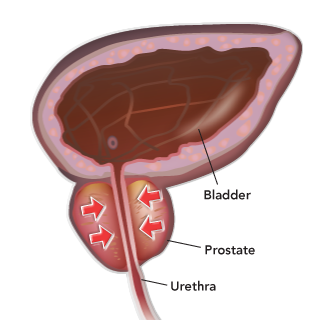
Prototype and Other Medications
Finasteride—Medication Classification: 5-alpha Reductase Inhibitors
The prototype medication for 5-alpha reductase inhibitors is finasteride. Another medication in this class is dutasteride.
Expected Pharmacologic Action
5-Alpha reductase inhibitors act by inhibiting the enzyme 5-alpha reductase. This enzyme changes testosterone into 5-alpha-dihydrotestosterone, or DHT, in the prostate gland. Although this does not affect testosterone levels in the rest of clients’ body, the amount of testosterone produced in the prostate does decrease, causing regression of prostate tissue over a period of 6 months to 1 year. Obstruction of the urinary urethra and manifestions of BPH are also relieved as the prostate decreases in size.
Adverse Drug Reactions
Adverse effects of finasteride include reduced libido and ejaculate volume, and gynecomastia, or breast enlargement in clients assigned male at birth. The prostate-specific antigen, or PSA, level in clients’ blood is also reduced. The level of this tumor marker in the blood increases along with the development of prostate cancer. Tell clients receiving a 5-alpha reductase inhibitor to get checked for prostate cancer, if the PSA does not decline during treatment.
Interventions
Interventions for clients receiving a 5-alpha reductase inhibitor include telling clients about the possibility of reductions in libido and ejaculate volume. Obtain a baseline PSA level and monitor the level periodically. Expect PSA levels to decline with therapy. Evaluate any increase in PSA level, as these may indicate prostate cancer or nonadherence to finasteride therapy. And finally, monitor clients for gynecomastia and evaluate if there is concern over body image.
Administration
Finasteride is available as oral tablets. Clients can take them with or without food. They can crush the tablets if necessary to help in swallowing. Expect medication therapy with finasteride to be life-long. Ensure that clients who are pregnant or can become pregnant do not handle the medication, especially if crushed, due to the possibility of transdermal absorption. This is a teratogenic medication and poses a risk to pregnant clients. Expect the full therapeutic effect of these medications to take up to 12 months.
Safety Alert
Clients who are pregnant or can become pregnant should not handle a crushed or broken 5-alpha reductase inhibitor, due to the potential for birth defects in fetuses with a penis. The defect is hypospadias, in which the opening of the urethra is on the underside of the penis rather than the tip. These medications are coated tablets to prevent incidental contact with the active ingredient. If a client who is pregnant does come in contact with this medication, they should immediately contact their provider.
Client Instructions
Instruct a client who is taking a 5-alpha reductase inhibitor to expect decreases in libido and ejaculate volume. Instruct clients to undergo regular prostate cancer screenings and to report breast enlargement to the provider.
Contraindications and Precautions
5-alpha reductase inhibitors are contraindicated in pregnancy and are teratogenic. They are also contraindicated in children and clients assigned female at birth of any age. Use this medication with caution for clients with liver impairment or obstructive uropathy, or obstruction within the urinary system.Alpha-Adrenergic Receptor Antagonists
The second group of medications that treat benign prostatic hypertrophy, or BPH, is the alpha-adrenergic receptor antagonists.
Prototype and Other Medications
Tamsulosin—Medication Classification: Alpha-Adrenergic Receptor Antagonists
The prototype medication for this group is tamsulosin. Other alpha-adrenergic receptor antagonists include silodosin, alfuzosin, terazosin, and doxazosin. Tamsulosin and silodosin are alpha1 specific adrenergic antagonists that act specifically on the prostate gland. The other 3 medications in this class are non-specific alpha-adrenergic antagonists that act on the prostate gland, but also affect the blood pressure of clients who take them.
Expected Pharmacologic Action
The prostate gland contains alpha-adrenergic receptors. When tamsulosin is administered, it antagonizes the alpha-adrenergic receptors, causing relaxation of smooth muscle in the prostate gland and in the outlet of the bladder. Increased urine flow and decreased BPH manifestations, such as urgency, frequency, and nocturia, are the result.
Adverse Drug Reactions
Adverse effects of alpha-adrenergic receptor antagonists include reduced ejaculate volume, ejaculation failure, and retrograde ejaculation, where ejaculate flows upward into the bladder rather than outward through the urethra. Retrograde ejaculation occurs with tamsulosin and silodosin use. Other adverse effects of alpha-adrenergic receptor antagonists are dizziness and headache. Hypotension, and fainting, may also occur with the 3 non-specific alpha-adrenergic antagonists, but not with tamsulosin or silodosin.
Interventions
When giving alpha-adrenergic receptor antagonists, be sure to tell clients about the possibility of altered ejaculation. Monitor for headache and treat with a mild analgesic, as needed. In other medications of this class, monitor the blood pressure and report significant changes in blood pressure and heart rate to the health care provider.
Administration
Give alpha-adrenergic receptor antagonists to clients orally once a day. They need to take the tablet at the same time each day, 30 minutes after the same meal. Make sure clients swallow the tablets whole, and do not crush or chew them.
Client Instructions
Instruct clients to expect decreases in ejaculation volume and possible ejaculation failure. Advise clients to report headaches that are not relieved with mild over-the-counter analgesics. Tell clients who take other nonspecific alpha-adrenergic receptor antagonists to have their blood pressure checked regularly and to rise slowly from a reclining or sitting position. Clients should also report dizziness or fainting and should not engage in dangerous activities if dizziness occurs or tends to recur. Advise clients that they need to take this medication for the rest of their life.
Contraindications and Precautions
Alpha-adrenergic receptor antagonists are contraindicated with concurrent use of erectile dysfunction medications such as sildenafil. They are also contraindicated in clients assigned female at birth or children. Use alpha-adrenergic receptor antagonists cautiously in clients with hypotension, renal impairment, or a history of syncope or fainting.
Interactions
Medications that lower blood pressure can increase the hypotensive effects of the nonselective alpha blockers. Erythromycin, itraconazole, nefazodone, and HIV protease inhibitors increase levels of the nonselective alpha blockers. Cimetidine may worsen orthostatic hypotension when you give it with the nonspecific agents.
Interactions
No known medication to medication interactions.PDE-5 Inhibitor
Now it is time to discuss medication therapy for erectile dysfunction. Risk factors for erectile dysfunction, or impotence, include chronic disorders such as diabetes mellitus, hypertension, and depression. Those disorders and the medications that treat those disorders are linked to erectile dysfunction. One type of medication that treats erectile dysfunction is PDE-5 inhibitors.
Sildenafil and other PDE-5 inhibitors are prescribed to treat erectile dysfunction. They may also be used for the treatment of pulmonary arterial hypertension.
Prototype and Other Medications
Sildenafil—Medication Classification: PDE-5 Inhibitors
The prototype medication for the PDE-5 inhibitors is sildenafil. Other medications in this class include vardenafil, tadalafil, and avanafil.
Expected Pharmacologic Action
Erections occur when the parasympathetic nervous system causes release of nitric oxide, which in turn activates an enzyme that makes cyclic guanosine monophosphate, or cGMP. Eventually, cGMP causes smooth muscles and arteries in the penis to relax, causing spaces in the corpus cavernosum to fill with blood. Because of the engorgement of blood, venous return is decreased, and arterial pressure within the arteries of the penis is increased. These factors cause and sustain an erection. The erection ends when another enzymatic reaction by phosphodiesterase type 5, or PDE-5, converts cGMP into another substance. The function of sildenafil is to inhibit PDE-5 within the penis. This sustains the erection, makes it harder, and longer lasting. It exerts no therapeutic effect if the client is not sexually aroused.
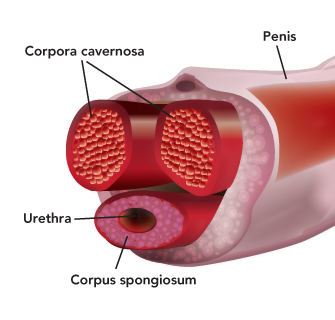
Adverse Drug Reactions
Adverse effects of sildenafil include priapism, a persistent erection lasting more than 4 hours. If priapism is not treated, the penis may experience permanent tissue damage, and impotence may be the result. Other adverse effects include headache, hypotension, fainting, and dizziness. Other rare reactions include a sudden loss of hearing or vision. The cause of hearing loss is unknown, but it usually occurs in one ear and may be temporary or permanent. Vision loss is caused by a disorder known as nonarteritic ischemic optic neuropathy, or NAION, which has rarely occurred during the use of sildenafil.
Interventions
When a client takes sildenafil, interventions include telling clients about the risk of impotence if priapism occurs and is not treated expediently. Explain that the treatment involves aspirating blood from the corpus cavernosum and irrigating with a vasoconstrictor. Other interventions include monitoring for headache, hypotension, hearing loss, and vision changes.
Administration
Clients need to take sildenafil orally 1 hour before sexual activity, and limit it to only once per day. They can take the medication with or without food. However, high-fat foods delay effects and reduce peak effects in both sildenafil and vardenafil, but not tadalafil. Expect effects to last up to 4 hours. Client should not take sildenafil within 24 hours of using nitrates for chest pain, as this could lead to serious and life-threatening hypotension.
Client Instructions
Instruct clients taking sildenafil to seek medical care immediately for an erection lasting more than 4 hours. Clients should report headache, dizziness, or fainting to the provider. Recommend clients take an over-the-counter analgesic to relieve a headache. Instruct clients to have their blood pressure checked regularly while taking sildenafil. Emphasize to clients that they need to stop taking the medication if loss of hearing or vision occurs. If hearing loss or a change in vision does happen, make sure the provider performs further evaluation.
Safety Alert
Priapism, or an erection that lasts longer than 4 hr, may cause injury to the penile tissue resulting in impotence. For this reason, tell clients to treat priapism as a medical emergency and notify the provider. You can usually try administering oral terbutaline or pseudoephedrine first to resolve the erection. If these medications do not work within 30 min, it usually requires aspiration of the blood from the corpus cavernosum. Clients with sickle cell anemia are at greater risk for priapism.
Contraindications and Precautions
Sildenafil and other PDE-5 inhibitors are contraindicated for clients also taking nitroglycerin or other nitrates for chest pain. It is also contraindicated in children. Use sildenafil and other PDE-5 inhibitors with caution in clients who have had a cardiovascular event in the past 6 months, such as a myocardial infarction, cerebrovascular accident, or potentially fatal dysrhythmias. Also use this medication with caution for clients who have unstable angina, heart failure, or hepatic or renal disease.
Interactions
Use of sildenafil and other PDE5 inhibitors with nitrates, such as nitroglycerin, increases the risk for life-threatening hypotension. CYP3A4 inhibitors, such as grapefruit juice; ketoconazole; erythromycin; itraconazole, cimetidine, and other inhibitors of CYP3A4 increase plasma levels of sildenafil, which in turn increases the risk for adverse effects. Alpha-adrenergic antagonists such as doxazosin and medications that treat BPH can cause orthostatic hypotension. Rifampin can decrease medication levels of sildenafil.
Safety Alert
Nitrates such as nitroglycerin precipitate a dilating effect on the veins of clients. This effect by itself can cause orthostatic hypotension, which is a significant lowering of the blood pressure when a client moves from a lying or sitting position to a standing position. If a client combines nitroglycerin with a PDE-5 inhibitor, which also causes orthostatic hypotension, effects are potentiated so warn clients against using these medications together. If it is necessary to take nitroglycerin after taking a PDE-5 inhibitor, clients must be extremely careful when standing up due to the risk of severe postural hypotension and syncope which could cause a fall.Being transgender means an individual’s gender is different than the sex they were assigned at birth. For example, a woman who is transgender was assigned male at birth but identifies as a woman. This section discusses the use of hormonal and non-hormonal medications for clients who are transgender.Hormone Therapy
Clients who are transgender and wish to maintain fertility may be prescribed medications differently than clients who do not.
Estrogen
Estrogen is discussed in a previous section under Estrogen Hormone Replacement Therapy. Estrogen is prescribed for a client who was assigned male at birth and seeks treatment to develop secondary sex characteristics associated with the female reproductive system. The goal of medication therapy is to decrease testosterone and increase estrogen. Therapeutic effects include breast development, elimination of facial hair, and decreased ability to have erections. Clients who had experienced baldness may experience regrowth of hair. After beginning gender-affirming care with estrogen, a client will experience an increase in total body fat and a decrease in lean body mass.
Medication therapy may include estrogen in oral, topical, transdermal, or injectable forms. Dosages are higher than those prescribed for menopausal conditions, and providers adjust dosages based on a client’s desired therapeutic effects and serum estradiol levels.
Laboratory monitoring includes estradiol, testosterone, prolactin, and lipid levels. The goal for estradiol and testosterone levels is for those levels to reach the expected ranges for clients who were assigned female at birth.
Although gender-affirming hormone therapy for clients who are transgender and were assigned male at birth impairs spermatogenesis, this may not permanently affect fertility. Clients who have not had gender-affirming surgery and do not wish to reproduce should use a non-hormonal form of contraceptive when engaging in sexual intercourse with an individual who can become pregnant.
Testosterone
Testosterone is discussed in a previous section under Medications for the Male Reproductive System. For a client who is transgender and who was assigned female at birth, testosterone is administered to promote development of the secondary sex characteristics of a male reproductive system. Therapeutic effects include growth of facial hair and elimination of menstruation. Within a year of beginning gender-affirming hormone therapy with testosterone, total body fat decreases, and lean body mass increases.
Medication therapy may be prescribed in injectable, gel, or transdermal forms. Providers prescribe dosages similar to those used for the treatment of hypogonadism and adjust dosages based on a client’s desired therapeutic effects and serum testosterone levels. The goal for testosterone levels is for those levels to reach the expected ranges for clients who were assigned male at birth.
Clients should also have hematocrit and lipid levels monitored regularly, because at high doses, testosterone may increase hematocrit to higher-than-expected ranges (which is associated with a higher risk for DVT) and may decrease high-density lipoprotein (HDL) levels (associated with increased risk for coronary artery disease).
Although estrogen, LH, FSH, and prolactin levels significantly decrease, the chances of becoming pregnant are not eliminated for a client who takes medications for gender-affirming care. Clients who have a uterus and vagina and do not wish to become pregnant through sexual intercourse should continue to use non-hormonal contraceptives. Adjunctive Agents
During treatment with estrogen, clients who were assigned male at birth and who are transgender may also take medications to suppress testosterone, such as spironolactone (discussed in The Cardiovascular System), and medications that stimulate increased secretion of estrogen and progesterone, such as leuprolide (discussed above). Spironolactone is prescribed at dosages higher than when it is prescribed for hypertension, and potassium levels must be monitored.
Clients who are transgender should be educated about the actions, adverse reactions, contraindications, and interactions that are discussed in the sections above and in other lessons for the medications they are taking for gender-affirming care. However, comprehensive data from long-term, randomized controlled studies is lacking about health risks for clients who are transgender and who take these medications. The Endocrine Society recommends regular monitoring of weight, serum lipid levels, and blood pressure for clients who are prescribed medication therapy for gender-affirming care.
Clients who are transgender may need to continue to undergo regular screenings for conditions related to their sex assigned at birth (breast cancer, osteoporosis, prostate cancer), as well as follow-up treatment for chronic conditions for which they have been treated with medications, including hypertension, other cardiovascular conditions, diabetes mellitus, and mental health conditions. Further research is needed to identify if there are differences in actions, adverse reactions, and interactions of all medications prescribed for clients who are transgender and clients who are cisgender.Next, turn your attention to medications that treat urinary tract problems. First up for discussion are anticholinergic medications, which treat urinary incontinence and overactive bladder. If you do not remember the role the parasympathetic nervous system plays in relation to bladder function, you may want to review the anatomy and physiology of the bladder again in Lesson 1.Beta-3 Adrenergic Agonists
Prototype and Other Medications
Mirabegron—Medication Classification: Beta-3 Adrenergic Agonist
The prototype beta-3 adrenergic agonist medication for urinary incontinence is mirabegron. Another medication in this class is vibegron.
Expected Pharmacologic Action
Beta-3 adrenergic agonists inhibit the signaling pathways that tell the brain the bladder should be emptied. This allows the detrusor muscle to relax and increases the bladder’s capacity without the urinary urgency and frequency caused by OAB.
Adverse Drug Reactions
Adverse reactions of mirabegron include hypertension, urinary tract infection, headache, nasopharyngitis, and upper respiratory tract infection.
Safety Alert
Clients should immediately seek medical attention if they experience swelling of the upper airway, face, lips, or tongue.
Interventions
Do not combine mirabegron tablets and granules. Before suspension from granules is administered, shake the bottle for 1 minute and administer when the foam dissolves. If the granules are not dispersed, shake for an additional minute. Monitor blood pressure, especially for clients who have hypertension.
Administration
Mirabegron tablets are administered 25 to 50 mg once daily. Tablets should be swallowed whole, with or without food. For pediatric clients, mirabegron granules may be prescribed based on a client’s weight. Granules are a suspension that should be taken with food.
Safety Alert
No recommended dosage has been established for mirabegron granules for adults.
Client Instructions
Clients should report findings of urinary retention or increased blood pressure to their provider. Mirabegron tablets should not be crushed, split, or chewed. Granules should be taken within 1 hr of eating. If a client misses a dose, and more than 12 hrs have passed since the time of the missed dose, the client should skip that dose and resume taking it at the next scheduled time.
Contraindications and Precautions
Anticholinergic medications for OAB should be prescribed with caution for clients who are taking a beta-3 adrenergic agonist because the risks for urinary retention increase when taken concurrently. Mirabegron is contraindicated for clients who have severe hypertension that is not well controlled.
Safety Alert
Mirabegron is contraindicated for clients who are allergic to mirabegron or any of the ingredients in the tablets or granules. Angioedema, including upper airway edema, has occurred during use of mirabegron.
Interactions
The effects of digoxin and warfarin are increased when taken concurrently with mirabegron, which increases the likelihood of adverse reactions of those medications. Mirabegron interacts with antiarrhythmic medications such as thioridazine and tricyclic antidepressants (desipramine, imipramine), as well as CYP2D6 substrates, including tramadol, hydrocodone, oxycodone, tamsulosin, and metoprolol.Now it’s time to talk about cholinergic medications, which treat urinary retention. If you are thinking these medications are the opposite of the anticholinergic medications from the previous screens, you are correct!Cholinergics
The therapeutic use of cholinergic drugs is to treat urinary retention, which may occur in clients who are postoperative, or clients who are post-delivery, and in other clients whose bladder lacks proper neurologic innervation and does not empty in response to distension.
Prototype and Other Medications
Bethanechol—Medication Classification: Cholinergics
The prototype for the cholinergic medications is bethanechol.
Expected Pharmacologic Action
As you may imagine, cholinergic agonists act on the bladder in a manner opposite that of the anticholinergic medications. Bethanechol, a cholinergic agonist, activates the muscarinic receptors in the detrusor muscle that lines the bladder, causing the bladder to contract. At the same time, the cholinergic agonist relaxes the internal sphincter of the bladder. Contraction of the bladder, while the internal sphincter is relaxed, allows urine to pass into the urethra, and then expel through the urethral opening.
Adverse Drug Reactions
Cholinergic medications also stimulate the muscarinic receptors of the heart, smooth muscles throughout the body, and exocrine glands. Adverse effects of bethanechol, while rare, include hypotension, bradycardia, excessive gastric acid secretion, as well as salivation, diarrhea, fecal incontinence, bronchoconstriction, dizziness, and fainting.
Interventions
When giving bethanechol, monitor clients’ blood pressure, heart rate, and respiratory status. Also monitor for reports of dizziness and bowel elimination patterns that relate to the potential for diarrhea. If clients are in an inpatient facility, have a bedpan or urinal available and assist with ambulation.
Safety Alert
Acetylcholine, the neurotransmitter for the parasympathetic nervous system, stimulates the muscarinic receptors of the parasympathetic nervous system. When these receptors are stimulated, the parasympathetic nervous system slows the rate of the heart and dilates arterioles with a subsequent decrease in blood pressure. Cholinergic medications, which stimulate muscarinic receptors, accentuate the effects of the parasympathetic nervous system on the heart and arterioles. Closely monitor clients taking a cholinergic medication for urinary retention for decreased cardiac output and postural hypotension.
Administration
Administer bethanechol orally 3 to 4 times a day, 1 hr before or 2 hr after a meal to minimize nausea and vomiting.
Client Instructions
Instruct clients to report dizziness, increase fluid intake to maintain hydration, and to sit or lie down if feeling dizzy. Ask clients to report any difficulty breathing or fainting. Advise clients not to engage in dangerous activities, such as driving, if dizziness occurs or recurs.
Contraindications and Precautions
Bethanechol is contraindicated in clients who have hypotension, hyperthyroidism, low cardiac output, asthma and other chronic respiratory disorders, as well as gastric ulcers, urinary tract obstruction or bladder wall weakness, intestinal obstruction, and in clients who have had recent bowel surgery. Use precautions for clients with bacteremia, a bacterial infection of the bloodstream, or with a history of syncope, or fainting.
Interactions
Cholinesterase inhibitors worsen cholinergic effects and increase the risk of toxicity. Mecamylamine worsens abdominal manifestations and hypotension. Procainamide along with quinidine, atropine, and epinephrine, interfere with the therapeutic effects of bethanechol.