Charlotte Smith and Felicia Hemans
Authorial Context: Charlotte Smith (1749–1806)
English poet and novelist Charlotte (Turner) Smith was born into a wealthy family in London. Alongside the typical music and art lessons that young ladies received in the 1700s, Smith was encouraged to write poems and submit them to ladies' magazines.
Sadly, because her father fell into financial troubles, Smith was married off at age 15 to a wealthy merchant named Benjamin Smith (she later called this a form of prostitution). Benjamin proved to be an abusive and irresponsible husband, and his overspending landed him in debtor's prison in 1783.
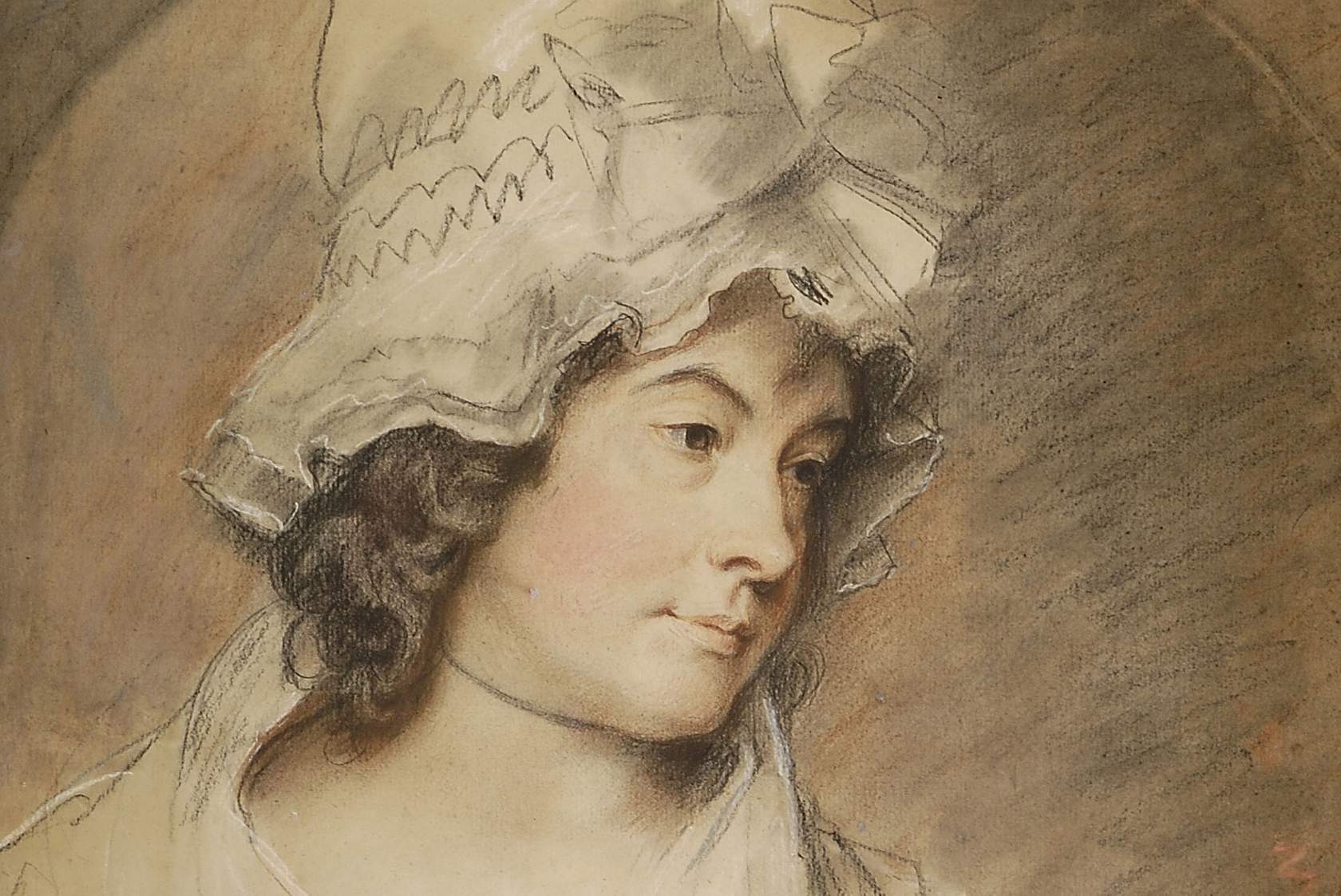
Benjamin's imprisonment led Smith to get her writing published for the first time; Elegiac Sonnets (1784) did well enough to pay the Smiths' way out of prison. With the knowledge that she could support herself with writing, Smith gathered the courage to leave her husband in 1787. For ten years, Smith enjoyed popularity for her poems and novels, but she eventually fell out of the spotlight and back into poverty. She died of gout in 1806.
Although she suffered many ups and downs throughout her personal life, Smith's writing had a lasting impact on British literature. Her novels (she published ten!) influenced the Gothic and sentimental genres/modes. In poetry, her sonnets proved that the English sonnet was not a dead form; she revitalized the form with a melancholy tone and Romantic themes.
"To Night" (1788)
Poem Context
This poem and the following are English sonnets. Their form contains:
14 lines total
Iambic pentameter rhythm
A "turn" (shift of subject, tone, or perspective) at the beginning of the ninth line
Rhyming couplet at the end
I love thee, mournful, sober-suited Night!
When the faint moon, yet lingering in her wane.
And veil'd in clouds, with pale uncertain light
Hangs o'er the waters of the restless main.
In deep depression sunk, the enfeebled mind [5]
Will to the deaf cold elements complain,
And tell the embosom'd grief, however vain,
To sullen surges and the viewless wind.
Tho' no repose on that dark breast I find,
I still enjoy thee—cheerless as thou art; [10]
For in thy quiet gloom the exhausted heart
Is calm, tho' wretched; hopeless, yet resign'd.
While to the winds and waves its sorrows given,
May reach—tho' lost on earth—the ear of Heaven!
"To Night"
The speaker describes Night as a "mournful," "quiet gloom" with "deaf cold elements." Why, then, does she still love it?
"On Being Cautioned against Walking on a Headland, Because It Was Frequented by a Lunatic" (1797)
00:49
Is there a solitary wretch who hies
To the tall cliff, with starting pace or slow,
And, measuring, views with wild and hollow eyes
Its distance from the waves that chide below;
Who, as the sea-born gale with frequent sighs [5]
Chills his cold bed upon the mountain turf,
With hoarse, half-uttered lamentation, lies
Murmuring responses to the dashing surf?
In moody sadness, on the giddy brink,
I see him more with envy than with fear; [10]
He has no nice felicities that shrink
From giant horrors; wildly wandering here,
He seems (uncursed with reason) not to know
The depth or the duration of his woe.
"On Being Cautioned"
Does Smith seem to view the lunatic with compassion or simply with curiosity?
Authorial Context: Felicia Hemans (1793–1835)
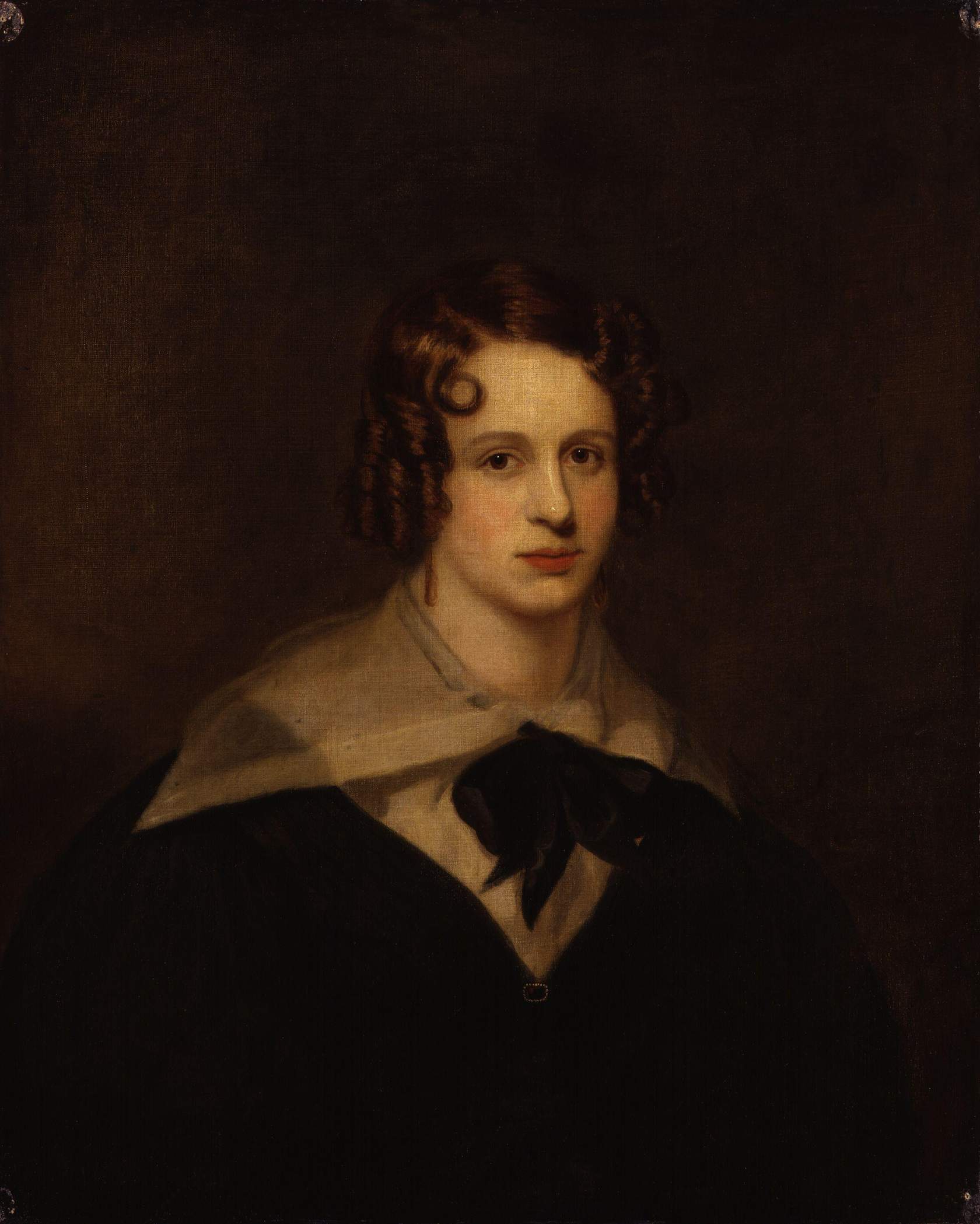
The English poet Felicia Hemans was born in Liverpool, England, but spent her childhood in Wales.
She began publishing much earlier in her life than other Romantic poets, releasing her first two volumes by age 15! These collections attracted the attention of Romantic Percy Bysshe Shelley. Later, other Romantics like William Wordsworth expressed great admiration for her work.
Hemans continued to write poetry during her marriage to Captain Alfred Hemans. After their separation, Hemans moved to Dublin, Ireland, and published more poetry collections, which garnered even more success. She died of dropsy in 1835 as a revered and widely-read Romantic poet.
The unique pressure of the female poet in the 1800s is evident in Hemans's poems.
Her self-abasing women of the domestic affections and her scimitar-wielding superwomen of the revenge narratives exist side-by-side throughout her works. These and other seeming dissonances clearly enhanced the strong appeal of her poems to a wide range of readers, men as well as women.
The Norton Anthology of English Literature
"Evening Prayer at a Girl's School" (1826)
02:38
Now in thy youth, beseech of Him
Who giveth, upbraiding not;
That His light in thy heart become not dim,
And his love be unforgot;
And thy God, in the darkest of days, will be
Greenness, and beauty, and strength to thee.
–BERNARD BARTON
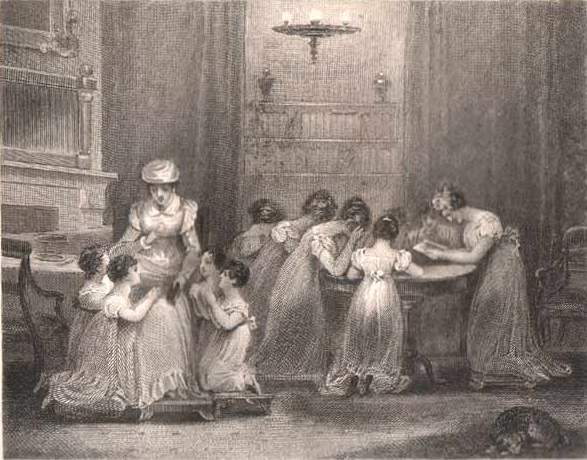
Hush! 'tis a holy hour–the quiet room
Seems like a temple, while yon soft lamp sheds
A faint and starry radiance, through the gloom
And the sweet stillness, down on fair young heads,
With all their clustering locks, untouch'd by care, [5]
And bow'd, as flowers are bow'd with night, in prayer.
Gaze on–'tis lovely!–Childhood's lip and cheek,
Mantling beneath its earnest brow of thought–
Gaze–yet what seest thou in those fair, and meek,
And fragile things, as but for sunshine wrought?– [10]
Thou seest what grief must nurture for the sky,
What death must fashion for eternity!
O! joyous creatures! that will sink to rest,
Lightly, when those pure orisons are done,
As birds, with slumber's honey-dew opprest, [15]
'Midst the dim folded leaves, at set of sun–
Life up your hearts! though yet no sorrow lies
Dark in the summer-heaven of those clear eyes.
Though fresh within your breasts the untroubled springs
Of hope make melody where'er ye tread, [20]
And o'er your sleep bright shadows, from the wings
Of spirits visiting but youth, be spread;
Yet in those flute-like voices, mingling low,
Is woman's tenderness–how soon her woe!
Her lot is on you–silent tears to weep, [25]
And patient smiles to wear through suffering's hour,
And sumless riches, from affection's deep,
To pour on broken reeds–a wasted shower!
And to make idols, and to find them clay,
And to bewail that worship–therefore pray! [30]
Her lot is on you–to be found untired,
Watching the stars out by the bed of pain,
With a pale cheek, and yet a brow inspired,
And a true heart of hope, though hope be vain;
Meekly to bear with wrong, to cheer decay, [35]
And oh! to love through all things–therefore pray!
And take the thought of this calm vesper time,
With its low murmuring sounds and silvery light,
On through the dark days fading from their prime,
As a sweet dew to keep your souls from blight! [40]
Earth will forsake–O! happy to have given
The unbroken heart's first fragrance unto Heaven.
"Evening Prayer at a Girl's School"
Poem Analysis
"Evening Prayer at a Girl's School" encapsulates the tension in Hemans's poems between the beauties and sorrows of womanhood. The poet upholds the traditionally feminine virtues of prayer, forbearance, and meekness. But she also laments all the sorrow that awaits young girls when they grow into wives and mothers.