Unit 3.7 ~ Total Fertility Rate (TFR)
TFR & Infant Mortality
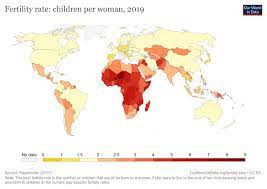
- Total Fertility Rate (TFR): avg. number of children a woman in a population will bear throughout her lifetime
- Higher TFR = higher birth rate, higher pop. growth rate (generally)
- Replacement Level Fertility: the TFR required to offset deaths in a pop. and keep pop. size stable
- About 2.1 in developed countries (replace mom & dad)
- Higher in less developed countries due to higher infant mortality
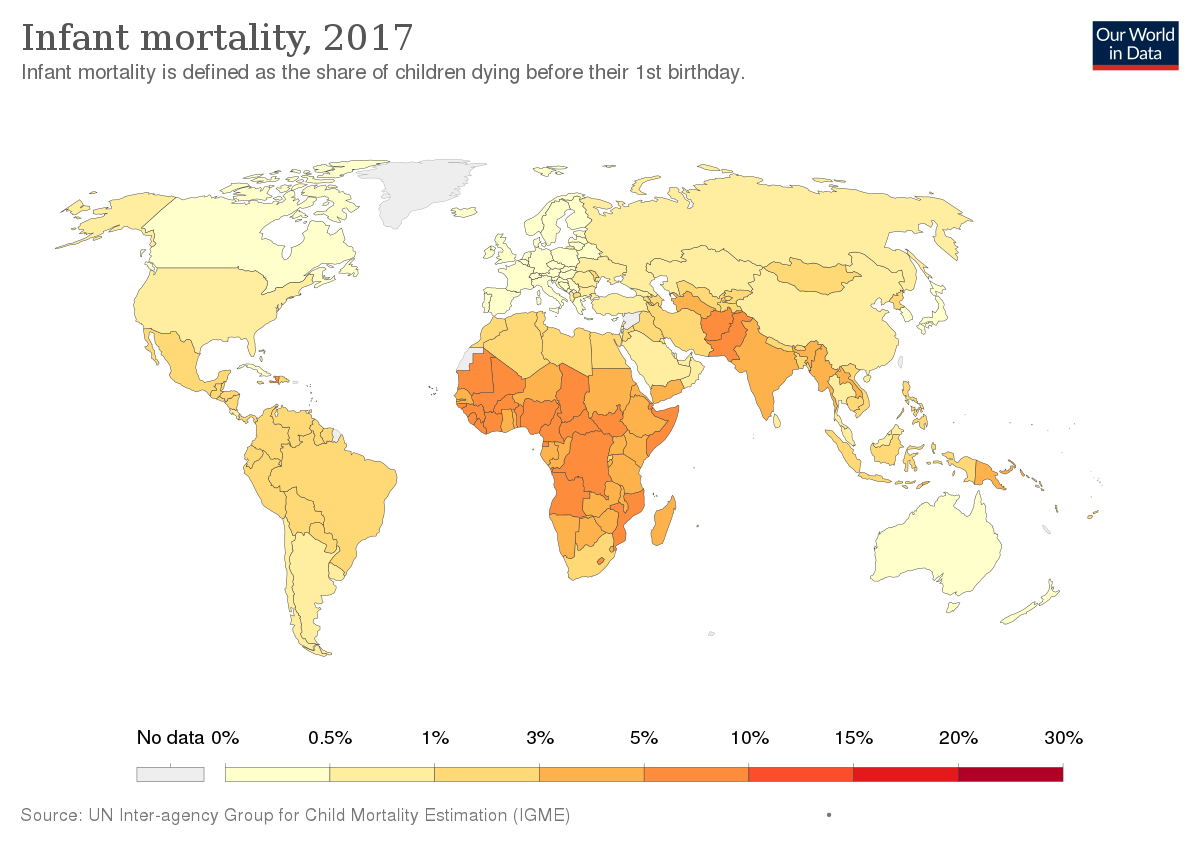
- Infant Mortality Rate (IMR): number of deaths of children under 1 year per 1,000 people in a pop.
- Higher in less developed countries due to lack of access to: health care, clean water, enough food
- Higher IMR = higher TFR, due to families having replacement children
Factors in IMR Decline
- Access to clean water
- Access to healthcare (hospitals, vaccines, vitamins & supplements for moms & babies)
- More reliable food supply
Factors That Affect TFR
- Development (Affluence): more developed, or wealthy nations have a lower TFR than less developed nations
- More educational access for women
- More econ. opportunity for women
- Higher access to family planning education & contraceptives
- Later age of first pregnancy
- Less need for children to provide income through agricultural labor
- Gov. Policy: can play a huge role in fertility by coercive (forceful) or noncoercive (encouraging) policies
- Forced or vol. sterilization
- China’s 1 (now 2) child policy
- Tax incentives to have fewer children
- Microcredits or loans to women without children to start businesses
Affluence & TFR
- More access to contraceptives & family planning
- Ed./econ. opportunities require time, leaving less for raising children
- Lower IMR = lower TFR
Female Education & TFR
- More education = fewer unplanned pregnancies
- More education = more job. opportunities for women
- Alternative to marrying young