Sexual Differentiation and Environmental Endocrine Disruption - Notes
Chromosomal Division, Nondisjunction, and Aneuploidy
Core Terminology and Mechanisms
Aneuploidy: An atypical chromosome count deviating from an exact multiple of the standard haploid () or diploid () set, resulting from missing or extra chromosomes.
Euploidy: A normal, balanced chromosomal complement ( in human somatic cells).
Polyploidy: The possession of three or more complete sets of chromosomes (, ).
Nondisjunction: The failure of homologous chromosome pairs to segregate during anaphase I, or sister chromatids to separate during anaphase II, generating abnormal gametes ( or ) that yield monosomic () or trisomic () zygotes upon fertilization.
Monosomy: The loss of one chromosome from a diploid pair ().
Trisomy: The presence of an additional chromosome to a homologous pair ().
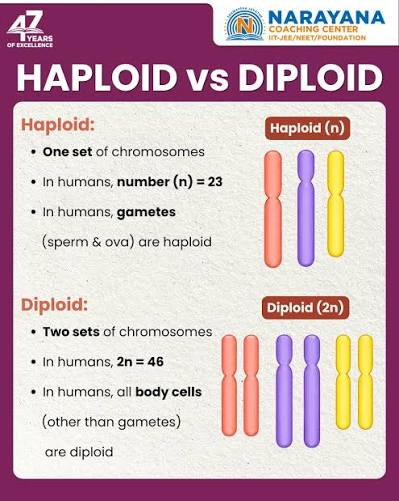
Haploid cells (n) contain a single set of chromosomes, whereas diploid cells (2n) contain two complete sets.
Gametogenesis and Meiotic Asymmetry
Oogenesis: Asymmetrical division producing viable ovum and non-functional polar bodies that sequester excess genetic material while preserving cytoplasmic volume for the zygote.
Spermatogenesis: Symmetrical division yielding viable, functional sperm cells per meiotic cycle.
Biological Tolerance and Parental Age
Autosomal Lethality in Animals: Autosomal aneuploidies are overwhelmingly lethal during early development. Trisomy 21 (Down syndrome) is the most prevalent survivable autosomal aneuploidy in humans ( in live births, or ), whereas Monosomy 21 is universally lethal in utero.
Parental Age Correlation: Advanced maternal age correlates with nondisjunction due to prolonged meiotic arrest of primary oocytes. However, advanced paternal age equally elevates nondisjunction and de novo mutations due to accumulated replicative cycles in aging spermatogonial stem cells, debunking historical research biases that focused solely on maternal age.
Botanical Plasticity: Unlike animals, plants tolerate chromosomal mismatches and genomic duplications. Polyploid domestic crops (e.g., triploid bananas, seedless watermelons) and interbreeding hybrid oak trees (Quercus) produce viable offspring without triggering developmental arrest.
Sex Chromosome Aneuploidies
Sex chromosome variations are significantly more survivable in humans than autosomal aneuploidies due to X-chromosome inactivation and low gene density on the Y chromosome:
47,XYY Syndrome ("Hyper Male"): Individuals possess an additional paternal Y chromosome. Phenotypic traits include tall stature, severe acne, reduced verbal output, and mild cognitive delays associated with elevated systemic testosterone. Individuals exhibit reduced mean lifespan and near-total sterility. (Distinct from pituitary gigantism/acromegaly).
Turner Syndrome (): Individuals lack a second sex chromosome, developing a female phenotype due to the absence of the gene. Characteristics include short stature, a webbed neck, a broad shield chest, streak ovaries, and complete sterility, with a normal lifespan.
Klinefelter Syndrome (): The most common survivable sex chromosome aneuploidy, presenting with male chromosomal baseline, narrow shoulders, gynecomastia, lengthened lower limbs, reduced body hair, and hypogonadism. With early hormone replacement therapy (HRT), individuals lead typical lifespans and predominantly identify as male, though the vast majority remain sterile.
The Multilevel Framework of Sexual Differentiation
Early mammalian development does not default to female; embryos begin in an undifferentiated, bipotential state possessing both Müllerian and Wolffian duct networks at gestational weeks to .
Internal Ducts and Gonadal Divergence
Male Pathway (): Expression of the Y-linked gene directs gonadal ridges to form testes. Sertoli cells secrete Anti-Müllerian Hormone (AMH/MIS) to regress the Müllerian ducts. Leydig cells secrete testosterone, stimulating the Wolffian ducts to differentiate into the epididymides, vasa deferentia, seminal vesicles, and ejaculatory ducts.
Female Pathway (): In the absence of , gonads form ovaries. Lacking AMH, Müllerian ducts persist and develop into the fallopian tubes, uterus, cervix, and upper vagina. Lacking testosterone, Wolffian ducts degenerate.
External Genitalia Virilization
At weeks of gestation, indifferent external structures comprise the genital tubercle, urethral folds, urethral groove, and labioscrotal swellings:
Male Virilization: Requires dihydrotestosterone (), converted from testosterone via -reductase. drives genital tubercle elongation into the penis, midline fusion of urethral folds into the penile urethra, and labioscrotal fusion into the scrotum.
Female Virilization: In the absence of , the genital tubercle forms the clitoris, urethral folds form the labia minora, and labioscrotal swellings form the labia majora.
The Five Hierarchical Levels of Biological Sex
Biological sex functions along a continuum across five distinct tiers:
Chromosomal Sex: Genomic sex chromosome complement (, , , etc.).
Gonadal Sex: Differentiation into ovaries or testes from abdominal germinal ridges.
Hormonal Sex: Systemic androgen-to-estrogen balance, regulated jointly by the gonads and intrinsic de novo steroid synthesis within the central nervous system.
Morphological Sex: Ductal anatomy and external genitalia.
Behavioral / Neural Sex: Sexually dimorphic brain organization and self-concept of gender identity, existing on a continuous distribution rather than a strict binary.
Critical Hormonal Windows and Intersex Variations
Organizational Hormonal Windows
Male sexual differentiation depends on discrete organizational endocrine surges:
First Trimester Gestational Surge: Drives primary morphological differentiation of genitalia.
Third Trimester / Neonatal Surge: Permanently organizes sexually dimorphic neural architecture. In rodent models, neonatal castration on Day abolishes adult male mating behavior and induces female lordosis, whereas exogenous testosterone exposure in newborn females permanently masculinizes adult sexual behavior.
Clinical Intersex Conditions (~ of Births)
Androgen Insensitivity Syndrome (AIS): An X-linked recessive loss-of-function mutation in the androgen receptor () gene on a karyotype. Testes produce testosterone and AMH (regressing Müllerian ducts), but peripheral tissues cannot respond to androgens. Individuals develop an external female phenotype, breast tissue, a blind-ending vagina, and female identity, but lack ovaries and a uterus. Elevated circulating testosterone provides no anabolic advantage due to absent cellular receptors.
-Reductase Deficiency (): An autosomal recessive mutation in preventing conversion of testosterone to . neonates are born with ambiguous or female-appearing genitalia (pseudovaginal perineoscrotal hypospadias) and are often raised female ( in males, or , in parts of the Dominican Republic). At puberty, high testosterone surges overcome receptor thresholds, triggering phallic enlargement, testicular descent, muscular virilization, male gender transition, and functional fertility.
Hypospadias: A malformation where the urethral meatus opens on the ventral shaft or perineum due to incomplete urethral fold fusion. Correlates with gestational exposure to selective pharmaceuticals (bupropion) and endocrine-disrupting cosmetic chemicals among hair salon workers.
Intrauterine Positioning, Comparative Taxa, and Ecotoxicology
Intrauterine Positioning and Chimerism
Bovine Freemartinism: Fused chorionic placental circulation in dizygotic male-female cattle twins allows anti-Müllerian hormone, testosterone, and stem cells to cross into the female fetus. This induces ovarian hypoplasia, Müllerian regression, and sterile, virilized development in the female ("freemartin"), while the fertile male bull is often physically stunted.
Rodent Intrauterine Position: In bicornuate uteri, fetuses absorb steroid hormones diffusing from adjacent littermates. A female gestated between two males ( female) receives elevated testosterone, maturing into an aggressive, territorial adult adapted for resource-scarce, high-predation environments. A female gestated between two females ( female) matures in an estrogenic microenvironment, displaying passive behaviors preferred by males and adapted for resource-rich environments. Producing variable litters represents an evolutionary bet-hedging strategy.
Comparative Sex Determination
Genotypic Sex Determination (GSD): Mammalian system; Avian system (females , males , wherein estradiol acts as a masculinizing hormone for song nuclei); Haplodiploidy in Hymenoptera ( diploid females from fertilized eggs, haploid males from unfertilized eggs).
Temperature-Dependent Sex Determination (TSD): Pattern IA yields males at cool temperatures and females at warm temperatures (alligators; stressed females nest in warmer microclimates to increase female ratios). Pattern IB yields females at cool temperatures and males at warm temperatures (marine turtles; thermal gradients from nest surface to depth allow mixed-sex clutches).
Sequential Hermaphroditism: Clownfish (Amphiprion) exhibit protandry, maturing first as males and transitioning into reproductive females following the loss of the dominant female.
Environmental Endocrine Disruptors (EDCs)
Municipal Wastewater: Treatment facilities eliminate microbial pathogens but fail to filter low-molecular-weight pharmaceuticals (e.g., -ethinylestradiol from contraceptives), causing intersex pathology (ovotestes) and feminization in freshwater fish and amphibians.
Industrial Xenoestrogens: Bisphenol A (, polycarbonate plastics and food can linings) and nonylphenol (PVC and stabilizers) leach into food and water, binding estrogen receptors ( and ).
DDT and DDE: Persistent organochlorine insecticides disrupt calcium ATPase in avian oviducts, causing severe eggshell thinning and population collapse in apex raptors (bald eagles, condors). While banned in the United States in 1972, global export continues for malaria vector control, presenting an ongoing public health trade-off between acute infectious disease prevention and chronic chemical ecotoxicity.