Stuttering Assessment Procedure
This assessment procedure, developed by Martine Vanryckeghem and Gene J. Brutten, offers a comprehensive multi-dimensional evidence-based framework aimed at accurately identifying and addressing stuttering and related dysfluencies. The primary objective is to differentiate various types of dysfluency through reliable and valid assessment methods that can inform treatment strategies tailored to individual client needs.
Multidimensional Evidence-Based Approach
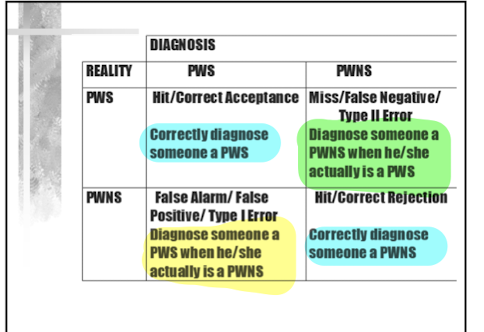
The Behavior Assessment Battery (BAB) is a key component of this assessment, including various dimensions of speech fluency that contribute to a holistic understanding of the client’s communication profile. Key considerations include:
PWS: People Who Stutter, who experience noticeable disruptions in their speech production.
PWNS: People Who Do Not Stutter, serving as a comparative group that may exhibit different fluency characteristics.
The assessment leverages evidence-based tests designed to achieve a differential diagnosis of stuttering versus other related speech disorders, facilitating appropriate clinical interventions. A personalized therapeutic strategy can then be developed based on this comprehensive assessment.
Unreliability Concerns in Stuttering Assessment
Traditional methods of counting stuttering moments often lead to unreliable results due to:
Varied listener agreement among professionals and laypeople regarding what constitutes a stutter.
Inconsistencies in counting methods, such as whether to count words or syllables, which can affect the perceived severity and improvement measurements.
This highlights the necessity for a more precise molecular definition of stuttering, focusing on:
Within-word disfluency, including fast sound and syllable repetitions and tense prolongation, as well as the consideration of silent or oral behaviors that accompany disruptions in speech.
Molecular Analysis of Dysfluency
There are significant distinctions observed between PWNS and PWS:
PWNS: Typically display some evidence of disfluencies; however, these are not considered clinically significant and may include typical speech hesitations or normal variations in speech flow.
PWS: Exhibit a combination of fluent and disfluent speech behaviors significantly affected by:
Neurogenic Factors: Conditions such as cluttering and expressive aphasia can influence speech fluency.
Psychogenic Factors: Factors like social anxiety and schizophrenia also contribute to the complexity of stuttering behaviors.
Stress and Dysfluency Correlates
Dysfluency has been found to correlate with various neurogenic disorders, including:
Palilalia: A condition in which a person involuntarily repeats their own words or phrases.
Cluttering: A speech fluency disorder where the person tends to speak rapidly and often slur their words together, hindering intelligibility.
Additionally, psychogenic disorders such as hysteria and various anxiety disorders have shown connections with stuttering, further emphasizing the need for an inclusive assessment of the individual's emotional and psychological context.
Previous Therapy Analysis
An essential aspect of assessing a client is to evaluate their history with prior therapies, focusing on:
Types of therapy previously undertaken (e.g., behavioral, speech therapy, cognitive therapies).
Duration of therapies and relevance to the client’s current communication challenges.
Client satisfaction and perceived utility of these therapies to guide future treatment directions effectively.
Emotional and Physiological Reactions Assessment
Evaluating general emotional reactions is crucial and can be accomplished through:
Standardized self-report measures that assess anxiety levels independent of speech conditions.
Physiological assessments, including skin conductance, heart rate, and breathing patterns, particularly during speech situations that may provoke anxiety.
The Fear Survey Schedule, adapted for adults and children, helps gauge speech-related fears that could impact fluency.
Speech-Specific Measures and Data Collection
A variety of self-report tests are tools for assessing specific speech conditions, which include:
Speech-Situation Checklist: Evaluates emotional and cognitive reactions to various speaking situations and how these relate to the experience of stuttering.
Behavior Checklist: Focuses on avoidance and escape behaviors linked to speech, helping to identify maladaptive strategies that may negatively impact communicative effectiveness.
Data collection also involves analyzing performance in real-time through:
Oral and silent reading tasks designed to log instances of stuttering, providing quantitative data that can be analyzed for trends and patterns.
Understanding and Interpreting Speech Assessment Data
Accurate interpretation of assessment scores is critical to identifying clinical significance. Important metrics to consider include:
Scores that are at least two standard deviations above the mean for both PWS and PWNS groups indicate areas of concern needing further intervention.
The behavior checklist shows statistically significant differences in the coping strategies employed by PWS compared to PWNS, aiding in the formulation of personalized treatment plans.
Conclusion on the Implementation of Assessment Procedures
Implementing a structured assessment protocol facilitates a comprehensive understanding of the dynamics of stuttering. This allows for tailored therapy strategies based on robust data collection and analysis, ultimately supporting clients through cognitive behavior changes and enhancing confidence within therapeutic contexts. Structured assessments help create a path to effective interventions and improvements in the quality of life for individuals who stutter.
CAT and KiddyCAT Assessments
Childhood and Adolescent Test (CAT): This assessment tool is designed for children and adolescents, focusing on identifying and measuring the stuttering severity and the degree of impact on the child's life. The CAT provides standardized scores that reflect the severity of stuttering while also considering contextual factors like family and social dynamics.
Key Features:
Age-appropriate formats to engage children effectively.
Comprehensive scoring system that captures both fluency and emotional responses related to speaking.
KiddyCAT: The KiddyCAT is a specific assessment tool aimed at young children, typically between ages 3 and 6, to evaluate their attitudes toward stuttering and speaking situations. It is designed to be quick, engaging, and easily understood by children, focusing on both cognitive and emotional reactions.
Key Features:
Utilizes simple language and relatable scenarios to assess the child’s feelings towards their own speech.
Helps in identifying potential anxiety or negative feelings associated with speaking, which can inform therapy approaches with a focus on emotional support and confidence building.