Networks
Networks allow a computer to connect to other computers as well as other external resources in order to do the following:
Share resources - such as printers, software or application servers
Communicate and exchange data - examples: email, voice, video conferencing
Multi user games and entertainment
Allow businesses to provide e-commerce apps such as online shopping and online payments
Hosts and data transmission:
Each host or machine on the network has a unique network address
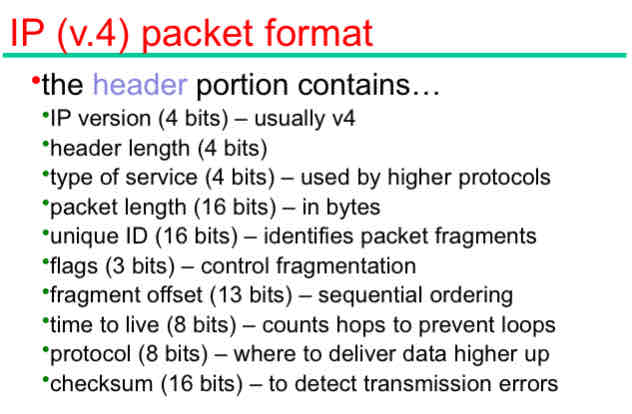
Data is sent through data packets
Data packets:
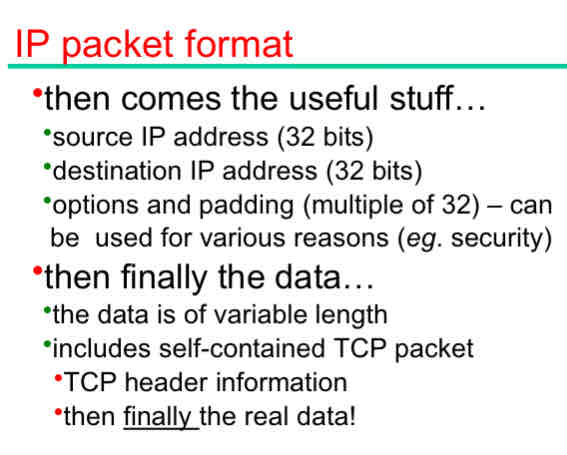
It is split into two, the header and the data
Header contains the following: Packet number, address of the sender, destination address, length of data, error correcting info
The data part contains the actual data such as a small message
Networking themes:
Topology such as: bus, ring, or star
Network scope such as: LAN, WAN, metropolitan area
Network access control such as: intranet, internet
Topology’s:
Bus - each machine is connected to a single back bone cable. Advantages: simple, cheap, good for small networks. Disadvantages: Frequent collisions, if the back bone cable fails it all stops working, limited cable length.
Ring - each machine is connected to a ring of cable. Advantages: fewer collisions, ordered transmission using tokens, tokens constantly circulate through the ring. Disadvantages: Cable failure brings the whole network down, tokens have to be passed through each node, difficult to extend with kore machines
Star - Each machine is connected to a central hub. Advantages: problems are isolated to a single branch, does not bring the whole network down. Disadvantages: if the central hub is a single point then the whole network goes down, limitations on amounts of cable. (Most popular type of network in homes)
Wireless networks tend to use a star topology, the central node is called the access point, machines will use the access point to communicate to each other
Network scopes:
Local area network (LAN) - local and small area such as inside someones house
Metropolitan area networks (MANs) - limited geographical area (not sure anything about)
Wide area network (WAN) - multinational global areas, with is made by connecting many LANs connected together
Connecting networks together:
A router has the same function of a switch however a router allows you to connect to the wider network and adds some routing intelligence
The router knows the destination of data packets, address gateway to the next network
Data packets are passed between routers until it reaches its desired destination
Internet-working software layers:
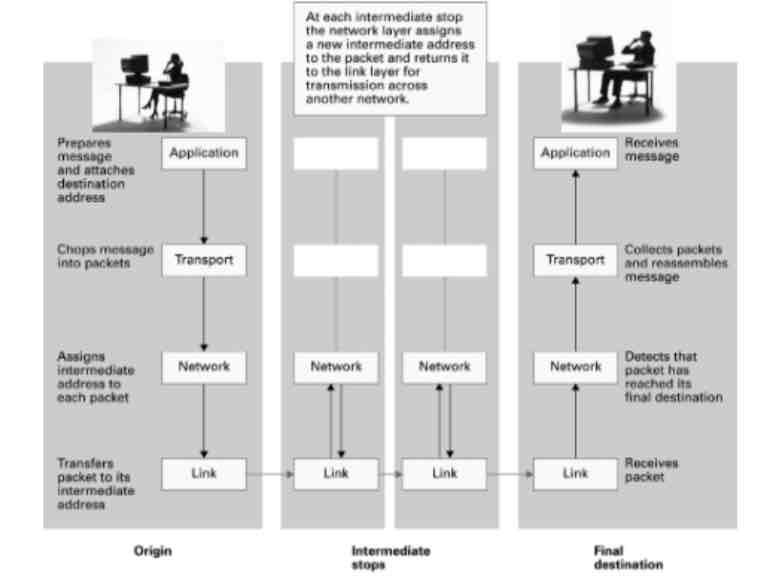
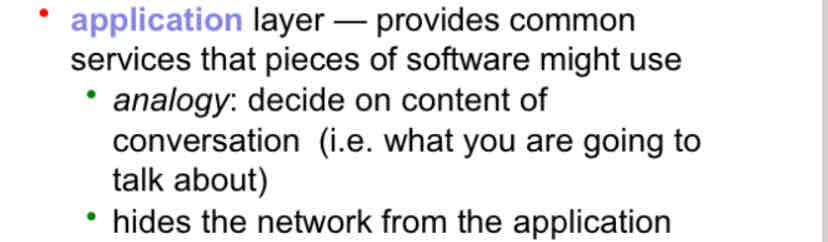
Application layer - constructs message, includes destination address information
Transport layer - chops message into data packets
Network layer - organises routing of packets through the internet
Link layer - handles actual transmission of packets
Real time routing:
Dynamic nodes?
Routing finds the optimum path from one node to another
Network routers are constantly searching for viable communication pathways, sorting the current set of viable pathways to find the best path
Uses algorithms such as dijsktras shortest path algorithm
Network protocols:
The rules networks have when communicating to each other
Protocols provide control, fairness and accuracy when communicating
Control - makes sure packets are sent in an orderly fashion
Fairness - makes sure each computer has an equal share of the network
Accuracy - makes sure data is not corrupted
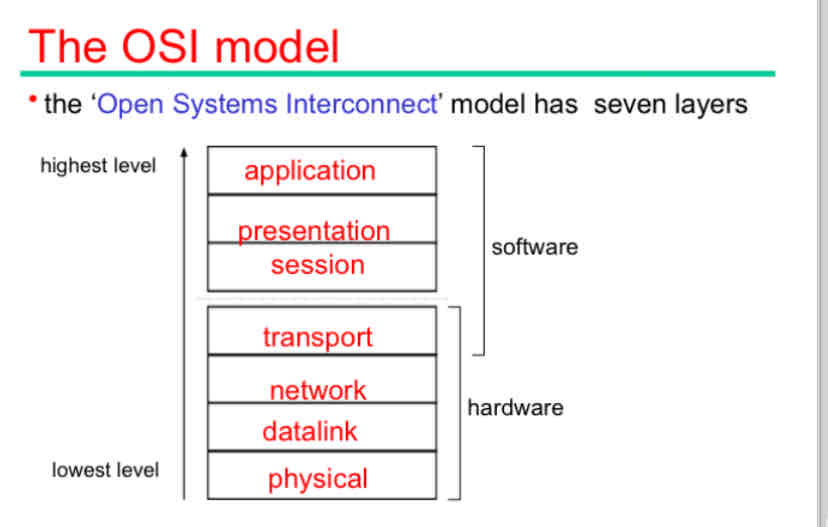
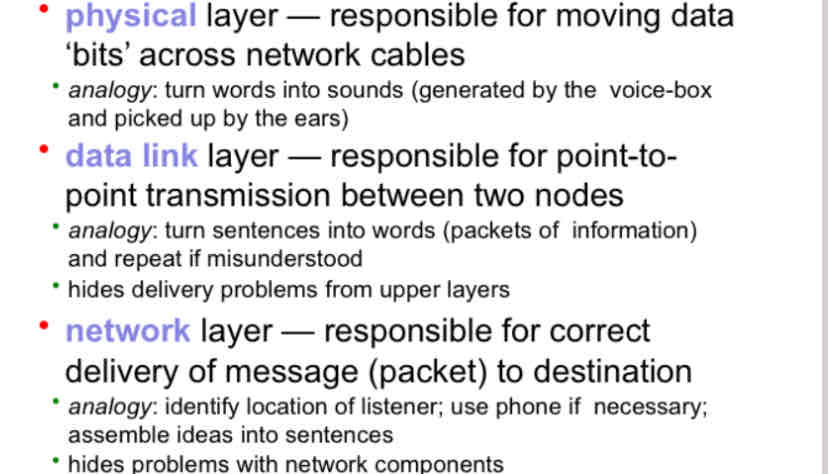
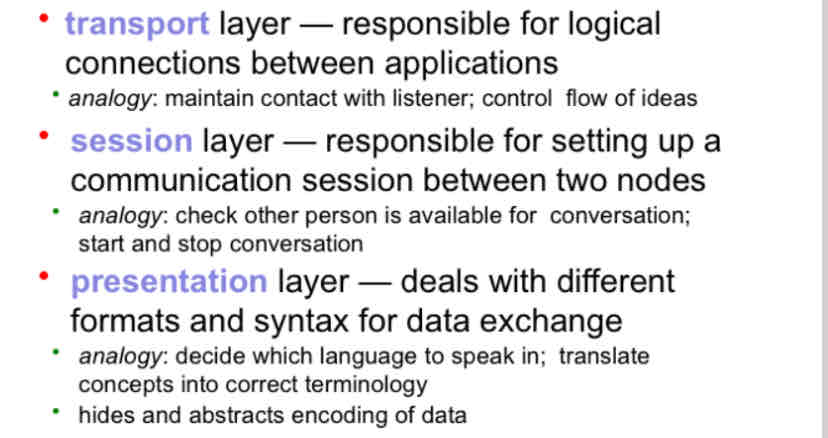
The OSI model:
Abstract model of networking
Helps hardware and software vendors position themselves in the market place
TCP/IP:
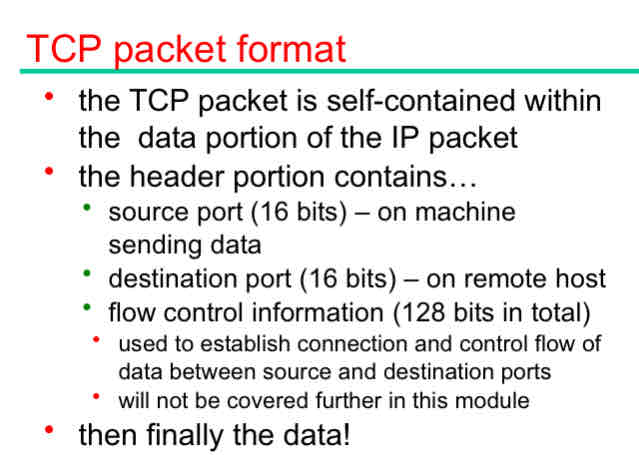
Data packets are routed around using two protocols: Transmission control protocol (TCP), internet protocol (IP).
Provide multi level abstraction from the physical hardware topology of the network
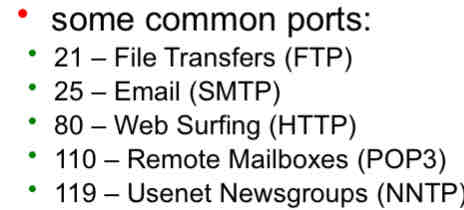
Each machine can do several things at once which all involve communicating with packets but it does not get mixed up due to using multiple ports
TCP Ports:
Each port is associated with an application and a protocol for sending data
IP addresses:
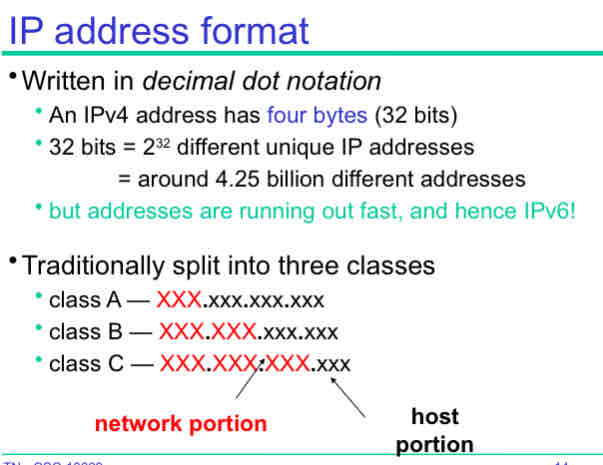
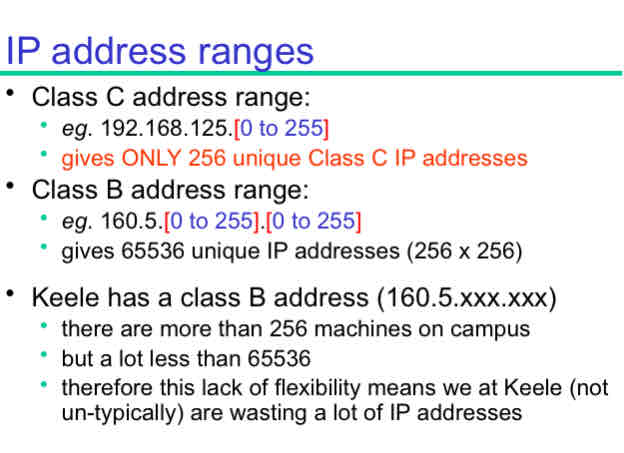
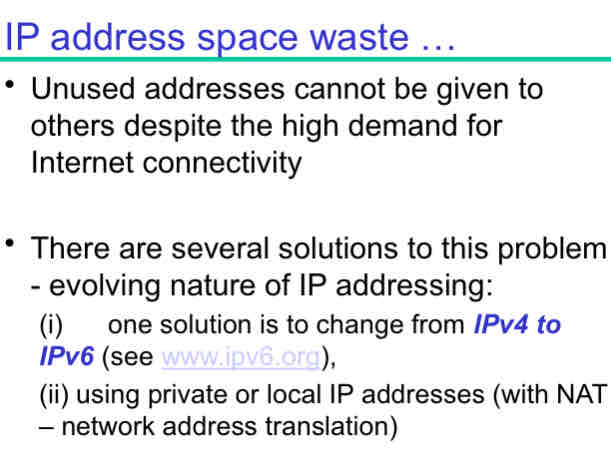
Every device on a network has an IP address
It is split into two parts: network portion, host portion
Network portion - identifies a particular network?
Host portion - identifies a host device on the network
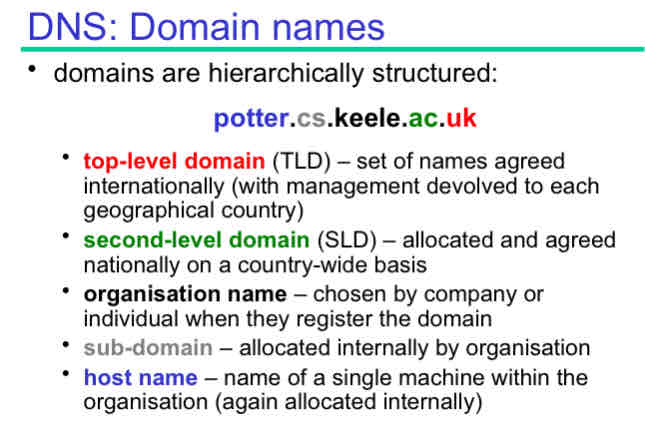
Domain name system:
Provides a name to the ip address to a website so that users of the web dont need to remember the ip address of the website
IP look-up process:
When accessing a webpage the users server will contact the master root servers to get the address for the next server
When the machine has gotten the full IP address the machine can start to send its data packets