Chords in Context I
Supertonic Seventh
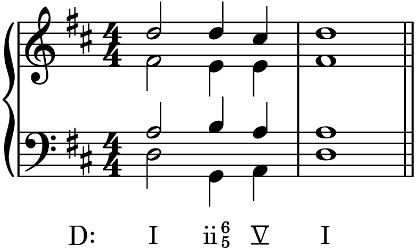
ii7 in Major Keys
Quality is minor seventh - minor triad with a minor seventh function is pre-dominant - typically goes to V
Chord seventh resolves down by step often found in first inversion
same bass note as IV
iio7 in minor Keys
quality is half-diminished seventh typically goes to V
diminished triad with a minor seventh is pre-dominant
chord seventh resolved down by step often found in first inversion
same bass note as iv
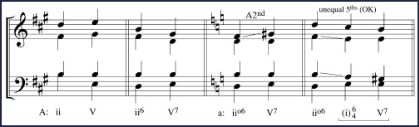
Supertonic Triad
minor triad in major keys
diminished triad in minor keys
functions as pre-dominant
often used in first inversion
“never” found in second inversion
Leading-Tone Triad
quality is diminished in both major and minor keys
leading tone (root) must be raised in minor
typically moves to tonic
the triad can be heard as a V7 without its root
usually found in first inversion (viio6)
Leading-Tone Seventh
Part writing
chord seventh resolves down
chord root (leading tone) resolves up
all voices should move by step
irregular doubling of tonic chord is OK
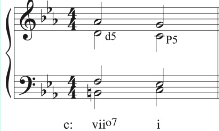
minor keys viio7
quality is fully diminished - diminished triad with seventh (all minor 3rds)
don’t worry about parallel 5th when resolving
major keys viio7
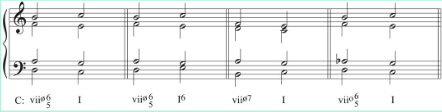
quality is half-diminished seventh
diminished triad with minor seventh (m3,m3, M3)
half-diminished can produce parralell 5ths when resolving to I, any of these options will avoid these:
resolve vii
o6/5 to I6 (cannot move to root position I)voice the chord as fourths (3rd above 7th)
borrow viio7 from parallel minor (lower la to le)
Practice
find the leading tone of the key and spell indicated chord from that root note
be sure to distinguish o7 VS
o7o7 = all minor 3rds
o7 = mmmodo not existfor viio triad, double chords 3rd
raise the LT when in minor keys
lower the chord seventh for fully diminished in major keys
move all voices by step when resolving to I or i
resolve chord root up and chord seventh down