Chapter 4-6 Overview
Chapter 4: Cell Parts
The three basic principles of the cell theory
All organisms are composed of cell
Cells are the basic units of structure and function in organisms
Cells come only from pre-existing cells because cells are self-reproducing
All cells have:
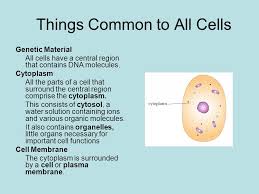
The cell membrane (plasma membrane)
Cytoplasm(cytosol)
Chromosomes
Ribosomes
There are two different cells in every organism: Prokaryotes & Eukaryotes.
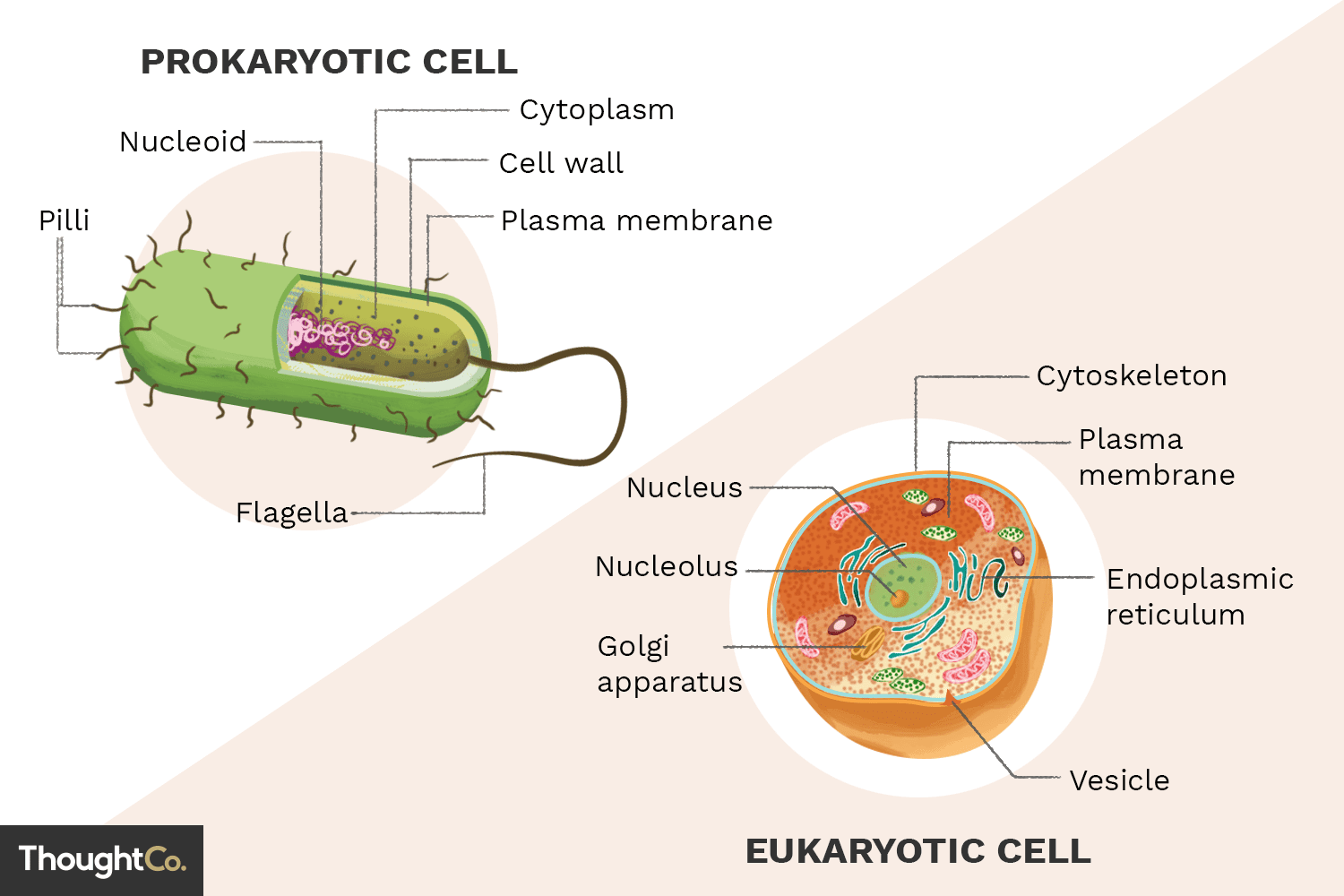
Prokaryotic: cells are single-celled organisms without a nucleus or other membrane-bound organelles; Bacteria and archaea are the only ones that have these cells
Smaller than eukaryotic cells; for example, Bacteria
No nucleus
No membrane-bound; only membrane that they are plasma-membrane
Eukaryotic: cells are those with a well-defined nucleus surrounded by a membrane and other membrane-bound organelles. Plants, animals, etc., have these cells.
Larger; a nucleus is the defining feature, where the genetic material (DNA) is housed within a membrane.
Organelles: Specialized compartments within the cell, each with a specific function, like mitochondria, endoplasmic reticulum, and Golgi apparatus, all surrounded by membranes.
_____________________________________
Parts of the Eukaryotic cells:
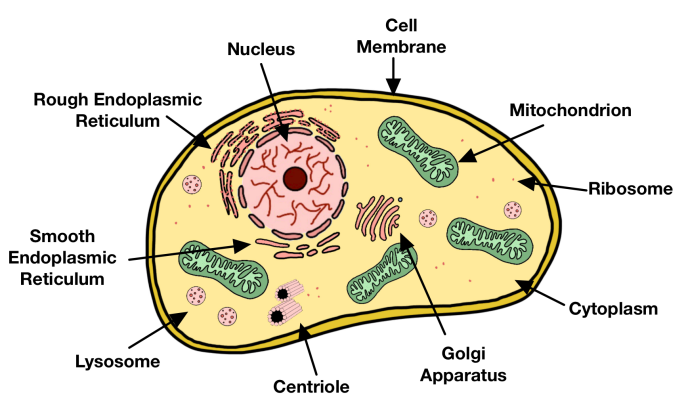
The Nucleus: is usually the largest organelle in the cell. The nucleus not only directs what goes on in the cell but is also responsible for the cell’s ability to reproduce. It’s the home of the hereditary information—DNA—organized into large structures called chromosomes. The nucleolus is the most visible structure within the nucleus, where rRNA is made, and ribosomes are assembled.
Ribosomes: are sites of protein synthesis. Their job is to manufacture all the proteins the cell requires or secreted by the cell. Ribosomes are round structures composed of two subunits, the large subunit and the small subunit. The structure is composed of ribosomal RNA (rRNA) and proteins. Ribosomes can be either free-floating in the cell or attached to another structure called the endoplasmic reticulum (ER)
Endoplasmic Reticulum (ER): a continuous channel that extends into many cytoplasm regions and provides mechanical support and transportation. The rough ER compartmentalizes the cell. The region of the ER that lacks ribosomes is called the smooth ER. The smooth ER makes lipids, hormones, and steroids, breaking down toxic chemicals.
Golgi Complex: After the ribosomes on the rough ER have completed synthesizing proteins, the Golgi complex modifies, processes, and sorts the products. They’re the packaging and distribution centers for materials destined to be sent out of the cell. They package the final products in tiny sacs called vesicles, carrying products to the plasma membrane.
Mitochondria are power stations responsible for converting energy from organic molecules into valuable energy for the cell. The most common energy molecule in the cell is adenosine triphosphate (ATP). It consists of an inner portion and an outer portion. The inner mitochondrial membrane forms folds known as cristae and separates the innermost area (the matrix) from the inter-membrane space. The outer membrane separates the inter-membrane space from the cytoplasm.
Lysosomes: they have sacs that carry digestive enzymes, which they use to break down old, worn-out organelles, debris, or large ingested particles. Lysosomes are made when vesicles containing specific enzymes from the trans-Golgi fuse with vesicles made during endocytosis. Lysosomes are also essential during programmed cell death, which is called apoptosis.
Vacuoles: These are fluid-filled sacs that store water, food, wastes, salts, or pigments. Vacuoles serve multiple functions in plant cells.
Peroxisomes: are organelles that detoxify various substances, producing hydrogen peroxide (H2O2) as a byproduct. They have enzymes that break down hydrogen peroxide into oxygen and water.
Cytoskeleton: The shape of a cell is determined by a network of protein fibers called the cytoskeleton. The most essential fibers are microtubules and microfilaments.
Microtubules: are made up of the protein tubulin and participate in cellular division and movement.
Microfilaments: are essential for movement. These thin, rodlike structures are composed of the protein actin. Actin monomers are joined together and broken apart as needed to allow microfilaments to grow and shrink.
Cilia and flagella: have locomotive properties in single-celled organisms. The beating motion of cilia and flagella structure allows it to move.
__________________________________________
Chapter 5: Cell membrane
Cell membrane Structure:
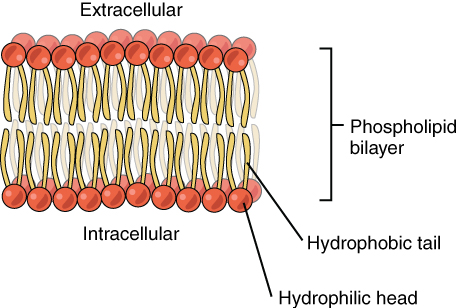
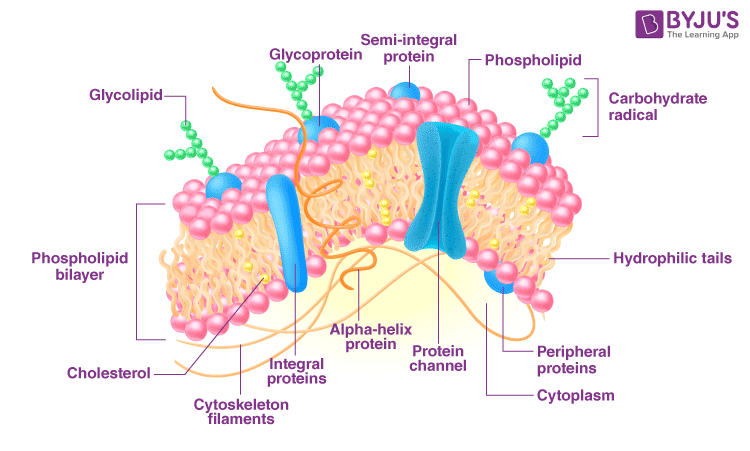
Cell membranes are made of a lipid bi-layer
Proteins are embedded into the bi-layer
Fluid-mosaic models: explain that lipids and proteins are not in fixed positions
Cholesterol and Unsaturated fatty acids help keep the membrane fluid; there are two types of proteins.
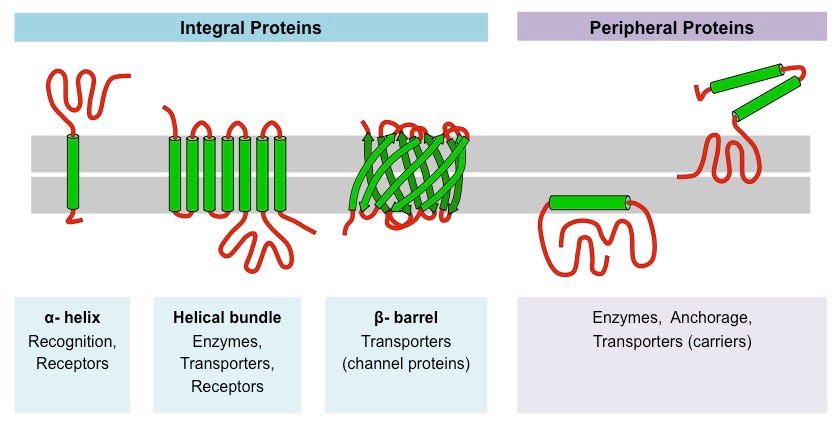
Integral: Pass through the membrane
Peripheral: Outside of the membrane
Membrane function proteins :
Transport
Enzymes
Signaling
cell recognizant (Immune system)
Cell to Cell joining
Other membrane function:
Selective permeability: Some material passes in/out of the cell.
Small hydrophobic(hates water) molecules easily pass through the membrane.
Larger hydrophilic (Loves Water) molecules: Need help passing through the membrane
_____________________________________
Transport Proteins: act like tunnels to allow material in/out. Materials move from high concentrations to areas of low concentration.
If an environment is isotonic(equal) to the cell, the solute concentration is the same inside and outside. A hypertonic(shrink) solution has more total dissolved solutes than the cell, while a hypotonic (swell) solution has less.
Passive Transport: Natural movement of molecules to balance concentrations; movement does not require energy.
If something is high in one area, it will spread out and diffuse into an area with a lower concentration. The substance moves down a concentration gradient. This is called diffusion.
When the diffusing molecule is hydrophobic, the diffusion is called simple diffusion because the small non-polar molecule can drift through the membrane without trouble.
When diffusion requires the help of a channel-type protein, it is called facilitated diffusion. Anytime a substance moves by diffusion, it is called passive transport because no outside energy is required to power the movement.
Active Transport: The movement against the natural flow; uses of energy
ATP powers some proteins in the plasma membrane.
An example of active transport is a unique protein called the sodium-potassium pump. It ushers three sodium ions (Na+) and brings two potassium ions (K+) across the cell membrane. This pump depends on ATP to get ions across that would otherwise remain in regions of higher concentration.
Primary active transport occurs when ATP is directly utilized to transport something.
Secondary active transport occurs when something is actively transported using the energy captured from the movement of another substance flowing down its concentration gradient.
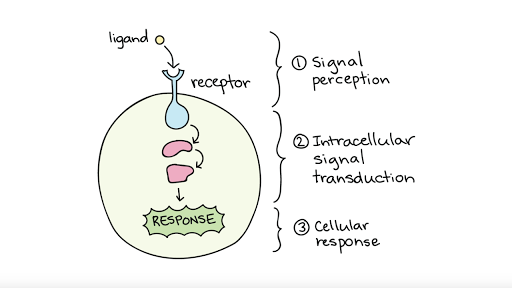
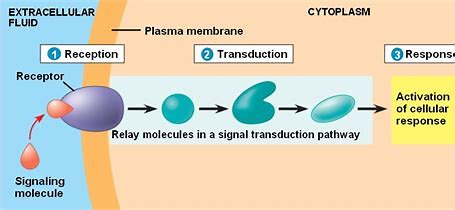
Cell Signaling: Cell comuancie via chemical signals (mulicceualre oranismes)
Three steps of cell communication: Reception, Transduction( passing signal), and Response
__________________________________________
Chapter 6 Enzymes:
Metabolism: all of the cell’s chemical reactions cells
Metabolic pathway: service of chemical reaction to make a product
Energy (E) in metabolic reactions:
It can be transferred in a chemical reaction
free energy: energy that can do work in a cell (G)
△ G= Change in free energy
+ △ G= Energy is stored and reaction is not spontaneous
- △ G= Energy is released and reactions is spontaneous
Types of Reactions
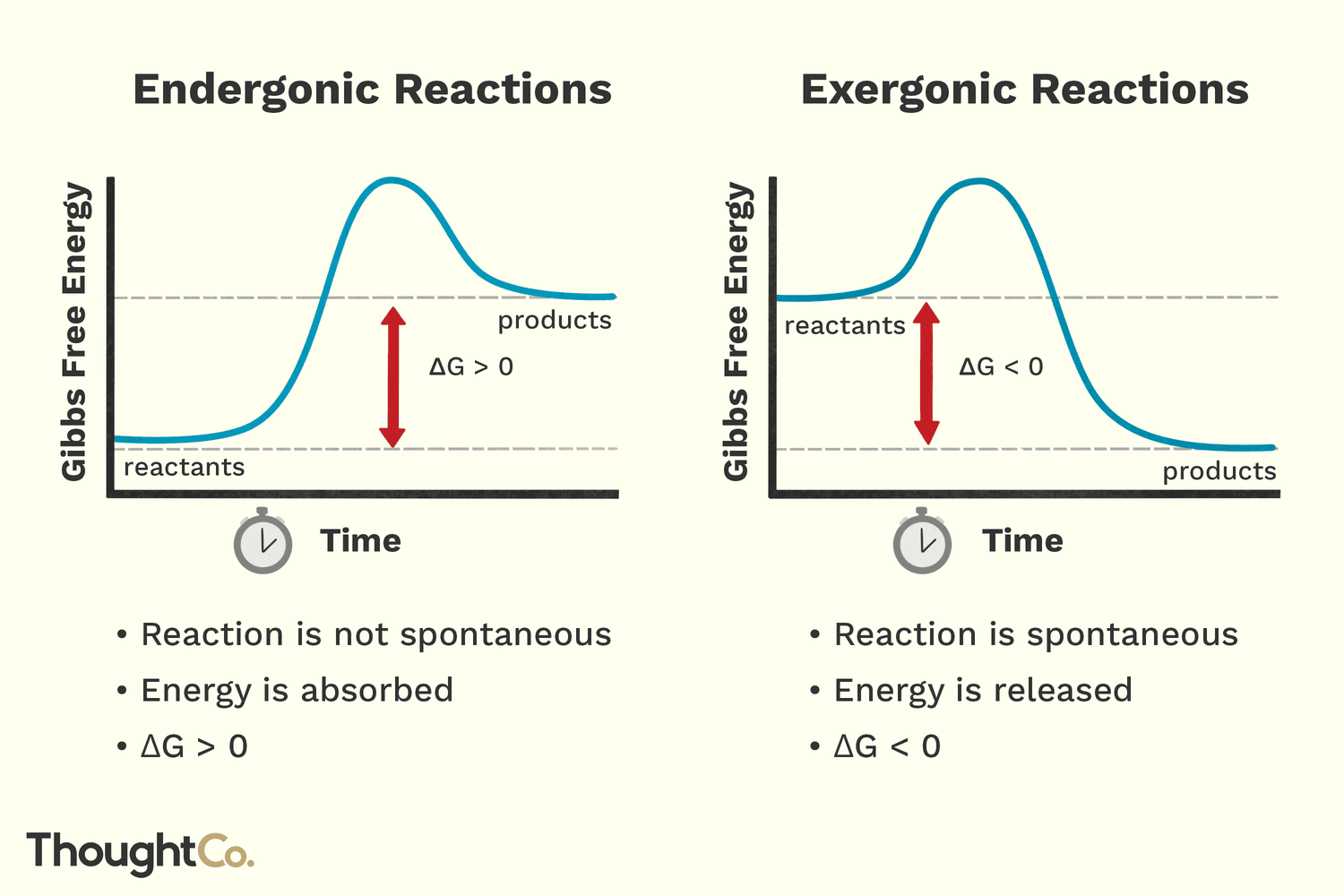
Exergonic reactions are when the products have less energy than the reactants.
An energy diagram can represent the course of a reaction. You’ll notice that energy is defined along the y-axis.
Reactions that require an energy input are called endergonic reactions. The products have more energy than the reactants.
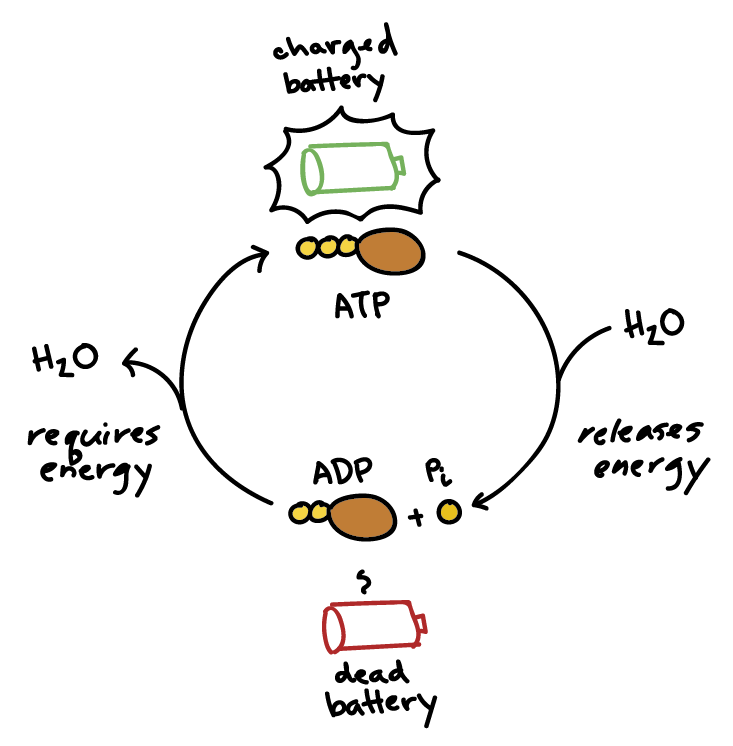
PhosphateAdenosine Tri-Phospahte(ATP): acts as an energy shuttle, moving; energy between endergonic and exergonic rxns( Reactions)
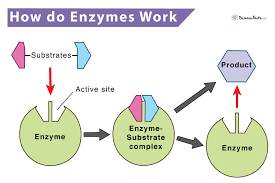
Enzymes and catalysts are things that speed something up.
Enzymes are biological catalysts that speed up reactions by lowering the activation energy and helping the transition state form.
Enzymes do not change the energy of the reaction's starting or ending point; they only lower the activation energy.
Enzymes structures:
Made of amino acids in a specific order
“denatured’ by unfavorable environmental conditions
Enzymes activity
all enzymes have optimal conditions
Inhibitors: molecules that change the rate of the reaction:
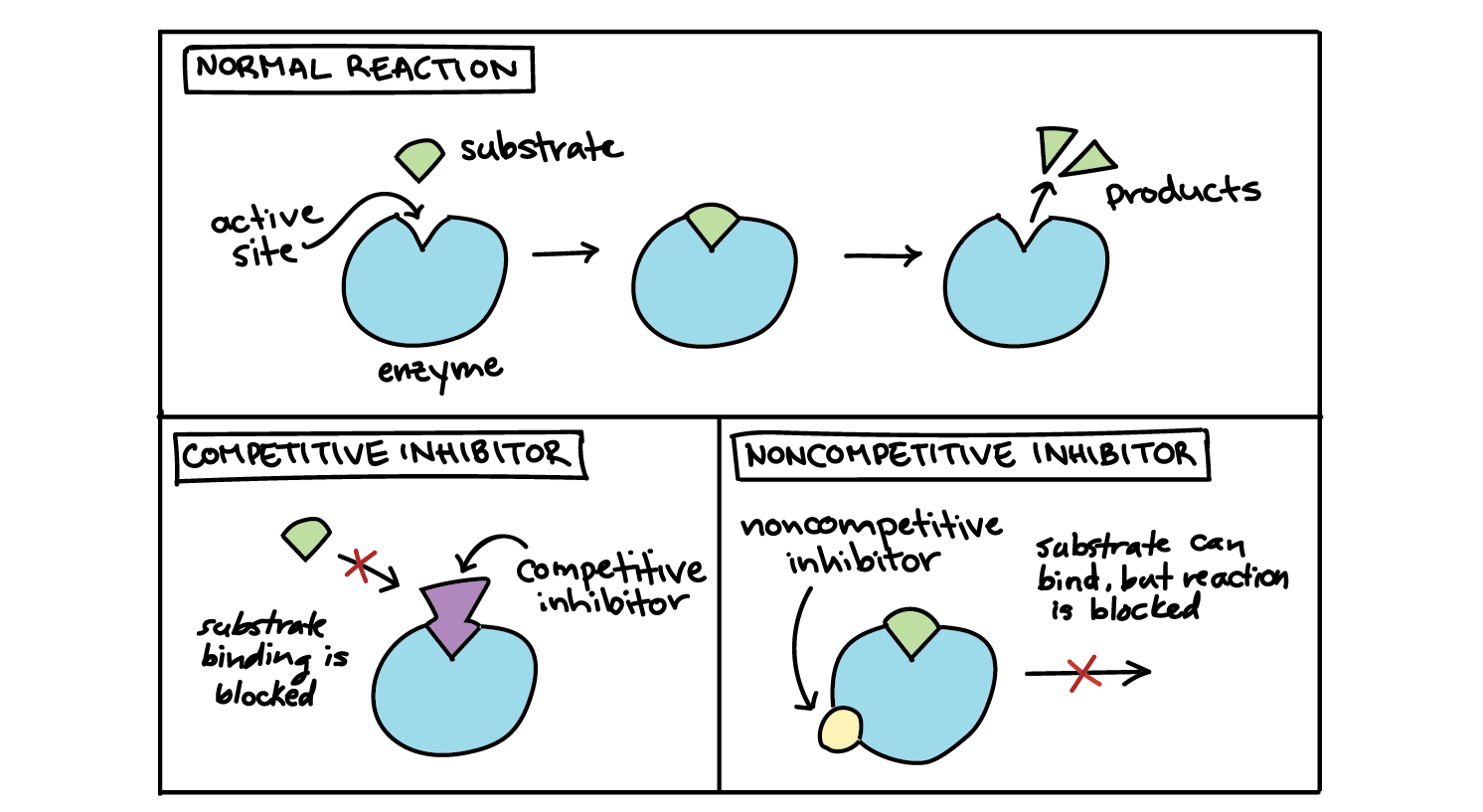
Competitive: not going to fit in the active site
non-competitive: bind to the enzymes somewhere else
Envimoran factor:
Temperature: The reaction rate increases with increasing temperature, which increases the frequency of collisions among the molecules. However, too much heat can damage an enzyme and cause it to become denatured. Enzyme denaturation is reversible if the enzyme's original optimal environmental conditions are restored.
pH: Enzymes also function best at a particular pH. The hydrogen bonds can be disrupted at an incorrect pH, and the enzyme's structure can be altered.
Relative Concentration of Substrates and Products: The relative concentration of substrates and products can also affect the rate of an enzyme-catalyzed reaction. An increase in substrate concentration will initially speed up the reaction. However, the reaction can no longer speed up once the substrate binds all the enzymes in the solution. This substrate concentration, where all of the enzyme in a reaction is bound by substrate, is called the saturation point. Additional substrate past this point will no longer increase the speed of the reaction.