FIELD METHODS
Getting Started in Research
Overview
Research design is a critical framework that guides the processes involved in conducting research. It outlines the methods, strategies, and procedures for collecting and analyzing data, thus ensuring that the study effectively addresses its research questions and objectives.
Types of Research Design
Correlational Research Design – Correlational research design examines the relationships between two or more variables without manipulating them. This method helps identify patterns and associations but does not establish causation, making it useful for exploratory purposes.
Example: The Relationship Between Social Media Use and Anxiety Levels
Variables:
Independent Variable (Predictor): The amount of time spend on social media (measured in hours per day.
Dependent Variable (Outcome): Anxiety levels (measured using a standardized anxiety scale, such as the Beck Anxiety Inventory).
Case Studies – Case studies focus on an in-depth analysis of a single subject or small group, providing detailed insights into complex issues or phenomena. This qualitative approach is particularly valuable when examining rare or unique cases.
Example: The Case of Phineas Gage – One of the most prominent examples of a case study is used in psychology. In 1848, Phineas Gage was a railroad worker who experienced a brain injury when an explosive detonated, driving an iron bar through his face, brain, and out of his head.
Descriptive Research Design – Descriptive research design includes methodologies that describe characteristics of a population or phenomenon. This includes case studies, surveys, and observational studies, providing comprehensive insights into specific behaviors without experimental manipulation.
Experimental Research Design – Experimental research design is foundational in psychology, as it involves manipulating independent variables to observe their effects on dependent variables. This approach allows researchers to establish cause-and-effect relationships, ensuring high internal validity due to controlled conditions.
Quasi-Experimental Design – Quasi-experimental designs are employed when random assignment is not feasible. This method allows researchers to study the effects of interventions in real-world settings while still manipulating some independent variables, although it may have limitations in internal validity due to the lack of randomization
Example: Studying a specific classroom of students to determine certain learning outcomes. Participants are predetermined because they were students in that specific classroom prior to the study.
Naturalistic Observation – Naturalistic observation is a research method where behavior is studied in its natural environment without any researcher intervention. This design provides a rich understanding of behaviors in real-world settings and is valuable when ethical or practical considerations prevent manipulation.
Review and Meta-Analytic Design – Review designs encompass both literature reviews and systematic reviews, which summarize existing research on a topic. Meta-analyses statistically synthesize results from multiple studies to identify overarching trends and relationships, offering a comprehensive view of a specific area of research.
Characteristics of Good Research Design – A well-constructed research design is characterized by several key attributes: neutrality, validity, reliability, and generalizability. These aspects ensure that the research findings are valid, unbiased, and applicable to other contexts.
S.M.A.R.T. – S.M.A.R.T. is an acronym that stands for Specific, Measurable, Attainable, Relevant, and Time-bound. This framework is utilized to create precise and achievable goals in various fields, including psychology. By defining goals according to these criteria, researchers can clarify their objectives, identify necessary resources, and outline the steps needed to achieve desired outcomes. The application of S.M.A.R.T. criteria in psychological research provides a structured framework for setting clear and achievable goals. By ensuring that objectives are Specific, Measurable, Attainable, Relevant, and Time-bound, researchers can enhance the clarity and effectiveness of their studies. This goal-setting approach not only facilitates better planning and execution of research projects but also aids in evaluating outcomes and deriving meaningful conclusions.
Qualitative and Quantitative Research Design Differ in Application to Psychological Research?
Purpose and Focus – Qualitative research designs in psychology aim to explore and understand complex phenomena through the collection of rich, non-numerical data, focusing on the meaning and experiences of individuals. Quantitative research designs prioritize measuring and analyzing numerical data to answer specific research questions and test hypotheses.
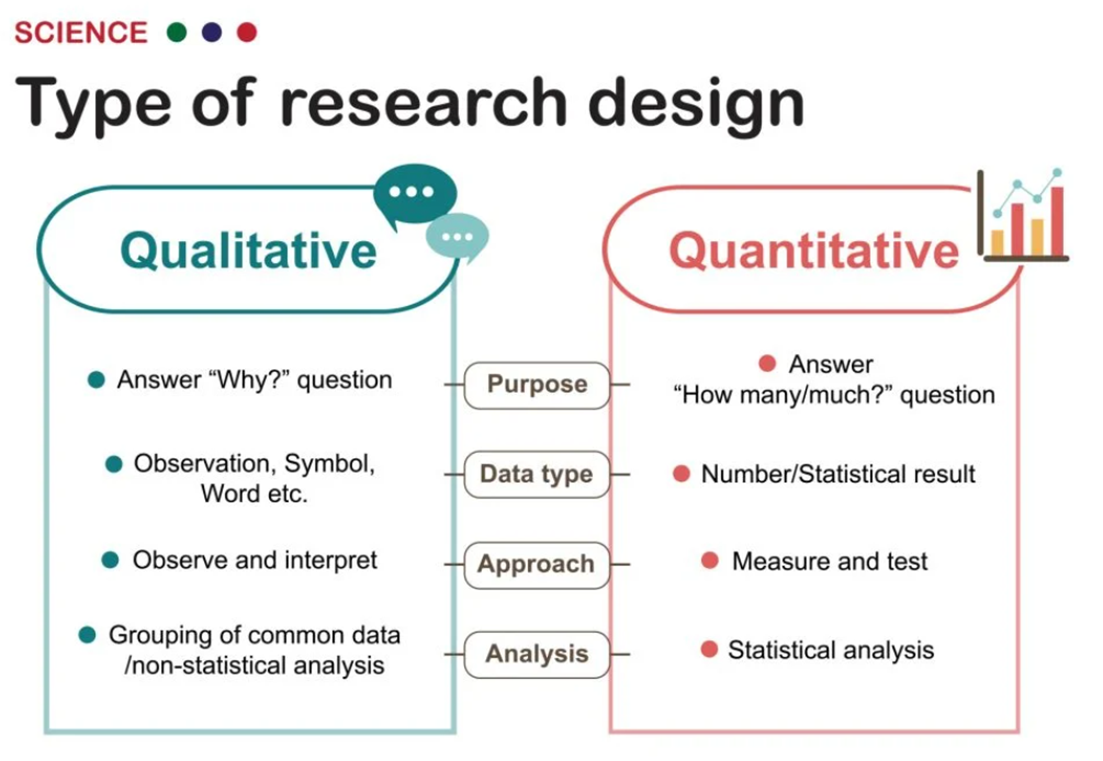
Data Collection Methods – Qualitative research often employs methods such as interviews, focus groups, and observations to gather detailed and descriptive information about participants' experiences and perspectives. Quantitative research typically uses structured instruments like surveys and experiments, which collect standardized data that can be quantified and analyzed statistically.
Qualitative Research Design – Qualitative research is an essential approach in psychological research that emphasizes understanding the complexities of human experience through non-statistical methods. By focusing on in-depth insights and detailed narratives, qualitative research allows for a rich exploration of individual perspectives, emotions, and behaviors. This approach is particularly valuable for generating new hypotheses and understanding the context surrounding psychological phenomena.
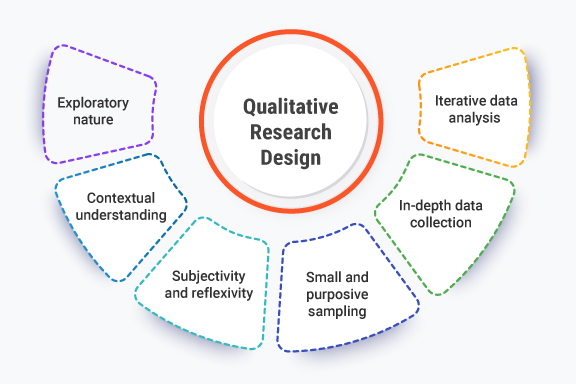
What is Qualitative Research? – Qualitative research is an important alternative to quantitative research in psychology. It generally involves asking broader research questions, collecting more detailed data (e.g., interviews), and using nonstatistical analyses. The primary purpose of qualitative research is to understand the subjective experiences of participants and to explore the intricacies of human behavior in context, rather than solely focusing on quantifiable data.
Research Methods
Qualitative researchers generally begin with a less focused research question compared to their quantitative counterparts. They collect large amounts of relatively "unfiltered" data from a relatively small number of individuals, using methods such as unstructured or semi-structured interviews, focus groups, and participant observation. These methods foster a more conversational approach, allowing participants to express their thoughts and feelings in their own words.
Data Collection and Analysis Techniques
Data collection in qualitative research often includes observational techniques, narrative accounts, and personal interviews that yield rich verbal descriptions. The analysis of qualitative data usually involves identifying themes and patterns through nonstatistical techniques, such as grounded theory or thematic analysis. This process focuses on understanding the meanings and interpretations that participants assign to their experiences, which can lead to a deeper insight into psychological phenomena.
Strengths of Qualitative Research
One of the primary strengths of qualitative research is its ability to generate new and interesting research questions and hypotheses. It provides rich and detailed descriptions of human behavior in the real-world contexts in which it occurs, often referred to as “thick description”. Additionally, qualitative research allows researchers to capture the "lived experience" of individuals, offering insights that would be difficult to glean through quantitative methods alone.
Limitations of Qualitative Research
While qualitative research has many strengths, it also has limitations. Critics often argue that qualitative methods may lack objectivity and can be challenging to evaluate in terms of reliability and validity. Furthermore, generalizing findings from qualitative studies to broader populations can be difficult due to the small sample sizes typically employed. Despite these challenges, qualitative research remains a vital component of psychological science, enriching the understanding of complex human experiences.
Quantitative Research Design – Quantitative research plays a pivotal role in psychological research by providing structured methods for measuring behavior, predicting outcomes, and testing theories. This approach relies on numerical data analyzed through statistical methods, enabling researchers to draw conclusions that enhance the understanding of psychological phenomena. The systematic nature of quantitative research facilitates objective comparisons and supports the development of generalizable findings across populations.

What is Quantitative Research – Quantitative research in psychology involves systematically collecting and analyzing numerical data to understand and quantify human behavior and mental processes. The primary purpose of this type of research is to test hypotheses, identify patterns, and make predictions about psychological phenomena. By converting psychological concepts into measurable variables, researchers can obtain empirical findings that contribute to scientific knowledge.
Research Methods – Quantitative research employs various methods for data collection, including experiments, surveys, and standardized assessments. Experiments allow researchers to manipulate independent variables and observe their effects on dependent variables, thus establishing cause-and-effect relationships. Surveys and questionnaires gather self-reported data from participants, often using rating scales or closed questions to produce numerical data that is easily analyzed. Standardized psychological assessments, such as the Beck Depression Inventory, provide rigorous tools for measuring specific psychological constructs.
Data Analysis Techniques – Data analysis in quantitative research involves applying statistical methods to interpret numerical data accurately. Descriptive statistics summarize the data sets, providing insights into the central tendencies and variations within the data. Inferential statistics, on the other hand, are used to draw conclusions about a population based on sample data, allowing researchers to test hypotheses and determine statistical significance. The use of graphs, charts, and tables plays a critical role in presenting these statistical findings in a clear and comprehensible manner.
Advantages of Quantitative Research – One of the primary advantages of quantitative research is its ability to produce objective and reliable results that can be replicated and verified. The mathematical nature of quantitative data helps minimize subjective interpretations by providing clear measurements and statistical analyses. This approach is especially effective in identifying general trends and establishing valid associations between variables, which is essential for developing and validating psychological theories. Furthermore, quantitative measures facilitate comparisons across different groups and contexts, enriching the understanding of psychological phenomena.
Limitations of Quantitative Research – Despite its numerous strengths, quantitative research has limitations. One major drawback is its focus on numerical data, which may overlook the nuanced, qualitative aspects of human experiences. Some psychological constructs may be difficult to quantify accurately, leading to potential oversimplification of complex phenomena. Additionally, quantitative research often occurs in controlled settings that may not reflect real-world conditions, which raises questions about the ecological validity of the findings. Critics also point out that reliance on standardized measures can limit a participant's ability to express their experiences fully.
Mix-Method Research Design – Mixed methods research is a valuable approach in psychological research that integrates both quantitative and qualitative methods to provide a comprehensive understanding of complex phenomena. By employing a pluralistic methodology, researchers can capitalize on the strengths of both research paradigms, yielding richer data and deeper insights. This approach is particularly useful in addressing multifaceted research questions and enhancing the credibility and validity of results.
What is Mixed Method Research?
Mixed methods research involves the collection, analysis, and integration of both quantitative and qualitative data within a single study or across multiple phases of research. This methodology allows researchers to gather various types of data, which can complement one another and provide a more holistic view of the research problem. It is designed to enhance the depth and breadth of understanding by merging statistical rigor with detailed contextual insights.
Justification for Using Mixed Methods
Researchers often opt for mixed methods when they believe that neither quantitative nor qualitative data alone can sufficiently answer their research questions. For instance, quantitative data may provide generalizable findings, while qualitative data can offer rich contextual detail and explanation. Utilizing both methods concurrently helps mitigate individual limitations, improve data triangulation, and thus enhance the credibility of the conclusions drawn.
Key Features of Mixed Methods Research
Mixed methods research is characterized by several key features: the integration of different types of data, the use of various data collection techniques, and the flexibility to adapt research designs to fit specific contexts. Additionally, it requires careful planning regarding how data will be combined and analyzed in a coherent manner, ensuring that the findings from each method enrich the overall research narrative.
Types of Mixed Methods Designs
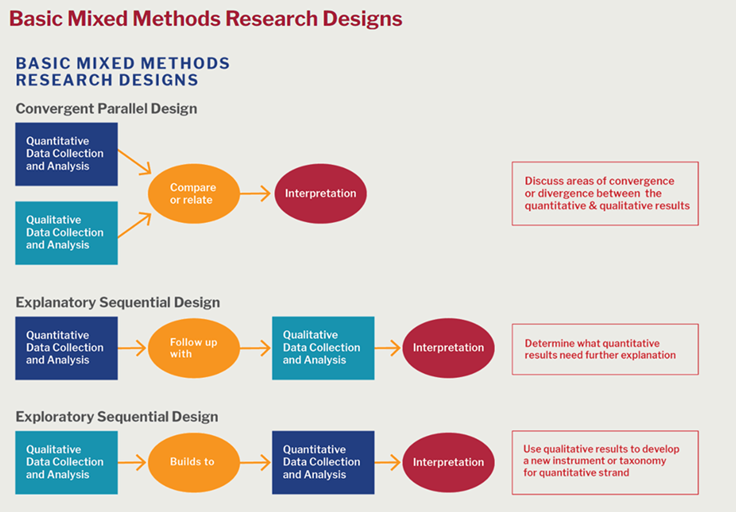
Several designs exist within the mixed methods framework, including the convergent parallel design, where qualitative and quantitative data are collected simultaneously and analyzed separately. In contrast, the explanatory sequential design begins with quantitative data collection followed by qualitative data to explain or elaborate on the quantitative findings. Lastly, the exploratory sequential design starts with qualitative research to develop hypotheses, which are then tested through quantitative methods. Each design serves unique purposes and is selected based on the research question and objectives.
Advantages of Mixed Methods Research
The mixed methods approach provides several advantages: it enhances the comprehensiveness of findings, combines the strengths of both qualitative and quantitative methodologies, and allows for greater flexibility in addressing research questions. This dual approach not only facilitates the generalization of results through quantitative data but also deepens the understanding of the context through qualitative insights. Furthermore, the triangulation of findings from different data types increases the overall validity and reliability of research conclusions
Challenges in Mixed Methods Research
Despite its benefits, mixed methods research poses certain challenges. Collecting and analyzing both quantitative and qualitative data can be labor-intensive, requiring more resources and time than traditional single-method studies. Additionally, integrating findings from two disparate data types can lead to complexities, particularly when results conflict. Researchers must also be skilled in both methodologies to effectively conduct and interpret mixed methods research, which can be a barrier for some practitioners
Application in Psychological Research
In psychology, mixed methods research is particularly beneficial for exploring intricate issues such as mental health, therapy effectiveness, and social behavior. By capturing both the statistical trends and personal experiences associated with these topics, researchers can create a more nuanced understanding of psychological phenomena. This confluence of data types is essential for developing comprehensive interventions and informing evidence-based practices.
Ethical Issues in the Conduct of Psychological Research
Introduction
Ethical issues are a critical concern in the conduct of psychological research, as they ensure the protection of participants' rights, dignity, and well-being. In psychological studies, researchers often work with vulnerable populations, sensitive topics, or intrusive methodologies that can pose potential risks. Ethical guidelines are established to help researchers navigate these complexities and maintain high standards of integrity, fairness, and respect for participants. Key ethical considerations include obtaining informed consent, ensuring confidentiality, minimizing harm, and practicing cultural sensitivity. Understanding and addressing these ethical issues is essential not only for the validity and reliability of research findings but also for maintaining public trust in psychological science.
Ethical Responsibilities
Diener and Crandall (1978) identify several specific responsibilities which follow the general mandate. These are the following:
Carry out research in a competent manner;
Report result accurately;
Manage research resources honestly;
Fairly acknowledge, in scientific communications, the individuals who have contributed their ideas or their time and efforts;
Consider the consequences to society of any research endeavor;
Speak out publicly on societal concerns related to a scientist’s knowledge and expertise.
Ethical Issues to Consider Before Beginning Research
Prior to conducting any study, the proposed research must be reviewed to determine if it meets ethical standards.
Obtain Informed Consent
Ensure Confidentiality and Anonymity
Minimize harm and Maximize Benefits
Conduct a Thorough Ethical Review
Ensure Voluntary Participation and Right to Withdraw
Practice Cultural Sensitivity and Respect
Avoid Deception Unless Justified
Case Study for Student Analysis: Ethical Dilemmas
Imagine a psychologist conducting field research in a high school setting, observing students' social behaviors during recess. During the study, the researcher overhears a group of students planning to bully a classmate after school. The researcher faces an ethical dilemma: Should they intervene and report the conversation, potentially breaching confidentiality and trust with participants, or remain a passive observer, adhering to the study's non-intervention agreement but allowing harm to possibly occur?
Students should analyze this scenario considering the ethical principles of minimizing harm, confidentiality, and the researcher’s duty of care, and discuss possible actions the researcher could take and the ethical implications of each choice.
Moral Principles
Ethics in psychological research is governed by four primary moral principles: beneficence, nonmaleficence, autonomy, and justice. The concept of weighing risks against benefits is essential to ensure the ethical conduct of research. Historical case studies, such as Milgram's obedience study, highlight the complexities involved in evaluating whether the scientific knowledge gained justifies the psychological distress inflicted upon participants.
Moral Principles in Psychological Research
Ethical principles in psychological research are fundamental to protecting the rights and well-being of participants. The four key principles include:
Beneficence: Researchers must maximize benefits and minimize any potential harm to participants.
Nonmaleficence: This principle emphasizes the obligation not to inflict harm intentionally. Researchers must consider the risks involved in their studies and take steps to reduce them.
Autonomy: Participants have the right to make informed decisions about their involvement in research. This includes understanding the nature of the study and its potential risks and benefits.
Justice: Researchers should ensure fair treatment of participants, including equitable access to the benefits of research while minimizing the risks for specific group
The Risk/Benefit Ratio
Determining Risk
Minimal Risk
Dealing with Risk
Weighing Risk Against Benefits
Weighing risks against benefits is a critical component of ethical research practices in psychology. Researchers must carefully assess the potential risks—such as physical, psychological, social, and legal harm—that participants might experience against the anticipated benefits of the research. This process of risk-benefit analysis helps ensure that the research does not place participants in undue harm, thus adhering to ethical standards. When considering if the research design poses more than minimal risk, researchers must justify their study's potential benefits. Ethical guidelines dictate that if the anticipated risks exceed those experienced in daily life, substantial benefits must be established to justify proceeding with the research.
Was it worth it?
The question of whether the risks undertaken in psychological research were worth the benefits is complex and often debated. Historical studies, such as those conducted by Milgram and Zimbardo, demonstrate that while these studies provided significant insights into human behavior and authority, they also inflicted considerable psychological distress on the participants. Critics argue that the severe emotional stress caused by studies like Milgram's may overshadow the scientific gains. For example: Milgram's study on obedience revealed troubling aspects of human nature, with many participants experiencing extreme anxiety and stress as they followed orders to administer shocks to others. While this research is now recognized as historically significant, the ethical implications regarding the treatment of participants raise concerns about whether such distress was justified in the pursuit of knowledge.
Acting Responsibly and With Integrity
Acting responsibly and with integrity is a crucial moral principle in psychological research. This principle emphasizes the need for researchers to adhere to ethical standards, promote trust with participants, and conduct their studies in a manner that respects both individuals and the scientific community. This report outlines the importance of integrity in research, the ethical implications of participant deception, and the necessity of maintaining transparency and accountability.
Importance of Integrity in Research
Integrity in research involves conducting studies in a thorough, competent, and honest manner. Researchers bear the responsibility to ensure their work is valid and ethically sound, enhancing the trust that participants and society have in psychological studies. Acting with integrity not only furthers scientific progress but also upholds the ethical standards that protect participants' rights and welfare. Trust is an essential element of effective human relationships, and without it, the relationship between researchers, participants, and the broader community may suffer.
Dealing with Deception
In some cases, researchers may find it necessary to deceive participants to obtain valid results. However, this practice raises ethical concerns regarding informed consent and the dignity of participants. Ethical guidelines assert that deception should only be used when the benefits of the research outweigh the potential harm and when it is impossible to conduct the study without such measures. Researchers must also ensure that any deception is disclosed promptly, allowing participants to understand the true nature of the study and correcting any misconceptions that may arise from their participation
Deception in Psychological Research
Deception in psychological research involves intentionally misleading or withholding information from participants about the true purpose, nature, or procedures of a study. Deception can take various forms, such as providing false feedback, using confederates (actors who play a role in the study), or not fully disclosing the study’s aims. While deception can be a valuable tool for studying natural behaviors and reactions that might not occur if participants were fully aware of the study's aims, it raises significant ethical concerns.
Transparency and Accountability
Researchers have an obligation to be transparent about their methodologies, findings, and ethical considerations. This includes openly discussing the potential risks involved in studies and providing participants with adequate information to make informed decisions. By maintaining transparency, researchers can uphold their responsibility to their participants and the scientific community. Furthermore, ethical breaches, such as data fabrication or failure to properly manage participant data, can damage the reputation of the field as a whole. Therefore, accountability is vital to ensure research ethics are consistently upheld.
Ethical Conflicts and Responsibility
Ethical conflicts are often unavoidable in psychological research, where the well-being of participants may sometimes clash with the objectives of the study. Researchers must navigate these conflicts by carefully considering the ethical implications of their decisions and seeking feedback from peers to ensure responsible practices. It is essential to engage in thoughtful dialogue about ethical dilemmas, weigh the risks and benefits, and ultimately take responsibility for the actions that are taken during the research process. In summary, acting responsibly and with integrity in psychological research is essential for fostering trust, safeguarding the rights of participants, and advancing the field ethically. Researchers must balance the pursuit of knowledge with their responsibilities toward individuals and the community.
Application in Field Research
When conducting field research, psychologists in the Philippines must be aware of the cultural and contextual factors that may affect participants. Sensitivity to local customs, norms, and power dynamics is essential to ensuring that ethical standards are met. Researchers must also be aware of socioeconomic disparities, ensuring that participants are not exploited or coerced due to their economic status. Moreover, debriefing participants after the study is critical, especially if any form of deception was used, as this allows participants to understand the full nature of the research and addresses any questions or concerns they may have.
Debriefing
Debriefing is a crucial step in psychological research that occurs after the study is completed. Its primary purpose is to inform participants about the true nature and purpose of the research, especially if any deception was involved. Here’s why debriefing is important:
Clarifies the Study's Purpose: Debriefing helps participants understand the real goals and methods of the study. This is important for transparency and helps participants make sense of their experience in the research.
Addresses Deception: If deception was used, debriefing explains what the deception was and why it was necessary. This helps to clear up any confusion or misunderstandings and ensures participants do not leave the study feeling misled or uncomfortable.
Minimizes Potential Harm: Debriefing provides an opportunity to address any negative feelings or psychological distress participants might have experienced during the study. Researchers can offer support, answer questions, and provide resources if needed.
Restores Trust: Openly discussing the study and its purpose helps to maintain trust between researchers and participants, which is essential for ethical research practices and future participation.
Educates Participants: Debriefing also serves as an educational moment, allowing participants to learn more about psychological research and the scientific process.
Research with Animals
Ethical considerations are essential in psychological research involving animals to ensure their humane treatment and minimize suffering. Research on animals can provide valuable insights into behavior, neurobiology, and psychological processes that may not be feasible to study directly in humans. However, the use of animals in research raises significant ethical concerns that must be carefully addressed.
Case Study for Student Analysis: Ethical Dilemmas
Scenario:
You are a psychologist conducting a study on the impact of social media use on teenagers' self-esteem. The study involves having participants complete daily surveys about their social media habits and self-esteem levels over a month.
During the study, one of the participants, a 15-year-old, reveals in their survey responses that they are experiencing severe depression and have had thoughts of self-harm. However, the study's design did not include a protocol for addressing mental health crises, and the participant did not mention these issues during the initial consent process.
As the researcher, you face a dilemma:
Should you break confidentiality to inform the participant’s parents or a mental health professional about the potential risk, even though the participant shared this information under the assumption it would remain confidential?
Or should you respect the participant's confidentiality, given that they did not directly seek help or express a desire for intervention?
Key Ethical Principles in Animal Research
Justification of Research
Minimization of Harm and Suffering
Animal Welfare and Care
Use of the 3Rs Principle:
4.1. Replacement
4.2. Reduction
4.3. Refinement
Ethical Review and Oversight
Transparency and Accountability
Case Study for Student Analysis: Ethical Dilemmas
Scenario:
You are a researcher studying the effects of chronic stress on memory in rats. The study involves subjecting the rats to mild but prolonged stressors, such as unpredictable noise and changes in light cycles, over several weeks. The goal is to understand how long-term stress impacts cognitive functions and whether these effects are reversible.
As the experiment progresses, you notice that some of the rats are showing signs of severe distress, such as significant weight loss, excessive grooming (a sign of stress in rodents), and changes in social behavior. Although the study was approved by the Institutional Animal Care and Use Committee (IACUC), these distress levels seem more severe than anticipated.
You now face an ethical dilemma:
Should you continue the experiment as planned, knowing that the results could contribute valuable insights into stress and memory, potentially benefiting human mental health research?
Or should you modify or terminate the experiment early to prevent further harm to the animals, even if it means compromising the study's validity and losing valuable data?
Steps for Ethical Decision Making
When faced with ethical dilemmas in psychological research, following a structured decision-making process can help ensure that choices are made responsibly and in accordance with ethical standards.
Identify the Ethical Dilemma
Review Related Ethical Guidelines
Consider the Stakeholders
Evaluate the Consequences
Explore Alternative Actions
Make a Decision
Implement the Decision
Reflect on the Outcome
Document the Decision-Making Process
Reporting of Psychological Research
Reporting in psychological research involves clearly and accurately presenting the research process, findings, and interpretations to ensure transparency, reproducibility, and ethical integrity. Effective reporting is crucial for sharing knowledge, contributing to the scientific community, and advancing the field of psychology.
Follow a Standard Structure
Ensure Clarity and Precision
Provide Detailed Methodology
Report Statistical Findings Transparently
Acknowledge Limitations and Biases
Ensure Ethical Compliance
Use Visual Aids Effectively
Revise and Proofread
Theory in Psychology
Learning Objectives:
Understand how personality theories provide frameworks for explaining individual differences in thoughts, emotions, and behaviors.
Explore how personality theories inform psychological diagnosis and treatment planning in clinical settings.
Assess how personality theories guide the development of hypotheses and structure of psychological research studies.
Identify how personality theories contribute to understanding the lifelong development of personality traits and behaviors.
Recognize the practical applications of personality research in mental health interventions.
Sigmund Freud
The psychoanalytic structural model of the psyche and its defense mechanism. Psychoanalysis, developed by Sigmund Freud, helps explain internal conflicts in behavior, such as wanting that last piece of cake even though you know you shouldn’t. This theory suggests that human behavior is influenced by three parts of the mind: the id, ego, and superego
Freud’s Theory of Psychoanalysis
Freud’s set out to describe precisely how the mind is structured and how it works, despite the total absence of scientific tools at hand for the purpose. Several neuroscientists today are returning to Freud for an understanding of what they see on their brain-scanning technologies. However, back in the 1890’s, the only useful tool that came into Freud’s hands for delving into the mind was hypnosis. Freud was working with a doctor named Breuer, who had discovered that the symptoms of “hysterical” women – such as coughing, choking, and limb paralysis – depended upon “impressive but forgotten scenes in their lives.”
Internal/External Conflict
Sigmund Freud’s Defend Mechanisms | |
Repression | Unacceptable impulses are pushed back into the subconscious |
Rationalization | A self-justifying explanation is substituted for an unacceptable one |
Projection | Unwanted feelings are attributed to someone else |
Denial | An anxiety-producing event is not accepted as reality |
Regression | In order to face stress, an earlier developmental period is sought |
Displacement | Feelings towards an unacceptable object are shifted onto a more acceptable one |
Sublimation | An unacceptable impulse is replaced by a more acceptable impulse |
Reaction Formation | An unacceptable motive us changed due to the exact opposite |
Reaction Formation | An unacceptable motive us changed due to the exact opposite |
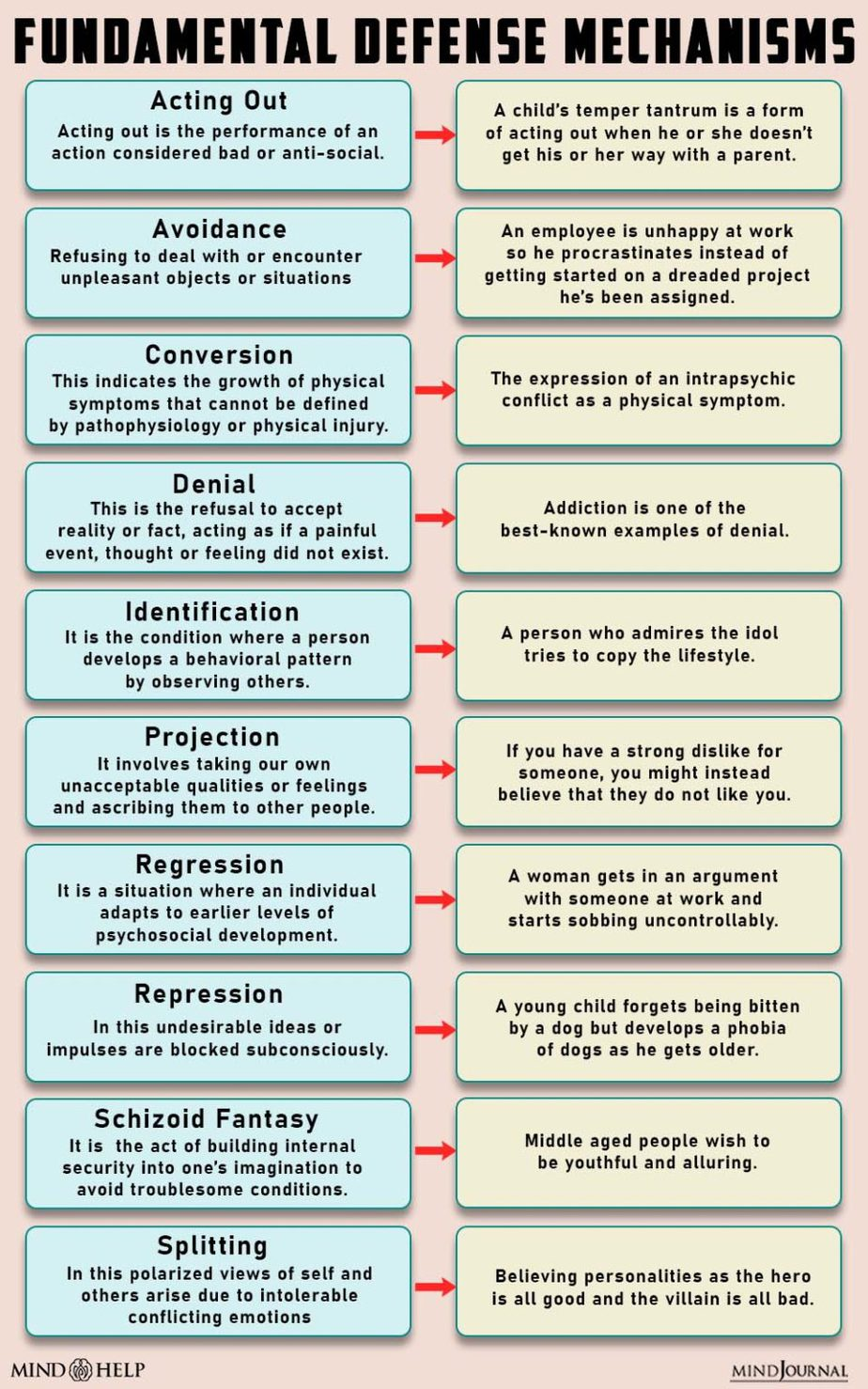
Types of Defense Mechanisms | |
Fundamental Defense Mechanisms | Higher-Level Defense Mechanisms |
| 1. Anticipation |
| 2. Compensation |
| 3. Displacement |
| 4. Humor |
| 5. Intellectualization |
| 6. Isolation of Affect |
| 7. Rationalization |
| 8. Reaction Formation |
| 9. Sexualization |
| 10. Sublimation |
Id: The id is the part of the unconscious mind that seeks instant gratification and operates on the "pleasure principle." It doesn’t care about rules or consequences. When you feel the urge to eat that last piece of cake, even though you know you shouldn’t, it’s the id saying, “I want it now!”
Ego: The ego is the rational part of the mind that operates based on the "reality principle." It balances the desires of the id with real-world consequences. The ego might say, “I know I want the cake, but I should think about whether it's a good idea.” It tries to find a compromise, such as taking a smaller piece.
Superego: The superego represents your moral conscience and social values, which often tells you what’s right or wrong. In this case, the superego would remind you of the reasons not to eat the cake: “You don’t need the extra calories,” or “It’s polite to leave it for others.”


“The ego is not even master in its own house, but must content itself with scanty information of what is going on unconsciously in its mind.” – Sigmund Freud
In this scenario, the conflict is between the id, which desires immediate pleasure (the cake), and the superego, which is enforcing self-control and societal norms. The ego mediates this conflict, trying to find a balance between the impulsive id and the moralistic superego. When you give in and eat the cake, it's usually because the id overpowered the superego, and the ego found a way to justify the action, like telling yourself, “It’s just one piece; I’ll work out tomorrow.”
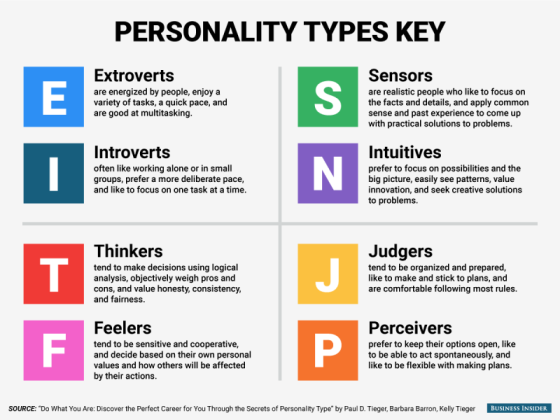
I like hanging out on my own. Is that weird?
It’s not weird to enjoy spending time alone! Carl Jung's theory of personality, which was later expanded in the Myers-Briggs Type Indicator (MBTI), explains this through the concepts of extraversion and introversion.
Extraversion and Introversion – Carl Jung
According to Jung, people naturally prefer one of these two orientations. Extraverts gain energy from being around others, enjoying social interactions, while introverts feel more energized by solitude and personal reflection. Neither is better or worse; it’s just a different way of processing the world.
Myers-Briggs Type Indicator – Isabel Briggs Myers, Katharine Briggs
The MBTI further categorizes personalities based on these preferences. If you prefer to hang out by yourself, it likely means you have an introverted tendency, which is common and completely normal. Introverts often find deep, focused thinking and alone time more rewarding, while extraverts seek external stimulation from social activities. In short, enjoying time alone is a natural part of being an introvert—it’s just part of your personality type!
Why do I keep leaving things to the last minute?
Procrastination, the act of delaying tasks until the last minute, can be understood through various personality theories proposed by Sigmund Freud, Tim Urban, Dan Ariely, and Klaus Wertenbroch. Each perspective offers unique insights into the psychological and behavioral factors that contribute to this common phenomenon.
The Pleasure Principle Sigmund Freud
Sigmund Freud explains procrastination through his concept of the pleasure principle, which posits that individuals seek immediate pleasure and avoid discomfort. According to Freud, tasks that we find unpleasant or threatening to our ego are often postponed, as the desire for instant gratification outweighs the motivation to complete these tasks. This psychological conflict suggests that individuals may feel compelled to avoid the discomfort of work, leading to procrastination.
Internal Conflict – Tim Urban
Urban, a popular writer on procrastination, describes this with humor in his Instant Gratification Monkey metaphor. The "monkey" represents our desire for fun and easy tasks, while the Rational Decision-Maker knows we need to focus on important things. When the monkey takes over, we push work aside until the Panic Monster shows up close to the deadline.
Irrational Decision-Making – Dan Ariely
A behavioral economist, explains procrastination as a problem of self-control. Dan Ariely emphasizes the connection between procrastination and irrational decision-making. He argues that our brains are wired to make impulsive choices that prioritize immediate rewards over long-term consequences. This tendency can result in procrastination as individuals delay important tasks due to the allure of more enjoyable activities. Ariely’s work underscores the importance of understanding how our thought processes influence our ability to manage time effectively.
Theory of Self-Imposed Deadlines – Klaus Wertenbroch
Wertenbroch's work highlights time inconsistency, where people value immediate rewards more than long-term benefits. This means that even if we know completing tasks earlier is better, the immediate reward of relaxation or distraction feels more appealing. Klaus Wertenbroch's research on procrastination highlights the complexities of self-imposed deadlines and their effects on performance. His findings underscore the struggle individuals face in managing procrastination while suggesting that external deadlines can be more effective than self-imposed ones.
Interplay of Theories: A Comprehensive Understanding
By integrating these perspectives, it becomes clear that procrastination is influenced by a complex interplay of psychological factors, including the desire for immediate pleasure, internal conflicts, irrational decision-making, and challenges with self-control. Recognizing these underlying motivations can help individuals develop strategies to overcome procrastination, such as setting realistic goals, using external deadlines, and managing impulsive behaviors. In essence, understanding why you might keep leaving things to the last minute involves recognizing these diverse influences on your personality and behavior. By applying insights from Freud, Urban, Ariely, and Wertenbroch, you can better navigate the hurdles of procrastination and improve your time management skills.
Am I a caring person or am I a “doormat”?
Understanding whether one is a caring person or a doormat can be enhanced by examining the theories of Virginia Satir and Karen Horney. Both theorists offer insights into communication styles and coping mechanisms that reveal how individuals navigate their relationships with others.
Communication Styles – Virginia Satir
Virginia Satir identified four problematic communication styles: blaming, placating, distracting, and computing. Among these, the placating style is particularly relevant to the concept of being a doormat. Individuals who placate often sacrifice their own needs and desires to please others, driven by a fear of conflict or rejection. In contrast, caring individuals maintain balance, expressing their own needs while still being considerate of others. They strive for clear and direct communication, which fosters healthier interactions.
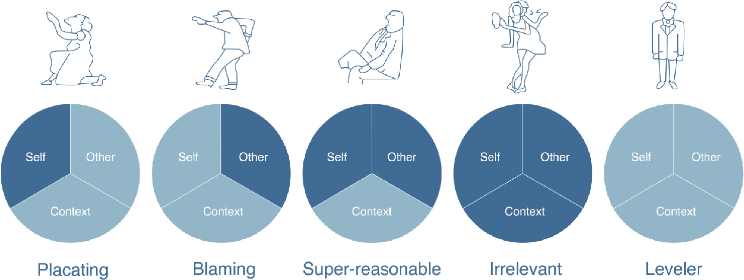
Neurotic Needs – Karen Horney
Horney, a psychoanalyst, talked about the need for connection and how some people, in their desire to be liked or accepted, might develop a tendency to be overly compliant. This can lead to constantly pleasing others at the expense of their own happiness, which she referred to as a "moving toward" personality type. In this case, being a "doormat" happens when you sacrifice too much to avoid conflict or rejection. A healthy balance, according to Horney, involves caring for others without losing your sense of self. In both views, caring involves setting healthy boundaries. If you feel like a “doormat,” it might be a sign that you're giving too much of yourself, and learning to assert your own needs is key to maintaining healthy, caring relationships.
Distinguishing Caring from Doormat Behavior
Virginia Satir's view suggests that caring involves empathy and responsiveness without losing oneself in the process. In contrast, doormats often engage in placating behavior, exhibiting a pattern of self-neglect. Karen Horney's concepts complement this distinction; while seeking approval is natural, it becomes problematic when it supersedes self-care. Ultimately, understanding these theories can help individuals reflect on their communication patterns and coping strategies, allowing them to determine whether they genuinely care for others or if they are simply accommodating to avoid conflict.
Practical Seld-Reflection
To assess whether you are a caring person or a doormat, consider how you respond to others' needs. Do you express your own feelings and desires alongside your concern for others? Or do you find yourself constantly deferring to avoid conflict? By recognizing these tendencies, you can work toward healthier patterns that embody genuine caring without compromising your own well-being. In conclusion, the frameworks offered by Satir and Horney provide valuable insights into understanding personal communication styles and emotional needs, enabling a clearer distinction between being caring and being a doormat.
I was only joking!
The theories of personality developed by Magda Arnold, Richard Lazarus, Theodore Millon, Roger Davis, and Aaron Beck provide a broad and nuanced understanding of human behavior and emotional functioning. Each theorist contributes a unique perspective, ranging from the role of emotions in personality to cognitive influences on behavior, thereby enhancing our comprehension of personality as a complex integration of various psychological components.
Appraisal Theory – Magda Arnold
Magda Arnold focused on the significance of emotional appraisals in shaping personality. She proposed that emotions are action-tendencies influenced by how individuals perceive and evaluate external stimuli. Her work emphasized the interconnectedness of emotions and cognition, suggesting that emotional experiences are integral to understanding personality development. Arnold's perspective underscores that personality is not merely a set of traits but a dynamic interplay of emotional responses and cognitive processes.
Cognitive-Mediational Theory – Richard Lazarus
Richard Lazarus introduced the cognitive-mediational theory, positing that emotional reactions depend on cognitive appraisals of situations. He identified two types of appraisal: primary appraisal, which assesses the significance of an event, and secondary appraisal, which evaluates the coping options available. Lazarus's work highlights how our interpretations of events—not just the events themselves—affect our emotional and behavioral responses, offering insights into how individuals manage stress and emotion
Personality Disorder Framework – Theodore Millon
Theodore Millon developed a comprehensive theory of personality, particularly focused on personality disorders. He categorized these disorders as maladaptive patterns of thought and behavior, proposing a set of subtypes for each DSM personality disorder. Millon's work encourages clinicians to view personality disorders through a lens of both pathology and adaptiveness, deepening our understanding of the complexities involved in personality and its disorders.
Contribution to Personality Theory – Roger Davis
Roger Davis co-authored significant texts that explore the multidimensional nature of personality disorders, integrating various theoretical perspectives, including biological and cognitive approaches. His work emphasizes the importance of theoretical frameworks in understanding personality and mental health, advocating for more comprehensive assessment methods in personality psychology. Davis's contributions help shape ongoing discussions about the nature of personality and the classification of disorders.
Cognitive Therapy – Aaron Beck
Aaron Beck, recognized as the father of cognitive therapy, proposed that personality traits are closely tied to cognitive patterns. His cognitive triad explains how negative self-perceptions, views of the world, and expectations for the future interact to affect mental health. Beck's work demonstrates the importance of addressing distorted thinking in psychotherapy, offering a practical approach that can facilitate significant changes in emotional and behavioral outcomes.
Together, these theories reflect a rich tapestry of understanding in personality psychology. From the emotional foundations emphasized by Arnold and Lazarus, through the structural insights of Millon and Davis, to the cognitive orientation proposed by Beck, each theorist contributes to a more comprehensive view of personality that integrates emotional, cognitive, and behavioral dimensions. This holistic understanding assists both practitioners and individuals in navigating the complexities of personality and psychological health.
Why does it always happen to me?
The theories of personality proposed by Martin Seligman, Antonio Damasio, and Emmy van Deurzen provide valuable insights into understanding personal feelings of misfortune. Each theory emphasizes different aspects of human experience—focusing on strengths, emotions, and existential concerns—which can help address the underlying question, "Why does it always happen to me?"
Theory of Learned Helplessness – Martin Seligma
Martin Seligman's concept of learned helplessness explains that individuals may feel they lack control over their circumstances, leading to a belief that they cannot improve their situation. This perspective often results in pessimism and a sense of hopelessness, where one might think, "No matter what I do, things will not change". By recognizing that setbacks can be temporary and learning to cultivate optimism, individuals can reframe their experiences and foster resilience. This change in mindset can mitigate feelings of helplessness and empower individuals to take action in the face of misfortune.
Understanding of Emotions – Antonio Damasio
Antonio Damasio's theories underscore the connection between emotions and decision-making. According to Damasio, emotions arise from the body's physical reactions to stimuli, which the brain interprets as feelings. When experiencing misfortune, these feelings can cloud judgment and create a sense of despair, influencing how one perceives and reacts to negative events. Understanding that emotions play a critical role in shaping our experiences can provide insight into why certain events affect us deeply and help cultivate emotional regulation for better decision-making.
Existential Perspective – Emmy van Deurzen
Emmy van Deurzen's existential psychology focuses on the exploration of personal meaning and purpose. She argues that personal misfortune can lead to a shattered sense of self and identity, where individuals feel disconnected from their sense of worth. Existential therapy encourages confronting these feelings and challenges, helping clients to awaken to their reality and make conscious choices towards creating meaning in their lives. By facing contradictions and uncertainties, individuals can find resilience and purpose despite adverse circumstances.
All work and no play makes Sigmund…
The personality theories of Donald Winnicott and Mihaly Csikszentmihalyi offer complementary perspectives on the interplay between selfhood, play, and psychological well-being. Winnicott's concepts of the true self and false self focus on how an authentic sense of self is developed and nurtured, while Csikszentmihalyi emphasizes the importance of play and flow experiences in achieving creativity and personal fulfillment. Together, these theories illustrate the essential role that play and self-expression have in developing a healthy personality.
Theory of True and False Self – Donald Winnicott
Donald Winnicott proposed that humans are born without a fully developed self and must journey toward discovering their authentic identity. He emphasized the importance of feeling real and being in touch with one’s own body and emotions as crucial for living a fulfilling life. Winnicott distinguished between the "true self," which is spontaneous and creative, and the "false self," which conforms to external expectations and social norms. This theoretical framework underscores how a nurturing environment, particularly through a "good enough" parental figure, enables an individual to explore and establish their true self, free from the anxiety of compliance and mimicry.
Theory of Flow – Mihaly Csikszentmihaly
Mihaly Csikszentmihalyi introduced the concept of "flow," which refers to a state of deep engagement and immersion in an activity. This state is characterized by concentration, enjoyment, and a sense of accomplishment. Csikszentmihalyi argued that activities leading to flow are integral for enhancing creativity and productivity. When individuals engage in activities that challenge their skills without overwhelming them, they experience a profound connection to their work and creative expressions.
Interplay Between Play and Flow
Both Winnicott and Csikszentmihalyi agree on the significance of play in achieving personal fulfillment and creativity. Winnicott's emphasis on authentic play as a pathway to discovering one’s true self resonates with Csikszentmihalyi's findings on flow, where engaging in pleasurable activities results in heightened awareness and personal satisfaction. Together, they highlight how playful engagement is essential for developing a balanced personality and maintaining psychological health.
Implications for Modern Psychology
The theories of Winnicott and Csikszentmihalyi have profound implications for modern psychology and personality development. They encourage an understanding of individuals not merely as products of their environment or genetics but as beings capable of growth through authentic experiences. The integration of play and creativity into therapeutic practices can foster psychological resilience and help individuals navigate their personal journeys toward self-fulfillment.
If I was more selfish, would I have more fun?
The decision to embrace selfishness may initially seem appealing when considering the potential for increased personal enjoyment, but personality theories by Dorothy Rowe and Melvin Lerner suggest a more complex relationship. While selfish behavior might provide temporary pleasure, it could ultimately undermine deeper social connections and mental well-being.
Perspectives on Selfishness and Personality – Dorothy Rowe
Dorothy Rowe's theories focus on understanding personality traits, particularly how introversion and extraversion influence behavior. Extroverts may derive joy from engaging in social activities, while introverts might find satisfaction in solitary pursuits. This implies that if one is selfish and prioritizes personal interests, they may enjoy certain experiences more, especially if those align with their personality. However, Rowe also emphasizes that relationships and connections are vital for long-term happiness.
Theory of Just World and Selfishness – Melvin Lerner
Melvin Lerner introduced the concept of the "just world hypothesis," which posits that people believe the world is fair and that individuals generally get what they deserve. This perspective suggests that selfish actions could lead to negative social consequences. If individuals act selfishly, they may experience guilt or social disapproval, challenging the idea that selfishness leads to increased enjoyment. Instead, Lerner argues that behaving selflessly can foster a sense of belonging and happiness that selfishness cannot provide.
The Balance Between Selfishness and Altruism
Both theorists suggest a balance between self-interest and consideration for others. Rowe acknowledges that feeling good about oneself is essential, but being consistently selfish could alienate others and ultimately limit fun and fulfillment. Likewise, Lerner’s research implies that acknowledging the needs and feelings of others can enhance personal happiness. As such, a purely selfish approach may not contribute to genuine enjoyment in the long run.
Potential Benefits of Healthy Selfishness
It is essential to differentiate between "healthy selfishness" and harmful selfishness. Healthy selfishness refers to prioritizing one’s needs without disregarding others' well-being. This approach aligns with aspects of Rowe's theories, as taking care of oneself can lead to better mental health and enhanced joy in interacting with others. Therefore, if one practices a form of selfishness that respects social connections, it may lead to more sustainable fun and satisfaction.
Enjoyment Through Balance
In conclusion, while being selfish may appear to promise more fun initially, both Dorothy Rowe and Melvin Lerner highlight the importance of social relationships and community. Genuine enjoyment often arises from a blend of taking care of oneself and being considerate of others. Being overly selfish might not lead to lasting happiness, as fulfilling relationships significantly contribute to a person's overall enjoyment of life.
Using Theories in Psychological Research
Learning Objectives:
Explain how psychological researchers test their hypotheses, and provide a concrete example.
Explain how psychological reseachers reevaluate hypotheses in light of new findings, including some of the challenges.
Explain the various ways you can apply theory to your own studies.
Theory Testing and Revision
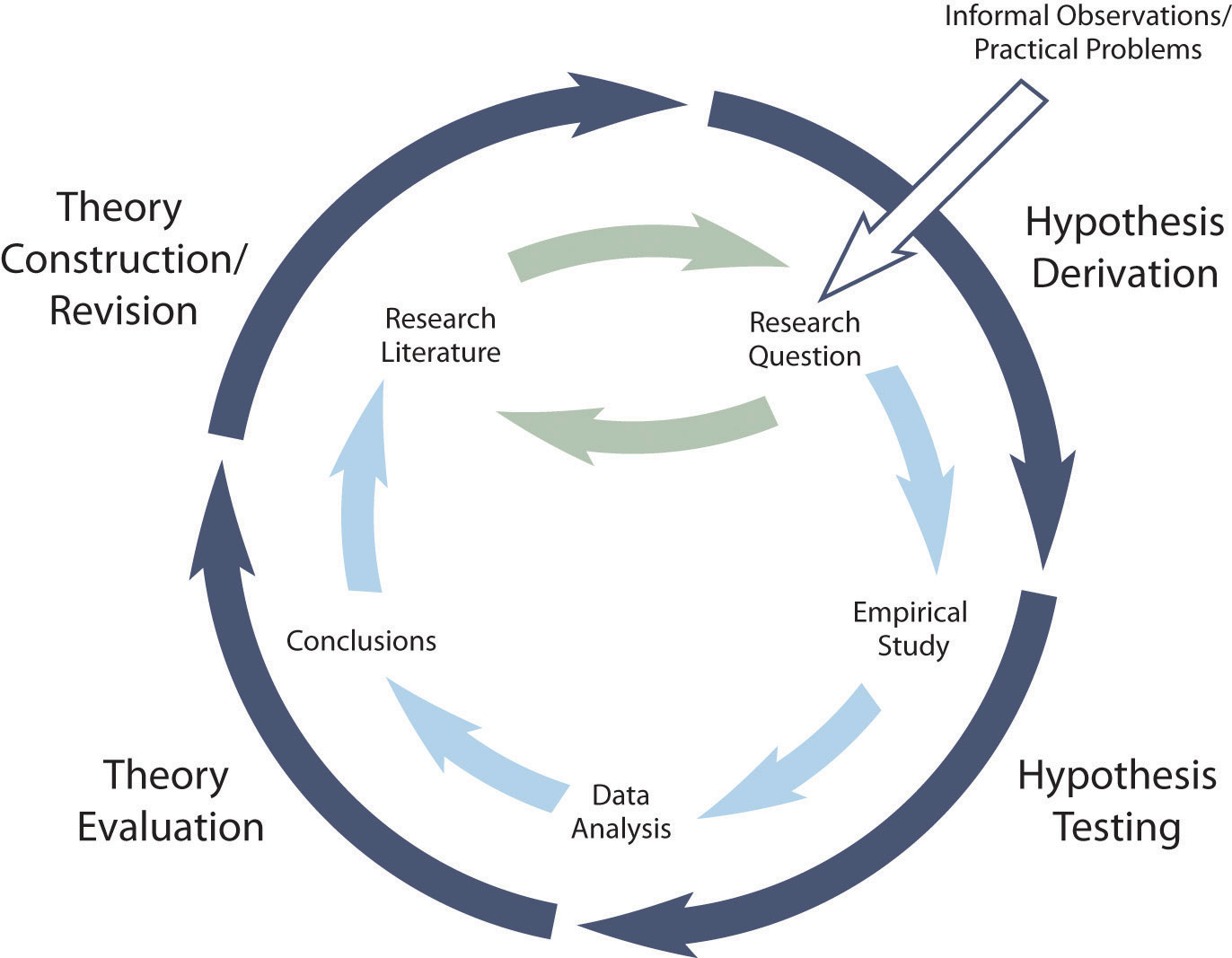
The primary way that scientific researchers use theories is sometimes called the hypothetico-deductive method. A researcher begins with a set of phenomena and either constructs a theory to explain or interpret them or chooses an existing theory to work with. The researcher then makes a prediction about some new phenomenon that should be observed if the theory is correct. This prediction is called hypothesis. The theory is subsequently put to the test by the researcher through an empirical investigation. And lastly assesses the hypothesis in light of the fresh findings, making any necessary revisions. The reason this process is typically thought of as a cycle is that the researcher can use the updated theory to generate new hypotheses, which can then be tested by conducting additional empirical research, and so on.
Hypothetico-Deductive Method Combined with the General Model of Scientific Research in Psychology – together form a model of theoretically motivated research.
Constructing or Choosing a Theory
Constructing or choosing a theory in psychological research is a vital step that underlies the development of effective and meaningful studies. The process involves identifying relevant phenomena, formulating initial models, creating formal representations, ensuring alignment with empirical evidence, and evaluating the overall worth of the theory. This structured approach facilitates the development of coherent and applicable theories that advance understanding in psychology.
Identifying Relevant Phenomena
The first step in constructing or choosing a theory is identifying the relevant phenomena that the theory will aim to explain. These phenomena should be robust, stable, and evidence-based empirical generalizations, serving as a clear focus for subsequent theoretical development. A thorough understanding of these key phenomena is essential because they function as explanatory targets for the theory being constructed.
Formulating a Prototheory
After identifying phenomena, the next step is to formulate an initial explanatory model or Prototheory. This model is typically constructed using abductive reasoning, where researchers generate hypotheses and ideas that could potentially explain the identified phenomena. The Prototheory should provide a coherent narrative of how these phenomena arise, setting the groundwork for more refined theoretical development.
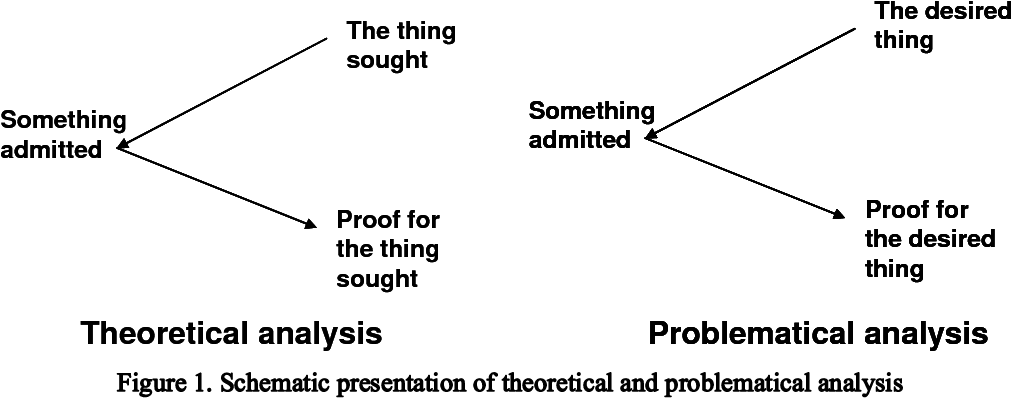
Developing a Formal Model
Once the Prototheory is established, researchers can then develop a formal model that captures the principles outlined in the Prototheory. This model is often represented through mathematical equations or computational simulations, allowing for precise tracking of the relationships and dynamics between different theoretical entities. Formal models are critical as they facilitate the testing of the theoretical principles against empirical data, enhancing the credibility and applicability of the theory.
Checking Empirical Alignment
It is crucial to check whether the developed formal model adequately explains the empirical phenomena it was designed to address. This involves formalizing the phenomena in question and directly comparing them to the predictions generated by the model. Evaluating the alignment between the theoretical predictions and empirical evidence helps determine the explanatory validity of the theory
Evaluating the Overall Worth
The worth of the constructed theory should be systematically evaluated based on various criteria, such as explanatory power, simplicity, and breadth. It is important to consider whether the theory can explain a wide range of phenomena and how it compares to alternative theories. Methods like inference to the best explanation can be employed to assess the theory's robustness and its potential contributions to the field.
Incorporating Theory Into Your Research
Incorporating theories into psychological research is essential for providing a structured framework for understanding phenomena. This process involves identifying relevant theories that can explain or interpret observed behaviors, formulating hypotheses, and guiding the research design. Researchers should also consider how to apply these theories effectively throughout their studies.
Identifying Relevant Theories
The first step in incorporating theory into psychological research is to identify relevant theories that align with the phenomena of interest. A researcher begins with a set of phenomena and either constructs a theory to explain or interpret them or chooses an existing theory to work with. Theories can help clarify research questions and focus the methodological approach.
Formulating Hypotheses
Once relevant theories are identified, researchers can formulate hypotheses derived from these theories. A hypothesis can be an explanation that relies on key concepts extracted from the theory, serving as a testable statement regarding the expected relationship between variables. Formulating clear hypotheses enables researchers to operationalize their theories in the context of empirical investigations.
Guiding Research Design
The chosen theory should inform the research design, including the selection of appropriate methods, participants, and measures. The theoretical framework helps define how variables are conceptualized and assessed, ensuring that the study is grounded in existing knowledge. It encourages researchers to focus on specific relationships and effects that the theory predicts.
Interpreting Results and Generating New Research Questions
After data collection and analysis, theories play a crucial role in interpreting the results. Researchers can use theoretical frameworks to discuss their findings in relation to existing literature, examining how their results support or challenge the proposed theories. This reflection adds depth to the research and contributes to the broader understanding of psychological phenomena. Incorporating theories also leads to the generation of new research questions. As researchers analyze their findings through theoretical lenses, they may uncover gaps in existing theories or identify new phenomena, prompting further investigation. This iterative process enriches the field of psychology and advances theoretical development.
Role of Empirical Evidence in Evaluating a Psychological Theory
Empirical evidence plays a crucial role in evaluating psychological theories by providing the data necessary to support or refute theoretical claims. This evidence, derived from observation and experimentation, serves as a foundation for validating theories and enhancing their credibility. The utilization of robust empirical methods ensures that psychological theories are tested against real-world data, thereby promoting scientific rigor in the field.
Foundation for Theory Validation
Empirical evidence is fundamental for validating psychological theories. It allows researchers to collect and analyze data that can confirm or contradict the theoretical propositions made within a given framework. Theories are often developed as explanations for observed phenomena, thus empirical evidence is needed to test these explanations in tangible, observable contexts. Without this evidence, theories remain untested assertions, lacking scientific credibility.
Facilitating Hypothesis Testing
Theories typically generate testable hypotheses that can be evaluated through empirical research. By formulating hypotheses based on theoretical frameworks, researchers can conduct experiments that yield data supporting or challenging those hypotheses. This process exemplifies the scientific method, where empirical research leads to a systematic investigation of the predictions outlined in a theory. Thus, empirical findings serve as a handle to gauge a theory’s accuracy and relevance in explaining psychological phenomena.
Promoting Rigor and Objectivity
The use of empirical evidence in psychological research promotes rigor and objectivity. Empirical studies rely on systematic methodologies that involve measuring variables and analyzing relationships through quantifiable data. This approach minimizes subjective biases that may arise in theoretical discussions, allowing for a clearer evaluation of a theory's claims. The reproducibility of empirical studies further strengthens the reliability of findings, contributing to a more compelling assessment of psychological theories.
Evolving Theoretical Framework
Empirical evidence does not just support existing theories; it also drives the evolution of theoretical frameworks. When new evidence emerges that contradicts current theories, researchers are prompted to re-evaluate and refine these frameworks. This dynamic process ensures that psychological theories remain relevant and scientifically sound, adapting to new findings and societal changes. In this way, empirical research fosters a continuous dialogue between theory and practice, enhancing the overall understanding of psychological phenomena.
Establishing Practical Applications
Empirical evidence is vital for establishing the practical applications of psychological theories. Therapies and interventions grounded in well-validated theories can effectively address mental health issues and improve outcomes. The empirical evaluation of these theories not only assures their practical efficacy but also helps in refining these applications based on evidence from diverse populations. Empirical research thus bridges the gap between theory and real-world implementation, ultimately advancing the field of psychology.
Exercise: Practice: Find a recent empirical study paper in a professional publication. Read the introduction and color-code descriptions of phenomena, theories, and hypotheses.