foundations of christian institutions
foundations of christian institutions
the historical jesus
- jesus of nazareth 6?BCE-29CE
- roman judea
- palestine area
- comes from a jewish background
- legend: god is jesus’s direct father, joseph is his step father, mary is his mom
- his teachings make him a threat
- \
- had disciples, started teaching at 30 (dies at 33)
- after jesus died, they were referred to not as disciples, but as apostles*:* who spread jesus’s teaching
- time period: around year 0 // entire western calendar based on his birth
judaism vs. christianity
- judaism
- don’t really believe that jesus is the messiah
- both
- believed in the old testament
- both influenced by hebrew scripture
- christianity
- appeals to all people, of all classes, race, and gender
trial and execution
- due to the roman empire thinking he was a threat, he was executed through crucifiction, which was actually quite common
spread of christianity
- originally, it was orally spread
- gospels were written after and helped, but not all followers were literate
- rituals were created
- the apostle paul
- not a disciple, but through his writings we learn so much more
- his writing explained to us how christianity is not a sect of judaism and how it is a different idea all on it’s own
- traveled through asia and the middle east to spread
christianity was seen as treason, by the year 100 it’s a crime to be christian. this is because they refused to “worship” the emperor.
- constantine
- edict of milan: constantine guarantees religious tolerance for christians so that they are no longer persecuted
- he actually converted on his deathbed
- theodosius
- makes christianity the official religion of the roman empire in 380 CE
- 600s
- in the 600s there were a
beliefs of christianity
- monotheistic
- messiah and resurrection
- afterlife - existence of heaven and hell
- the trinity
- sacraments
- certain times or events in your life that are holy
- saints
- that saints were people that would intervene on your behalf between heaven and yourself
- forgiveness
the apostles creed: the major ideas of christanity
I believe in God the Father Almighty, Maker of heaven and earth.
And in Jesus Christ, His only Son, our Lord; Who was conceived by the Holy Spirit; Born of the Virgin Mary; Suffered under Pontius Pilate; Was crucified, dead and buried; He descended into Hell; The third day He rose again from the dead; He ascended into heaven; And sitteth on zthe right hand of God the Father Almighty; From thence He shall come to judge the living and the dead.
I believe in the Holy Spirit; The Holy catholic Church, the Communion of Saints; The Forgiveness of sins; The Resurrection of the body; And the life everlasting. Amen.
**catholic = universal
values of christianity
matthew 5:38-40
38] Ye have heard that it hath been said, An eye for an eye, and a tooth for a tooth: [39] But I say unto you, That ye resist not evil: but whosoever shall smite thee on thy right cheek, turn to him the other also. [40] And if any man will sue thee at the law, and take away thy coat, let him have thy cloke also.
- selflessness
- forgiveness
matthew 22 37-40
- faith
- love for everyone
- “treat someone the way you want to be treated”
- karma almost
- merciful
john 3 16-21
- you could have life everlasting and beautiful with god
^^sources of belief and values^^
- old testament
- larger part
- psalms
- also important to judaism
- values in the old testament
- law
- new testament
- this mattered more to chritisans
- included letters and gospels
- more on jesus, such as documenting his life, death, and teachings
- values in the old testament
- gospels
canon!
both of these testaments make up the canon, place of where chritistan beliefs come from, come from after his death. more like remembrances. matthew, mark, luke, john did not write this.
**latin vulgate
this is the version of a translation in latin that the church deems acceptable
protestants create their own version of the bible
**biblical apocrypha
organization of the church
- pope-
- cardinals-
- bishops-
- archbishops-
- bishops-
- priests- in charge of one church, going to preach, and administer sacraments
- deacons- in the process of becoming a priests, don’t have as much power
^ this people are the clergy, people who aren’t a part of the clergy are lay people.
would not get married and are supposed to stay celibate
^^church doctrine^^
- some comes from scripture: canon
- early followers/christians
- st. augustine
- thomas aquinas
- church officials
- councils
- early reformers
nicene creed
council of nicea
- god is god
- decided 300 years after the death of jesus
- “jesus is divine”
- affirm the trinity
- pulled from paul, the gospels
We believe in one God, the Father, the Almighty, Maker of heaven and earth, of all that is seen and unseen.
We believe in one Lord Jesus Christ, the only Son of God, eternally begotten of the Father; God from God, Light from Light, true God from true God; begotten not made, one in being with the Father. Through Him all things were made. For us men and for our salvation He came down from heaven. By the power of the Holy Spirit He was born of the Virgin Mary and became man. For our sake He was crucified under Pontius Pilate. He suffered, died, and was buried. On the third day He rose again, in fulfillment of the Scriptures. He ascended into heaven and is seated at the right hand of the Father. He will come again in glory to judge the living and the dead, and His kingdom will have no end.
We believe in the Holy Spirit, the Lord, the Giver of life, who proceeds from the Father and the Son. With the Father and the Son He is worshipped and glorified. He has spoken through the prophets.
We believe in one, holy, catholic, and apostolic Church. We acknowledge one baptism for the forgiveness of sins. We look for the resurrection of the dead and the life of the world to come. Amen.
^^the seven sacraments^^
sacra - sacred
times in your life when the church needs to bless this time
- anointing of the sick
- baptism
- communion: before jesus is arrested, the last supper, so jesus with all of his disciples and they are eating and drinking and jesus takes the bread and says this is body and the wine is his blood; so in the church they take bread and wine/grape juice in remembrance
- confirmation: when people officially join the church; “i’m old enough now to understand what it means to be a part of the church”
- holy order: for priests to say that i am ready to become a priest
- marriage
- reconciliation: repenting or making up for your sins
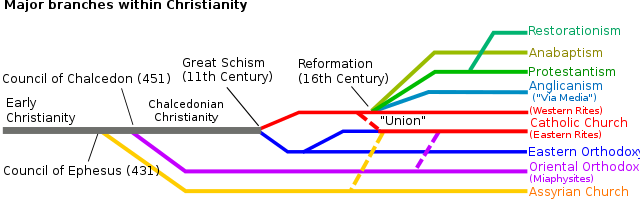
difference between protestant and catholics, protestants only believed in two and others were like “you do not mess with these seven”. the protestants only believed in communion and baptism. splits in the church usually based on theological ideas.
^^branches of christianity!^^