Equilibrium Price
Over the last two lessons, we've learned how prices affect how much of a particular product producers supply, as well as the amount of demand that consumers have for that product. Now it's time to learn how the forces of supply and demand work together to set prices in market economies.
Markets
Markets exist when buyers and sellers exchange goods and services. In economics, the term market refers to the sum total of all the buyers and sellers in an area. This "area" can be defined in different ways. You can have a regional market of goods and services where you're just looking at a few cities or a few states. Or you can look at the national market for goods and services, or even the global market. Most of the markets we talk about in this course involve physical markets like you'd find at your local store, but other types of markets exist, including:
bullet
the stock market, where people buy and sell stocks (part ownership in public corporations) as investments;
bullet
the black market, where illegal goods such as stolen paintings or illegal drugs are sold; and
bullet
the labor market, where the "sellers" are workers looking to sell their time and skills in return for wages, and the "buyers" are the businesses looking to hire these workers.
Whether you're buying and selling physical goods and services, stocks, or labor, the laws of supply and demand will apply. For instance, if there are a lot of companies looking for cybersecurity experts, then demand for that type of employee will be high. At the same time, there might be a low supply of cybersecurity experts, because there aren't many qualified employees. Cybersecurity experts will have their own supply and demand curves, just like corn, pizza, or video games do.
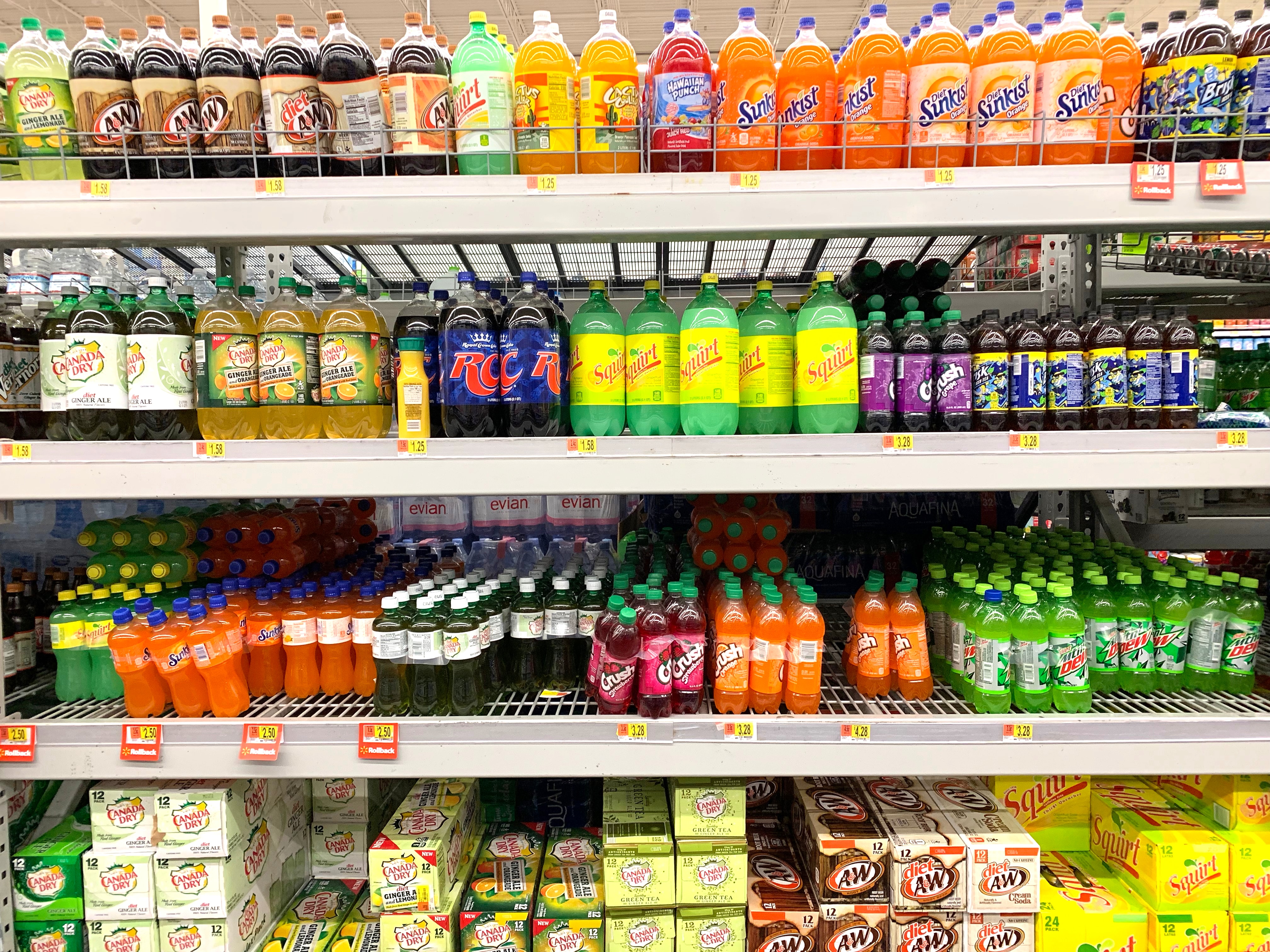
No matter what the good or service is, there will be a market price for it. The market price is the price of the good or service when it's sold in the market and is determined through the economic decisions made by buyers and sellers. The $1.58 you pay for a 2-liter soda at Walmart is the market price. The market price is $1.58 because that's the amount Walmart decided to sell it for; you as the consumer then have to decide whether or not to buy the soda for $1.58. Market prices can vary widely, and they don't always have to make sense, because humans are behind each decision. An individual buyer could greatly overpay for something, just as a seller could charge way too little.
Everything is worth what its purchaser will pay for it.
Attributed to Publilius Syrus, Latin writer (85–43 BC)
Everything is worth what its purchaser will pay for it.
Attributed to Publilius Syrus, Latin writer (85–43 BC)
Equilibrium Price
Usually, market prices will be very close or equal to the equilibrium price, the one price at which quantity supplied equals quantity demanded. This can easily be seen on a graph—the equilibrium price occurs where the supply and demand curves intersect. Let's return to the supply and demand curves we created for corn in the last two lessons. Remember that, from left to right, supply curves always slope upward, while demand curves always slope downward. By putting the curves on one supply-and-demand graph, we can determine the equilibrium price.
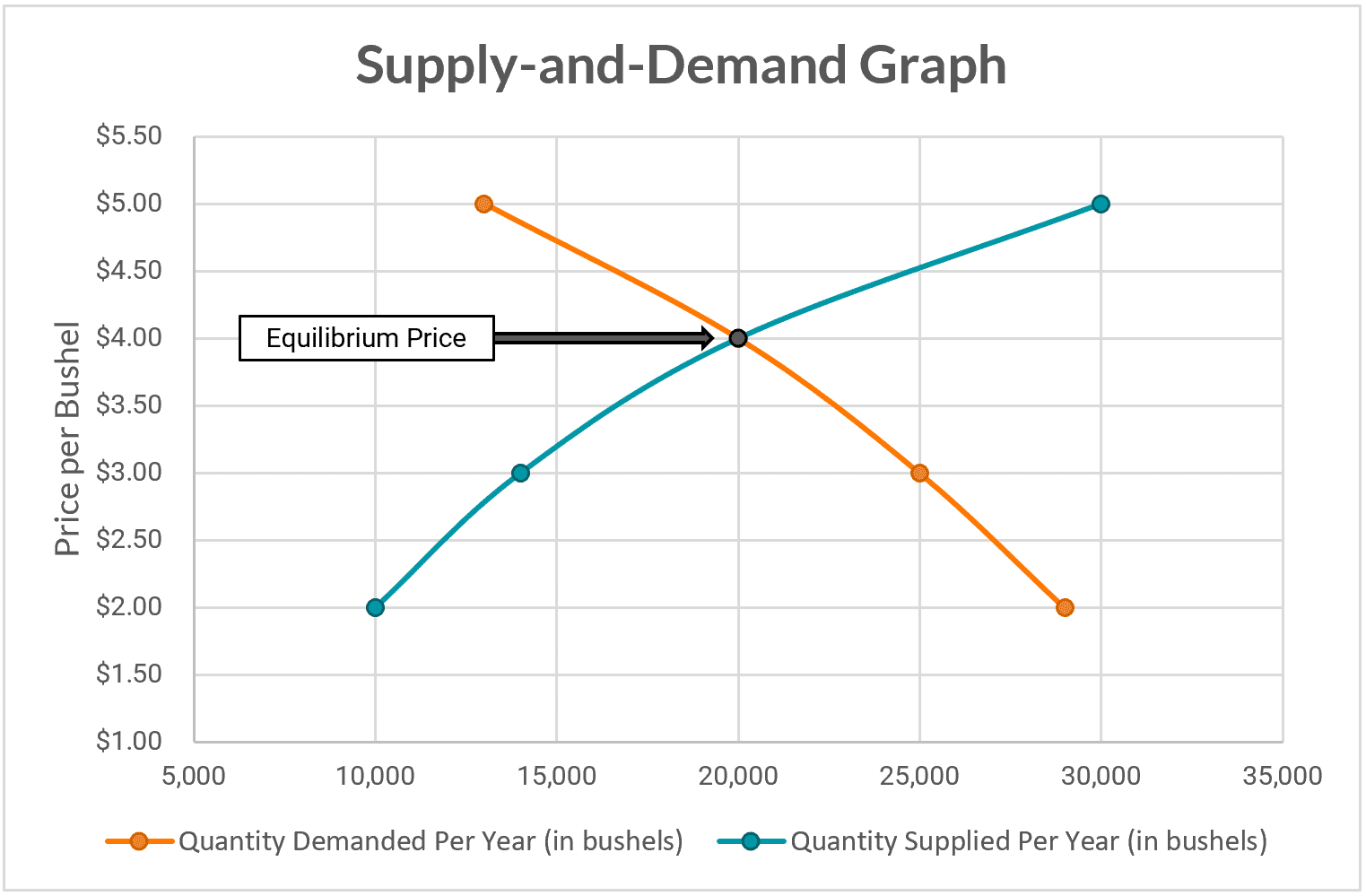
From this graph, we can see that the supply and demand curves for corn intersect at $4.00 per bushel. When corn is selling for $4.00 per bushel, both the quantity demanded and the quantity supplied is 20,000 bushels per year. In this situation, sellers won't have any leftover corn at the end of the year, and buyers will be able to get exactly the amount of corn they want.
Surpluses and Shortages
So, if products sell at the equilibrium price, then everybody seems pretty happy. Producers don't have to deal with any unsold product, and consumers won't be clamoring for products they can't find. But if the market price doesn't equal the equilibrium price, there will be either a surplus or a shortage, depending on whether the market price is above or below the equilibrium price.
Take a look at the graph below to see what would happen if the price for corn was greater than the equilibrium price.
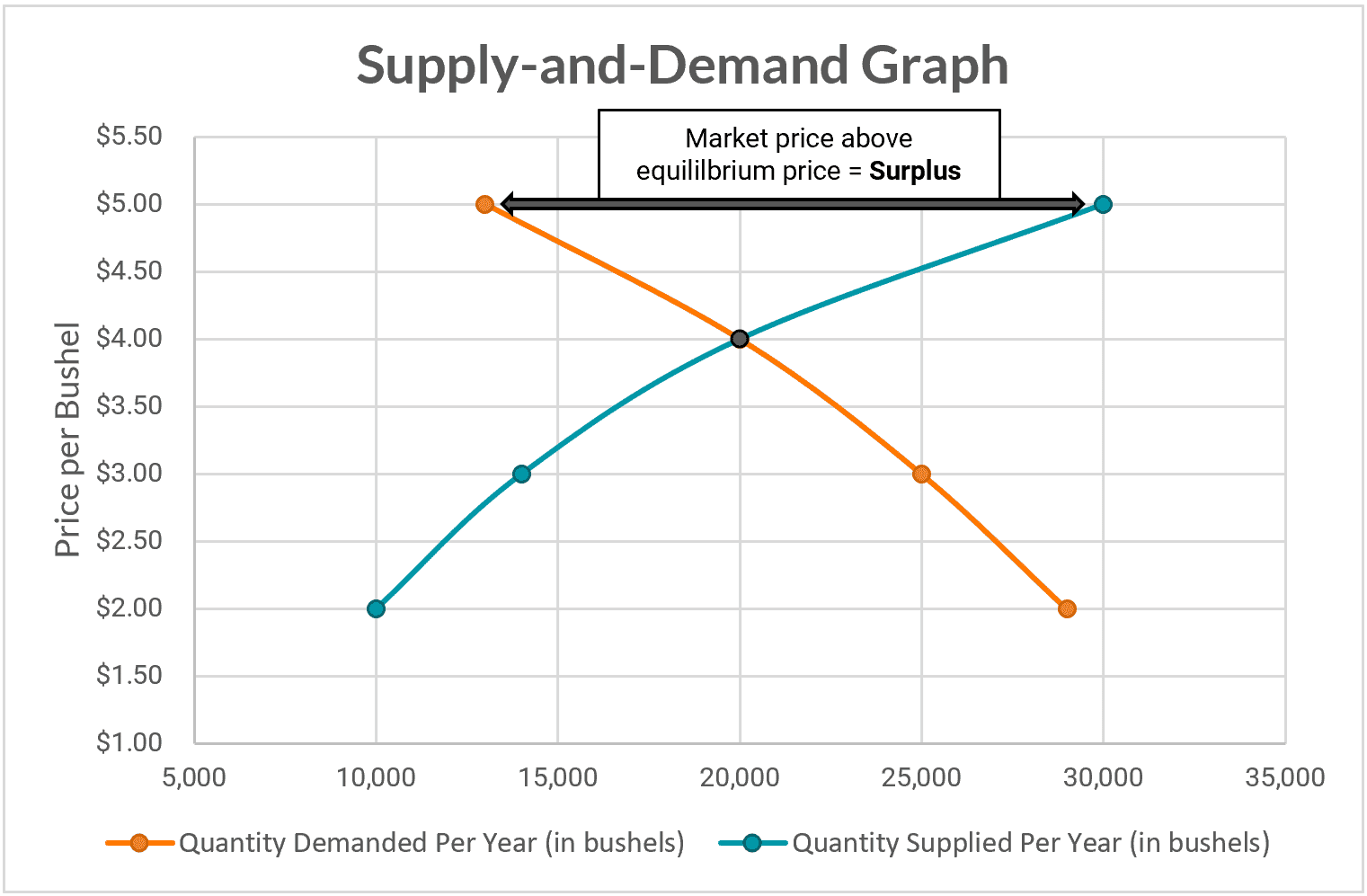
As you can see, if the price per bushel of corn is $5.00, then the quantity supplied becomes much greater than the quantity demanded. This is because many producers are willing to sell corn for $5.00, but few consumers are willing to pay that much for it. The result is a surplus—the price is above the equilibrium price, so buyers purchase less than what's available. This will usually result in a price decline because producers will have so much excess corn that they'll have to reduce their prices in order to sell it.
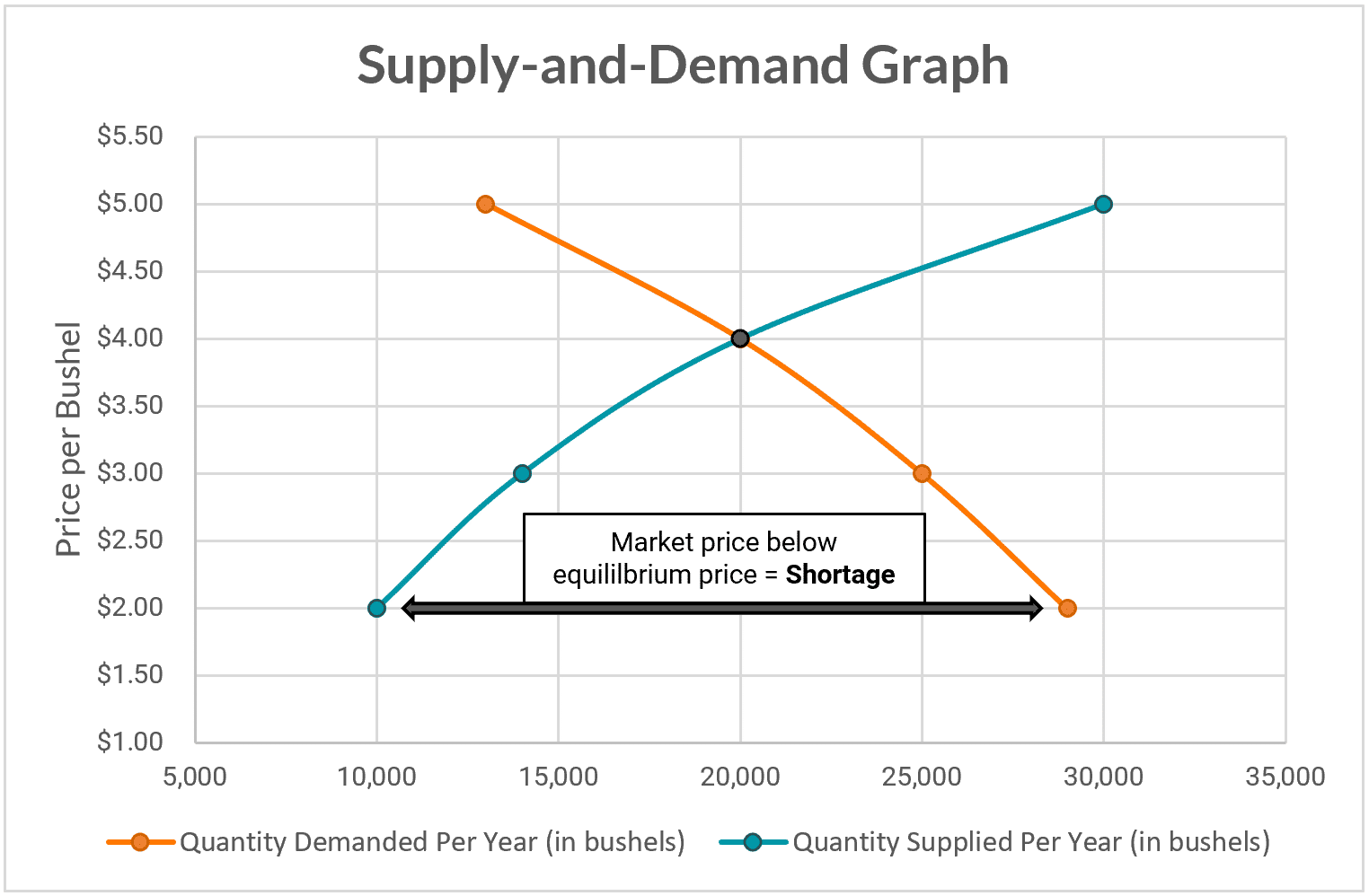
The opposite occurs if the market price is below the equilibrium price. Because demand will be greater than supply, there will be a shortage. Buyers will want to buy more of the product than is available, and producers won't want to make more because the price is so low. This situation usually results in price increases. The graph below demonstrates the shortage of corn that would result if the price was only $2.00 per bushel. Customers would have demand for 29,000 bushels, but there would only be a supply of 10,000.
Changes in Supply and Demand
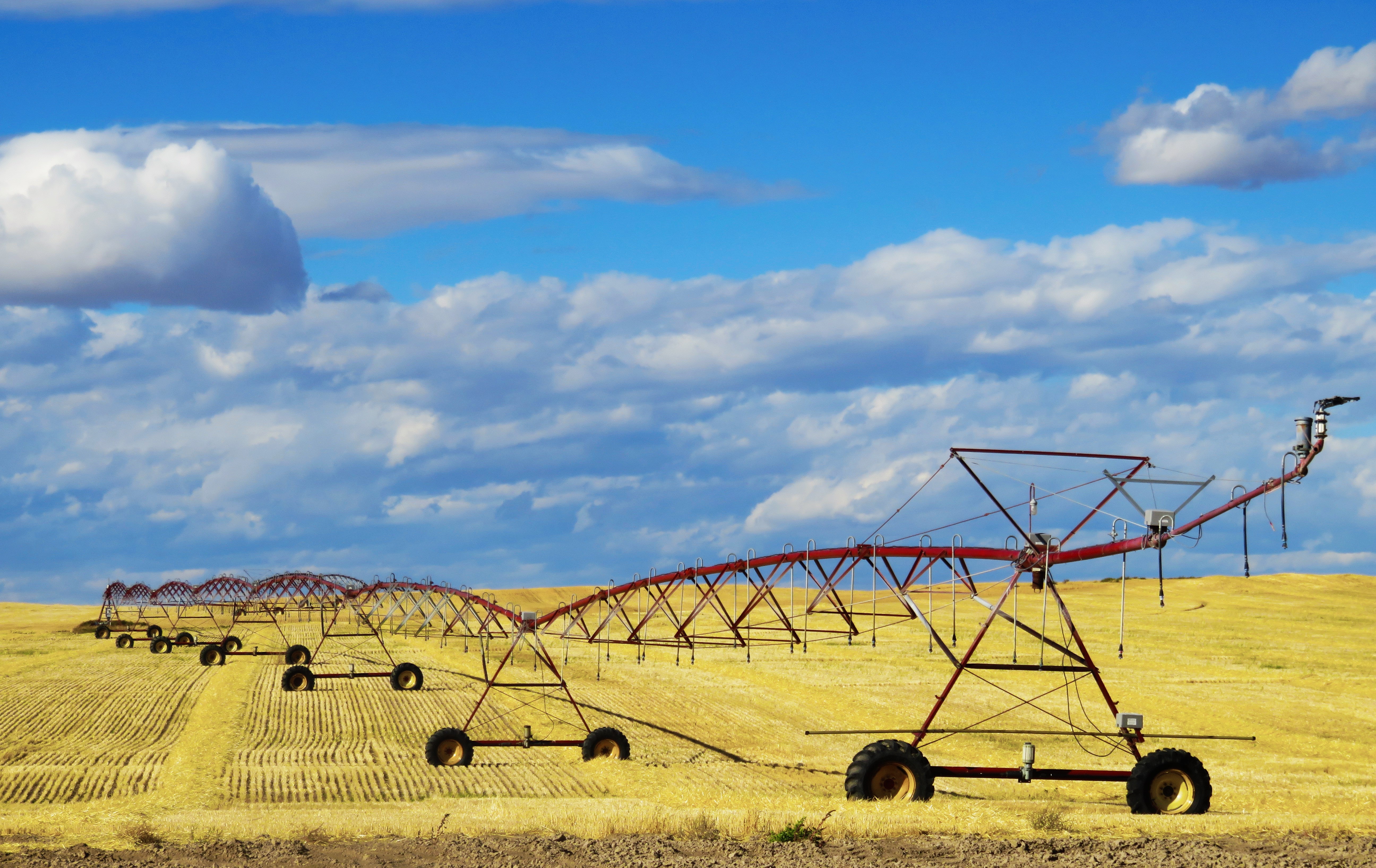
In the previous two lessons, we discussed how a change in supply or a change in demand could shift the supply or demand curves to the left or right. For example, the development of a more efficient irrigation technology could result in a positive change in supply and shift the supply curve for corn to the right. Any time there is a change in supply or demand, there will be a new equilibrium price. Let's take a look at how a positive change in supply might affect the equilibrium price:
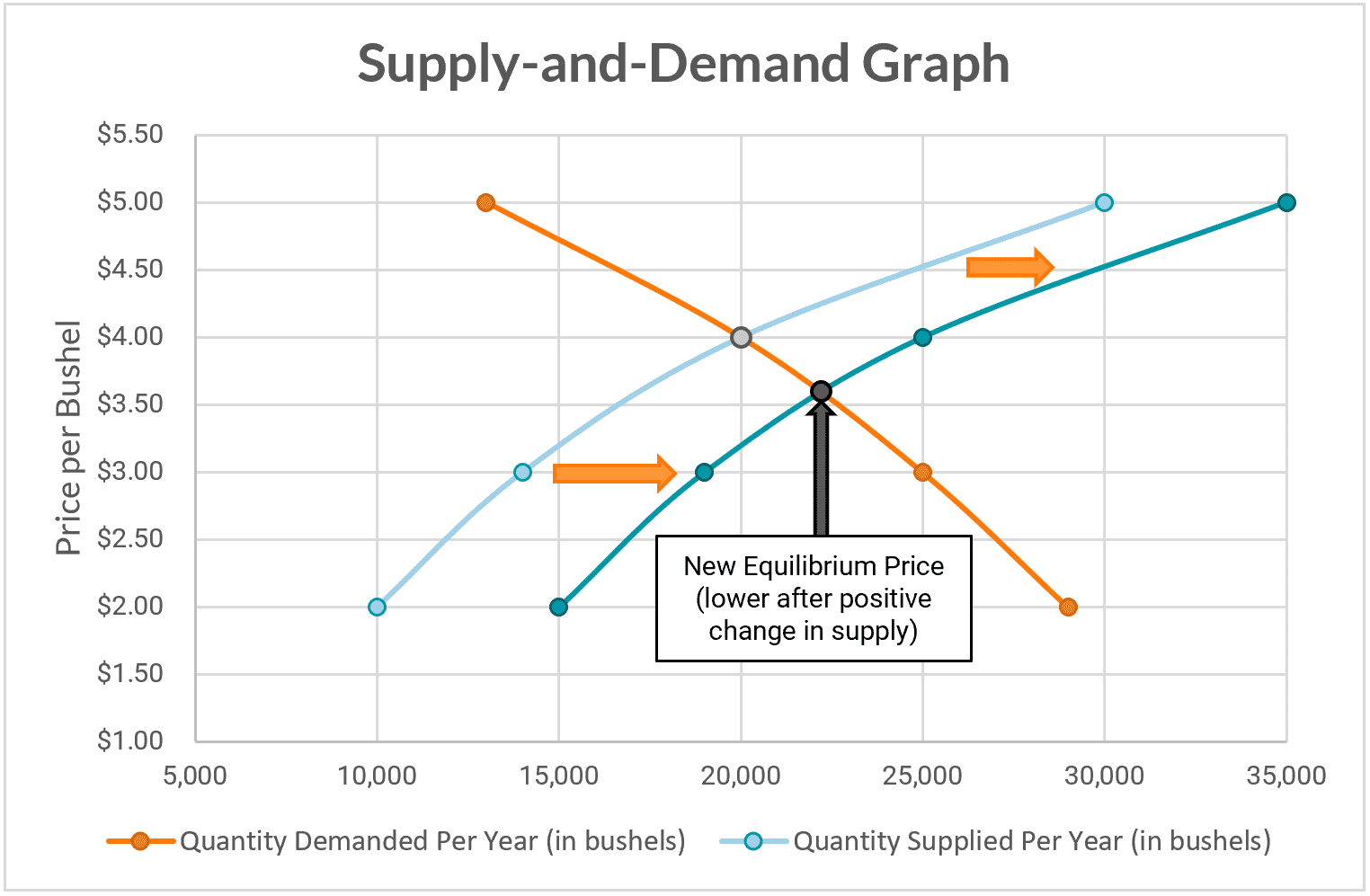
The supply-and-demand graph shows us that the new equilibrium price becomes lower after a positive change in supply (in this case, it fell from $4.00 to just over $3.50).
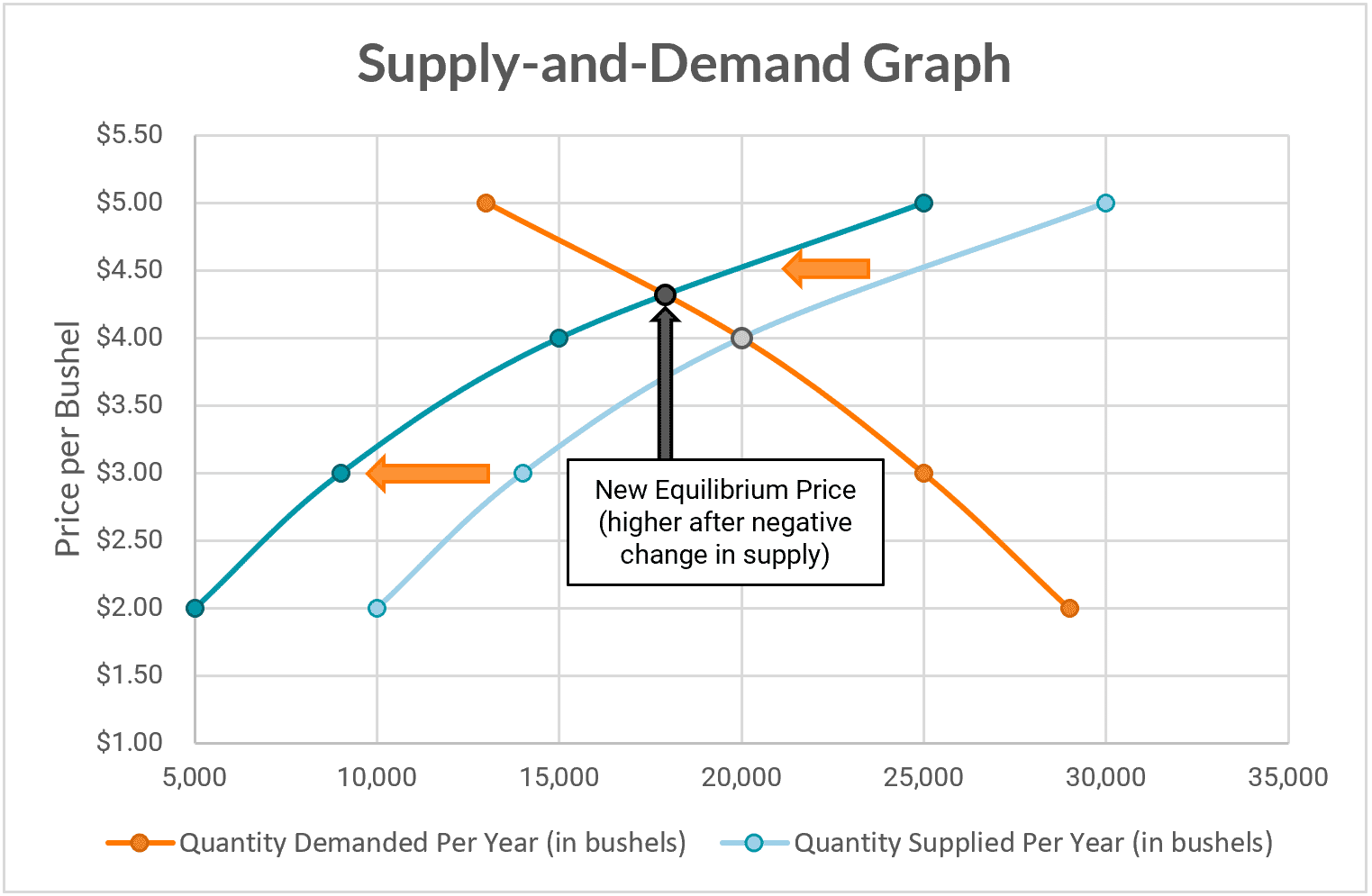
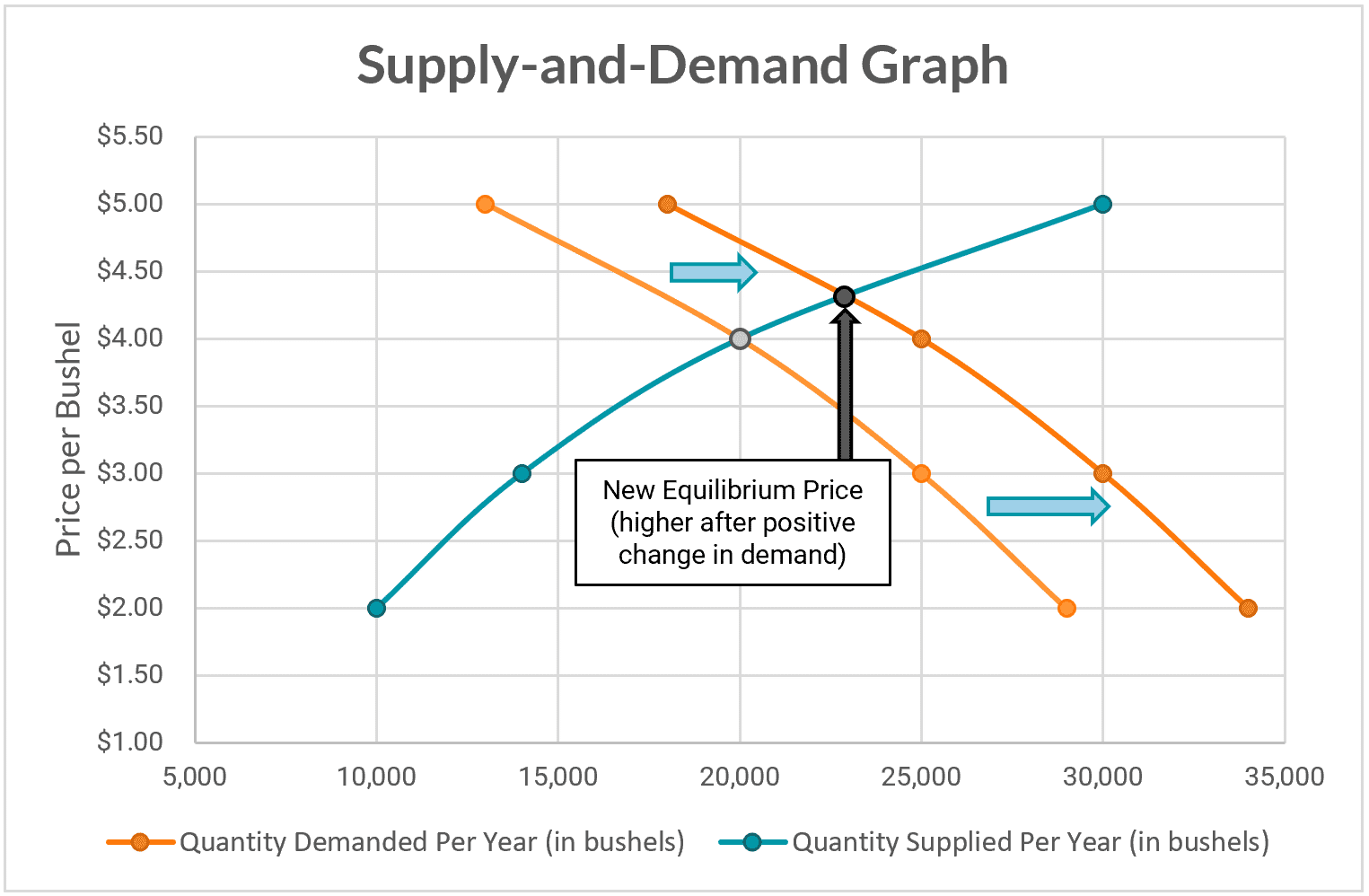
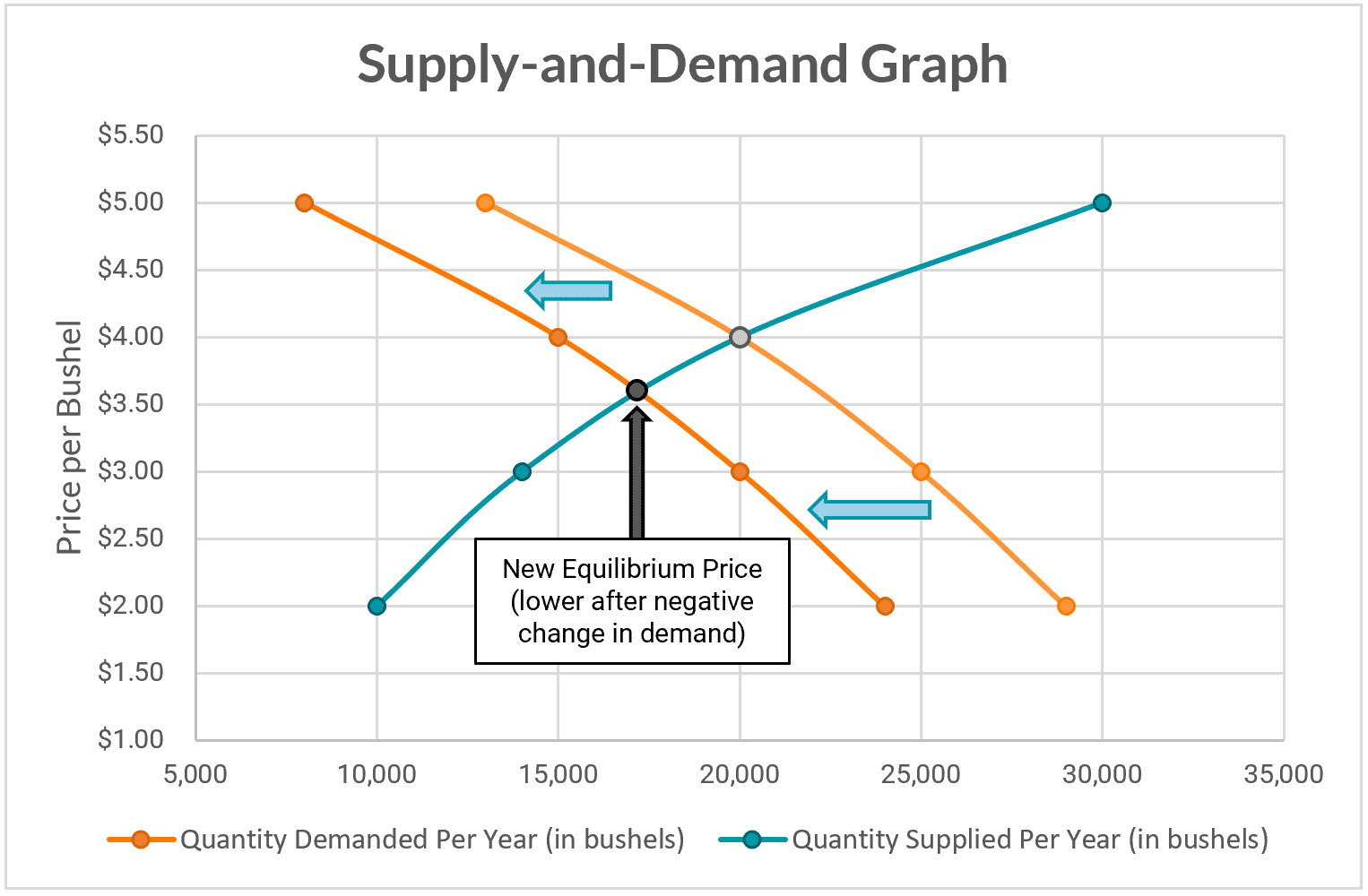
Review the following graphs to see what happens with a negative change in supply or with positive or negative changes in demand.
Negative Change in Supply
Positive Change in Demand
Negative Change in Demand
Review of Key Terms
market: the sum total of all the buyers and sellers in an area
market price: the price of the good or service when it's sold in the market
equilibrium price: the one price at which quantity supplied equals quantity demanded
The supply-and-demand price system is what makes market economies tick. It results in fair prices and ensures that the right number of goods are supplied. In market economies, it's rare for there to be chronic shortages or surpluses of goods, because market prices tend to revert to the equilibrium price. When governments are in charge of production and pricing (like they are in command economies), there are often too many or too few goods supplied. This is why it's important for market economies to avoid government intervention and instead let the "invisible hand" of the market—supply and demand—dictate prices.