MSE-3014 L3.5 UTI
Infections of the Urinary Tract
Definitions
Urinary Tract Infection (UTI): A condition characterized by the establishment and multiplication of microorganisms in the urinary tract, which includes the bladder, prostate, ureters, or kidneys.
Bacteriuria: The presence of bacteria in voided urine.
Significant Bacteriuria (Kass, 1956): Defined as the presence of 100,000 bacteria per milliliter of clean catch midstream urine (MSU) (found in its way into the bladder)
Low Count Bacteriuria: Often referred to as urethral syndrome, characterized by lower bacterial counts in the urine. Can be natural in some people such as older people, they may present with some symptoms but can become over-treated
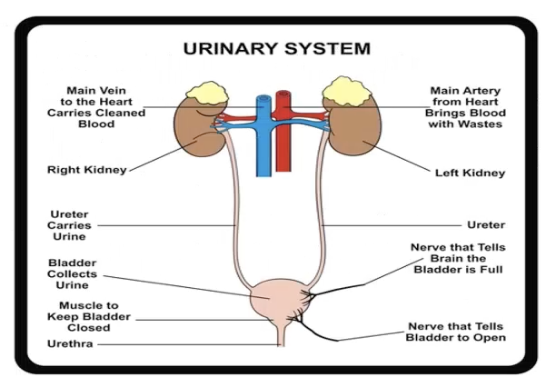
Anatomy of the Urinary System
Pathogenesis of UTIs
Mechanisms of Infection:
Faecal organisms ascend the urethra
Facilitating Factors:
Instrumentation of the urinary tract e.g. catheters
Sexual intercourse
Defensive Mechanisms:
Hydrodynamic factors that facilitate the flow of urine - when urine is passed, urethra is flushed out and clean
Phagocytosis by immune cells - if immunosuppressed, WBC count may not be sufficient, may not react and makes pt more susceptible to UTI
Humoral immunity involving antibodies
Non-specific antibacterial substances found in secretions from the prostate and mucosal glands
Predisposing Factors for UTIs
Age: Increased susceptibility in both young children and elderly.
Sex: Females are more predisposed due to anatomical differences - urethra is shorter and closer to anus
Structural/Functional Urinary Tract Abnormalities: Such anomalies can increase the risk of UTIs.
Some born with ureters further down mean that urine can sometimes flow back into the kidneys, causing more infections
Diabetes Mellitus (DM): Alters immune response and urinary tract function - higher blood glucose in bloodstream gives bacteria more nutrients
Immunosuppression: Reduced immune function can lead to higher susceptibility to infections.
Complications of UTIs
Pyelonephritis - pus in nephrons, inflammation can lead to…
Renal Scarring - existing damage makes someone more susceptible to more damage
Septicemia - serious bloodstream infection that can occur from urinary tract infections, or pathogens from urine travel to the blood
80% of UTIs caused by E-coli - produces endotoxins, Lipid A as a by-product
Endotoxins lead to disseminated intravascular coagulation, affecting clotting factors etc.
Recurrence of UTIs: Individuals may experience multiple infections after initial treatment - increases use of antibiotics > leads to resistance > can cause death
Microbiology of Common UTI Pathogens
Escherichia coli (E. coli) : The most common pathogen in UTIs (80%)
Enterococcus species: Gram-positive bacteria that can cause UTIs.
Staphylococcus saprophyticus: Primarily affects young sexually active females + pregnant people, can cause pre-mature labour
Proteus species: Produces alkali, may cause bladder stone formation (treatment no matter what)
Klebsiella species: From gut
Pseudomonas aeruginosa: From environment, e.g. some patients may have plastic catheters that Pseudomonas and biofilms like to stick to
Candida species: Recurring infections can lead to disruption of normal flora
Diagnosis of UTIs
Diagnosis (1) Specimen Collection
Types of Specimens:
Midstream urine sample (MSU) recommended for best accuracy - collected middle portion of excreting urine, avoiding initial start as it is flushing out organisms, and avoiding the end due to possible debris
Catheterized urine sample may also be utilized however chances of organisms proliferating in bag are high and may lead to false positives + WBC count may be important to confirm infection, so sample must be taken from portal before it goes into the bag
Clean catch method is preferred to minimize contamination.
Bag collections may be used in infants and children.
Suprapubic aspirate is another method for specimen collection, often used in more complicated cases - patients who have difficulty passing e.g. male patients with enlarged prostates, blocks everything, so a needle can be put into the suprabpubic area and aspirate it there.
Diagnosis (2) Specimen Transport
Necessary to maintain the integrity of urine specimens during transportation:
Refrigeration at 4°C: Important to prevent bacterial overgrowth before testing.
Dip-slide technique: For on-site culture and identification in certain settings.
Boric acid at 1.8%: A preservative used for specimen collection for up to 48 hours, prevents organisms from multiplying further
Diagnosis (3) Testing Methods
Dipstick Testing:
A method that provides quick results regarding the presence of nitrites, leukocyte esterase, and other indicators. (proteins, haemolysis, glucose)
Indications = sample is sent to the lab
Microscopy Examination:
Evaluation of white blood cells (WBC), red blood cells (RBC), epithelial cells, bacteria, and casts within urine.
Crystals, parasites and other cells are visible
Semi-quantitative Culture:
Involves assessing urine culture results through filter paper or standard loop for quantitative analysis.
Semi-automation can streamline this process.
Cell count
Diagnosis (4) Significant Bacteriuria
Defined as having greater than organisms per milliliter of urine.
Usually characterized by pure growth of a single species of bacteria - if patient is catheterised, more may be present
The presence of symptoms and pyuria increases confidence in diagnosis:
Positive Predictive Values:
80% when symptoms are present and bacteriuria is consistent.
95% confidence when two specimens yield the same organism, but samples must be taken at two different times of the day
Diagnosis (3) Plates
Chromogenic Plates
Helps identify and quantity of organisms quickly
More difficult to see on blood agars
Maconkey plates
can show lactose fermenters (pink) - uses carbon as a source rather than glucose
Quantitative urine culture
filter paper is bent and dipped into urine and then pressed into plates to help see how many are present
Antibiotic Sensitivity Tests
Implemented to determine which antibiotics will effectively treat the bacterial infection.
Relay the effectiveness of various antibiotics against the identified bacteria.
Treatment of UTIs
Encouragement of Fluids:
Increased fluid intake helps flush out bacteria from the urinary tract.
Antibiotics:
Specific selection of antibiotics based on culture and sensitivity results.
Nitrofurantoin or amoxicillin
Duration of Treatment: Tailored to the severity and recurrence of the infection, usually around 5-7 days
Test of Cure: Repeat testing may be necessary to ensure the infection has resolved.
Prophylaxis: Preventative measures may be recommended, especially for recurrent infections - may induce antibiotic resistance