industrial biotech
microbes are used as “biocatalyst” in large scale production of commercial products
use to carry out complex chemical transformations
can be used as
cells (yeast extracts)
biotransformation (steroid biotransformations)
products from cells (enzymes, antibiotics, food addictives, alcohol, chemicals)
enzymes
microbes are a good source of enzymes
they are secreted into culture medium to make purification easy
laundry detergents contains enzymes
proteases, lipases, amylases (for stain removal)
cellulase (fabric softening, brightening)
Bacillus licheniformis
microbes are good sources of enzymes
enzymes are secreted into culture medium making purification easy
syrup manufacturing
mostly applied for production of soft drink, bakery, confectionary
amylase - starch into glucose
glucose isomerase - glucose into fructose
fructose - monosaccharide widely used for food pharmaceutical and medical applications
isomerase - any one class of enzymes that catalyse reactions involving structural rearrangement of molecule
note: fructose twice sweeter and 10bil kg produced each year mainly for soft drinks, bakery, confectionary
agriculture
nitrogen is an essential component of nucleic acids and proteins but most organisms cannot use the nitrogen in the air
nitrogen fixation is a conversion of atm nitrogen to ammonia by lightning - some bacteria have enzymes to convert N2 to ammonium salt and nitrate which can be absorbed by plants
cyanobacteria spp.
azotobacteraceae spp.
rhizobium spp. (resides the nodule of legume fix N2)
frankia spp.
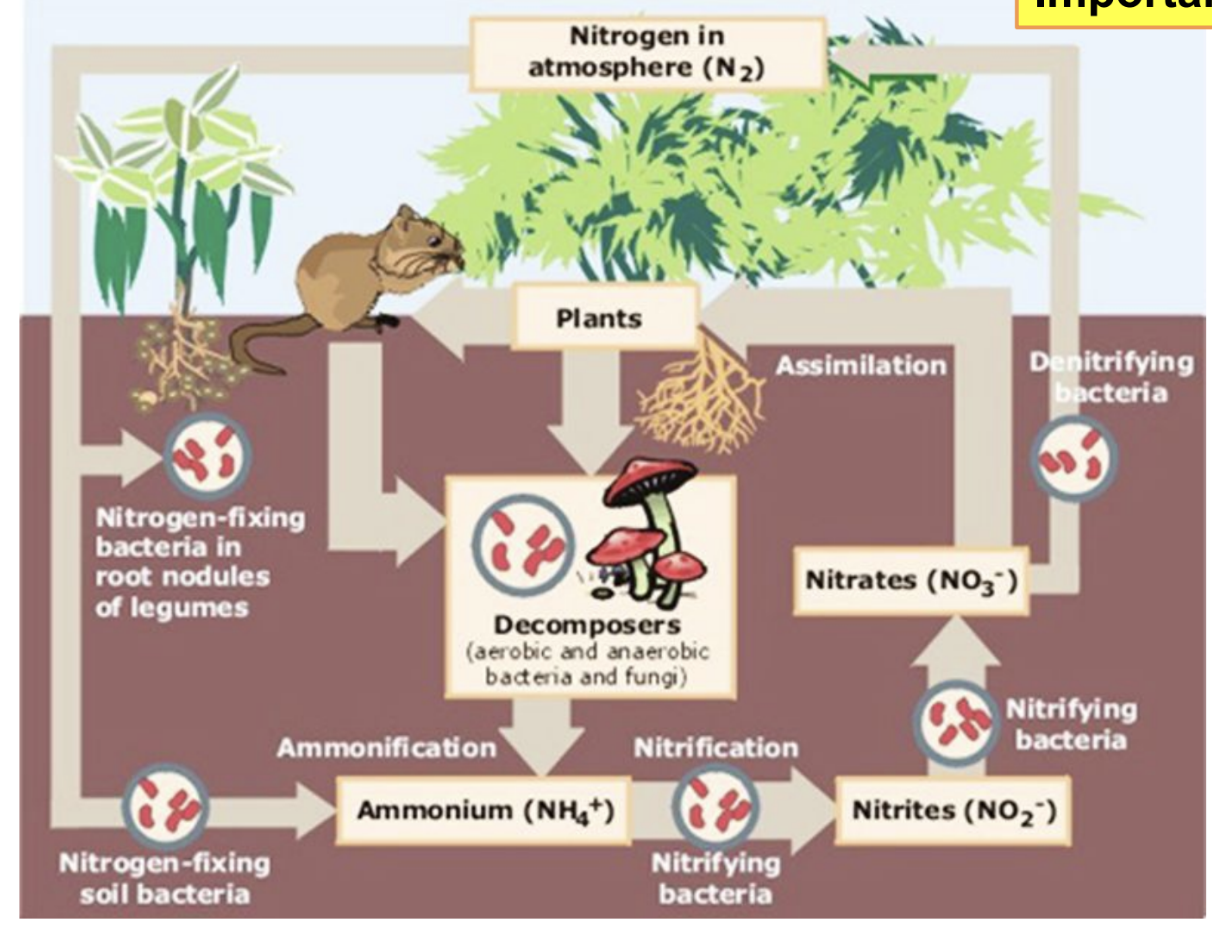
nitrogen fixing process
- conversion of atmospheric nitrogen to ammonium (NH4+) by nitrogen fixing bacteria (rhizobium)
- Nitrifying bacteria convert ammonium (NH4+) to nitrite (NO2-)
- Nitrifying bacteria convert nitrite to nitrate (NO3-)
- Nitrate taken up by plants
fermentation
absence of oxygen - microbes carry out fermentation to convert carbs such as sugar into an acid /alcohol in order to obtain energy (ATP)
microbial fermentation has been used for thousands of years to preserve food/improve taste, aroma, texture
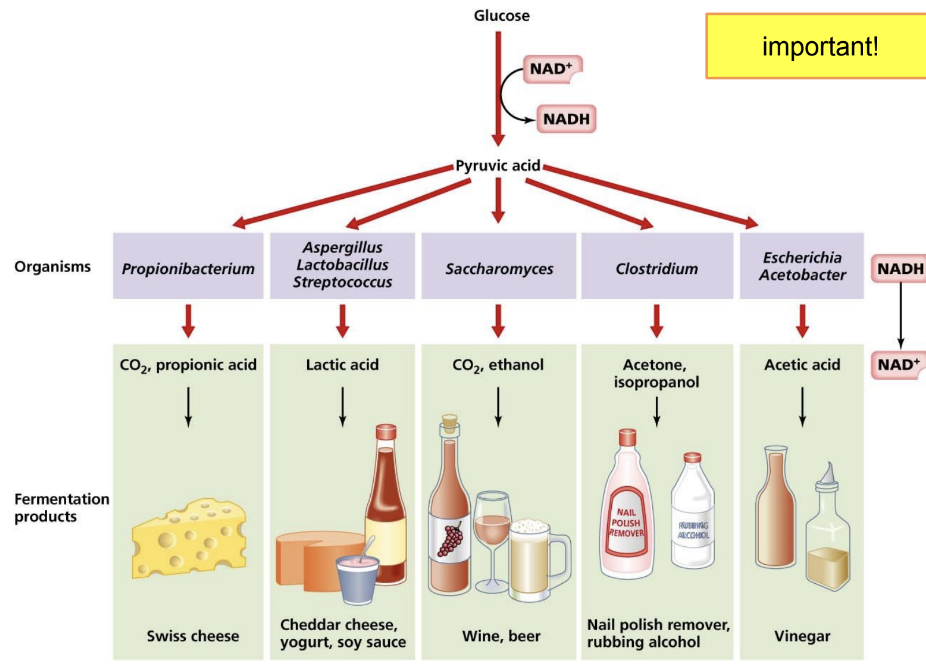
Pyruvic acid
Propionibacterium
propionic acid, co2 → swiss cheese
Aspergillus, Lactobacillus, Streptococus
Lactic acid → cheddar cheese, yogurt, soysauce
Saccharomyces
co2, ethanol → wine, beer
Clostridium
Acetone, isopropanol → nail polish remover, rubbing alcohol
Escherichia, Acetobacter
Acetic acid → vinegar
yogurt
majority of fermented milk products rely on lactic acid bacteria belonging to the genera Lactobacillus, Lactococcus, Leuconostonc, and Streptococcus
gram pos that tolerates acidic conditions
non spore forming w strictly fermentative metabolism
lactic acid bacteria ferment lactose to produce lactic acids
lactic acids turn milk into curd
making yogurt at home
starting material - milk
substance in starting material to be fermented (nutrient for microbe) - lactose
chemical reaction involved - lactose → lactic acid
what chemical changes caused texture/taste of food to change from starting material → lactic acid bacteria from yogurt multiplies and fermented lactose into lactic acid that decreases the pH of the milk culture (sour taste), denaturing proteins found in milk
proteins change their texture to form curds (curdle texture)
beers and wines (alcoholic beverages)
fermentation carried our by yeast
wine: fermentation of fruits
fruits crushed and juice is mixed with yeast for primary fermentation (3-5 days) - to get sugar
secondary fermentation takes weeks to months in air tight barrels
wine then separated from sediments and stored at low temperature for ageing
sugar → ethanol + co2
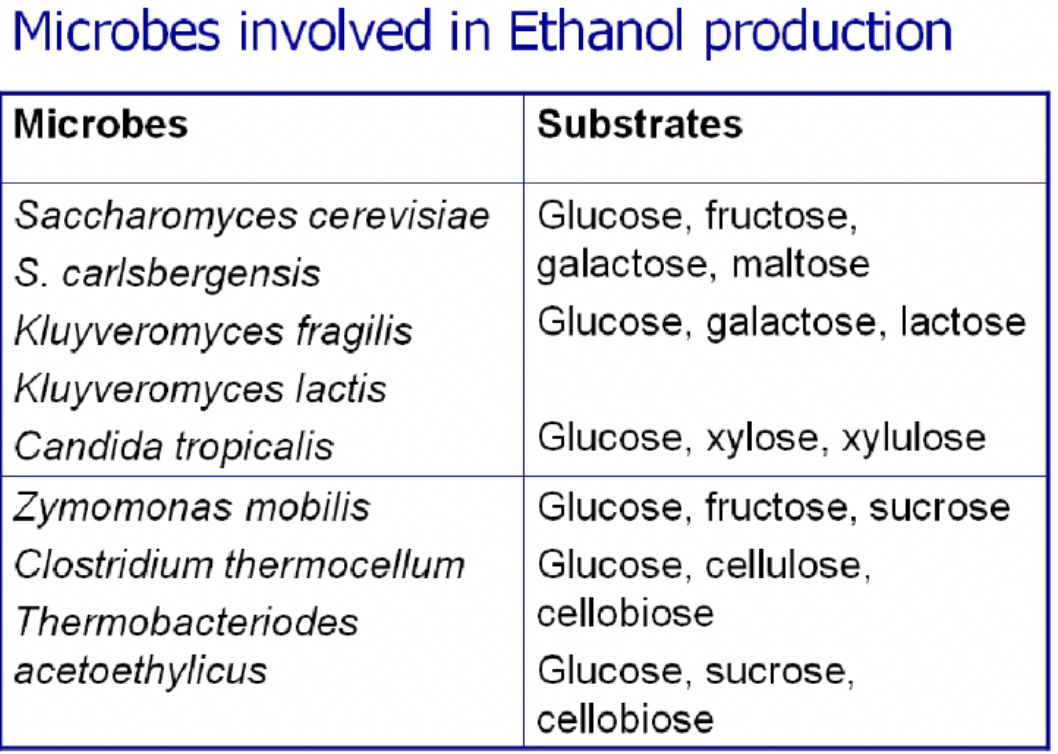
microbe involved - Saccharomyce cerevisiae (yeast)
ethanol produced makes wine taste alcoholic
beer: fermentation of grains
germinating barley, wheat, etc. produces enzymes to convert starch into sugar
sugar → ethanol and co2
aqueous extracts which contains sugars and proteins are filtered and heat treated to distinct taste and colour
yeast added for fermentation
carbonated to become beer
microbe involved - Saccharomyce cerevisiae (yeast)
ethanol produced makes beer taste alcoholic,, carbonated comes from co2 dissolved in it
oxygen not needed to be present
if temp of mixture maintained at 50ºC
reaction would slow down as enzymes in yeast cells catalyse th reaction
high temp would denature enzymes thus decreasing/stopping enzymatic activities
distilled beverages: by concentrating alcohol from a fermentation by distillation e.g. vodka
sparkling wine: co2 is present, arising from a final fermentation by the yeast directly in the bottle e.g. champagne
vinegar - produced by acetic acid bacteria e.g. Gluconobacter and Acetobacter
starting material is wine/beer/apple cider
bacteria partially oxidises ethanol to acetic acid
nutrient in starting material for microbe - sugar
sugar → alcohol → vinegar
cheese
lactic acid bacteria (Lactococcus lactis) and rennin (enzyme) are added to milk
L. lactis converts lactose into lactic acids - curding
rennin converts casein to curds
what chemical changes caused the texture/taste of cheese to change from starting material
rennin (in cow stomach) - converts casein (milk protein) into curds
lactic acid curdles the milk
yeast and molds can be added to give cheese distinctive flavour and texture during ripening
liquid portion removed and curd allowed to ripen into cheese at controlled temp
yeast and molds can be added to give cheese its distinctive flavour and texture during ripening
Roquefort cheese crumpled for salad dressing - dark areas are results of extensive growth of molds
swiss cheese - holes formed by co2 released during the growth of Propionibacterium fermentation
probiotics
live microorganisms that are added to diets to provide health benefits beyond basic nutritive value
benefits
improve intestinal microbial balance and inhibit pathogens and toxin producing bacteria
prevent and treatment of pathogen-induced diarrhoea and urogenital infections
regulate immune response
anticancer effect
lactobacillus species
gram pos
rods
ferment lactose to lactic acids
observed benefits
kids fed with L. acidophilus are reported to have decreased incidence of paediatric diarrhea
L. acidophilus in intestine help to reduce stomach cramp and diarrhea in lactose intolerant subjects
prescribed for patient after antibiotic treatment to recolonise the gastrointestinal tact
enhances pathogen clearance, reduces inflammation etc
bifidobacterium lactis
gram pos
rods
club shaped/branched ends
strict anaerobic
added in milk powders/fermented milk products
improve lactose tolerance, produces bacteriocin to inhibit other intestinal bacteria etc