Biomechanics 2
Newton’s 3 Laws of Motion
Law of Inertia/Momentum
Law of Acceleration
Law of Action/Reaction
Newton’s Law of Inertia (1st Law)
— an object at rest will remain at rest unless acted upon by a force, just as an object in movement will stay in movement unless acted upon by another force
Newton’s Law of Acceleration (2nd Law)
— the acceleration of an objet depends on the mass of the object and the force applied
force = mass x acceleration
momentum is the rate of change of velocity
measured in m/s² = N
Newton’s Law of Action/Reaction (3rd Law)
— for every action there is an equal opposite reaction
for all objects moving and static
Linear Application
Equilibrium
— net force equals zero
all forces acting on an object sum to zero
— can be both static and dynamic
static: system is at rest and all forces equal 0
dynamic: object in motion with net forces equal 0
Ground Reaction Forces (GRF)
— force made by the ground in reaction to a force made by a body on the ground
ground reaction forces in walking and running:
reflects the acceleration of the total body center of mass
Friction
— force that resets relative tangential (linear) motion
factors that affect friction:
types of material
force holding objects together
substances between surfaces
Momentum
— the quantity of motion if an object in motion
momentum = mass x velocity
units are kg x m/s
Power
— amount of work (energy transferred to/from object) done over a period of time
power = (force x displacement) / time
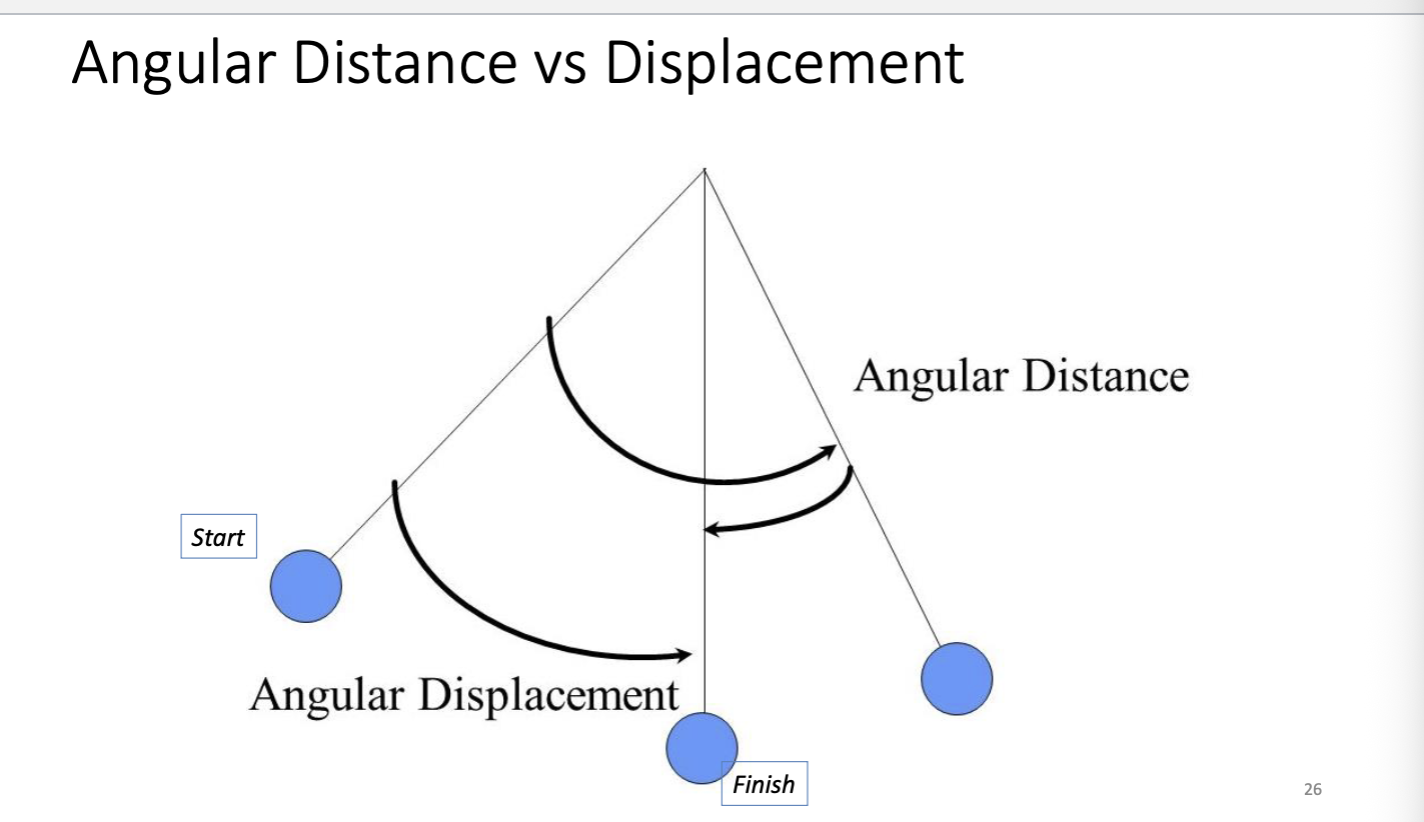
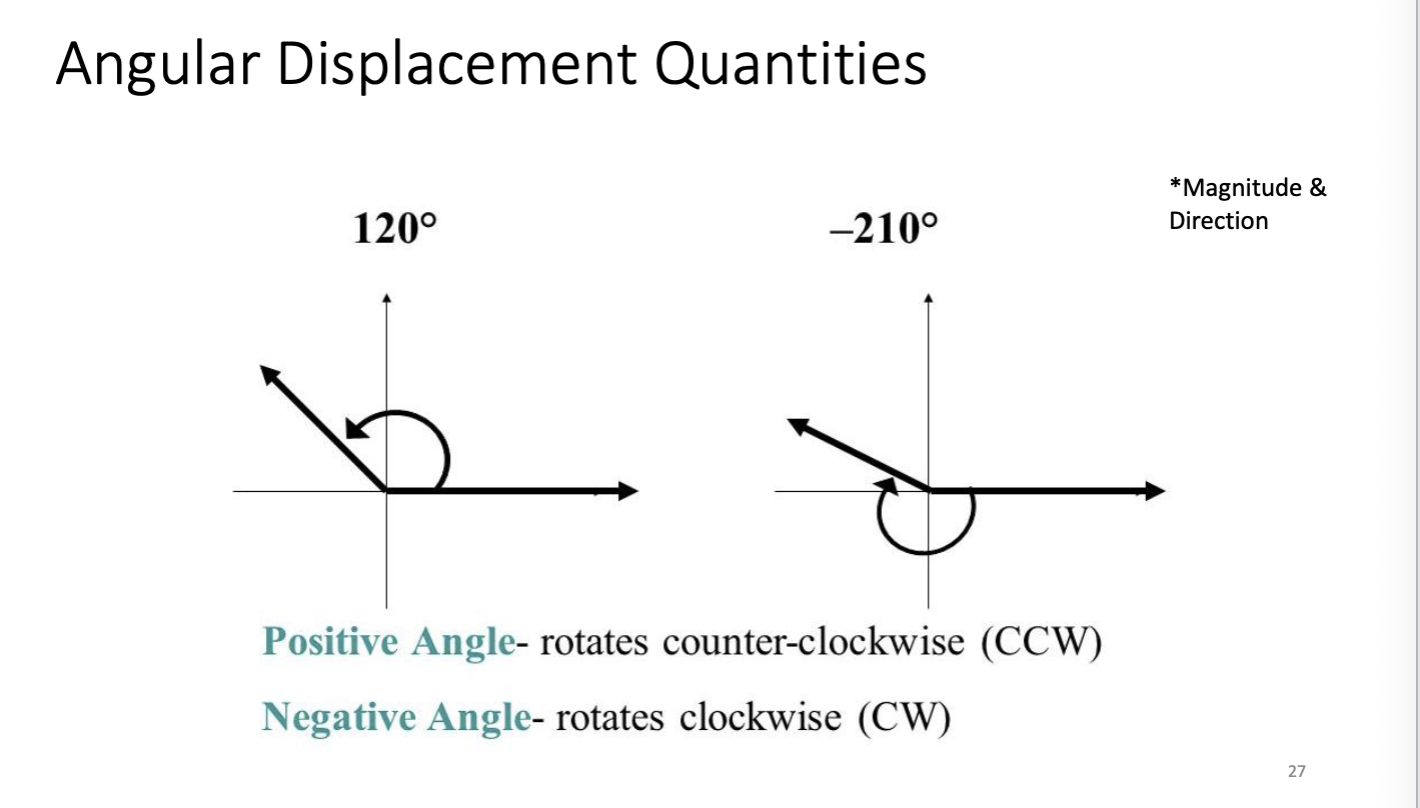
Angular Applications
— all parts of a body/object move along a circular path about an axis
exactly in the same angle
in same direction
in the same time