Year 10 Chemistry Topics
Basis of Atom
Electrons
Protons
Neutrons
Outer shells
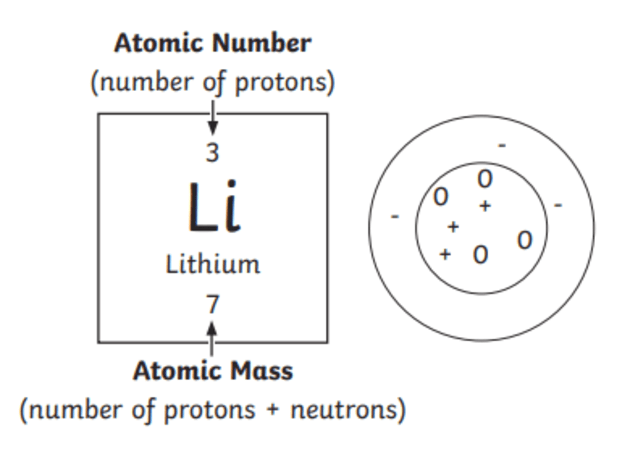
Atomic Structure
For example: Carbon
The atomic number for carbon is 6
The mass number for carbon is 12
Now to calculate — protons: 6 electrons: 6 neutrons: 6
12-6
(this is lithium not carbon)
Outer Shells
1st shell holds 2
2nd shell holds 8
3rd shell holds 8
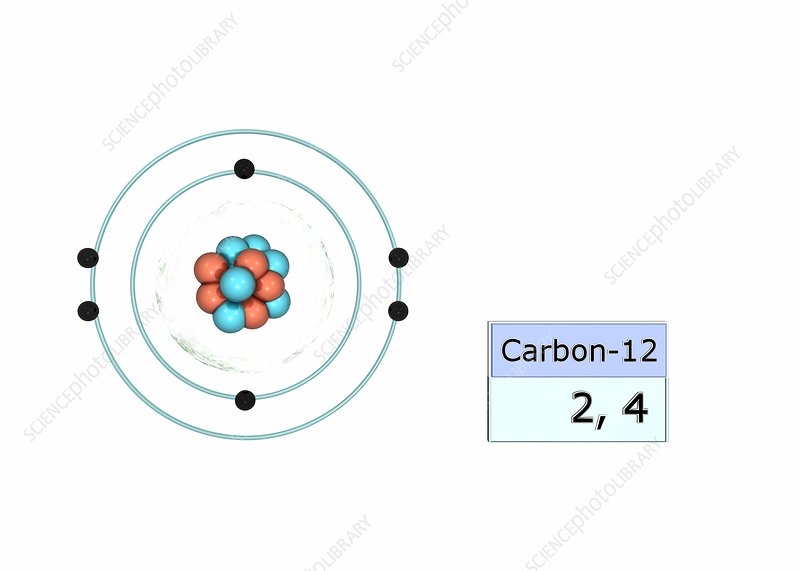
— Now let’s use Carbon as an example again
Carbon has 6 electrons,
First shell takes 2 —> now 4 left
Second shell takes up to 8, but only 4 are left —> so it gets 4.
So therefore, Carbon’s electron arrangement is: 2,4.
Displacement
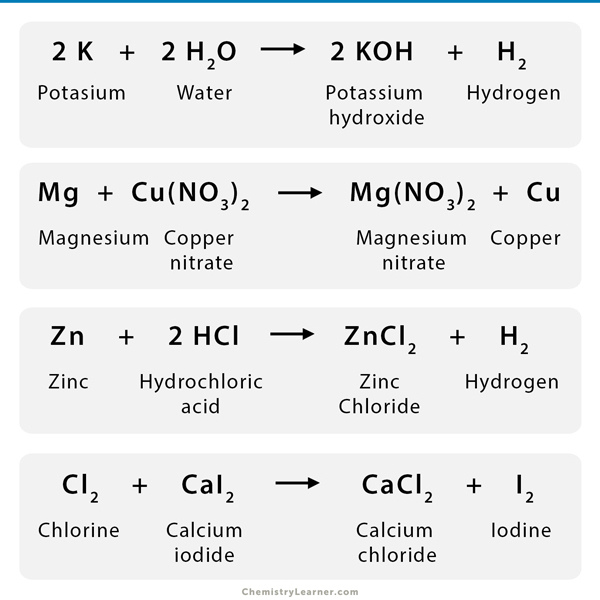
A more reactive metal will displace the less reactive metal from a compound
—> more reactive + less reactive compound
—> reaction happens
—> less reactive + more reactive compound
—> nothing happens, the less reactive metal will not displace the more reactive metal.
Example:
Zinc + copper sulfate
Zinc will displace Copper because Zinc is far more reactive than Copper.
—> Zinc sulphate + copper
(or write it as ZnSO₄ + Cu if you’re feeling cute)
However, if you try Copper + zinc sulphate,
Copper is less reactive than zinc, so therefore..
Nothing happens!