Influences of Social Media Part I
Social: Interacting with other people; sharing and receiving information (communication)
Media: Instruments of communication such as the Internet, television, and radio
Articulate Content Library
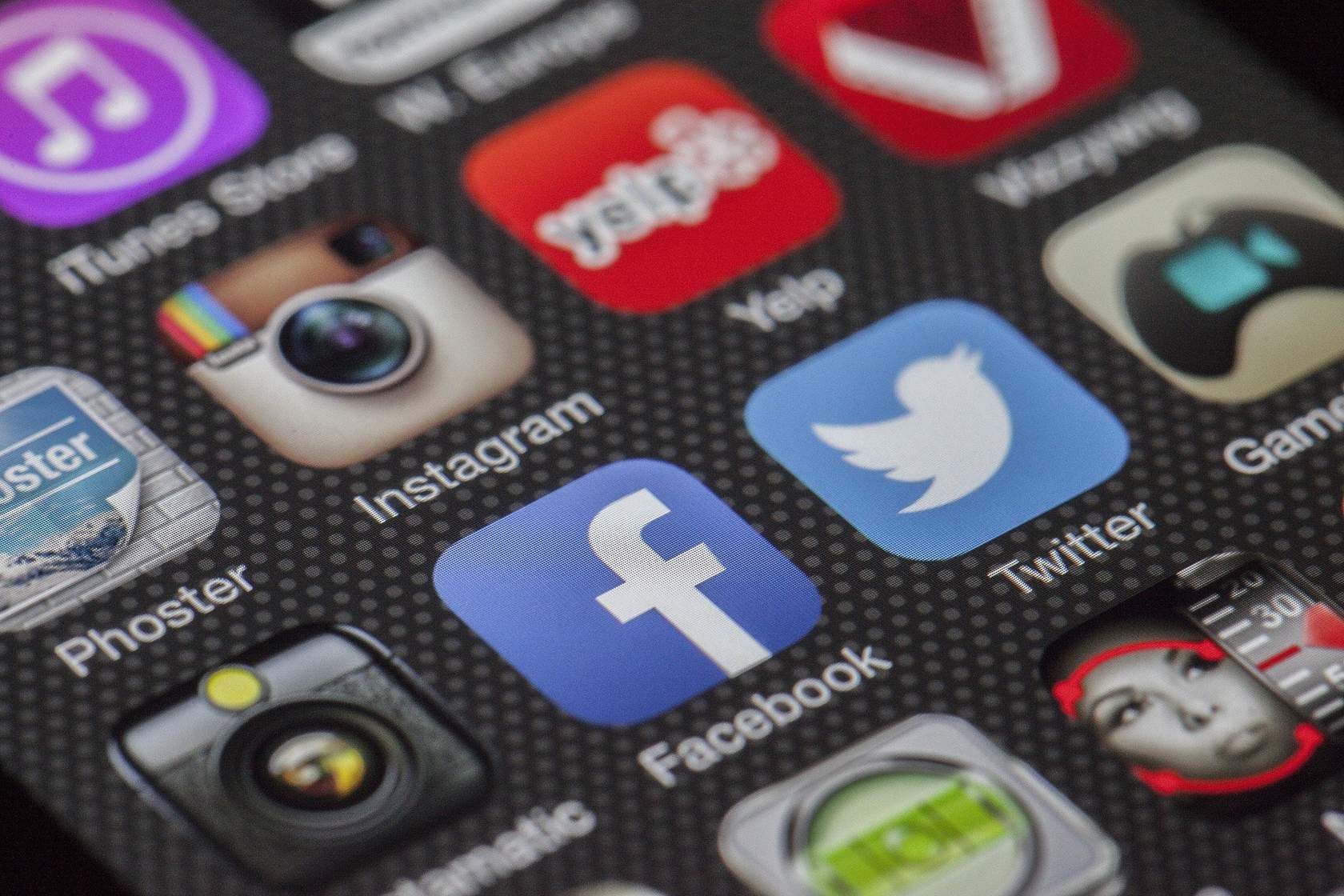
Market Business News states that social media is a collection of "web-based communication tools that enable people to interact with each other by both sharing and consuming information." Social media is a big part of society today, and it is a great way to stay informed and network with your family members, friends, and others. Some of the most popular social media and social networking sites include Snapchat, Instagram, TikTok, YouTube, Facebook, and Twitter.
Social networking sites are very popular. They are popular enough that they reach a global audience; people around the world use them to tell others what is going on in their lives. On social networking sites, people post life events with the hopes of receiving praise (in the form of "likes") from the world, which shows approval of what they are saying and doing. On sites like Facebook, you can "like" what someone posted. You can click on a button to display your emotions. You can say with a simple click, "I love that post," "I am sad about that story," "I am angry about that situation," "I am surprised about that outcome," or "I am laughing out loud at that post." Social networking sites are so important in society today (particularly among teens) because they provide an opportunity to "connect" and share with other people both near and far.
Social media is a collection of 'web-based communication tools that enable people to interact with each other by both sharing and consuming information.'
Market Business News
Social media is a collection of 'web-based communication tools that enable people to interact with each other by both sharing and consuming information.'
Market Business News
Social Media Features
There are many features common to social media sites. Some of the more common features include the following.
User accounts: The sites allow users to create their own (personalized) accounts that they use when logging in. Generally, a user is not able to share information or interact with other users unless he or she creates a user account.
Profile pages: These are pages that users create to tell about themselves. Each user has his or her own profile, and the types of information on the profile include his or her photo; where he or she lives; a brief biography; and his or her likes, interests, relationships, etc.
Friends, followers, groups, hashtags, etc.: The users "connect" with other people who have profile pages on the same sites.
News feeds: News feeds include information from friends, followers, groups, etc., with whom the user has connected. The news feeds also include advertisements and other posts that are "pushed" to users.
Personalization: This feature allows users to configure the settings and customize their profiles.
Notifications: These sites or applications (apps) notify users about specific information. Users have control over these notifications, and they can choose the types of notifications they want to receive.
Posting: Social media sites allow users to post just about anything they desire. If the users are not allowed to post, then it is not a social media site.
Comments: This feature allows users to comment on or share their own thoughts about posts made by other users.
Like buttons: Similar to comment sections, like buttons allow users to respond by merely clicking a button that says they like (or have another reaction to) what another user has posted.
Reviews, ratings, and/or voting: Several social media sites have features that allow users to review or rate certain posts, movies, etc., or vote in polls that are posted.

Articulate Content Library
Social networking sites are virtual communities. People often go to these sites so they can blog (keep a journal), chat, post photos and/or videos, and instant message (IM) with others. Social networking sites attract and appeal especially to teens because they are fast. Almost immediately, you can have a conversation with someone else anywhere in the world, or access a variety of games, activities, tools, and resources instantly. Social networking sites allow for real-time access and the ability to communicate. A person can customize his or her profile in a special and unique way, and the profile can be changed with just a few keystrokes or movements of a cursor.
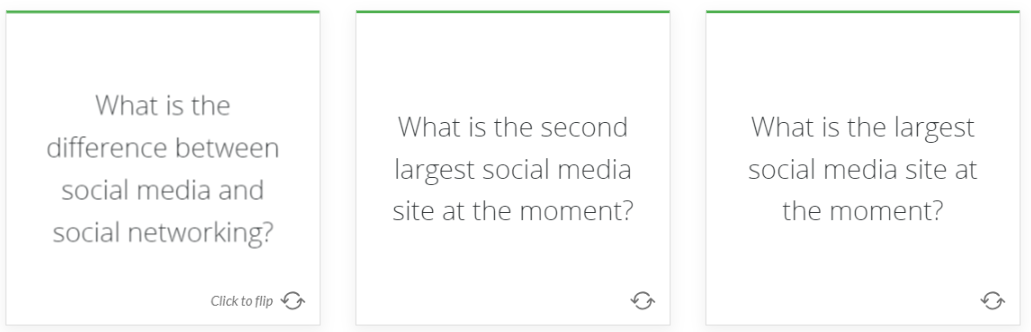
Difference between Social Media and Social Networking
Social media is a broader category that encompasses social networking and several other components, so social networking is just one part of social media. To help you better understand the difference between social networking and social media, it is probably easiest to just take the second word from each phrase: "networking" and "media."
Networking has to do with who the audience is and the relationships with the people in that audience. The network can include people like your friends, relatives, anyone from your past, classmates, coworkers, members of your church, mentors, and even complete strangers.
On the other hand, media is what you are sharing with those people. What you are sharing is information, and that information can be a number of things, such as a link to an article, a video, an animated GIF, a PDF, a simple status update, or anything else.

Articulate Content Library
Social media and social networking certainly do overlap, which is why it gets confusing for many people. For example, you can share media with your social network to get likes and comments. In contrast, you can upload something on a social networking site and do so just to voice your opinion without wanting any feedback or intending to make new friendships.
Top Social Networking Sites
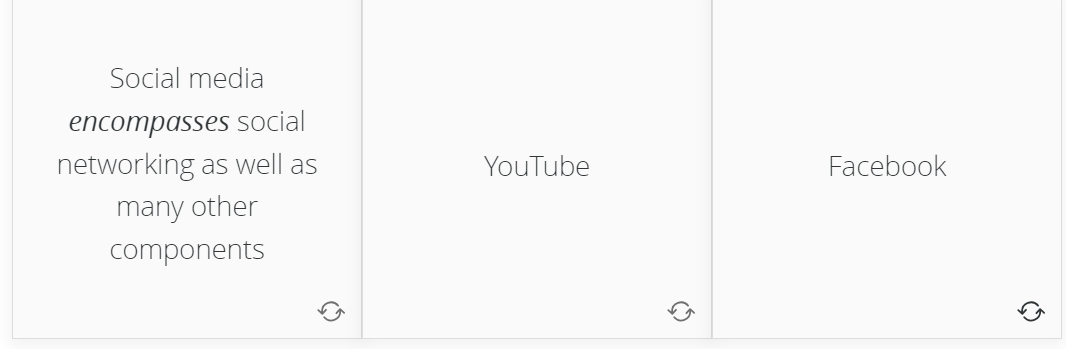
Facebook: 2.4 billion accounts
YouTube: 1.9 billion accounts
WhatsApp: 1.5 billion accounts
WeChat: 1.06 billion accounts
Instagram: 1 billion accounts
TikTok: 800 million accounts
Twitter: 330 million accounts
Reddit: 330 million accounts
LinkedIn: 303 million accounts
Snapchat: 301 million accounts