Week 4: Thinking Globally: A global imagination (Thursday)
1. From the Window of the space-ship
2. Mapping the whole earth - maps of meaning
3. The human and the natural at the global scale.
1: From the window of the space-ship
When the moon landing occurred people started thinking about earth as a whole.
Dennis Cosgrove in reference of ‘The blue Marble’ photo(1994): ‘Contested global visions: One world, whole earth and the Apollo Space photographs’
The blue marble picture was then onwards used a lot to emphasise the earth as one whole, that it was fragile and under threat.
The one image has been used by many corporations to advertise and market to people: i.e: Net zero emission goals etc, all people on one planet etc.
Has also been used in a political sense: Think of english artist Peter Kennard
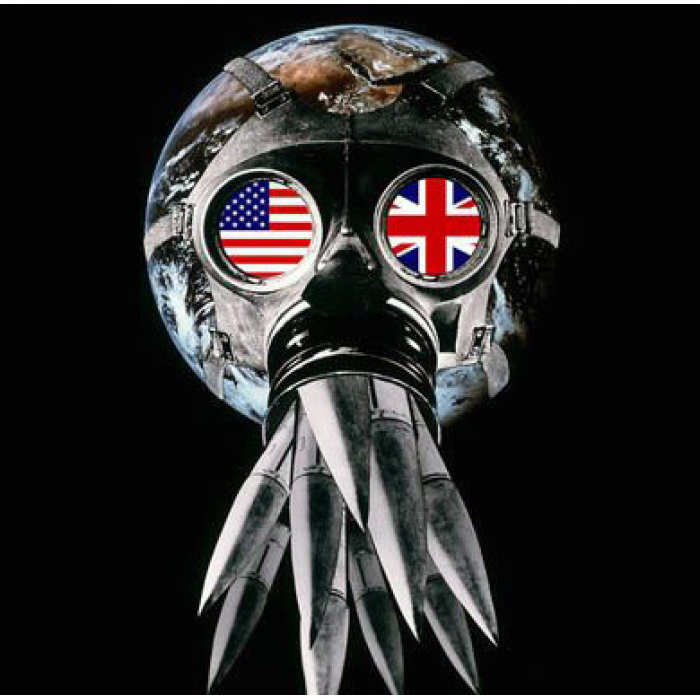
David Simon: ‘Trading space: imagining and positioning the ‘New’ South Africa within the regional and global economies’ paper
Summary:
-Globalisation can also be seen as a way of thinking - ‘A global imagination’
-Images of the earth, particularly those that showed the whole globe from space, stimulated this global imagination
2. Mapping the whole earth - maps of meaning:
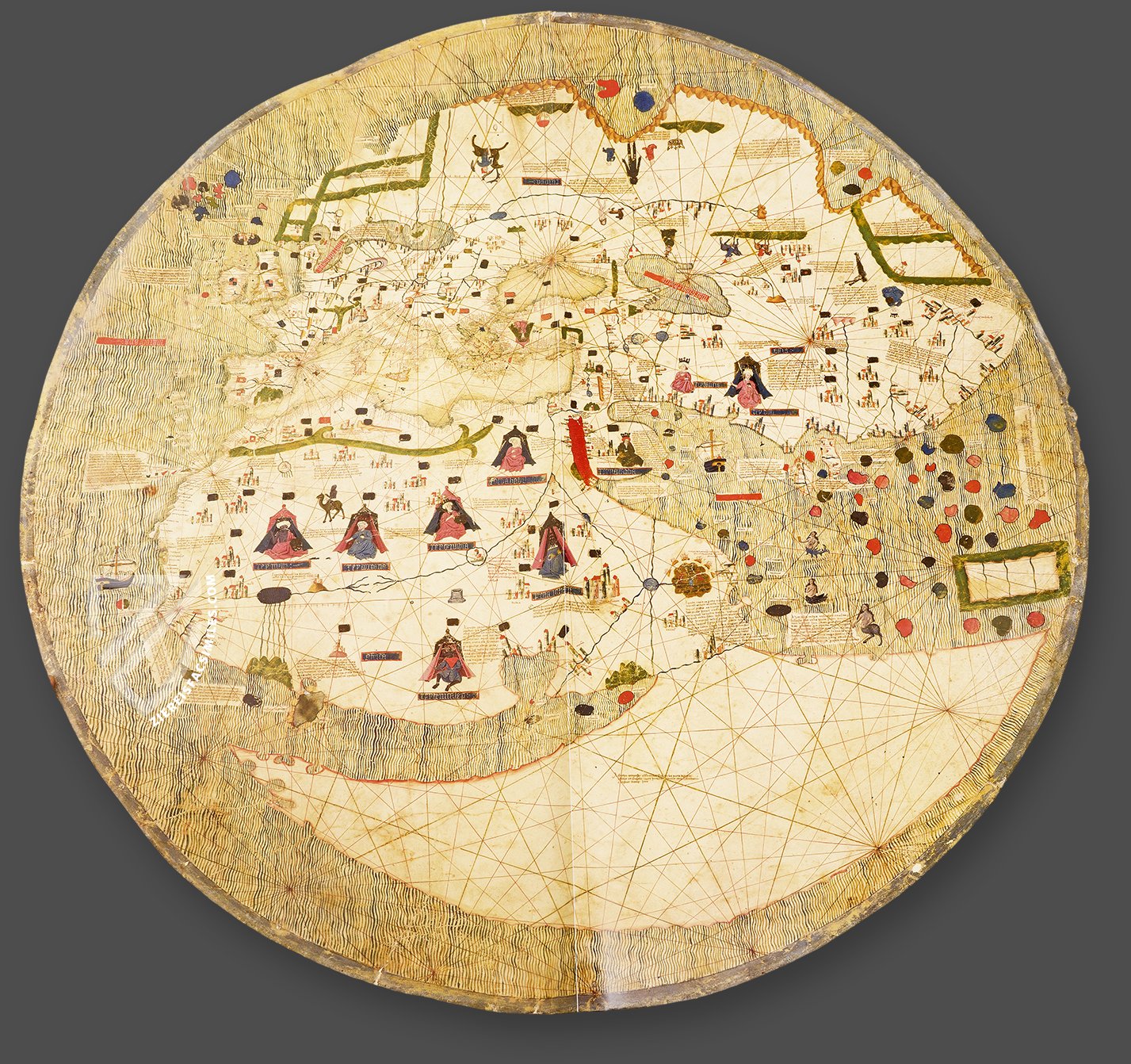
The centre of the map is Jerusalem, with the men of the nativity are highlighted on the map= religious map.
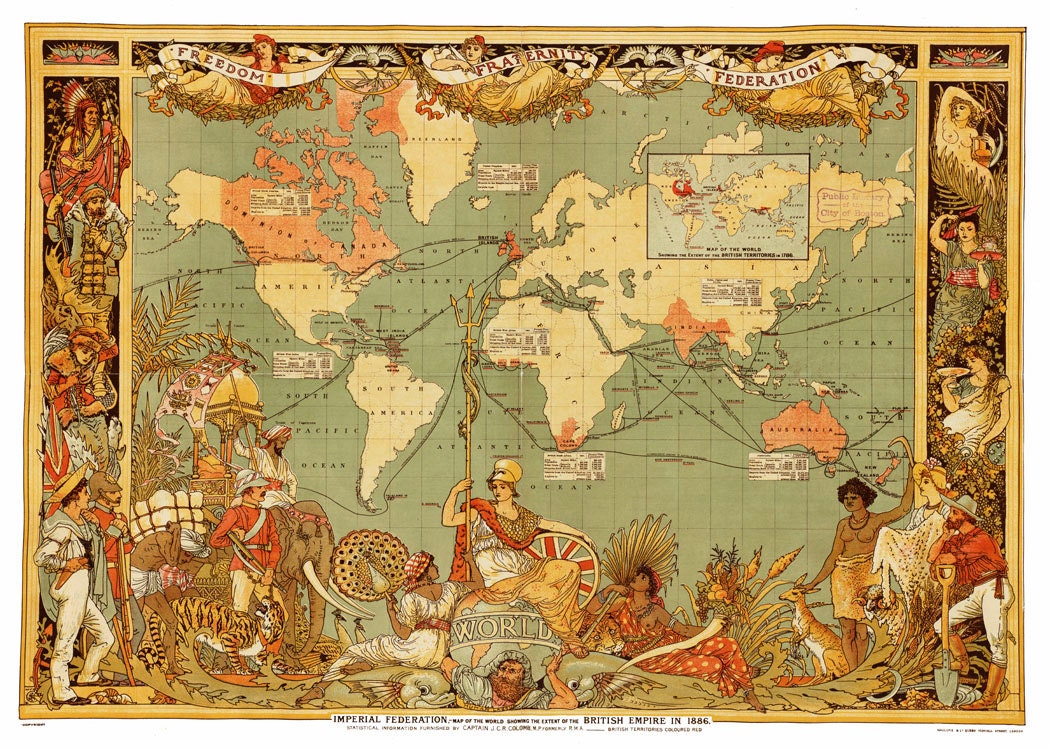
Felix Driver (2010): ‘In search of the imperial map: Walter Crane and the image of empire’
Maps are a way of seeing and understanding the human world, as full of meaning, as literally ‘world views’
3. The human and the natural at the global scale.
Rachel Carson: Silent Spring (1962): She wrote about how pesticides and other chemicals were harming the environment= spring being silent as in no birds etc.
Barbara Ward and Rene Dubos
Only one earth (1972)
An unofficial report commissioned by the Secretary-General of the United Nations Conference on the Human environment.
In the 1970s, people starting to think about the systems of earth and how they were all interlinked.
The Club of Rome
The limits to growth (1972)
The ‘carrying capacity’ of the earth: Just how much life can the systems of earth sustain. For example population increasing faster than the rate of food being produced or other resources. This links to
Malthusianism: Named after Thomas Malthu’s Essay on the theory of population 1809
The Anthropocene- The human and the natural as a global epoch