The interconnectedness of Literacy, Language, and Identity
Language use relates to identity
language affirming classrooms
sharing literate identities
Social cultural and personal identities intersect with literacy development and
share our literacy identities to improve development
idenitty helps us see who we are and what groups we belong to.
peers and teachers give us feedback and evlauative feedback on these aspects of ourselves
words are critical to these identities, and being understood and he lnaguage we use help define who we are
the way we think about ourselves
the way you are perceived by the world
the carhacterices that define us
facets of who we are that may seem contradictory actually overlap, contrast in nuanced adn beautiful ways, and complicate and make us fulfilled
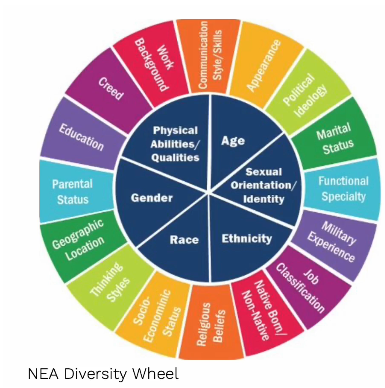
With identity, never reduce someone to just one of any of these things or any one part of themselves
we have identities as readers, writers, speakers, and listeners
these are literate identities
the ways that people construct themselves as user of language across contexts and time
they are malleable and can be changed
can change students detrimental views of themselves
reading, writer, and speaker identity
feeling of ability and confidence comprehending different types of texts
values placed on reading and communicating and what it means to do that successful
how others perceive you as a reader, speaker, writer
just as complicated as any other identity
also should not be reduced to one aspect of it
reading can be anything
recipes, social media, new stats on sports or shoes, checking emails, music, games
How is identity connected to the way we read, write, or speak
how to use these connections as a teacher
get to know students, share what challenges you overcame, how they can be built up, how no one is perfect and how material is personally important to each of us
what to be self aware of when teaching literacy and language
can share aspects of thier own identities to rpomote and exemplify one method of success
Talking Black in America Video
language stems from legacy of history and survival from histroice past
can be seen in a positiev aspect or very negatively
language patterns shape and are shaped by identities
has its own unique grammatical vocabulary and accent features
Beings the identity
language of the street
a sound and a rhythm that brings togetherness and family and feeling found and understood and communicating a feeling
not identifying by an experience,
separating this from a culture and knowing the different aspects of the culture. Some parts can be harmful, as with any culture
Our country in a lot of ways lacks cutlure and wasnt individualism and equality over equity theres environment which influences, no matter the race.
Historically culture is geographic, but racism in the past has made that not to mention literacy…can keep the meat and spit the bones because
codeswitching is like
I talk in my like original vernaciluar and more annunciated interchangeably no matter where I am. With frineds others woudl but they accept me without like trying to take my culture or I have close friedns from all political backgrounds, as well, genuinely. WHo love me for me and accept me and understand me and vice verse and I do have friends I relate to more.
poetic language, such as william faulkner
being understood. If I go
time and place is ok. I wouldn’t talk like that right awat or always in super serious scenarios like a solemn meeting with a new employer or team. I think it can also hinge on offense and geography. You may barely understand what someone is saying from England than Michigan to Alabama to here. Especially when you realize not all british accents are pretty and do not sound the same at all.
I see it as saying soemthing with much cpnviciton and when im comfortable with someone.
agendas being pushed, like in music.
You can do taht without being vulgar. it shoudnt be seen as the same thing, bc its not.
or when I speak Spanish vs. English and the prhases and tone changes
Honoring Identities in Lang Affirming Classrooms
193: Creating Language-Affirming Classrooms for Code-Switching Students (podcast)
home language is a different lang or a diff culture or dialect from others
if you dont want to understand others…that is also a problem imo
Andrea Castellano
standardized English vs. Conventions of language and culture and nuanced and new grammar with different meanings…it isn’t always a struggle to keep u but it has a different meaning, tone, etc.
structuring interaction like give them resources like here are some sentence stems for you to use
if students don’t have what they need to connect, making vocab and experience to connect, can provide resources to help them connect
means of delivery teaching
station teaching
let students to see which station is best for them and helps them learn the best, meaning it needs to be challenging and maybe have a diff way to get the solution for each person. It also teaches students how to study
station is the same thing but in different ways
Give agency to use language in a way that makes sense to them…such as making the connections that make sense to them, doesn’t have to be typical experiences or career desires
don’t wanna lean on crime to make money or become secure
mindset is important to be open and welcome others and have a collaborative environment
Don’t abuse it as a power dynamic to solidify stereotype threat
This week’s prompt:
How has your own identity shaped your language use and literacy development (in educational settings or elsewhere)? You are welcome to share a memory of a moment that impacted the development of your identity related to reading, writing, speaking, or some other language use. How do your own experiences relate to or complicate ideas from this week's content resources?
What have you learned about the ways in which language serves to provide both access and barriers--in life and/or in educational settings? Why does what you've learned matter to you personally and/or professionally?
response:
copy from post after u get done with part 1
Language can provide access to belonging to certain groups--or barriers to belonging..this is such a powerful statement