Engage: Self-Concept and Identity Formation
Learning Objectives
Discuss the components and theoretical constructs associated with self-concept and identity formation.
Explore the stressors that affect self-concept.Carl Rogers’ theory of self-concept proposes that self-concept encompasses three components: self-image, self-esteem, and the ideal self. Other factors influencing self-concept include cultural and societal factors, body image, role expectation, and role performance. Erik Erickson’s theory of psychosocial development includes eight stages, each of which is associated with a unique crisis that, when successfully resolved, leads to psychological growth. James Marcia identified four identity formation phases that influence the development and dynamic evolution of self-concept, particularly during adolescence.
Self-Concept Defined
Self-concept is an important psychological concept that focuses on how individuals view and evaluate themselves. It encompasses their beliefs, values, and perceptions about their abilities, personality traits, social roles, and connections with various social groups, among other identity aspects. Self-concept begins to form in early childhood and continues to evolve throughout a person’s life. People regularly refine and adjust their self-concept based on new information and feedback. Positive experiences and achievements can enhance self-perceptions and boost self-esteem, whereas negative experiences or failures can weaken self-concept and lead to self-doubt. Self-concept influences more than just a person's internal thoughts and beliefs. It also impacts their behavior, choices, and interactions with others. Individuals tend to act in ways that align with their self-concept and seek validation from others to reinforce their self-beliefs.
Various aspects of self-concept influence the way people judge themselves. First, self-concept is a learned behavior. In other words, self-concept or self-perception is a dynamic process that is developed as a person grows, and is shaped and altered by environmental factors, socialization processes, and cultural considerations. As individuals experience and respond to new life situations and challenges, self-perceptions may change based on the knowledge they have about themselves. However, although they may hold more than one view of themselves (kind, caring, amusing, resourceful, stubborn), these different perspectives are generally organized into one overarching self-concept. This perception, though certainly changeable, may last for a long time.
A healthy sense of self is necessary for overall mental, emotional, physical, and spiritual wellness. Individuals with a positive self-concept possess a level of confidence that helps them set and achieve realistic goals that when accomplished, reinforce their positive self-concept.
Rogers' Theory of Self-Concept
Rogers’ theory of personality primarily centers on the idea of the self or self-concept. Broadly speaking, self-concept is described as an individual’s inclination to behave in ways that fulfill their potential and promote their personal growth. This involves distinguishing and symbolizing a set of experiences in conscious awareness as self-experiences, which collectively form the individual’s self-concept.
Self-Image
Self-image refers to the way an individual views their unique qualities such as genetic and physical characteristics (eye color, hair color, height, weight). It is a personal view, that we have of ourselves and includes our idea of our intelligence, beauty, talent and things that we consider assets or weaknesses. A person’s self-image may not always be congruent with reality. When an individual accepts a realistic self-image, there will be a change in perception of others and an ability to recognize that their self-image affects their thinking, how they feel, and their behavior. For example, a person may view the self as kind and caring, while others see that person as harsh and unpleasant. Self-image affects how a person thinks, feels, and behaves.
Self-Esteem
Self-esteem (self-worth) refers to the assessment of a person’s overall level of self-worth and how people feel about themselves. When individuals feel capable, valued, and worthy, they experience positive or high levels of self-esteem; when they feel inadequate, devalued, and unworthy, they experience negative or low levels of self-esteem. Self-esteem is normally highest during the preschool years, but then gradually declines as children gain life experience and compare themselves to others. By early adolescence, self-esteem has generally stabilized; however, it becomes more differentiated as children transition through adolescence. For example, an adolescent may feel well-liked by peers, but inadequate in their parents’ eyes. Conversely, an adolescent may feel valued and loved by parents but disliked by peers and classmates.
The way people feel about themselves can be the difference between struggling and succeeding in life. Having a healthy self-esteem can lead to goal achievement and foster a positive attitude. Although self-esteem is a trait that remains relatively stable over time, its levels may vary from day to day depending on how we are accepted or valued by others.
Ideal Self
ideal self= What a person desires to be (strong, intelligent, respected, appreciated).
The ideal self is what a person desires to be (strong, intelligent, respected, appreciated). According to Rogers’ theory of self, individuals aspire to experience, feel, and behave in ways that are consistent with their self-image and reflective of their ideal self. Self-concept congruence occurs when one’s self-image, self-esteem, and ideal self are aligned and consistent with one another. Sometimes, however, there is a misalignment or a lack of consistency between one’s self-image, self-esteem, and ideal self—a state known as self-concept incongruence. This incongruity can negatively impact one’s self-concept, lead to internal confusion, and produce feelings of uncertainty. While it may be impossible to achieve perfect congruence, greater congruence can lead to self-actualization, which is the ability to become the best version of oneself.
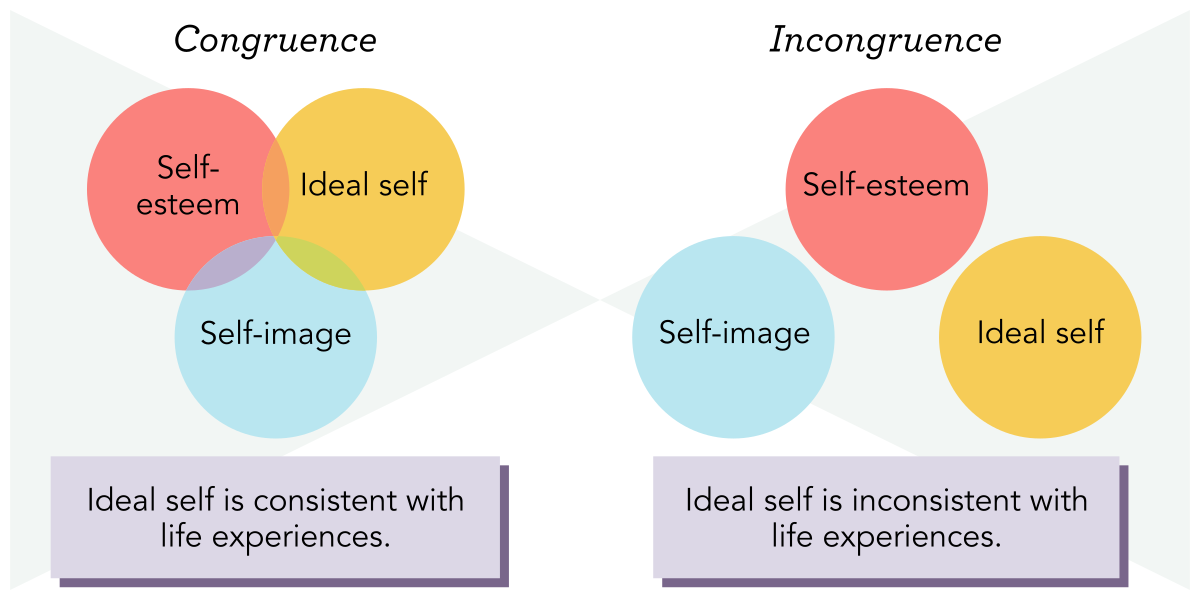
Congruence and IncongruenceCongruence occurs when a person's ideal self is consistent with their actual life experiences, and incongruence is when it is not consistent.
Other Factors Affecting Self-Concept
Self-concept involves a combination of many factors. In addition to self-image, self-esteem, and the ideal self, other factors that influence the development of self-concept include emotional intelligence (EI), self-awareness, body image, self-efficacy, culture, and role performance.
Emotional Intelligence
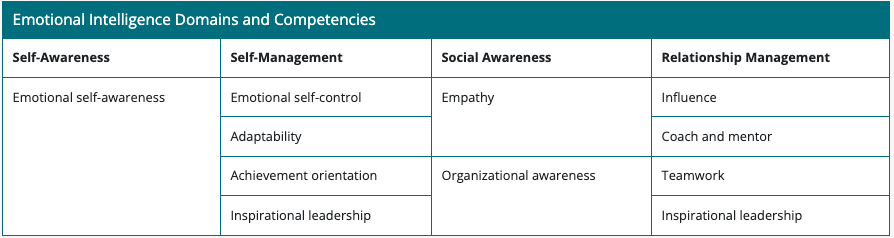
EI develops when an individual is able to perceive, understand, control, manage, and evaluate emotions. According to researchers, EI includes five key elements: self-awareness, self-regulation, motivation, empathy, and social skills. Individuals with a high level of EI demonstrate a strong sense of self-understanding and an ability to discern the emotions of others. EI has five competencies: self-regulation, motivation, empathy, social skill, and self-awareness. Researchers have also identified four domains of EI—self-awareness, self-management, social awareness, and relationship management—and 12 competencies of EI in action.
emotional intelligence (EI)
As shown in the following image, EI includes five domains: self-awareness, self-regulation, motivation, empathy, and social skill. Self-awareness is the ability to know one’s emotions, strengths, weaknesses, and drives, as well as their effect on others. Self-regulation is the capacity to manage one’s emotional state, or more simply the ability to think before acting. Motivation refers to the passion and persistence that guides and facilitates reaching one’s goals. Empathy is the ability to understand and appreciate emotions, needs, and concerns others. It includes using this knowledge to guide our behavior. Social skill is the ability to manage relationships, find common ground, and build rapport.
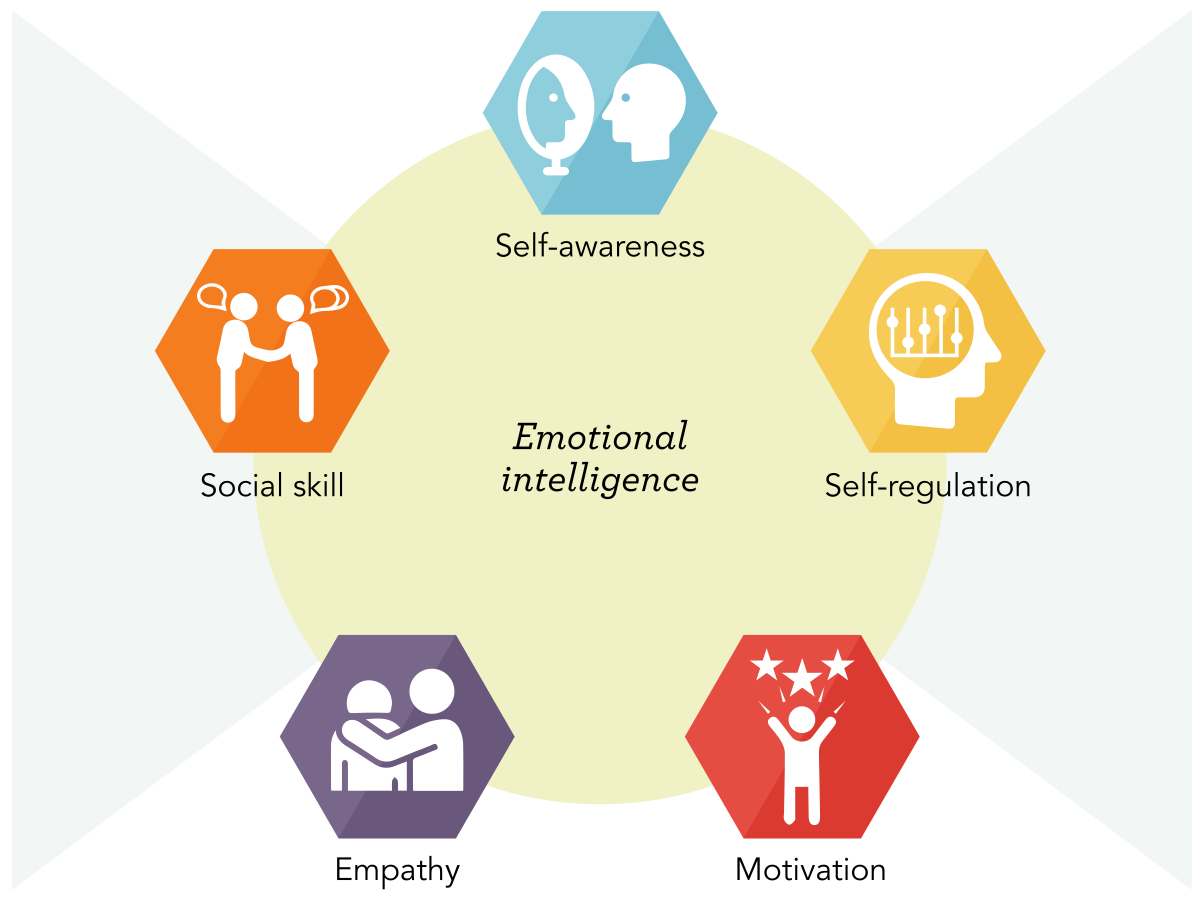
Domains of Emotional IntelligenceEI develops when an individual is able to perceive, understand, control, manage, and evaluate emotions.
Emotional Intelligence Practice Activity
For this activity, perform an Internet search for free emotional intelligence (EI) assessments that you can take. You will find several types of EI tests, ranging from long, in-depth tests with detailed feedback to quick assessments. Examples include tests from Psychology Today and MindTools. After completing the EI test, use the information to respond to the following questions.
Summarize your EI self-assessment report.
What did you learn about yourself after taking the EI test?
Which aspects of your EI test were most significant to you? Explain your position.
What aspects of your EI test would you like to change or improve? How might you go about making these changes or improvements?
How is EI related to becoming an effective nurse? Explain your position on this statement.
Self-Awareness
Self-awareness plays an important role in the development of EI and self-concept. Self-awareness is the ability to see oneself clearly and objectively through reflection and introspection. While it may not be possible to attain total objectivity about oneself, there are various degrees of self-awareness. More specifically, self-awareness is the ability to understand our emotions and their effects on others, to know what we are feeling and why, and to sense how we are perceived by others. Being self-aware requires individuals to possess an accurate reading of their strengths, limitations, and clarity of values and purpose. Becoming more self-aware heightens our ability to self-regulate, as well as to adapt and be resilient.
One way to enhance self-awareness is by stepping back and looking at a situation as others might perceive it—that is, by observing a situation through the eyes of others. Showing genuine interest and asking others to share their thoughts, feelings, perceptions, and experiences is one of the most efficient and direct ways to develop awareness and understanding. Other techniques to enhance self-awareness include constructing and deconstructing our life story to better understand how events and experiences have impacted our perceptions and beliefs. Listening carefully to understand, practicing empathy, seeking to understand other points of view, keeping a reflection journal, completing self-assessments and aptitude surveys, and asking for feedback are also helpful ways to heighten self-awareness. Practicing self-awareness allows individuals to see situations from the perspective of others, thereby encouraging acceptance, improving communication.
Body Image Video
Video Transcript= Body image, or the way an individual feels, perceives, and thinks about their body, can have a significant impact on self-concept.
Those who have a positive body image will likely have a positive self-perception, while those who have a negative body image are at risk for having a negative self-perception, or self-concept.
An individual's body image is not static, meaning it does not always stay the same. Body image changes over the lifespan and may move back and forth between being positive and negative.
How an individual feels about their body at any given time can be impacted by a variety of factors, including social norms, weight gain or weight loss, alterations in health, and expected developmental changes.
While perceptions of body image change continuously throughout life, they often change most dramatically during adolescence. During this time, individuals experience the rapid physical changes associated with puberty and may also feel pressure to fit what is considered normal within their culture or society.
Nurses must maintain an awareness that what society views as normal and attractive is often different from what adolescents experience during puberty. For example, adolescent females who do not have a lean yet curvy appearance may develop a negative body image, which can affect their overall self-concept.
As a result of trying to achieve body types portrayed as attractive by media and society, adolescents may develop eating disorders such as anorexia nervosa and bulimia nervosa.
Physical changes that occur during late adulthood can also have a significant impact on body image and self-concept. As individuals age, hair begins to thin and turn gray, muscle mass and functional abilities decline, and many experience changes in skin elasticity and body shape.
If older adults are unable to accept these changes as a normal part of aging, they may experience sadness and depression as a result of a negative body image and self-concept.
In addition to expected physical changes that occur across the lifespan, situational changes can also have a significant impact on body image. These changes may include scarring following surgery, paralysis after a spinal cord injury, or amputation resulting from a traumatic injury or illness.
When these unexpected changes occur, clients are at risk for alterations in body image perception, leading to decreased self-esteem and self-concept.
Individuals who have a positive perception of their body image often have a positive self-concept and improved psychological well-being. These individuals tend to demonstrate a more positive attitude, along with increased self-esteem and self-confidence.
To promote a positive body image, nurses must first understand how the client views themselves. During an assessment of body image, the nurse should ask open-ended questions that encourage clients to share their thoughts and feelings about their bodies.
Examples of these questions include:
How would you describe your physical appearance?
What aspects of your body or physical appearance do you dislike or wish you could change?
The nurse should consider the client's developmental stage and physical condition at the time of assessment.
After assessing the client, the nurse should follow the steps of the nursing process and develop individualized interventions based on the client's responses and needs.
It is important to remember that an adolescent who is struggling to fit into societal standards will require very different interventions than an adult client who has lost a limb due to a traumatic injury.
Body image relates to one's feelings, perceptions, behaviors, and attitudes toward one’s own physical appearance. Factors such as body size, together with characteristics such as low self-esteem, depression, perfectionism, social influences, and interpersonal interactions, contribute to the development of body image.
Body image development is not a static event, but rather a dynamic process that changes over the lifespan. Human growth and developmental changes influence how a person views the body image. Most individuals have some degree of dissatisfaction with their body image; however, adolescents are particularly. vulnerable to body dissatisfaction due to the social, physiological, and psychological changes they are experiencing. The many changes that take place during puberty are considered some of the most rapid and diverse that occur in the human body—for example, changes in height, weight, body composition, body shape, and primary and secondary sex characteristics. These physical changes coincide with greater exposure to societal and cultural ideals of attractiveness. An individual's perception of their body in relation to sociocultural context, currently influenced by mass media, plays a role in shaping body image.
For adolescent females, cultural expectations portrayed in the media often emphasize being thin and lean with large breasts. In turn, changes with puberty exacerbate gender differences, including some personal characteristics such as increases in body fat, which can negatively impact an adolescent's body image. Dissatisfaction with perceived body size and weight and a desire for thinness may prompt the adolescent to engage in excessive weight control behaviors, which may then lead to eating disorders.
Adolescent males are not immune to body image concerns during adolescent development. Boys who mature early who experience increases in height and muscle mass are often perceived as being closer to the many cultural expectations of being tall and muscular. By comparison, boys who mature later, and who have not achieved body ideals for men by socially accepted standards, report greater body dissatisfaction than their peers who mature earlier.
Adolescent transgender youth describe their school environments as exclusionary and often report feeling isolated. They do not find school-based sexual health education helpful because of a lack of relevant information, negativity toward their sexuality, and inadequately trained teachers. Transgender youth report facing challenges to accessing culturally competent and gender-affirming health care, such as a lack of provider knowledge of transgender issues and inconsistent use of chosen name and pronouns.
Later in life, adults may experience chronic diseases, along with the physical effects of aging, including loss of body fat, muscle, and bone mass. Adults may experience these aging processes within a society or culture that places a high value on a youthful appearance, with these perceptions then shaping their body image. While some adults accept these changes as part of the normal aging process, others may feel pressure to conform to societal expectations of beauty and youth, which may detrimentally impact their psychological and physical well-being.
Situational and health-related factors also affect body image and self-concept. Health alterations such as acne, obesity, spinal cord injury, amputation, surgical scarring, and loss of a body part or function can impact both self-esteem and self-concept. These physical changes can cause clients to experience stress and anxiety, which can lower their self-esteem and self-confidence. Clients who report a distorted or negative body image can experience health conditions such as eating disorders, anxiety, and depression. Conversely, greater body appreciation is associated with better psychological well-being.
Self-Efficacy
Within Bandura's social learning theory, self-efficacy refers to a person’s perceived ability and aptitude to successfully complete a task. Self-efficacy beliefs determine how individuals feel, think, behave, and motivate themselves. The development of self-efficacy stems from four sources: cognitive, motivational, affective, and selection processes. A strong perception of self-efficacy heightens the sense of accomplishment, promotes task mastery, and fosters persistence when faced with failure. Heightened levels of self-efficacy also reduce stress and lower vulnerability to stress-related conditions. Conversely, people with lower levels of self-efficacy often doubt their abilities and, in consequence, avoid taking on challenging tasks and situations. They tend to have low aspirations, demonstrate a weak commitment to the goals they choose to pursue, and give up quickly when facing difficulties in their lives.
Clients with higher levels of self-efficacy are better able to manage their health conditions with less stress and anxiety. Nurses need to consider the client’s level of self-efficacy when designing nursing interventions and the plan of care. As an example, Yuan & Yuan implemented self-efficacy nursing interventions with clients undergoing percutaneous coronary intervention. Interventions included ongoing education, emotional support, family involvement, and group activities for ostomy care to build competence and social support. The self-efficacy nursing interventions improved clients’ self-care abilities, rehabilitation techniques, and overall quality of life.
Culture
Nursing theorist Madelyn Leininger defined culture as the “learned, shared and transmitted values, beliefs, norms, and lifeways of a particular group that guides their thinking, decisions, and actions in patterned ways”. Beginning at birth, cultural background, attitudes, values, and beliefs act synergistically to influence perceptions of body image and the development of self-concept. Culture shapes an individual’s worldview and influences beliefs about health and illness. Learning about, understanding, and integrating one’s culture occurs throughout the lifespan; individuals who have effectively integrated their culture into their life tend to have a healthier self-concept. Feeling aligned and comfortable within the context of one’s culture can act as a protective factor against cultural biases and stereotypes projected by social media outlets, magazines, movies, and other forms of cultural influence.
Because differences inevitably exist both within cultures and within families of the same culture, nurses must not assume that all clients from a specific culture or ethnic group share a common cultural experience. Understanding culture helps us understand human behavior and the critical role that culture plays in helping nurses provide culturally sensitive client-centered care. Nurses must also be aware of the ways their own culture influences their experiences with and expectations for clients.
Role Performance
A role is a set of expected behaviors determined by family, culture, and societal norms. Roles are influenced by one’s upbringing, education, relationships, occupation, and life experiences. As individuals transition through various life stages from birth to death, they perform many roles, such as child, adolescent, parent, colleague, or spouse. Individuals fulfill simultaneous and multiple roles, each of which comes with a set of expected behaviors. For example, the reader of this text is in the role of learner while concurrently performing other roles, such as child, employee, and friend. To successfully perform multiple roles, a person must understand and adapt to the expected role behaviors and be able to meet the role requirements.
Role performance includes the specific behaviors that a person displays within each role and the perceptions of their ability to successfully fulfill the roles. It includes taking relevant actions to effectively execute the tasks of a specific role. How an individual manages role changes, such as parenthood and retirement, or health alterations, such as injury or illness, can affect self-concept. Successful achievement of role changes and expectations leads to a heightened sense of self. Conversely, individuals who fail to meet role expectations often experience decreased self-esteem and diminished self-concept.
Development of Self-Concept
The development of self-concept is a complex, multifaceted process that begins in infancy and continues throughout the lifespan. Notably, self-concept grows the most between early childhood and adolescence. Erikson's theory of psychosocial development includes a series of eight stages of psychosocial development that occur between birth and death. According to Erikson, each stage of psychosocial development includes a unique crisis or dilemma that builds on the tasks of the previous stage. Successful resolution of the dilemma at each stage leads to psychosocial growth and a positive sense of self. If the dilemma is not resolved, passage through that stage of psychosocial development is delayed, which may limit the individual’s ability to resolve future dilemmas.
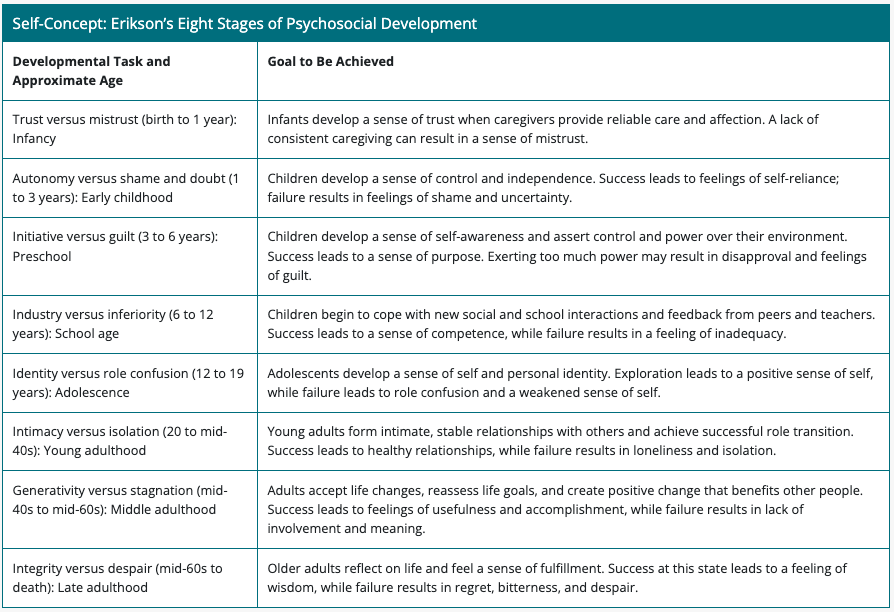
While all stages of psychosocial development are important to self-concept, adolescence is a critical period for the development of identity and self-concept. The sense of self established during adolescence is often the basis for one’s self-concept for the remainder of life.
Identity Formation
Identity formation is a complex, lifelong process whereby individuals develop an understanding of themselves within the context of family, cultural, and social norms. Though often viewed as a primary developmental task of adolescence, identity formation is actually an ongoing process that continues throughout adulthood. Changes in individual roles, such as parenthood and career, combined with changes in cognitive processing due to aging, support a lifespan view of identity formation. Erikson described identity formation as a lifelong process beginning at birth and extending throughout the lifespan. Marcia's identity status model is an important elaboration of Erikson’s views on identity formation.
Identity Formation in Adolescence
During the adolescent years, teens experiment with different roles, personas, and identities. To accomplish the developmental task of identity formation, adolescents actively explore, evaluate, and select roles and values for their adult lives. During this exploration period, adolescents may appear unpredictable and rebellious as they actively try out different identities and possibilities for self-definition. James Marcia elaborated on Erikson’s theory and proposed that identity formation in adolescence is better understood as the extent to which one has both explored and committed to an identity in a variety of life domains, including ideology, occupation, relationships, and gender roles. According to Potterton and colleagues, identity issues become prevalent during late adolescence when the necessary physiological, cognitive, and social expectational factors are present. Individual, familial, and societal expectations prompt the adolescent to make occupational and ideological commitments that will bridge the gap between the dependency of childhood and the interdependence of adulthood. One’s identity continues to be reworked at various phases of the lifespan. In other words, identity is not fixed, and the first identity is often not the last. Marcia described four identity statuses based on the dual criteria of exploration (active searching) and commitment (demonstrated investment) in important life areas.
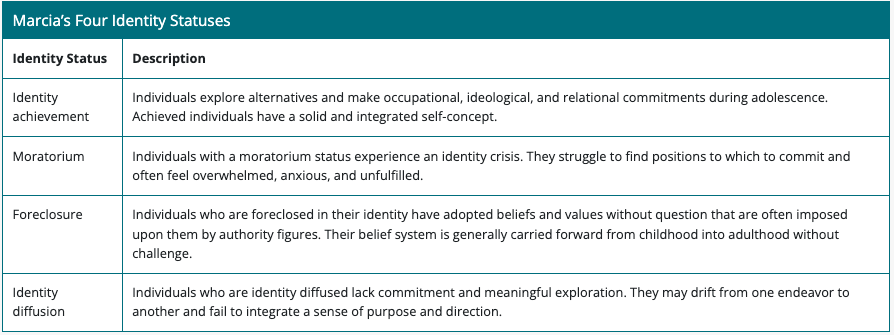
Identity formation is an integral part of self-concept development and is most intense during adolescence. Marcia’s theory of identity formation underscores the need for exploration and commitment; the extent to which an individual explores identity alternatives and makes a commitment to the chosen alternatives serves as the basis for identity formation.
Stressors Affecting Self-Concept
Any real or perceived stressor has the potential to affect self-concept, which in turn can affect one’s health status and ability to function. Positive and negative self-assessments of physical, emotional, intellectual, and functional abilities change and evolve throughout the lifespan, and subsequently impact the development of self-concept. In particular, changes in appearance, cognitive function, intellectual abilities, and alterations in physical and emotional health influence self-concept. Likewise, illness, disability, and other health alterations affect body image, self-esteem, and identity. Experiencing a change in health status requires an individual to adjust to the new condition and develop a renewed self-concept. A self-concept stressor is an event or perception that has a negative impact on how a person perceives themself. For example, prolonged exposure to stress at work can lead to burnout and loss of a positive self-perception of professional identity, which can result in a negative self-concept.
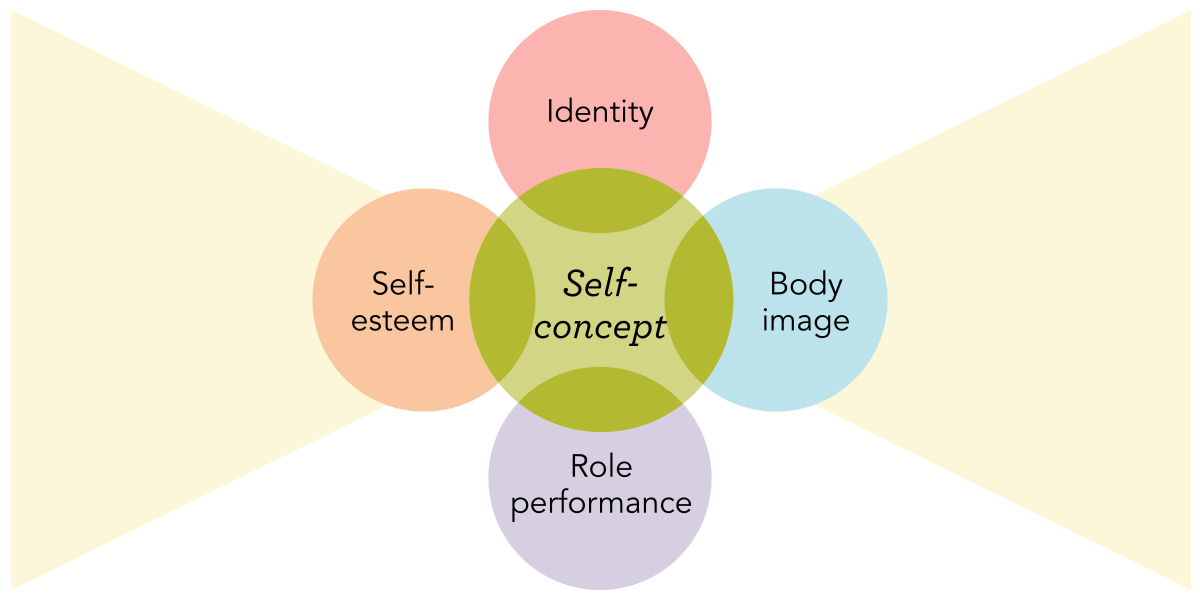
Self-Concept StressorsA self-concept stressor is an event or perception that has a negative impact on how a person perceives themself.
Identity Stressors
Each person has a unique identity that develops throughout the lifespan, which distinguishes them from other individuals. Identity formation is a complex process influenced by one’s gender, race, ethnicity, birth order, family status, occupation, culture, religion, and environment. Examples of identity stressors that may threaten self-concept include gender dysphoria, a feeling of incongruity between one’s gender identity and assigned sex at birth; being laid off, downsized, or losing one’s career; separation, divorce, or death of a spouse; or being marginalized or discriminated against because of race or ethnicity. Inability to adapt to identity stressors can result in identity confusion, which is an unclear sense of self, individuality, and personality. Health alterations may also occur from identity stressors. Having a well-developed identity enhances both self-concept and confidence. Conversely, individuals who question their identity and lack confidence about who they are may experience anxiety, depression, or other mental health conditions.
Body Image Stressors
Perceptions of body image change continuously throughout developmental life stages. However, adolescents are more likely than children and adults to be concerned about body image—that is, to have body image stressors. The various physical and hormonal changes that occur during puberty cause changes in function and appearance that impact an adolescent’s body image and sense of self. In later adulthood, aging may be accompanied by significant changes to physical appearance and functionality, including the presence of chronic diseases. Additionally, they will experience a reduction in muscle and bone mass, causing changes in body shape. Many adults accept these changes as part of the normal aging process, but others resist this process or feel pessimistic about it, which then leads to a reevaluation of body image and self-concept. Alterations in physical and mental health, such as stroke, diabetes, bipolar disorder, and obesity, can affect body image and a person’s sense of self. These stressors can cause anxiety, low self-esteem, and lack of confidence.
Body image can also be impacted by societal attitudes about physical attributes, appearance, and performance. For example, societal stigma associated with being overweight or obese can significantly affect self-concept. Evidence shows that weight stigmatization is a contributor to negative health outcomes.
Self-Esteem Stressors
Self-esteem is an individual’s generalized sense of self-worth; it is measured by how much value people place on themselves. A high level of self-esteem refers to a favorable evaluation of the self, whereas individuals with low self-esteem have an unfavorable view of themselves. Because self-esteem is a perception and a belief, it may not always be congruent with reality. For example, individuals may perceive themselves as unattractive and uninteresting or as attractive and intelligent. In either case, these beliefs have important consequences regardless of the reality—beliefs shape actions and, in turn, actions shape social reality and the realities of others.
Having low self-esteem can cause doubt and a lack of self-confidence in dealing with health alterations. Low self-esteem can reduce a person’s quality of life and, if it persists for long periods, may lead to mental health issues such as anxiety and depression. Low self-esteem may stem from abuse and neglect during childhood, or it may arise later in life from intimate partner violence or dysfunctional relationships. Other self-esteem stressors include disability, chronic illness, loss of career, change in financial status, feeling irrelevant due to retirement, and loss of social support when a spouse is deceased.
In contrast, positive self-esteem is a protective factor that contributes to better health and serves as a buffer against the impact of negative stressors. For example, the self-esteem of LGBTQIA individuals can be negatively affected by discrimination, leading to psychological distress, while positive self-esteem is associated with less depression.
Role Performance Stressors
Throughout the lifespan, individuals perform various roles, such as child, athlete, employee, or grandparent. Roles are a set of assigned or expected behaviors and obligations based on social position or one’s place in the world. Role performance refers to individuals’ perception of how well they perform their roles. Stress related to role performance occurs when a person lacks the ability to fulfill these roles and responsibilities.
Stressors related to role performance include role conflict, role ambiguity, and role overload. Role conflict occurs when individuals are faced with two or more role expectations and find themselves unable to meet these expectations at the same time. Role ambiguity refers to a lack of clarity about the actions that need to be taken to achieve proposed goals. This lack of clarity can affect whether individuals understand what is expected of them, generate doubts, and cause lower levels of commitment, leading to employee disengagement. Role overload occurs when the roles and responsibilities placed on individuals are greater than their ability to effectively manage them or when they find themselves pressured to respond to the many roles they hold. For example, meeting the competing demands of father, caregiver, partner, and employee can create stress related to role overload as a person seeks to fulfill these multiple roles. Role strain occurs when an individual has difficulty meeting the responsibilities of a particular life role or when incompatible demands are placed on an individual.
Applying the Nursing Process: Self-Concept
The RN nursing process is a five-step, systematic approach to assess the client’s condition and implement a client-centered, individualized, holistic plan of care. The five sequential steps of this process are assessment, analysis, planning, implementation, and evaluation. The nursing process provides a structure to facilitate nursing care for clients at risk for health alterations related to self-concept.

Assessment
A thorough client assessment forms the basis for prioritizing client care. When conducting a nursing assessment related to self-concept, the nurse begins by addressing several components of self-concept, including identity, body image, self-esteem, and role performance. Assessment of these components may identify health alterations related to self-concept, which may then lead to further evaluation. A thorough health history is conducted to elicit actual or potential stressors and coping strategies related to self-concept.
During the client interview, it is important to listen carefully to the client’s verbal statements and descriptions while simultaneously observing body language and nonverbal indicators of stress related to self-concept. Examples of behaviors that may indicate altered self-concept include negative self-talk, unkempt appearance, tearfulness, being overly apologetic, or indecisiveness. Asking direct questions and using therapeutic communication skills, such as asking open-ended questions, active listening, and clarifying information, are essential nursing functions to obtain helpful client information. Using therapeutic communication techniques improves health outcomes, emotional health, physical function, and client satisfaction.
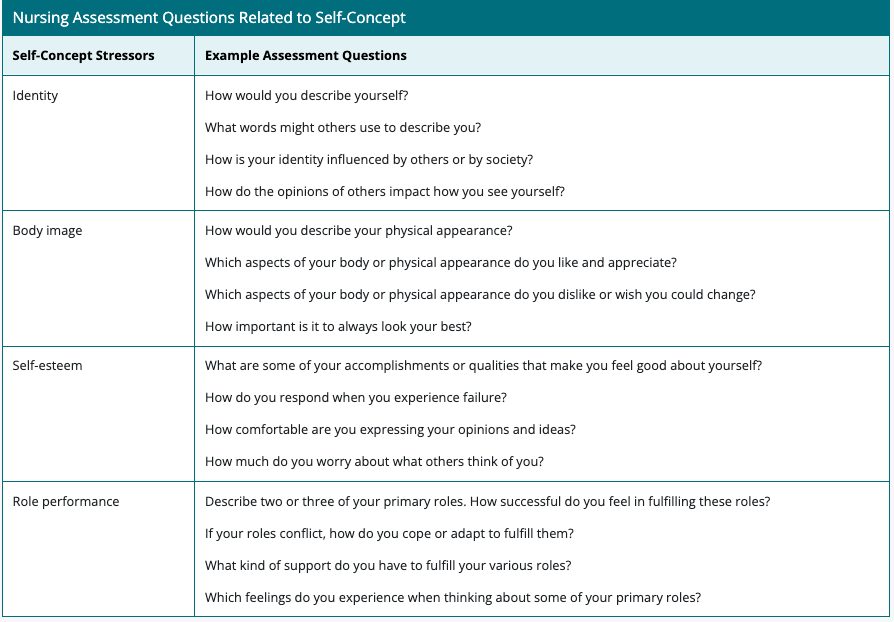
During the assessment interview, clients’ responses to direct questions provide important information about their beliefs and attitudes, the effectiveness of coping strategies related to self-concept, and perceptions of their health status and condition. It is also important to consider each client’s condition within the context of that person’s developmental stage. For example, an adolescent may have a distorted body image stemming from societal pressure to be thin, lithe, and attractive. The adolescent may also be receiving negative or disparaging messages from family and friends about their physical appearance. Asking probing questions to determine the impact of these experiences on body image, assessing the nature and intensity of the stressor, and discussing healthy coping strategies is part of the nursing assessment. Assessment helps determine clients’ view of themselves; changes in self-concept, thoughts, and feelings related to their condition; and their perceived challenges and strengths. Involving significant others in the assessment phase is important to help gain insights into how the client is perceived by others.
Assessment is an ongoing and comprehensive process. In some cases, reassessment may be necessary to redesign the plan of care to achieve optimal client outcomes.
Analysis
Once a comprehensive nursing assessment has been completed, the RN analyzes the client information to identify the client’s actual or potential health alterations. Nurses often use this information with the subsequent intention to design a client plan of care. For example, a client who recently underwent surgery for a below-the-knee amputation following an industrial accident and will be unable to return to work might develop low self-esteem issues. This can result from real or anticipated life changes, loss of body function, fear of rejection from others, or loss of income. Determining specific defining characteristics assists in formulating the appropriate client plan of care. Validating the nursing assessment and analysis with the client and other members of the health care team provides clarity and an opportunity for additional input.
Planning
Formulating a client-centered, comprehensive, holistic plan of care requires the nurse to collaborate with the client, family, and members of the health care team to establish measurable short- and long-term goals. Goals are designed to promote a healthy self-concept and to be reflective of the client’s level of knowledge, available resources, abilities, coping skills, and limitations. Nursing interventions are selected and prioritized to assist the client with accomplishing the goals established in the plan of care. Some examples of treatment goals related to the client who is undergoing amputation and unable to work might include verbalizing acceptance and showing adaptation to the altered health condition, developing a realistic plan to adapt to changes, taking practical steps toward achieving independence at home and work, and utilizing healthy coping strategies and support systems. Examples of nursing actions for this client might include encouraging the client to express feelings and emotions related to body image and functioning, providing an environment to promote independence, and discussing available resources for support and rehabilitation.
Implementation
Implementation is the next step of the RN nursing process. It involves action—that is, carrying out the nursing interventions and documenting client progress in achieving the goals detailed in the plan of care. The plan of care is designed to prevent, promote, maintain, and restore mental and physical client health. Many interventions can promote a positive self-concept, including encouraging clients to identify past and current accomplishments; verbalizing feelings and perceptions that indicate a healthy identity, body image, self-esteem, and role performance; and assisting clients to identify coping strategies and support systems that have been useful in the past. Collaborating with the client, family, and other members of the health care team helps to ensure successful implementation of the plan of care. Interventions that support adaptation to stress, such as healthy eating, adequate rest, and physical exercise, contribute to a healthy self-concept.
Evaluation
Evaluation is the final step of the RN nursing process. Nurses must evaluate and reassess the plan of care to ensure the desired client outcomes have been achieved. Evaluation of outcomes related to self-concept may include verbalizing statements of self-acceptance and self-worth; validating acceptance of body image, function, and appearance; and utilizing healthy coping strategies. The plan of care must be updated and modified on a regular basis.