MS 2 Year notes
Land Navigation (land nav)
Major terrain features
Hidden
Hill
1 knuckle
Valley
Valley
dip of palm
Salad
Saddle
divit between knuckles
Ranch
Ridge
knuckles
Dressing
Depression
cup hand
Minor terrain featues
Draws
angles higher
Spurs
angles lower
Cliff
contor lines come together
Supplementary terrain features
Cut
lines go in
Fill
lines go out
Colors
Black
man-made
Red
man-made
Green
Vegetation w/ military significance
Blue
hydropgrah/water features
Brown
relief features
Other
special information
How to plot a point:
FG 1036 9912
FG
map section
1036
left & right
9912
up & down
4 digits
within 1,000 m
6 digits
within 100 m
8 digits
within 10 m
Start in bottom left of the square
move right then up
Know where you are
SP
Starting Point
Plan the route
Direction
Azimuth
Grid
draw a line
put the hole of the protractor at the SP
see which tick the lines goes to
Magnetic
grid - 5.4
Backwards
under 180° → add 180°
over 180° → subtract 180°
Distance
Stay on the route
Techniques
Dead reckoning
Terrain association
Attack Points
check-points
Back stop
terrarin features
Fundamentals of Leadership (ALRM)
“We lead people; we manage things. Good officership requires an implicit balance of both.”
“I’d rather be a human being, dissatisfied; than a pig, satisfied.”
ALRM
Army
Leadership
Requirements
Model
Be
Character
army values
empathy
warrior/service ethos
discipline
humility
Presence
military/professional bearing
fitness
confidence
resilience
Know
Intellect
mental agility
judgment
innovation
interpersonal tact
expertise
Do
Leads
leads others
builds trust
entends influence
leads by example
communicates
Develops
prepares self
creates a positive environment
develops others
stewards the profession
Achieves
gets results
anticipates
integrate tasks/roles/resources/priorities
improves performance
gives feedback
executes
adapts
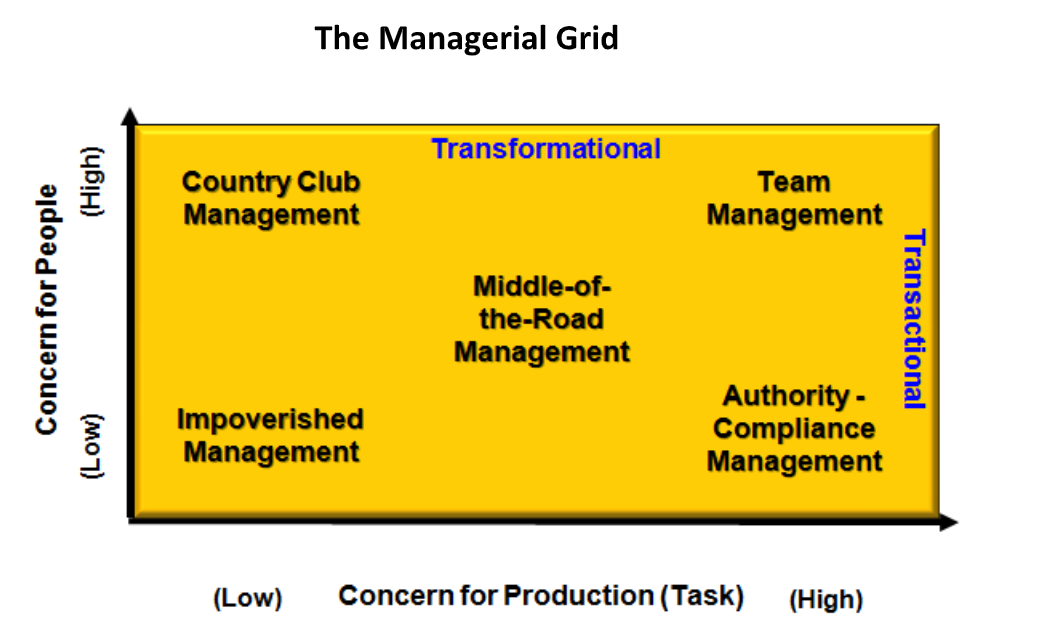
Transactional Leadership
task force
motivated by rewards & punishment
success if rewarded
failure is punished
quid pro quo
focus is on short-term tasks
this style of leader -
provides guidance & oversight
oversees productivity in detail
is more managing than leading
common in many organizations
Transformational Leadership
people focused
applies the premise that people will follow leaders that inspire & motivate them
focused on long-term goals
a leader motivates & inspires by -
developing & selling a compelling vision
developing relationships with followers
acting as a teacher, mentor, & coach
molds the organization into a cohesive team
Situational
a theory based on how people respond to working & being led in groups
focus on 2 key assumptions
task behavior
amount of guidance & direction provided
relationship behavior
amount of social & emotional support provided
proposes the environment & readiness of followers helps leader identify what style of leadership should be applied
based on how people respond to working & being led in groups
4 styles of leader behavior
S1
Directing
high directive & low supporting behavior
S2
Coaching
high directive & high supporting behavior
S3
Supporting
high supportive & low directing behavior
S4
Delegating
low supportive & low directive behavior
Subordinate levels of readiness
Able
person has the knowledge, experience, & skill
Willing
person has he necessary confidence, commitment, & motivation
R1
leader directed
unable & unwilling
R2
leader directed
unable but willing
R3
follower directed
able but unwilling
R4
follower directed
able & willing
Adaptive Leadership
its always the leader
Characteristics
confident
resilient
open & curious
dirven
tolerant
self-aware
risk-taker
proactive
problem solver
critical thinker
great communicator
tactically proficient
technically proficient
change agent
Army Briefings
4 Types
Informational
the informal briefing delivers information in a form the audience can use
Format
introduction
greetings, classification, purpose, outline
main body
main ideas, aids, transitions, questions
closing
questions, recap, next speaker
Mission
goal is to secure a unified / coordinated effort toward accomplishing the mission
types
5 paragraph OPORD
movement order
combat service support order
reconnaissance
Decision
obtains an answer to a question / results in a decision on a course of action
format
introduction
greeting, classification, problem statement, recommendation
main body
facts, assumptions, solutions, analysis, comparison, closing
closing
questions, restate recommendations, request decision
Staff
the purpose is to coordinate unit effort by informing the Commander & staff of the current situation
the person who convenes the staff briefing sets the format & agenda
may have characteristics of the other 3 formats
4 Steps to an effective briefing
Plan
analyze the situation & focus on purpose, audience, & occasion
Prepare
research, organize, draft, revise
Execute
deliver the presentation
Assess
Follow up
Law of Armed Conflict (LOAC)
aka: Law of War (LOW)
To -
protect combatants & noncombatants from unneccessary suffering
assist commnders & soldiers in mission accomplishment
regulate the use of force & prohibit unlawful conduct
protect against unneccessary suffering & excessive collateral damage
promoate the humane treatment of nonmbatants, wounded / sick, & civilians
Basic Principles
Military necessity
measures are not forbidden by international law
Humanity / Unncessary suffering
considered before attack / combatants
Distinction / Discrimination
attacks are directed at military / combatants
not civilians
Proportionalty
is the attack excessive in incidental loss in relation to the military advantage gained by the attack?
Honor / Chivalry
must be applied at all times reguardless of enemy forces’ action, this prohibits armed forced from abusing LOAC in order to gain an advantage over their adversaries
10 LOAC Standards - The Soilder’s Rules
Soldiers fight only combatants
Soldiers do not harm enemies who surrender. They disarm them & turn them over to their superiors
5 “S’s & T” for detainees
Search
disarm
Silence
Segregate
military rank
civilians vs. military
military vs. militia
Safeguard
protect from further harm
Speed to rear
turn over to proper holding facility for processing
Tag
document capture details
Soldiers do not kill or torture personnel in their custody
A crime under both international law & domestic law
Humane treatment is the minimum standard for all detained personnel reguardless of staus
May conduct tacticle questioning near the time & place of capture
Only trained inerrogators conduct interrogations / extended questioning
Soliders collect & care for the wounded whether friend or foe
LOAC requires the same level of caer for friend & foe
once they are ouot of thhe fight, take care of them
triage the most seriously wounded
whether friendly or foe
safeguard from further attack
Soliders do not attack protected persons / places
civilian objects protected from international attack
military purpose / necessity analysis
incomplete intelligence & civilian casualties
Soliders destory no more than the mission requires
Only target legitimate military objectives
avoid excessive / wanton destruction of proptery
Minimize collateral damage
protect civilian property
protect historical / culutral sites
the more destroyed in battle = the more must be rebuild in peace
Soliders treat civilians humanely
All civilians must be respected
never intentionally target civilians
but civilians must not take a direct part in hostilities
don’t have time to stop mission & care for them
but, do help civilians if safe to do so & it doesn’t interfere with your mission
check ROE on collective self-defence
know what you can & can’t do to defend foreign civilians from hostile acts
Soliders do not steal. Soliders respect private property possessions
Civilian property
do not retain unless it is contraband
the taking of peronal property for immediate military necessity / emergency is permissible
issue a receipt for property taken when possible
War trophies
do not retain without express authorization from Commander
Soliders should do their best to prevent violations of LOAC
Soliders report all violations of LOAC to their superiors
Report all suspected LOAC violations to CoC
Other channels include:
military police
judge advocate
inspector general
chaplin
It’s your duty to know the LOAC & follow the rules
If you’re ordered to commit a ciminal act / LOAC violation, you’re under an obligation to refure the order
“I was just following orders” is not a defense to war crimes
How to handle an unlawful order:
Carry all lawful order promptly & aggressively
Do not carry unlawful orders, but don’t ignore them either
Immediately & respectfully seek clarification of order
“Sir / Ma’am, are you order me to ___?”
Military Communications
Phonetic Alphabet
A - Alpha
(al-fah)
B - Bravo
(brah-voh)
C - Charlie
(char-lee)
D - Delta
(dell-tah)
E - Echo
(eck-oh)
F - Foxtrot
(foks-trot)
G - Golf
(golf)
H - Hotel
(hoh-tell)
I - India
(in-dee-ah)
J - Juliett
(jew-lee-ett)
K - Kilo
(key-loh)
L - Lima
(lee-mah)
M - Mike
(mike)
N - November
(no-vem-ber)
O - Oscar
(oss-cah)
P - Papa
(pah-pah)
Q - Quebec
(keh-beck)
R - Romeo
(row-me-oh)
S - Sierra
(see-air-rah)
T - Tango
(tang-go)
U - Uniform
(you-knee-form)
V - Victor
(vik-tah)
W - Whiskey
(wiss-key)
X - X-ray
(ecks-ray)
Y - Yankee
(yang-key)
Z - Zulu
(zoo-loo)
Common prowords
“Break”
I hereby indicate the separation of the text from other portions fo the message
“Correction”
There is an error in this transmition. Transmition will continue with the last word correctly transmitted
“Say again”
Repeat all of your last transmition.
Followed by indentifciation data means
“Repeat (portion indicated)”
“I say again”
I am repeating transmission / part indicated
“I spell”
I shall spell the next word phonetically
“Out”
This is the end of my transmission to you & a response in necessary. Go ahead, transmit
“Roger”
I have recieved your last transmission satisfactorly
“This is—”
This transmission is from the station whose designator immediately follows
Message format
Heading
the administrative portion of the format
Body
contains the information the originator wants to send to the addressee
Conclusion
consists of the message authenication
Example:
→ H99 this is H01, (message type / priority), over.
← H01 this is H99, send your messaeg, over.
→ H99 this is H01, (insert message), over.
← H01 this is H99, roger, over.
→ H99 this is H01, roger, over.
Spot report (SPOTRED)
regular report
Line 1
date & time
Line 2
unit
Line 3
size
Line 4
acivity
Line 5
location
Line 6
unit
Line 7
time
Line 8
equipment
Line 9
assessment
Line 10
narrative
Line 11
authentication
SALUTE report
movement to contact
seeing enemey
S - size
A - activity
L - location
U - unit
T - time
E - equipment
Cultural Awareness
“a system of shared values, beliefs, behaviors, & norms (VBBN) that we use to cope with the wolrd & each other, which is learned through interacting with others.”
Values
relative & subjective view of what is valuable & important
Beliefs
a conviction of the truth of some statement / the reality of some being / phenomenon
Behaviors
obervable patterns of action
Norms
a range of permissible behaviors established by a group
Factors that shape a culture
climate
land & water
geography / politics
economics
religious
language
social & familia structure
Culutral heritage in armed conflict
due to its emotional context, cultural hetiage is particularly vulnerable in times of conflict
all ranks wiithin a unit must be aware of the requirement to protect culutral heritage & idenity using the principle below:
identifciation of culutral heriage resources & the people responsible for them using thorough research, acadmeic advice, & understanding of local values
documentation & inclusion of culutral property information into military mapping products
incorporation of cultural heritage information into mission planning
completion of risk assessment to cultural heritage in the AOR
Troop Leading Procedures (LTP)
A dynamic framework used by Army Leaders, typically at the company level & below, to effectively plan & prepare for operations
Receive the mission
obtain the mission through a WARNO, OPORD, or FRAGORD
conduct an initial assessment of the mission’s scope, timeline, & constraints
Issue a WARNO
provide your subordinates with a preliminary notification about an upcoming mission
include critical information such as the mission type, timeline, & initial instructions
Make a tentative plan
conduct mission analysis using METT-TC
a framework used by military leaders to analyze & assess a situation before planning a mission
Mission
the task & purpose assigned to the unit
Key considerations:
What is the higher headquarters’ intent?
What is the objective?
What tasks must be accomplished to achieve success?
Enemy
the capabilities, composition, disposition, & potential actions of opposing forces
Key considerations:
what is the enemy’s strength & equipment?
what are their tactics & potential courses of action?
what are their weaknesses/vulnerabilities?
Terrain & weather
The physical & environmental conditions affecting the mission
often analyzed using OAKOC
a framework used to analyze terrain & weather & their impact on the mission
Observation & fields of fire
the ability to see the enemy & the terrain from a position
the ability to engage targets effectively
does the terrain provide good visibility/natural firing positions?
Avenues of approach
routes that allow troops to move toward their objectives/that an enemy could use for attack
is there a road/river the enemy might use to advance?
Key & decisive terrain
locations that provide a significant advantage to whoever controls them
high ground
bridges
choke points
is there a hilltop that overlooks the area, making it critical to hold?
Obstacles
natural/man-made features that restrict movement
rivers
mountains
forests
minefields
walls
are there barriers that could slow/stop friendly/enemy forces?
Cover & Concealment
Cover: protection from enemy fire
Concealment: protection from enemy observation
does this area provide places to hide/defend from enemy attack?
weather considerations include
temperature
precipitation
wind
visibility
seasonal effects
Troops & support available
the personnel, equipment, & resources available for the mission
Key considerations:
what is the size & capability of your unit?
what support is available?
artillery
air support
logistics
what are the unit’s strengths and weaknesses?
Time available
the time allocated for planning, preparation, & execution
Key considerations:
what are the deadlines for task completion?
how much time is available for rehearsals & contingencies?
How can time be best managed to ensure mission success?
Civil considerations/information consideration
the influence of the civilian population & infrastructure on the mission
often analyzed by ASCOPE
a framework used in military operations to analyze civil considerations & understand how the civilian environment can impact a mission
Area
locations that influence the mission
urban centers
religious sites
transportation hubs
military installations
is there a village/key infrastructure in the area that needs protection?
Structures
buildings & infrastructure that may be critical to the mission
bridges
hospitals
power plants
schools
is there a bridge that can be used for movement/a hospital that requires protection?
Capabilities
resources & services available within the civilian population
medical
transportation
local governance
Organizations
non-military groups & entities
local governments
religious groups
insurgent organizations
People
the civilian population
demographics
cultural norms
political affiliations
attitudes towards friendly forces
Events
significant activities/occasions that could impact the mission
elections
festivals
protests
military operations
Key considerations:
how will civilians impact the mission?
what cultural/legal/ethical factors must be addressed?
how does the mission affect local infrastructure & population
Initiate troop movement
start necessary troop movement early, even as planning continues
repositioning forces
conducting rehearsals
preparing equipment
Conduct reconnaissance
gather information to confirm/refine your tentative plan
maps
aerial imagery
physical reconnaissance
Complete the plan
finalize the plan based on updated information & input from reconnaissance
ensure the plan is detailed, clear, & synchronized w/ higher headquarters
Issue the OPORD
deliver a clear & concise OPORD to communicate the mission, intent, & tasks
use the 5 paragraph format
situation
mission
execution
sustainment
command & signals
Supervise & refine
monitor preparations, conduct rehearsals, & ensure subordinates understand the mission & their roles
make adjustments to the plan as necessary & verify readiness
Key features:
sequential but overlapping
adaptable
emphasis on leadership
1/3, 2/3 rule
1/3 of the time available is used for planning
2/3 of the time available is used for preparations & Execution