DOMAIN 4-5 NOTES
4.3
Driving Under the Influence
Drugs Make You Unfit To Drive
When most people hear the term "driving under the influence (DUI)", they think of alcohol. But the truth is that a DUI can involve any drug-from alcohol or marijuana to caffeine, painkillers, or even cough syrup. Drugs affect your mind and body, and (spoiler alert!) you need both in full working order to drive safely.
Specifically, safe driving requires skills like:
Hand-eye coordination
Good reaction time
Good judgment
Good vision
Ability to focus

Drugs take these skills away from you. When you can feel the effects of a drug, you're obviously unfit to drive-but with impaired judgment, you'll fail to recognize when you should stay off the road. It can be even more dangerous when you can't feel the effects of a drug. Either way, the result is the same: you could make the bad decision to get behind the wheel, putting yourself and others in danger.
Don't get us wrong: we know there are safe and responsible uses for drugs. For many people, properly using a prescription medication is an everyday necessity. And, if you read the label and follow directions, over-the-counter drugs can help with headaches, injuries, and other ailments.
Even legal substances like alcohol can be a part of a responsible night of fun for adults of legal age. Just remember that the time to make decisions about driving is before you consume a drug. With alcohol or other drugs in your system, you can no longer be trusted to make the right decision to keep yourself and others safe.
Alcohol And Other Drugs

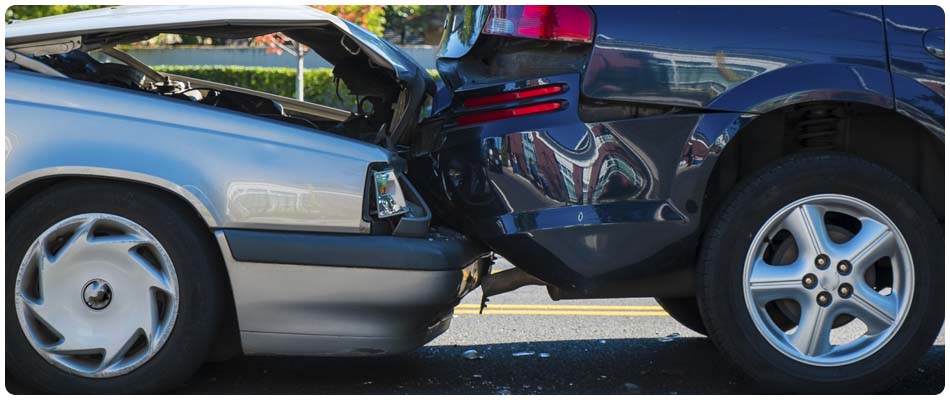
Alcohol causes more fatal crashes than any other single drug. Each year, 10,000 or more people in the US die in an alcohol-impaired traffic collision. We all know it's wrong to drink and drive, but we obviously don't appreciate that fact enough to stop doing it. So let's talk a bit about how alcohol makes you unfit to drive.
Effects of Alcohol
Decreased muscle coordination
Slowed reaction time
Impaired vision
Poor judgment
Inability to focus
Short-term memory loss
Loss of consciousness
As a depressant, alcohol slows down your brain and nervous system. This increases the time it takes your brain to send a signal to your muscles, resulting in poor coordination and slow reflexes. Alcohol slows your reaction time, something you can't afford when you're behind the wheel.
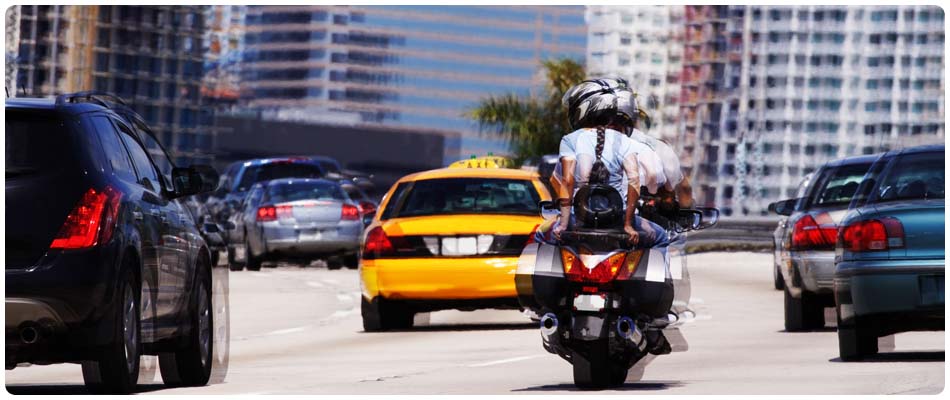
Alcohol impairs your vision. Your pupils will dilate and contract much more slowly, making it take significantly longer for your eyes to adjust to changes in brightness. Oncoming headlights at night can be a problem even for sober drivers-but for drivers impaired by alcohol or another depressant, they can result in a complete loss of vision for a few seconds. Alcohol also reduces your sensitivity to contrast, causes your eyes to twitch involuntarily, and can even give you double vision.
Alcohol gives you poor judgment, makes it harder to focus, and can cause short-term memory loss. Even if alcohol didn't affect your body, its effects on your mind are enough to make driving unsafe. With poor judgment, you'll take risks that you'd never accept when sober. If you can't focus, you're distracted-and safe driving always requires your full attention. Short-term memory loss is no joke, either. You might forget that you're in the middle of a turn, or forget that you just saw a hazard sign warning you of a sharp curve ahead.
Let's go over some safe skills on the subject of alcohol.
Safe Skills
Plan ahead and assign a designated driver.
If you've had any alcohol, allow at least one hour and a half for every drink you had before you drive. What counts as a drink? One drink is 12 oz of beer, 5 oz of wine, or 1.5 oz of spirits. At many bars and parties, the portions you receive might be larger than this-sometimes what appears to be one drink is really two. Waiting at least one hour and a half per drink gives your body time to process it out of your system. If you're not certain you've waited long enough, don't drive.
All in all, the safest bet if you or your friends plan to drink is to call a taxi or rideshare service. If you did drive your car to the event, leave your car where you parked it, and get it in the morning when you are sober.

Drugs Other than Alcohol
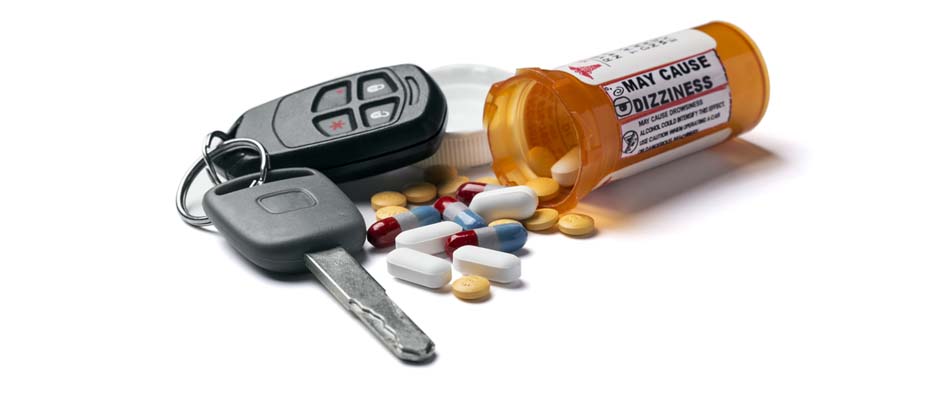
All drugs affect your mind and body, whether they are prescription, over-the-counter, or illegal. Many have depressive or sedative effects, like opioids, antihistamines, or painkillers. Some drugs are stimulants, speeding up your central nervous system and causing rapid breathing, increased heart rate, sweating, tremors, and racing thoughts.
The bottom line is, drugs don't mix with driving. Here are some safe skills to prevent drugs from affecting your ability to drive.
Safe Skills
Check those warning labels. Before you take any medicine, read the warning label to see if it could affect your ability to drive. If you're uncertain, ask your doctor or pharmacist.
When taking new medicine, don't drive immediately. Even if the medicine doesn't explicitly warn you, not all body types are the same. You may have an adverse reaction to medicine you are taking for the first time.
Assessing whether you are impaired by drugs or alcohol is a crucial step before you get behind the wheel.
Every action you can take behind the wheel is affected by your ability to think, act, and respond in a reliable and responsible manner. But if you wait until you've had a drink or taken some cough syrup, and then try to determine whether you're good to drive, you're in danger: your judgment might already be impaired. The best time to make a decision about whether to drive is before you consume any drug. That's why it's so important to make plans for transportation before you begin taking any drug or medication.
Driving defensively includes keeping an eye out for those who chose not to be responsible! Unfortunately, we do not have any measure of control over what other road users choose to do, so this means we have to take extra precaution around those who make the wrong choices.
Dealing with Impaired Road Users
Sometimes you encounter drivers or pedestrians on the road who may be impaired by alcohol or other drugs. This is one of the most dangerous hazards, as it is completely unpredictable.
Signs that a driver may be impaired include inconsistent speed, driving much slower or faster than the speed limit, drifting out of lanes, tailgating, or making aggressive gestures like honking or swerving.
Safe Skills
Don't speed ahead of a driver you suspect may be impaired. If they are behind, you will be less able to keep track of their location or movements. The exception to this would be if they are driving excessively slow.
If an impaired driver is being aggressive or tailgating you, pull over or give them room to pass. Again, it is better for them to be ahead of you, where you can safely monitor their unpredictable behavior, than behind you, where you simply can't keep your eyes on them.
Look out for impaired pedestrians at night. Nighttime is when pedestrians are harder to see. It's also the time when people may be out at clubs or walking along the street after having a few drinks, dressed in chic-but hard-to-spot-black. Pay attention, especially in unlit areas!
Now, watch the next coaching clip showing you how to safely respond to impaired drivers.
COACHING CLIP: (TRANSCRIPT)
Responding Safely to Impaired Drivers Let’s find out how to spot and avoid impaired drivers when you’re on the road. We know you're smart enough to realize it's dangerous to get behind the wheel if you're intoxicated, and that friends don’t let friends drive drunk. But did you know that, every year, one out of every ten people killed in a crash dies because of someone else’s drunk driving? What can you do to reduce the chances of being a victim? As defensive drivers, we know the key is paying attention. While it’s nearly impossible to predict when you’ll encounter a drunk driver, that doesn’t mean there’s nothing predictable about how they act. By recognizing the signs of drunk behavior, we can effectively protect ourselves from drunk driving. We all know how people can get when they’ve had too much to drink. They can’t walk straight, see straight, or even think straight. They can’t stay focused or speak clearly. Worst of all, they make terrible decisions and think that things are safe, when they’re really not. Alcohol might not be the cause of their behavior. Legal and illegal drugs or lack of sleep can yield the same unsafe behaviors. In short, they can’t get their brains or bodies to cooperate; that’s why we call them “impaired.” The secret to spotting drunk drivers quickly is recognizing how these same problems look on the road. Search for drivers that can’t manage even the basics of driving. If someone can’t choose the right speed, stop at the right time, stay in the right position, make the right maneuvers, or signal the right way, expect them to keep doing the wrong thing. Speed Drunk people can be manic or moody. Drunk drivers go fast when they should go slow and go slow when they should go fast. They may change speed suddenly, haphazardly, or at the wrong time. A simulated car is shown speeding past all surrounding traffic, veering to the left and right and then slowing down quickly. Stopping Drunk people just don’t know when to stop. Drunk drivers stop too early or too late, and may stop at green lights — but not stop at red lights or stop signs. — or even in the middle of traffic. A simulated car is shown veering in its lane, then stopping in the middle of an intersection. Position Drunk people often find themselves in awkward positions. Drunk drivers find themselves driving over the centerline or the curb, straddling two lanes, or entering the wrong lane entirely. A simulated car is shown driving at high speeds, frequently veering into the wrong lane. Maneuvering Drunk people stagger and stumble and have trouble walking in a straight line. Drunk drivers tend to swerve, weave between lanes, change lanes unexpectedly, and make extremely wide turns. A simulated car is shown driving at night, swerving between multiple lanes. Signaling Drunk people talk insensibly and slur their speech. Drunk drivers forget to signal, signal at the wrong time, or fail to turn on their headlights when it’s dark. A simulated car is shown with their right turn signal on, yet turns left at an intersection. But drunk people and drunk drivers have one big difference: long before someone starts looking drunk of acting drunk, they’ll start driving drunk, and becoming a danger to the road. If someone’s driving erratically and you think they may be drunk, do whatever you can to stay away. Of course, this person’s problem may not be alcohol, after all, these are also signs that someone’s been using drugs or simply exhausted. But anyone who can’t handle the basics of driving is probably impaired, and definitely a threat. Look out for trouble at night, and near bars, concerts, and sports games. To avoid a drunk driver, slow down, pull over, or even change routes. A simulated car drives dangerously close behind another car in traffic, swerving to the left and right of the car. The non-impaired driver changes lanes and let’s the impaired driver pass them.
Anything is safer than sharing the road with someone who’s drunk! But don’t try to pass a drunk driver unless you have no other option. It’s generally safer to have an impaired driver in front of you than behind you. A simulated car drives drunkenly in front of another car. The non-impaired driver manages to pass the drunk driver, but the drunk driver catches up again and swerves very close to the non-impaired driver. The non-impaired driver eventually slows down and let’s the impaired driver pass them. Which of these is a sign a person might be drunk? Exaggerated emotions Blurred vision Slurred speech Diminished reflexes Impaired judgment Answer: All of these may indicate that someone is drunk or otherwise impaired. If you are with or near such a person, try to prevent them from driving, calling authorities if necessary. Which of these can also be a sign someone might be drunk? Improper lane use Failure to signal Unpredictable stopping Frequent swerving Erratic speed Answer: All of these may indicate that someone is impaired and dangerous. Put as much space as you can between yourself and anyone who demonstrates these signs. Remember, on the road, stay away from and ideally behind and impaired driver. Off the road, if you see someone who shows signs of being drunk or impaired, do you part to make sure they don’t get behind the wheel. This way, you increase everyone's chances of getting home safely. A group of friends.
4.4 Deadly Distractions
The Problem Of Distraction
A distraction is something that prevents someone from giving full attention to something else. When it comes to driving, that "thing" taking your full attention away from the road can be deadly.
You should give some thought to potential distractions as part of your pre-drive fitness assessment.
Let's make sure you weren't distracted while reading that: Before driving, you should assess your driving environment for potential distractions that may negatively impact your driving.
What Constitutes a "Distraction?"
A distraction can take many forms, but is ultimately anything that can prevent you from driving effectively. All forms of distraction increase your risk while driving and can have deadly results. This includes tech distractions, emotional distractions, passenger distractions, and more.
Why Is Distraction So Bad?
While distractions might seem inconsequential in the moment, remember this: half a second's worth of distraction can result in a lifetime's worth of regret.
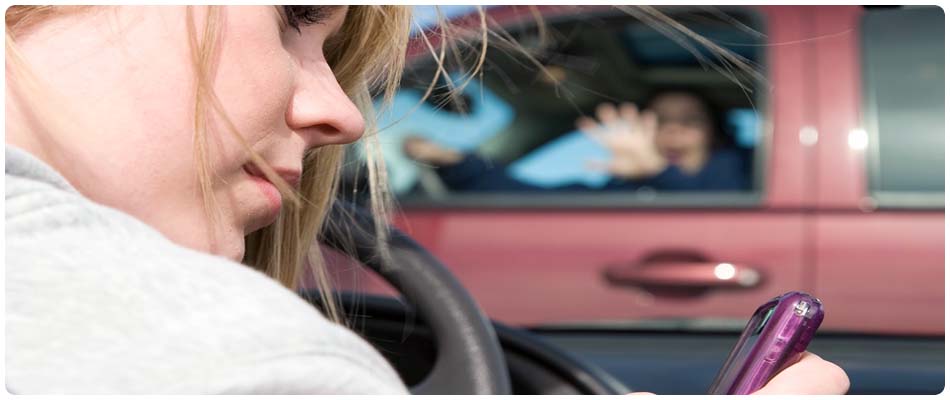
It's not as simple as just eliminating one set of distractions; it's really your whole mindset that needs to change as far as your commitment to focusing on driving, and only driving, when you're behind the wheel.
Tech distractions aren't limited to simply choosing not to answer your phone. They include fiddling with the car's controls, such as the air conditioning or radio, while driving.
Imagine that you're driving 60 mph down the highway, and you take four seconds to change the radio station. In those four seconds, you will have traveled roughly the length of a football field, completely blind!
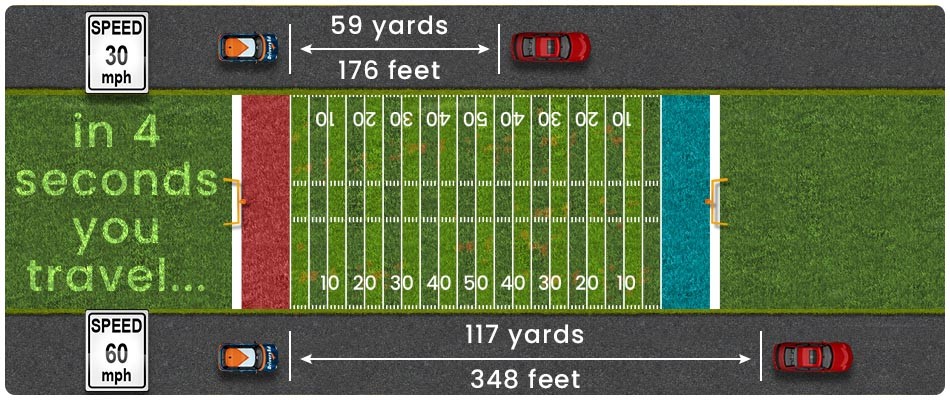
Image description
Let's talk about the types of distractions you might come across.
Common Types of Distraction
4 Common Types of Distractions
Tech distractions
Personal distractions
Passenger distractions
Emotional distractions
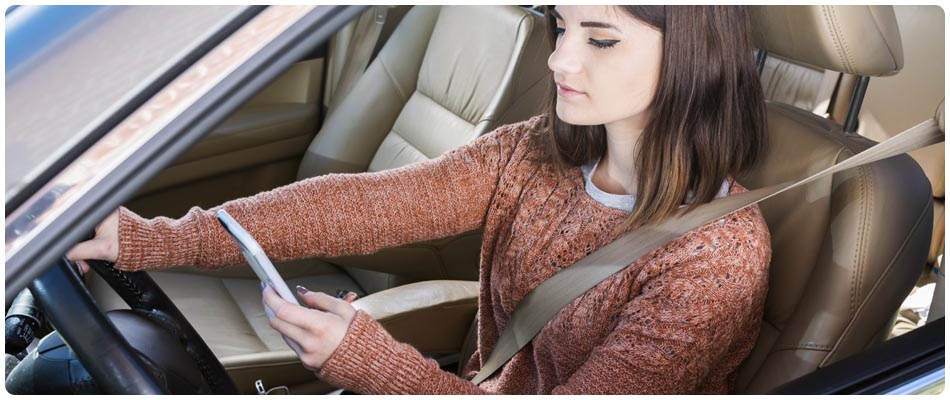
The more technology you have in your car, the more likely you are to be distracted while driving. Car manufacturers have gotten better at making sure their additional "smart" features don't distract you, but ultimately, the decision to interact with those touch screens and dials is yours! And of course, if you haven't heard about the danger of phone distraction while driving, you've probably been living under a rock (or a phone?) for some time. Seriously though, knowing something intellectually is very different from actually integrating that knowledge into your behavior.
Tech Distractions
Tech distractions are probably the ones we are most likely to rationalize away in an era of smartphones and interactive vehicle dashboards.
As part of your commitment to ensuring that you're fit to drive, every time you drive, we've devised a system to help you, called the 4 Prep Steps to Avoid Tech Distraction. They're simple steps that you can do every time you set out to drive.
4 Prep Steps to Avoid Tech Distraction
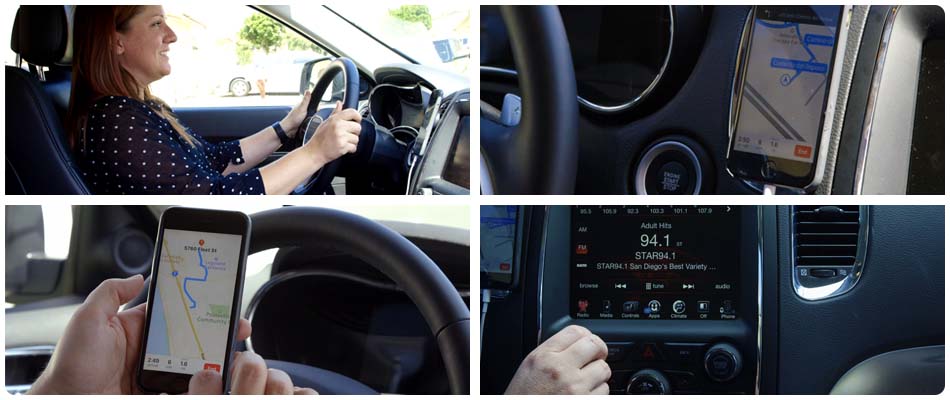
Set GPS if desired before you begin your trip.
Put your phone in a secured dashboard cradle and plug it in.
Make any radio, music, or climate control decisions before putting the car in gear.
Remember that if a call or text comes in while driving, resist until you finish your trip!
Don't forget that your phone should come equipped with a Do Not Disturb mode and maybe even an autoresponder! When you set your device to Do Not Disturb (DND), your device will mute itself from all vibrations and alerts, allowing you to focus completely on the road. The autoresponder will respond to all incoming calls with a predetermined message explaining to them why you are unable to answer the phone right now-this way you don't seem rude when you're stuck in traffic!
Personal Distractions
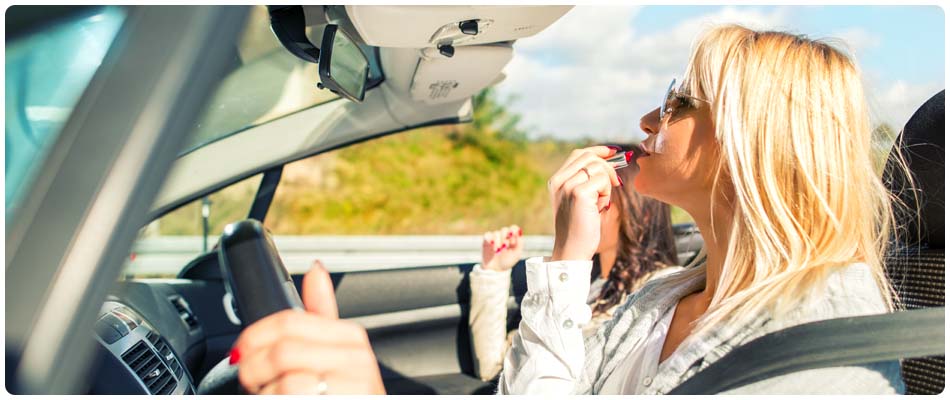
Now, let's talk about other kinds of distractions that can be just as dangerous as tech distractions, but thankfully, are 100% preventable.
Ever seen someone comb their hair or eat while driving? That's a personal distraction. We get it, you want to look your best for an important event, or you're in a hurry and absolutely need to scarf down that burger. But these actions take your attention off the road.
You might think it's harmless to take a glance at the rearview mirror to smooth your hair or make sure you don't have a chive in your tooth. The urge to fix whatever it is immediately will be distracting enough, almost like an itch you can't scratch. Your mind is distracted by the need and desire to fix that imperfection as soon as possible, and some may risk a collision to do so.
Hot beverages have a similar effect, but potentially more dangerous because you could choke or burn yourself if something goes awry. Set down that drink until you're safely parked!
Passenger Distractions
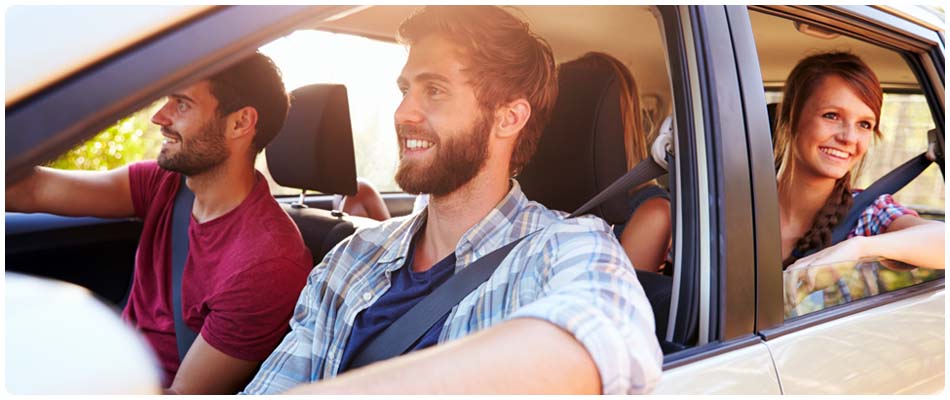
We aren't saying that you shouldn't ever have passengers, but you should be aware of how passengers can distract you. Examples of this distraction can be conversations that take your mind off the road, or something as simple as directing your attention to something on the road that you didn't need to consider.
Passengers can be great if the conversation is not a topic that requires too much concentration. A passenger that points out hazards and keeps your attention directed onto the road is the best kind!
Emotional Distractions
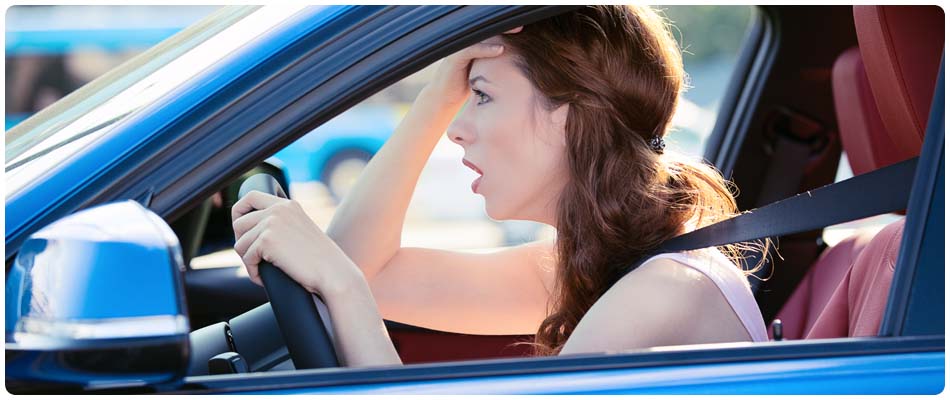
In the same way that drugs alter your mind and take away the skills you need to drive safely, so do strong emotions. Every time you get behind the wheel, you need to be calm, rational, and focused. Strong emotions can:
Increase your heart rate, making you jittery and impulsive
Take over your mood, making you hostile or spiteful
Block out important thoughts, making you inattentive to what's happening on the road
All emotions-frustration, sadness, grief, anger, even joyful excitement-can have negative impacts on your driving. The brain simply cannot focus on the skill-intensive task of driving while being distracted by intense emotions.
What to do? Watch the following coaching clip on avoiding emotional distraction to find out! After that, you'll watch another coaching clip where you can put all these ideas together and practice making smart decisions to avoid distractions of every kind.
4.5 Assessing Your Fitness to Drive
Are You Fit To Drive?
Now that you know the behaviors and choices that can impair your ability to drive, you can develop a method of assessing your fitness to drive before you get behind the wheel. Let's talk about the questions you need to ask yourself and why they're important.
Driving Fitness Check
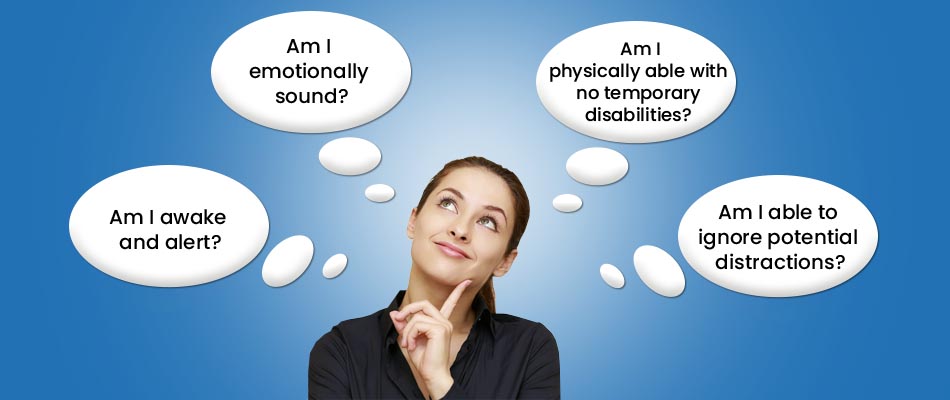
Am I awake and alert?
This may sound weird, but don't let your brain ever trick you into thinking you're currently able to drive. Just review the facts-are you extremely tired, did you just drink or take drowsiness-inducing medication, or anything that can hamper your brain's functions while driving? If the answer is anything but a solid no, call a rideshare service or taxi if you can't wait to get to your destination. Otherwise, take a power nap if you're tired, or wait out the alcohol/medication affecting your body!
Am I emotionally sound?
Some people choose to drive with issues on their mind, whether in anger, frustration, or sadness. Emotions can override the brain's other functions and negatively impact your driving capabilities. Before you get into the car, you should ask yourself-is my mind currently occupied with other things that can take my mind off the road?
Am I physically able with no temporary disabilities?
If you recently broke an arm or wrist, or even if you just slept in an awkward position and woke up with a stiff leg, these are factors that can affect your fitness to drive.
You should wear your glasses or contact lenses if you are required, and it's always a good idea to keep an extra pair, as well as sunglasses, in your glove box.
Is your stomach grumbling? Make sure you have had enough to eat before you get in the car.
Don't forget the right shoes. You don't want your shoes getting caught in the accelerator or brake pedal, so sturdy shoes are a must for driving. If you are a flip-flop guy or a strappy-heel girl, keep an extra pair of driving shoes in the car.
Am I able to ignore potential distractions?
This can be anything or anyone causing you distraction on the road. Whether it's your phone or your best friend sitting next to you, you should always prioritize safe driving.
Laying the ground rules with your friend on the concentration you need when both of your lives are on the line can be very helpful!
And of course, you remember the 4 Prep Steps to Avoid Tech Distraction, right? If not, review them before you take the quiz.
Set GPS if desired before you begin your trip.
Put your phone in a secured dashboard cradle and plug it in.
Make any radio, music, or climate control decisions before putting the car in gear.
Remember that if a call or text comes in while driving, resist until you finish your trip! Better yet, put your phone on silent or DND.
4.6 Vehicle Check
Assessing Your Vehicle's Fitness
After making sure that you are fit to drive, you should also make sure that your vehicle is fit for the road!
A brief vehicle check is done with one simple objective in mind: is my car currently in shape to safely get me to where I need to be?
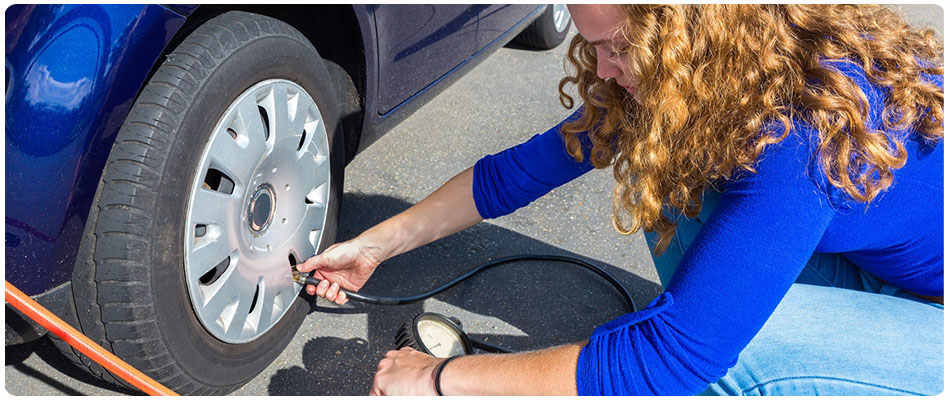
But how does that work? Well first, you should check to see if anything is out of the ordinary, with a pre-drive check. This amounts to a brief walk around the vehicle and inspection inside. Although many vehicles have indicator lights telling you when your tires are underinflated, for instance, it's always a good idea to rely on your own observation first. Pay attention to the following features:
Tires
Mirrors and windows
Headlights, signal lights, and taillights
Any abnormalities
If you are the owner of the car you're driving, you should be aware of how your car normally looks and operates. But at the same time, you may not notice small gradual changes, such as the wearing out of your tires, or the buildup of dirt and grime on your windows.
Tires
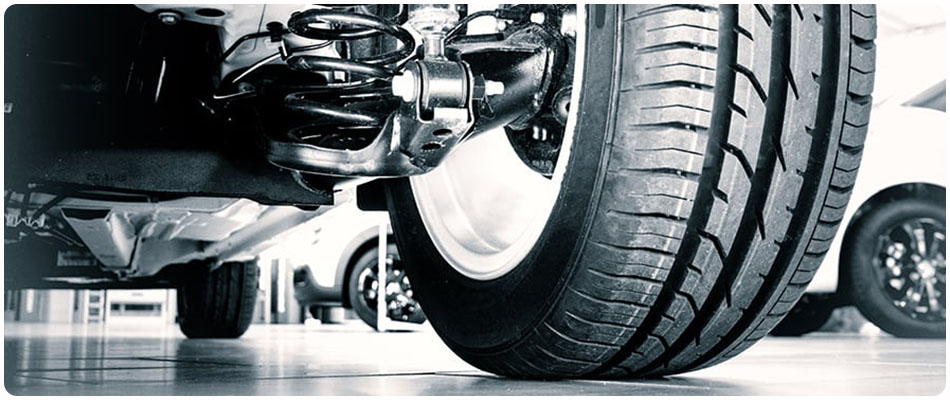
Your vehicle's main (and hopefully, only) contact with the ground should be the tires. The most important check with the tires is inflation and tread depth, which affects traction. You'll want to observe the car from the front and behind, and make sure there are no obvious abnormalities in tread or inflation. We'll talk about how to test and inflate your tires, and about checking your tire tread in more detail later in the course.
Mirrors and Windows
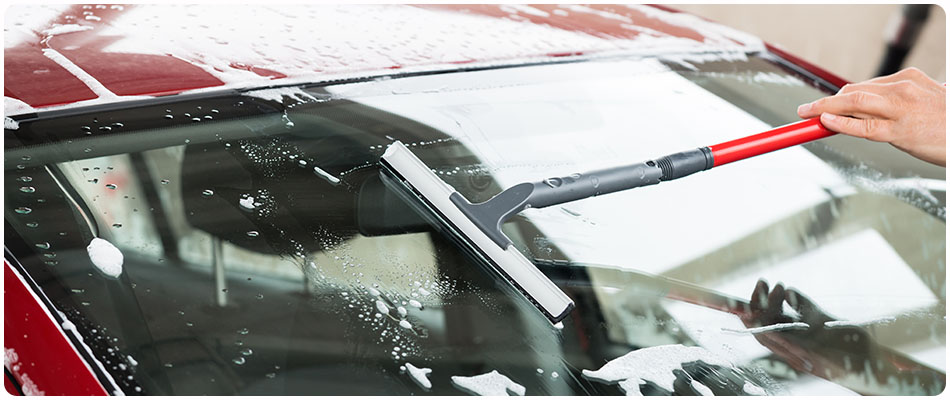
Mirrors on a car exist to help minimize our blind spots, so part of your vehicle pre-drive check is to check that the mirrors are working correctly and are clean.
This may involve realigning the mirrors once you get seated to suit your needs. We'll help you with proper mirror adjustment in the next level.
Headlights, Signal Lights, and Taillights
Your lights are key to helping you communicate and signal to other drivers on the road. The best way to check is to turn them on, and then exit your car to ensure all the lights are in working order.
Any Abnormalities
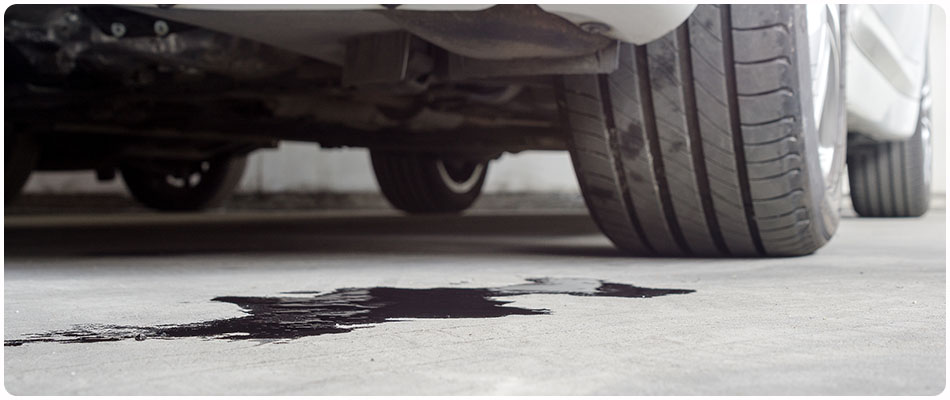
This is an open-ended check. If there's an unexpected puddle under your car that wasn't there before, then something might be leaking. If something is broken or misaligned, it's time to call a mechanic. Once you begin driving, check to see if your vehicle's path of travel is straight: it should drive straight ahead when the steering wheel is centered.
During your vehicle check, ask yourself continually: will my ability to drive safely and stay in control of my car be affected? Because if the answer is ever yes, you might need to consider taking the car to a mechanic as soon as possible!
Finally, be careful to avoid subjecting yourself or anyone else to a toxic buildup of carbon monoxide. Carbon monoxide is an invisible, odorless, flavorless gas your engine emits while running. It produces flu-like symptoms, including headache, dizziness, weakness, upset stomach, vomiting, chest pain, and confusion. Carbon monoxide poisoning can quickly lead to death.
Never leave your car running in an enclosed space, like a garage. Doing so can create a fatal buildup of carbon monoxide, even if your vehicle is properly maintained. If your vehicle's exhaust system has a leak, it can even produce a toxic buildup of carbon monoxide inside of the passenger compartment, if the windows are left up on a long drive. Have your exhaust system checked routinely, and never leave your car running in an enclosed space.