Presidential Powers
Why Do We Have a President?
When the colonists first declared their independence, the Articles of Confederation did not even address an independent executive authority. The Articles did not mention an executive branch and gave all power, even power over foreign affairs and the military, to Congress. By the mid-1780s, it was apparent that the Articles of Confederation were inadequate. As the delegates arrived for the Constitutional Convention in 1787, they knew that they had to create an executive branch. The delegates recognized the need to create a chief executive with enough power to act as a check on the legislature but not enough power to become a tyrant.
The election of a president is an American invention. Many countries have competing parties, and thus give the appearance of free choice for the voters; however, only a few have a directly elected president. The democratic alternative is for the chief executive to be a prime minister, chosen by and responsible to the Parliament (see western Europe, Israel, and Japan for examples). In a parliamentary system, the prime minister is not chosen by the voters but instead by the members of the legislature. Prime ministers are selected from among people already in Parliament, so they are always political insiders. If you review past elections in the United States, often those who are running for the office of president try to convince the voters that they are not insiders and that they are not part of the "mess" of the political season at that time. Only three presidents have been elected to the office when currently holding the position of US senator: Warren Harding, John Kennedy, and Barack Obama. Most presidents have instead come from positions outside of Congress, including military generals (e.g., Ulysses S. Grant, Dwight D. Eisenhower), cabinet secretaries (e.g., James Monroe, Herbert Hoover), and governors (e.g., Ronald Reagan, Bill Clinton, George W. Bush).
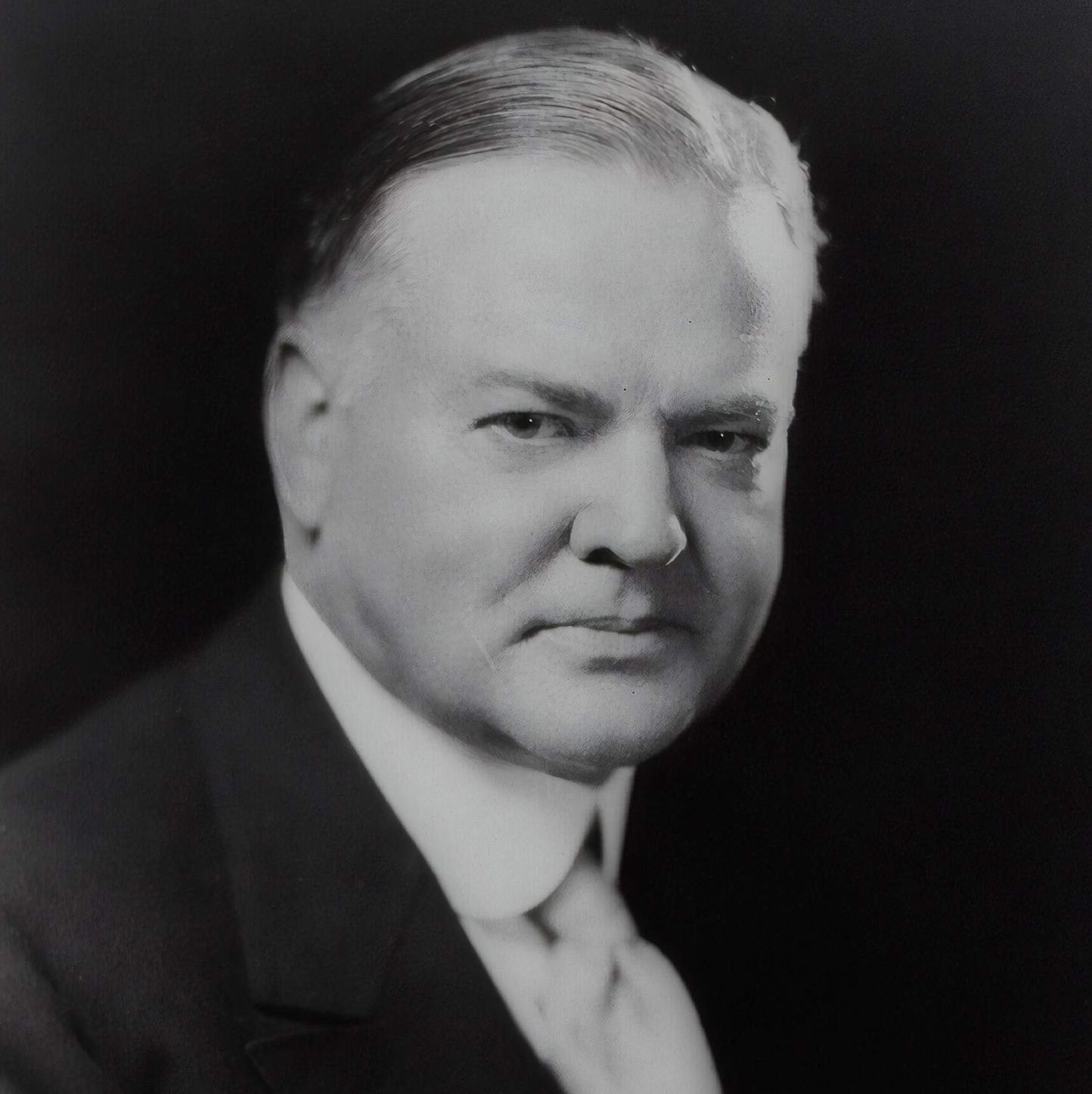
Herbert Hoover
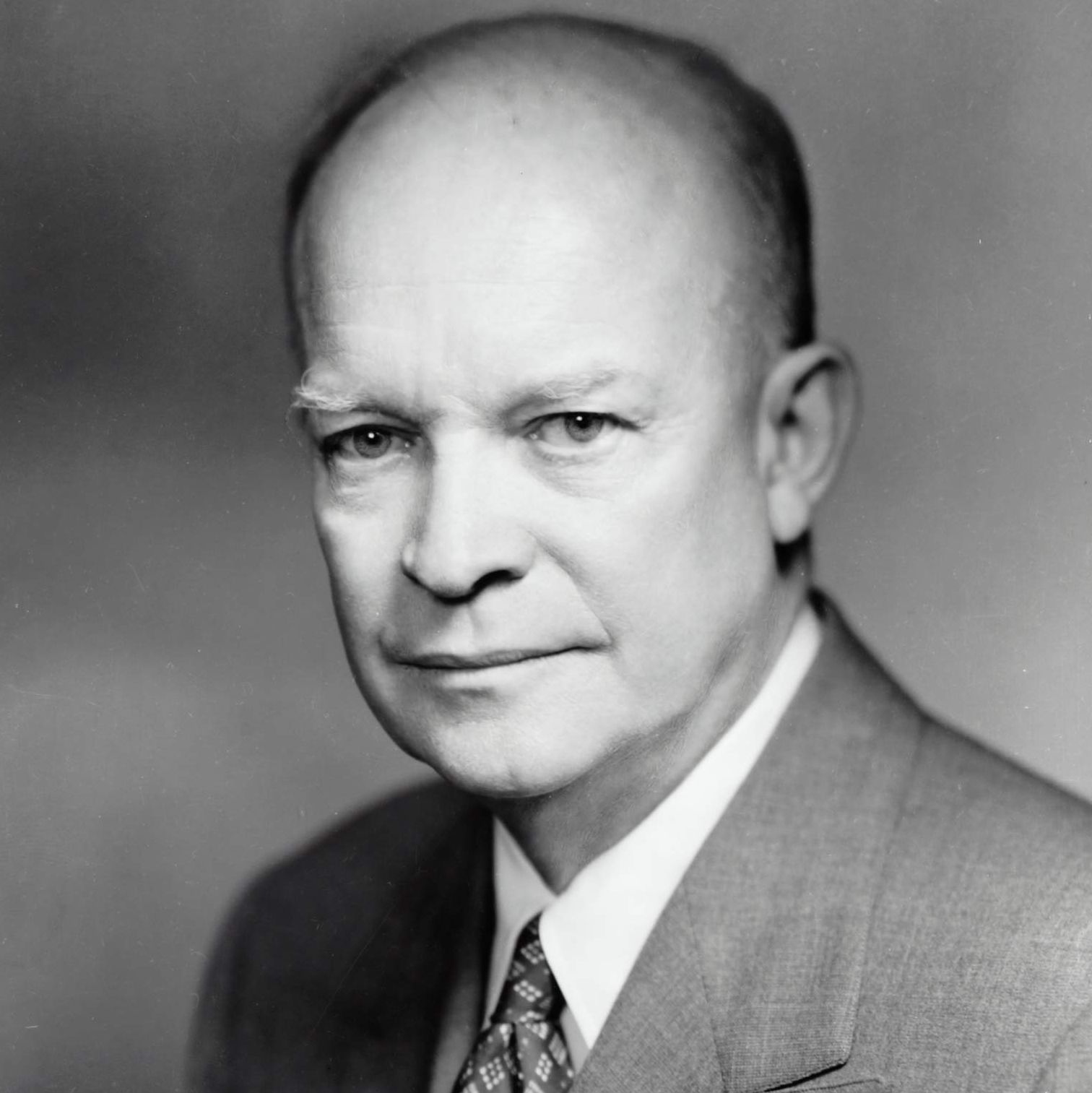
Dwight D. Eisenhower
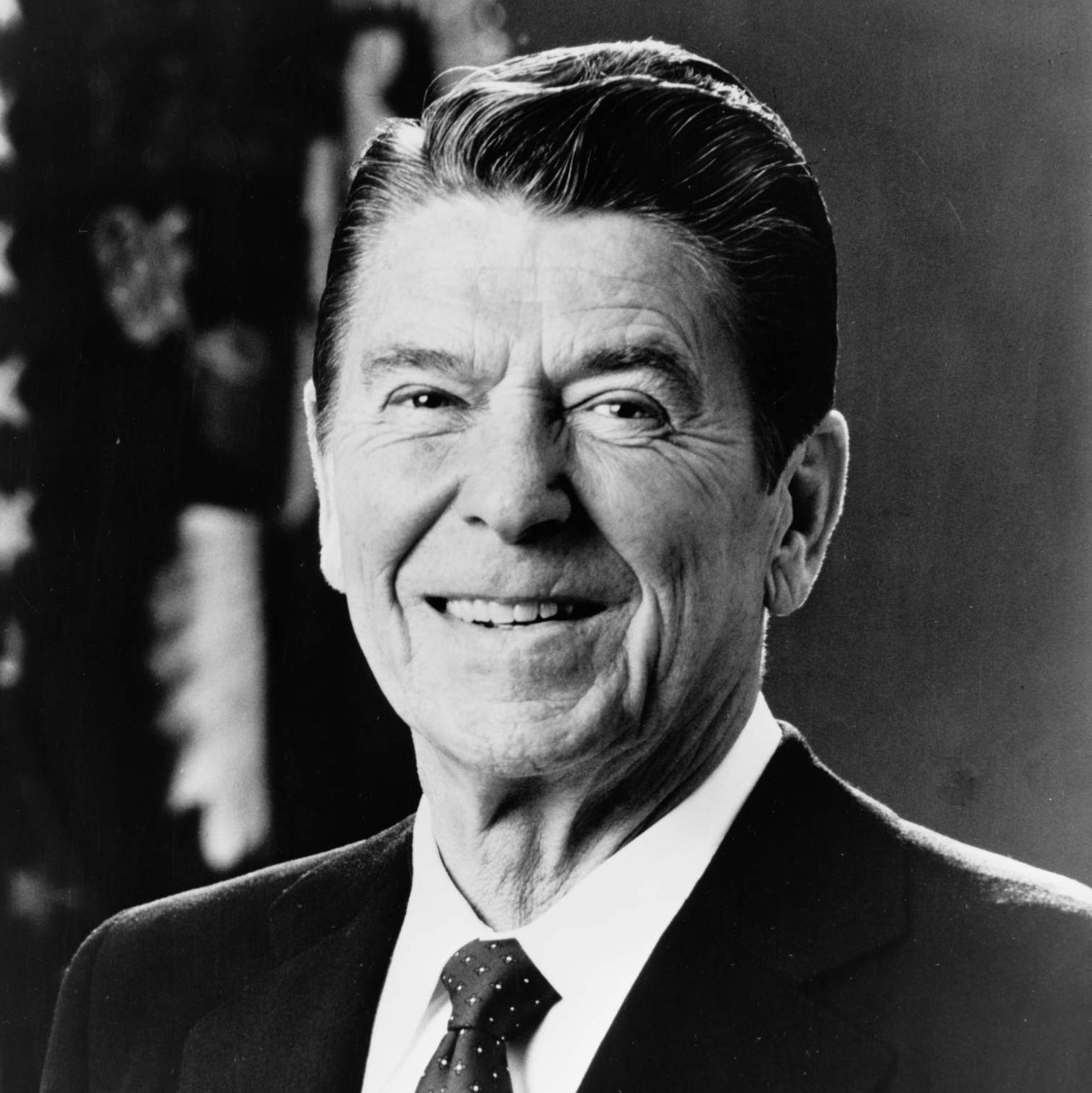
Ronald Reagan
Powers of the President
The president has a variety of powers that are unique to the position. For the remainder of the lesson, we will review these powers.
Commander-in-Chief
The president is the American military's commander-in-chief. Article I, however, states that Congress, not the president, may declare war. In many circumstances, therefore, a president may deploy troops—sometimes with, and sometimes without, congressional authorization. Then, it is up to Congress to control the deployment by utilizing control over the purse strings to guide presidential action.
The Power to Pardon
Article II, Section 2, Clause 1 gives the president the power to grant reprieves and pardons for offenses against the United States, except in cases of impeachment.
The Power of Treaties and Appointments
He shall have Power, by and with the Advice and Consent of the Senate, to make Treaties, provided two thirds of the Senators present concur; and he shall nominate, and by and with the Advice and Consent of the Senate, shall appoint Ambassadors, other public Ministers and Consuls, Judges of the supreme Court, and all other Officers of the United States, whose Appointments are not herein otherwise provided for, and which shall be established by Law: but the Congress may by Law vest the Appointment of such inferior Officers, as they think proper, in the President alone, in the Courts of Law, or in the Heads of Departments.
US Constitution, Article II, Section 2, Clause 2
He shall have Power, by and with the Advice and Consent of the Senate, to make Treaties, provided two thirds of the Senators present concur; and he shall nominate, and by and with the Advice and Consent of the Senate, shall appoint Ambassadors, other public Ministers and Consuls, Judges of the supreme Court, and all other Officers of the United States, whose Appointments are not herein otherwise provided for, and which shall be established by Law: but the Congress may by Law vest the Appointment of such inferior Officers, as they think proper, in the President alone, in the Courts of Law, or in the Heads of Departments.
US Constitution, Article II, Section 2, Clause 2
As the clause above explains, the president also has the power to make treaties and make political appointments (members of the Cabinet, judges, ambassadors, etc.), though these must both be approved by the Senate. Treaties require greater cooperation than appointments because treaties need a two-thirds majority in the Senate in order to pass.
Other Powers and Responsibilities
Article II, Section 3 contains several other powers as well as responsibilities of the president.
He shall from time to time give to the Congress Information of the State of the Union, and recommend to their Consideration such Measures as he shall judge necessary and expedient; he may, on extraordinary Occasions, convene both Houses, or either of them, and in Case of Disagreement between them, with Respect to the Time of Adjournment, he may adjourn them to such Time as he shall think proper; he shall receive Ambassadors and other public Ministers; he shall take Care that the Laws be faithfully executed, and shall Commission all the Officers of the United States.
US Constitution, Article II, Section 3
He shall from time to time give to the Congress Information of the State of the Union, and recommend to their Consideration such Measures as he shall judge necessary and expedient; he may, on extraordinary Occasions, convene both Houses, or either of them, and in Case of Disagreement between them, with Respect to the Time of Adjournment, he may adjourn them to such Time as he shall think proper; he shall receive Ambassadors and other public Ministers; he shall take Care that the Laws be faithfully executed, and shall Commission all the Officers of the United States.
US Constitution, Article II, Section 3
This section states that the president must make regular reports to Congress about the "State of the Union." It also gives the president the power to call Congress into special sessions or to adjourn Congress. Further, the president has the power to receive foreign representatives, care for the faithful execution of the law, and commission all United States officers, including those of the military and foreign service.
Watch the following video, which contains excerpts from President Reagan's State of the Union addresses.
Veto Power
If a president disapproves of a bill passed by both houses of Congress, he or she may veto it in one of two ways. The most common method occurs when the president sends a veto message to Congress within ten days (not counting Sundays—our country was founded on biblical principles, and Sundays were an important day of rest) of the bill being passed and states that he or she will not sign the bill into law.
The other method is known as a "pocket veto." If the president chooses not to sign a bill and Congress has adjourned within that ten-day period, then the bill will not become law. A bill not signed or vetoed within ten days while Congress is in session becomes law automatically, even without the president's approval.
Veto power gives the president enormous power to influence legislation. By threatening a veto before legislation is passed, the president can force Congress to compromise and pass bills it would otherwise find unacceptable.
A bill returned to Congress by the president with a veto message can be brought back to life, and Congress can override the president's veto with a two-thirds majority in both houses. A bill that has received a pocket veto cannot be brought back to life by Congress since, in this case, Congress has adjourned. Bills that receive a pocket veto do not carry over to the next session of Congress.
Unlike most state governors, the president does not have the power to exercise a line-item veto, which is a type of veto power that allows an executive to veto only a portion of a bill. Instead, the president must either sign the whole bill, veto the whole bill, or allow the bill to become law without his or her signature.
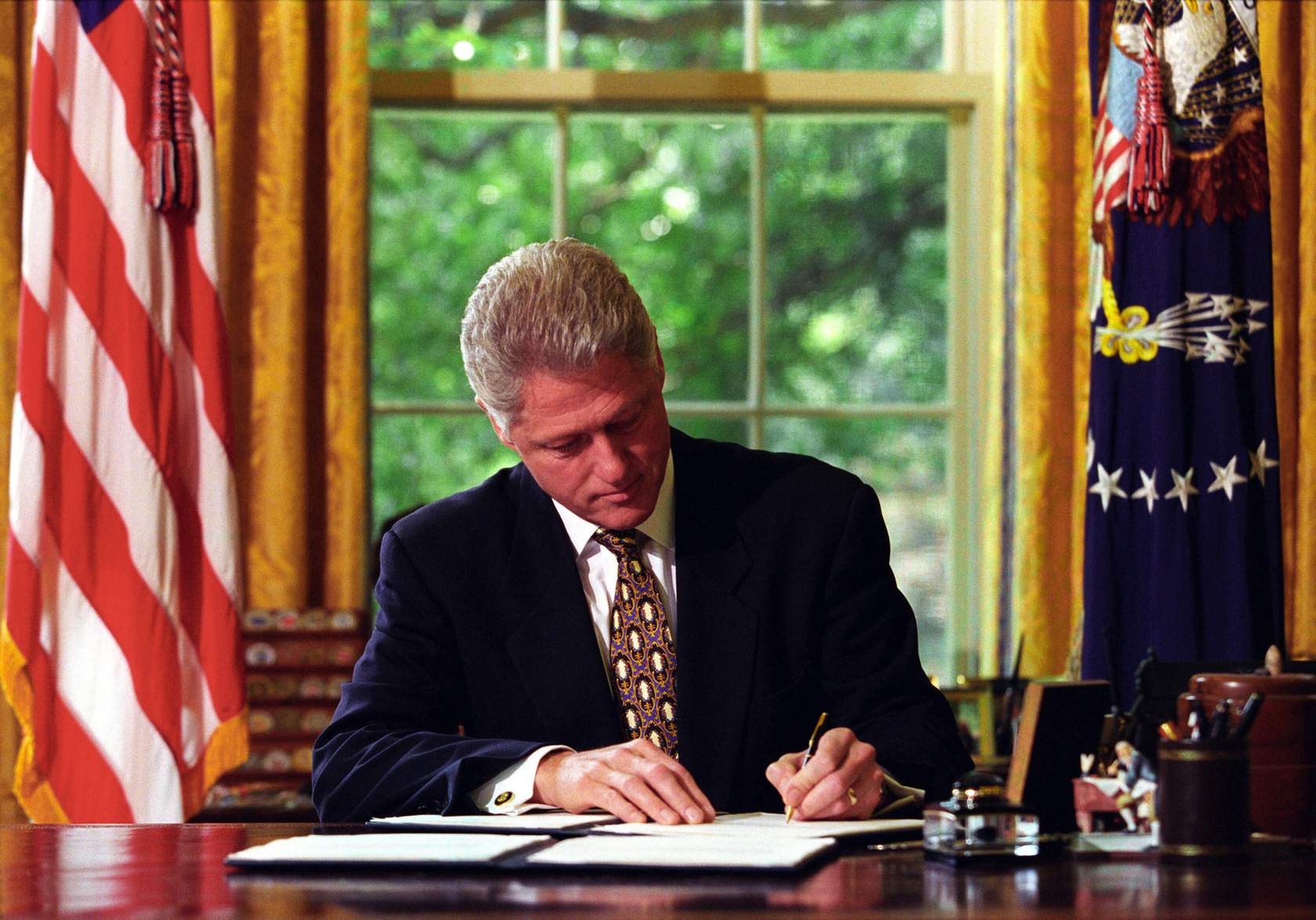
The president was briefly given line-item veto power for budget bills in 1996, but this was ruled unconstitutional two years later. In this image, President Clinton is exercising this line-item veto power to veto portions of the Balanced Budget Act of 1997.
The Missing Clause: Executive Privilege
The right of the president and the executive branch to keep certain communications confidential is known as executive privilege. The question of what information the president may withhold from the courts or Congress is contentious and not clearly defined. The Supreme Court has ruled that presidential communications are protected by a privilege that is "fundamental to the operation of government and inextricably rooted in the separation of powers under the Constitution." Executive privilege, however, is not absolute.