Foreign policy of Jiang Zemin and Hu Jintao
Both of them were chosen by Deng Xiaoping - very similar foreign policy
Strategic considerations of the area
The collapse of the Soviet military power, markedly improved China’s overall security situation
The sharp international reaction to the Tiananmen incident caught Chinese leaders by surprise
They expected industrialized nations to restore stable relations with their country after a few months
the West was surprised and disappointed that socialism and authoritarianism didn’t fail in China as it did in Europe – they expected it to in China too, but then the democratic riots were just shutdown – they wanted socialism to fail there too
consequences – sanctions on China, trade relations frozen or scaled back, arms embargo (developed countries do not sell weapons or any equipment that could make China stronger) (by 1994 they were lifted – except the arms embargo, still intact
They did not expect the rapid collapse of communism in Eastern Europe
Because of the Sino-Soviet split since the 1950s, China had pretty bad relations with also the soviet satellite states – information limited – so they were caught off guard it happened
China’s strategic importance diminished
Was not a major balancing for against the USSR anymore
Taiwan’s moves towards greater democracy and US support
Republic of China since 1949
for decades it was kinda a dictatorship – Chiang Kai-shek – but he died in 1976
Chiang Ching-kuo – his son – started democratizing
early 1990s – first free elections – bad for China - this meant Taiwan could get even closer to America and the West
pushed the possibility of reunification even further
shooting ballistic missiles into the water near Taiwan
America sent 2 planes
China found itself depending heavily on foreign trade and investment and assistance for economic development. Asian neighbors, the US and other major consumer markets were important to absorb its exports
Communist ideology was not popular enough anymore to support CPC’s monopoly of power, so leaders played up of patriotism and nationalism to support their rule
Criticism by the US and other countries of the communist system were portrayed not as attacks against CPC’s rule but as ‘imperialist’ assaults on China’s national integrity, equated with the century of humiliation
century of humiliation – against imperialistic West it was easy to build up nationalism
Goals of the era
Regime survival: to perpetuate their power and avoid the fate of the USSR and other communist regimes (domestic priorities)
China remained sensitive on matters of national sovereignty and security issues close to home, but adjusted to world pressure when resistence appeared to broader Chinese concerns
Territorial unification and integrity (Taiwan, ECS, SCS, India)
but no actual conflicts happening
the military wasn’t on the level of actually engaging in war
they will never let it go, but they can wait for a while
China’s economic, technological, and military modernization, the improvement of social conditions and stability
Regional preeminence
To be seen as the leading power in Asia and not as lower in prestige than its neighbors + to be able to project power
Global influence: China’s leaders desired status and prestige among the community of nation and to be a major player in the IMF, WB, the WTO etc.
Means of the era
Implementation of the 24 characters directive
Jiang Zeming was especially active in foreign affairs, led Chinese efforts to sustain an effective approach towards the US, adjusted the mix of incentives and sanctions toward Taiwan, and created a more coherent and active policy towards its periphery in Asia
Emphasized the maintenance of a peaceful international environment, especially in nearby Asia, which would facilitate the continued trade, investment, and assistance flows
China attempted to stay on good terms with their neighbors and to keep economic and other channels with the US open
But: endeavored over time to weaken overall US power in the long-term to create a more “multipolar” world
Military modernization adopted a more rapid pace
China maneuvered carefully and sometimes forcefully to defend key interests while accommodating American concerns in other areas (Taiwan crisis in 1996 and the trashing of US diplomatic properties in China after the US bombing of the Chinese embassy in Belgrade in 1999)
Jiang Zemin (GS of CPC: 1989-2002)
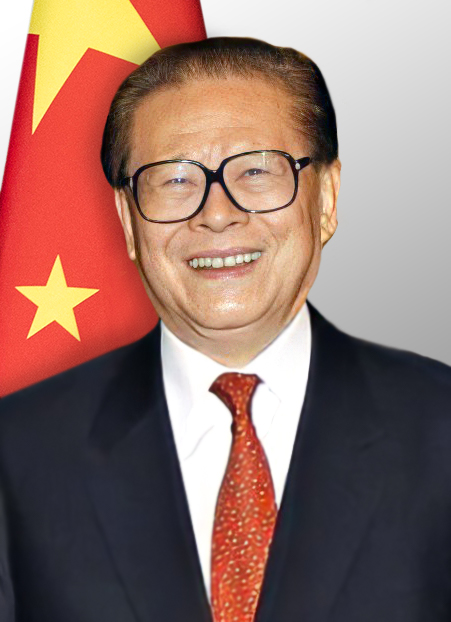
Under the influence of Deng Xiaoping till 1997 and beyond
Multipolarism instead of hegemonism
Strengthend UN - Supported a stronger role for the UN in global governance
Omni-directional diplomacy - engage with all global regions
Promotion of worldwide peace and development - Reframed China as a responsible stakeholder
Good relationship with the neighboring countries
Normalized relations with Russia, India, Vietnam, South Korea, ASEAN nations
1996: “Good-neighbor policy” launched
No more threat from the USSR - No longer needed to maintain a hardline posture
Ideology-free foreign policy to all directions
Friendly environment for economic development
Participation in international cooperations and regionalism (peacekeeping, non-proliferation, APEC: 1991, AESAN+3: 1997)
Emphasis on summit diplomacy - Jiang personally attended numerous summits (to present China as open, stable, and cooperative)
Events:
1991: China joined the APEC
1992: formal diplomatic relations with RoK
1994: China attended the ASEAN Regional Forum
1995-1996: Third Taiwan Crisis
1996: Strategic Partnership with Russia
1996: The Sanghai Five (SCO since 2005)
1998: first year of EU-China summits
1999: Bombing of the Chinese embassy in Belgrade
2001 April: Hainan Island Incident
2001: 9/11 - Improving US-China relations
2001: WTO accession
Hu Jintao (GS of CPC: 2002-2012)
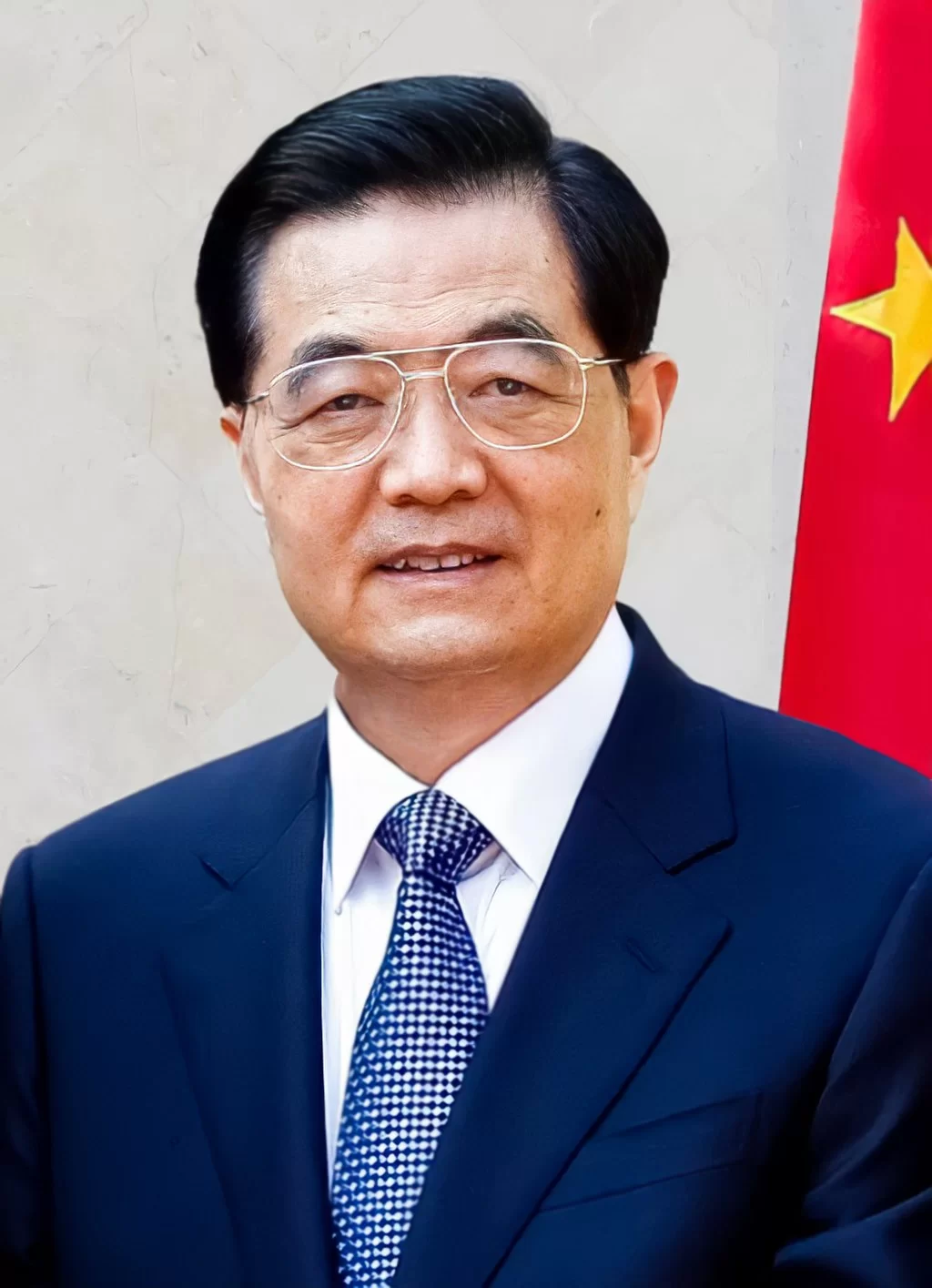
Under the influence of the late Deng Xiaoping - “Hu’s diplomacy” has never been coined like Deng’s or Xi’s
Peaceful rise (2003) vs. peaceful development (2004)
Harmonious world
international law
International economic cooperation
Mutual respect
International peace and stability
Joint efforts to fight climate change
Territorial issues regarded as core interest instead of foreign policy
Events:
2005: responsible takeholder ??
2009: Copenhagen Climate Conference
2008/2009/ Global financial crisis
2009 and onwards: more assertive, SCS, Dalai Lama, extension of core interests (prelude to XJP)