Marketing Mix
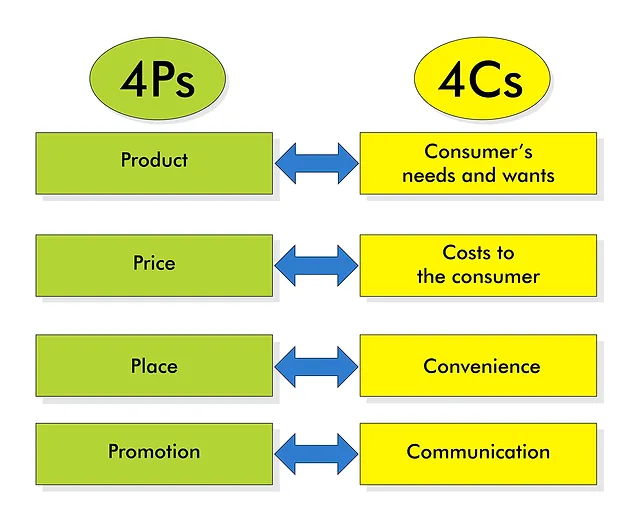
The marketing mix = a set of tools (four Ps) the firm uses to implement its marketing strategy.
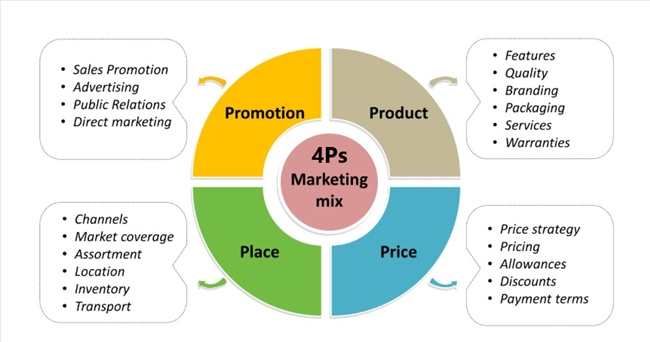
[[PRODUCT - based on groupwork[[
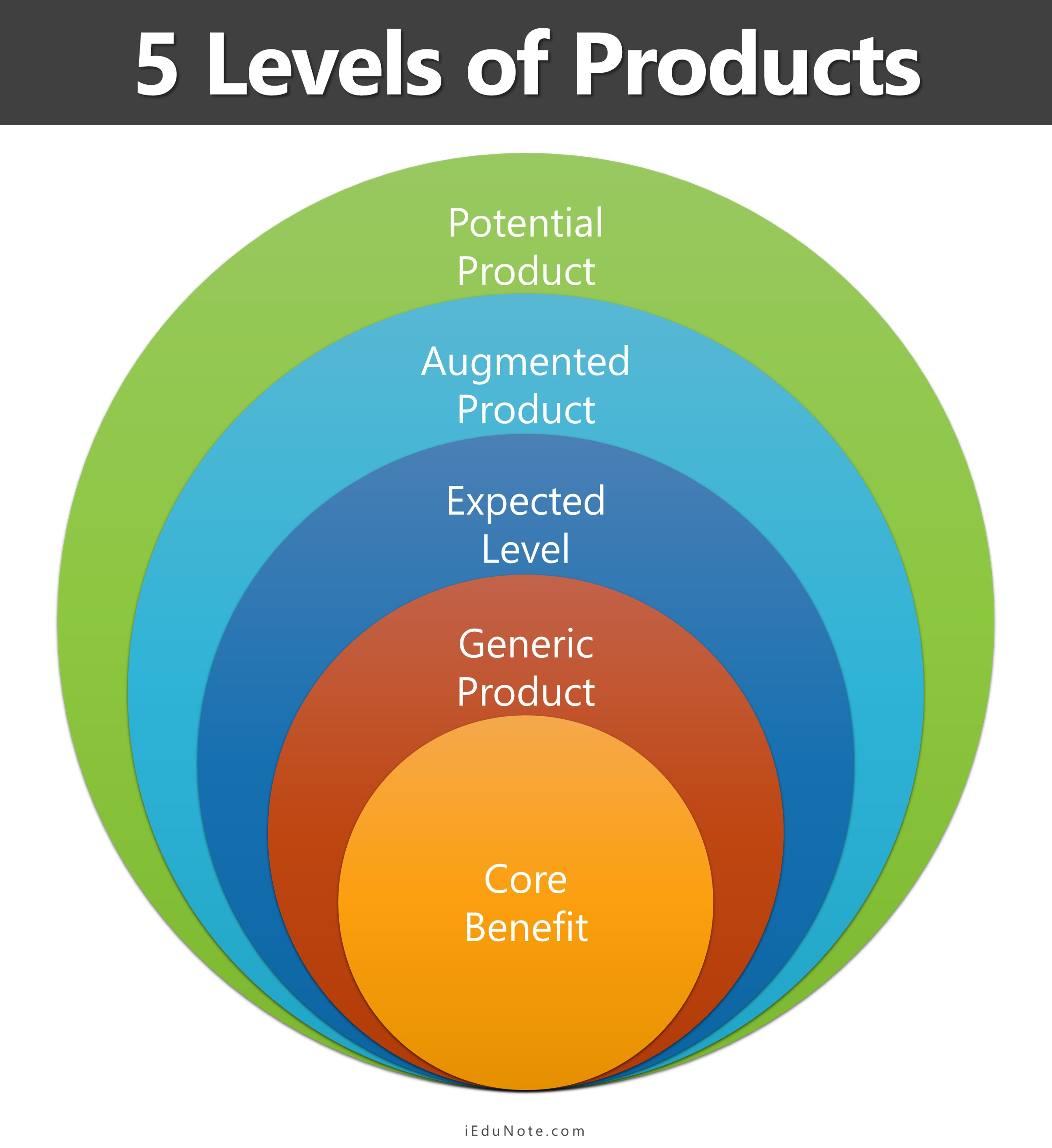
- Core benefit : basic needs that consumers satisfy when consuming products
- Generic product : quality of product to achieve core benefits
- Expected level : benefits that consumers expect to get when purchasing products
- Augmented product : (brand identify or image) additional factors which set product apart from competition
- Potential product : augmentations and transformations that the product may undergo in the future
\ \
<<CULI SERVICE<<
- Core benefit * health beneficial and time-saving * Our service focus on solving problem that VGU-er facing now especially going out for lunch or taking packages from E-commerce platform such as Shopee, Lazada. * Our service will help VGU students and staffs to reduce their frequency of going out or avoid direct sunlight and take more time to rest at lunch time or leisure time
\
- Generic product * We create a delivery service
- Expected level * quickly, reasonable, time-saving * The process delivery should be quickly after booking a service in webpage * The price should be reasonable for VGU-er * VGU-er save more time
- Augmented product * flexible , fast, environmentally friendly , collaboration * Our service will provide schedule that students and staffs can easily to choose the delivery time * Due to VGU campus, our service can use electric bikes to reduce gas emission into atmosphere. That also consume less money investing on gasoline or oil * Collaborate with other service providers like bike or scooter renting to deliver order fast
- Potential product * speed, customer experience * Using supply chain to improve the booking process * Develop website to improve experience of customer through feedback and evaluation
\
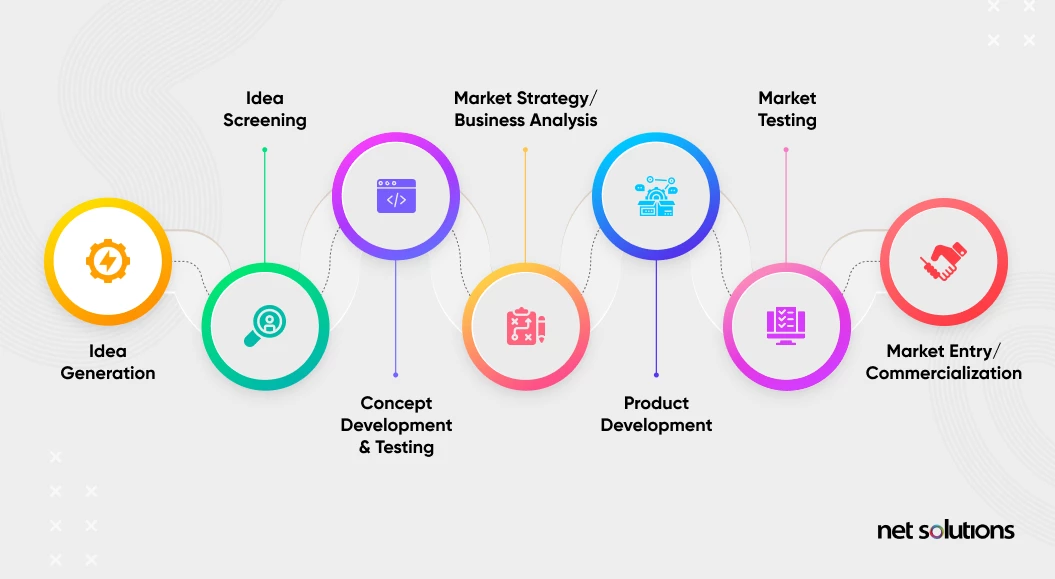
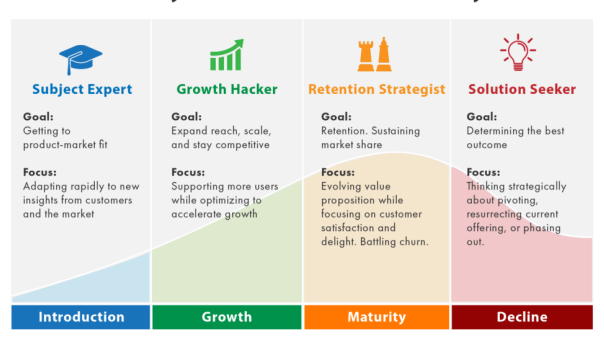
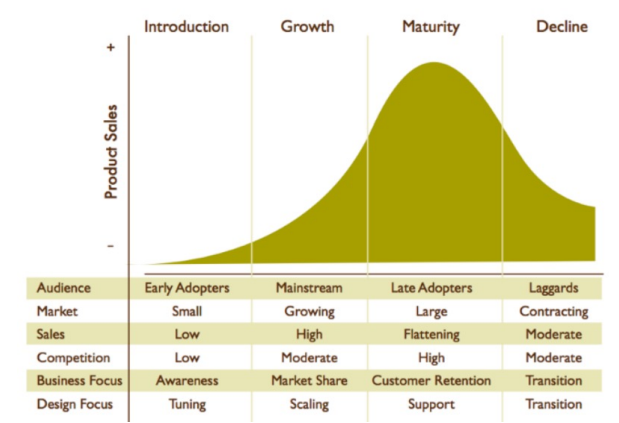
- Product idea
- Product concept
- Product image
- Product prototype
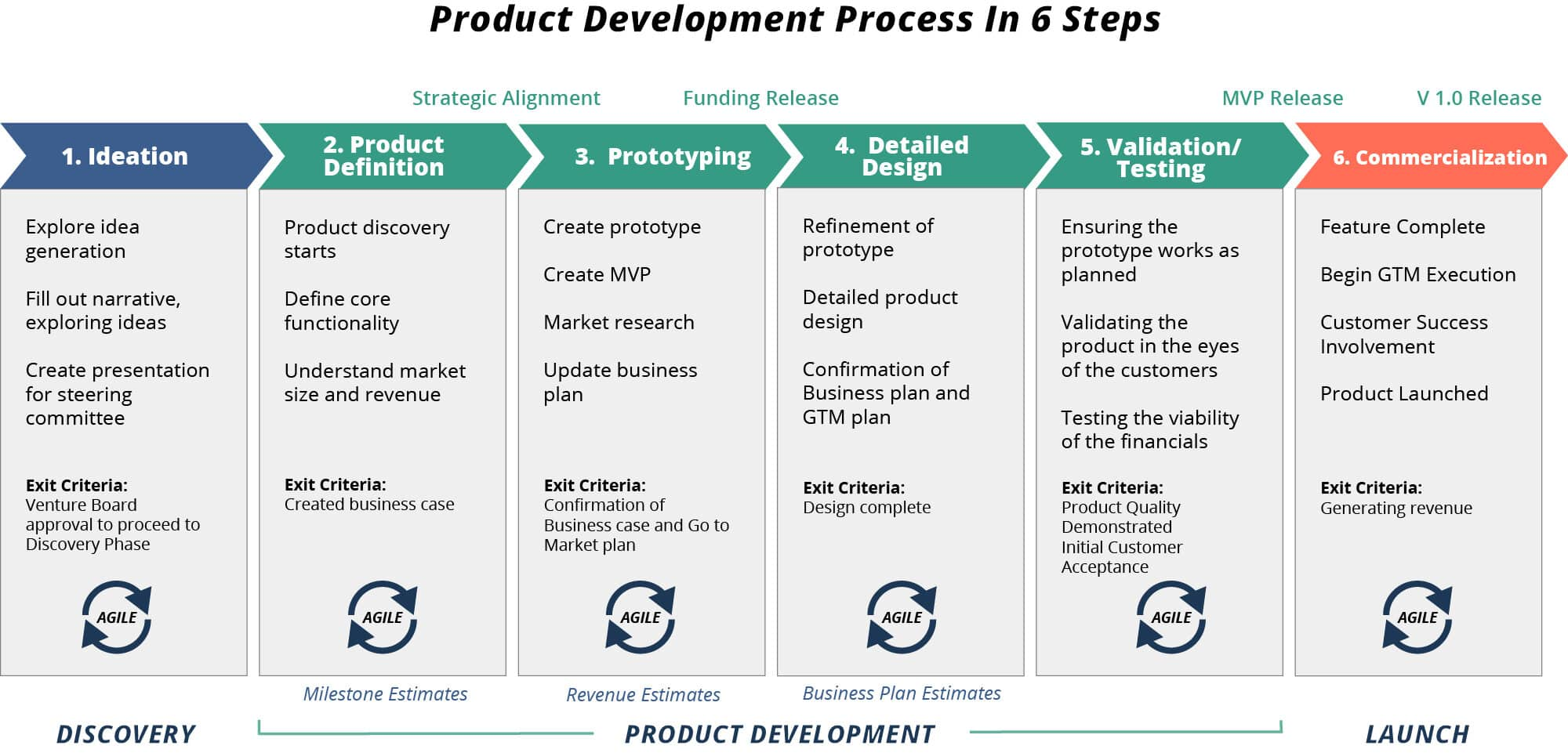
Defi : refers to a business’s overall game plan for reaching prospective consumers and turning them into customers of their products or services. A marketing strategy contains the company’s value proposition, key brand messaging, data on target customer demographics, and other high-level elements.
- Target market
- Value proposition
- Sales & profit goals
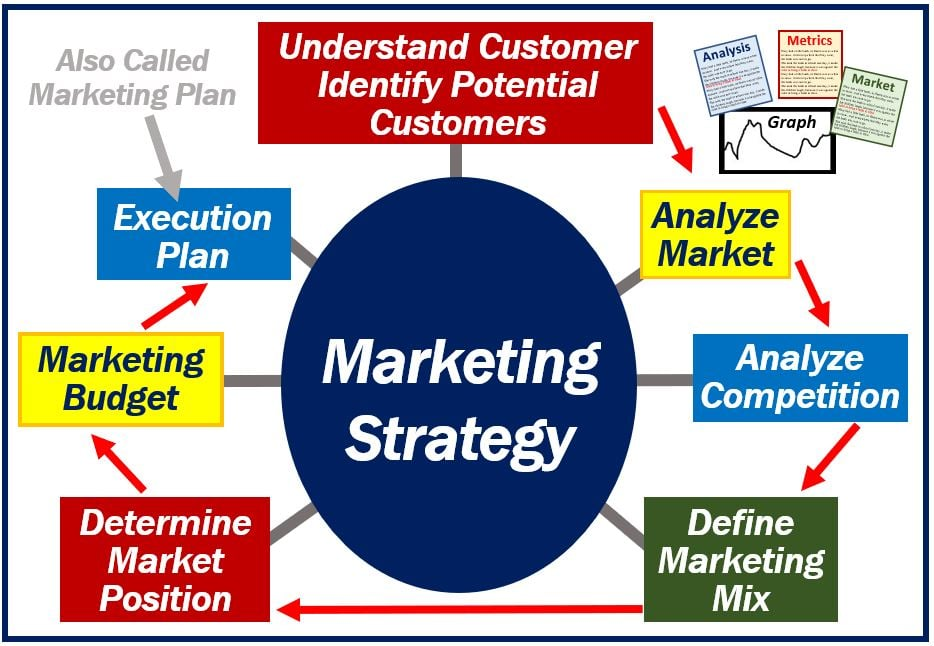
- • R&D •
- Investment •
- Testing product •
- Trials and errors
- Standard test markets •
- Controlled test markets •
- Simulated test markets
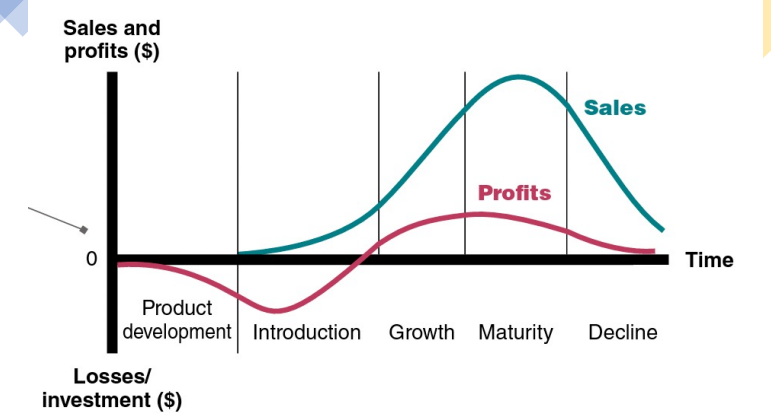
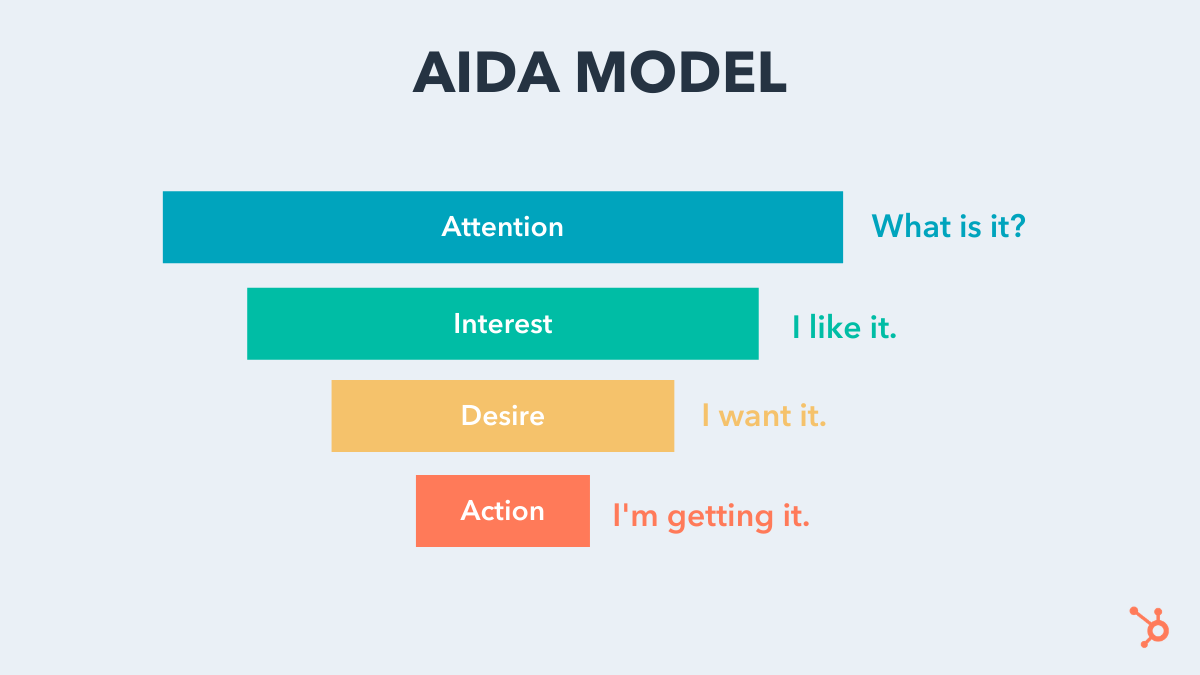
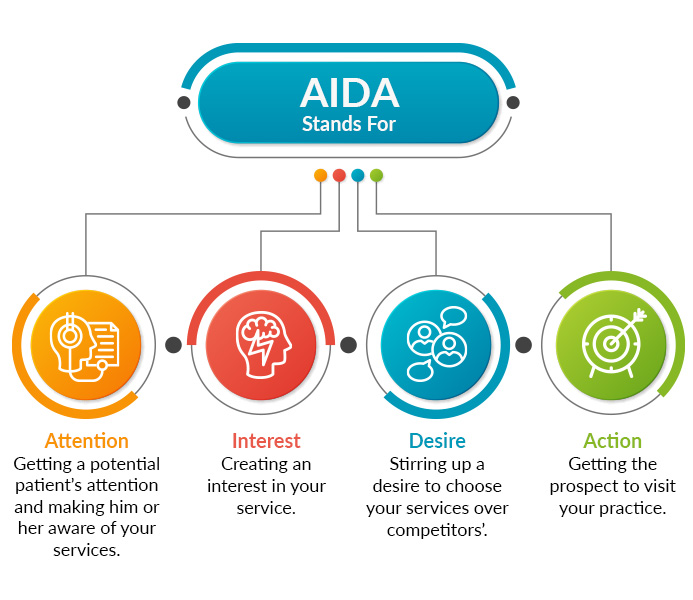
Model
\
\
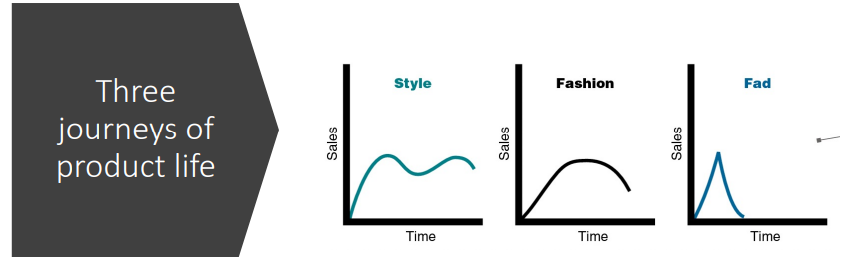
\
[[PRICING[[
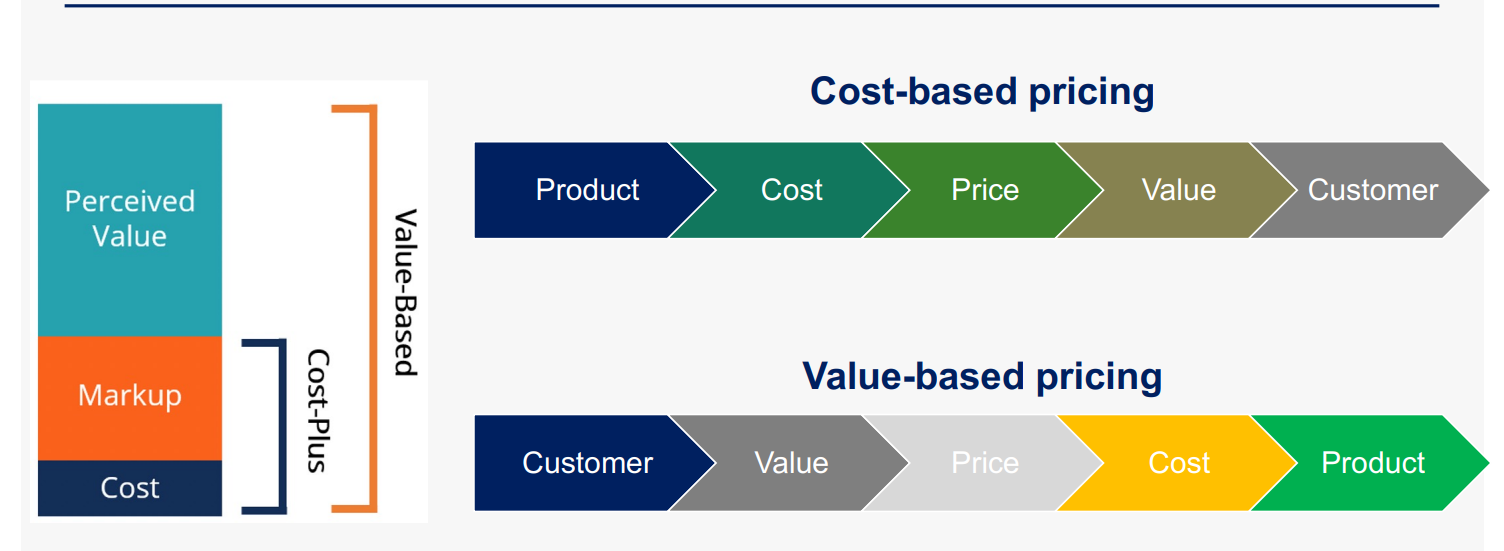
- Pricing refers to setting the price for a product/service that we want to sell/buy.
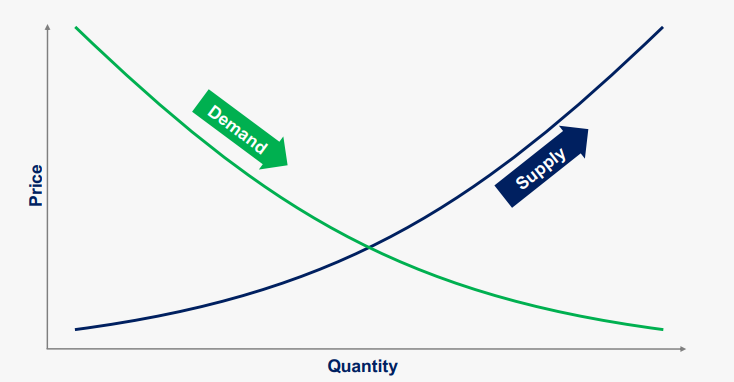
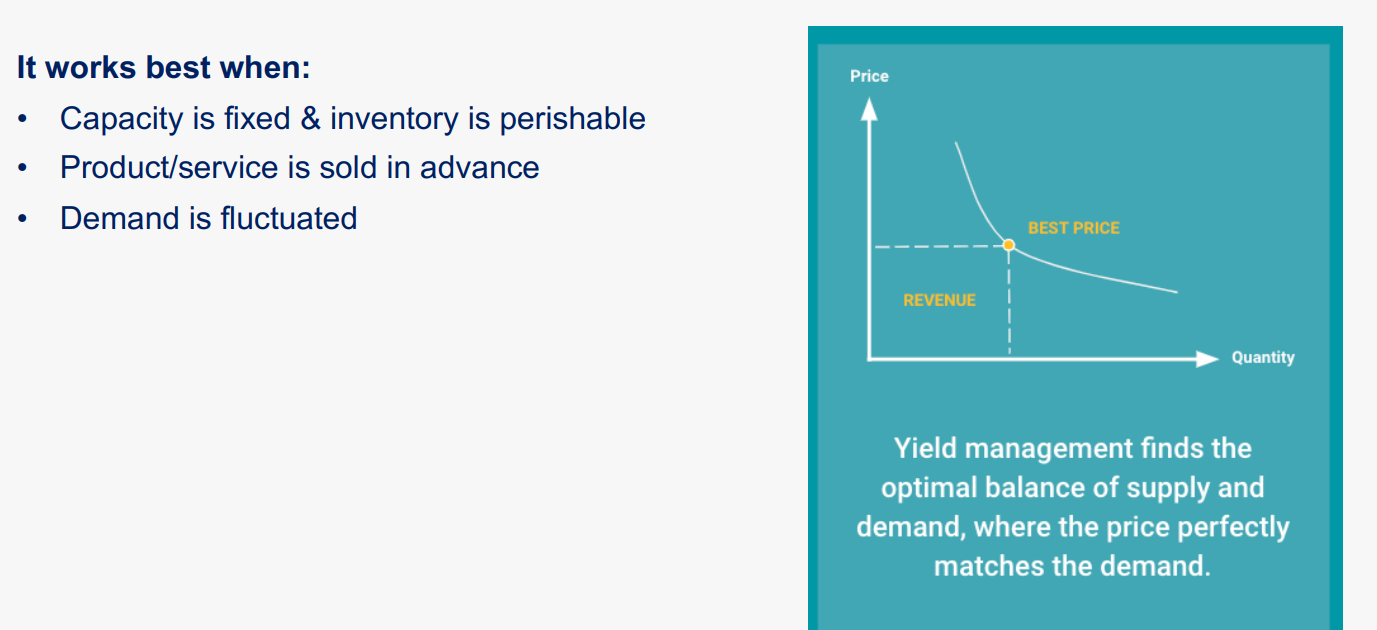
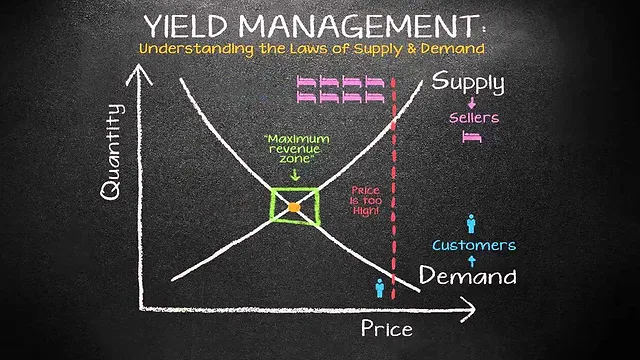
- Price is the fundamental interaction point between supply and demand
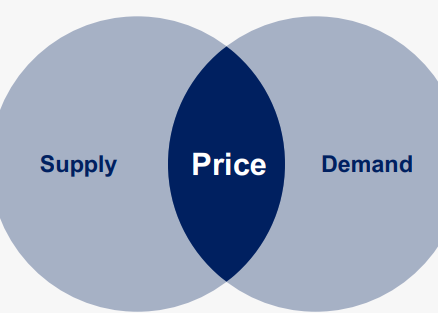
- Price impacts both Demand and Supply
%%FIXED COST%%
%%VARIABLE COST%%
\
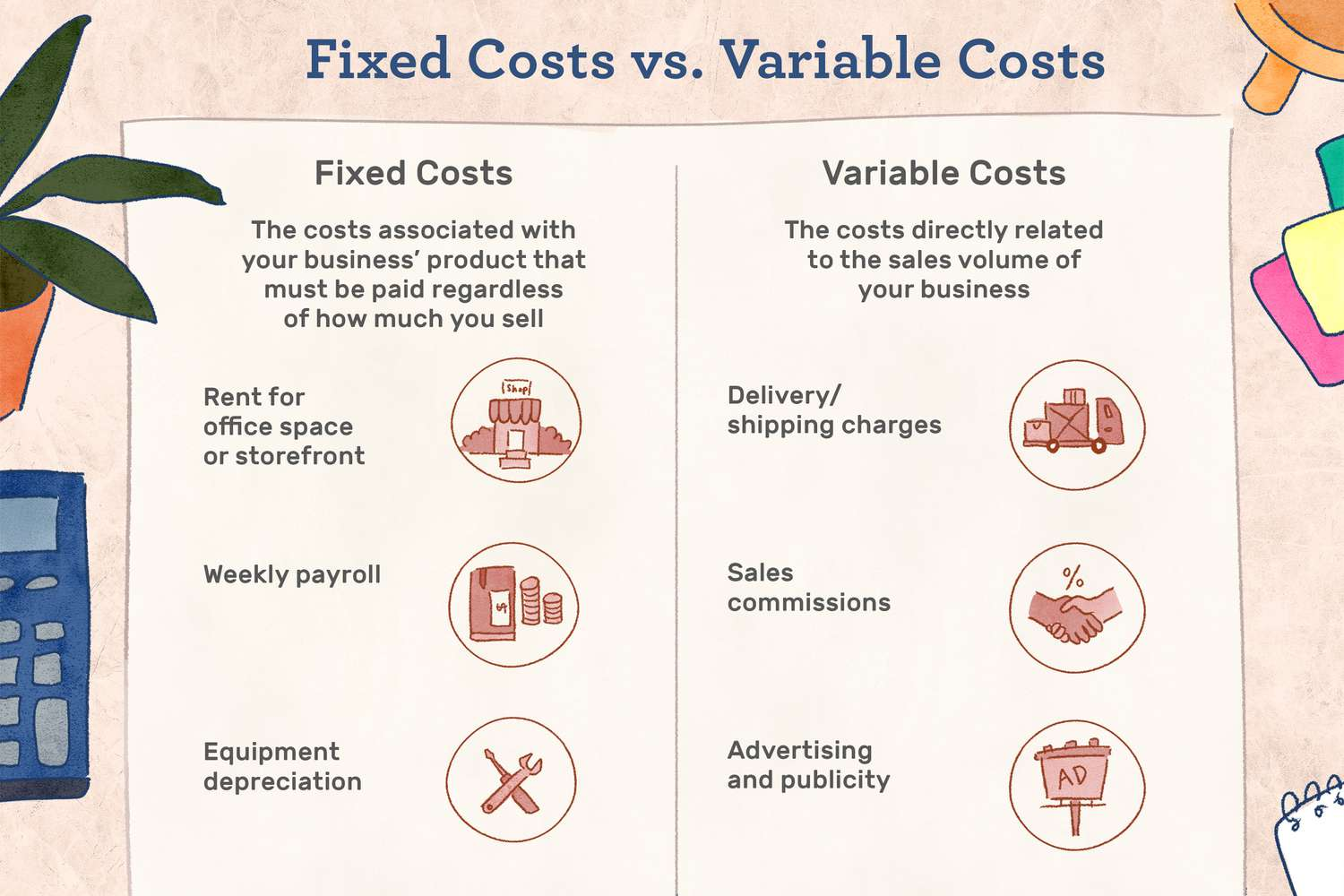
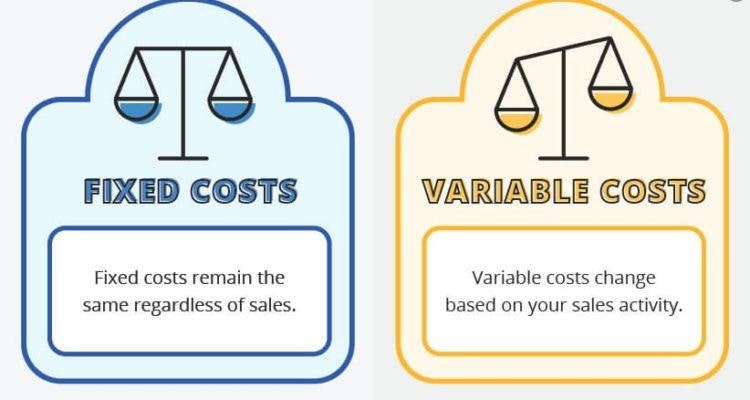
%%TOTAL COST%%
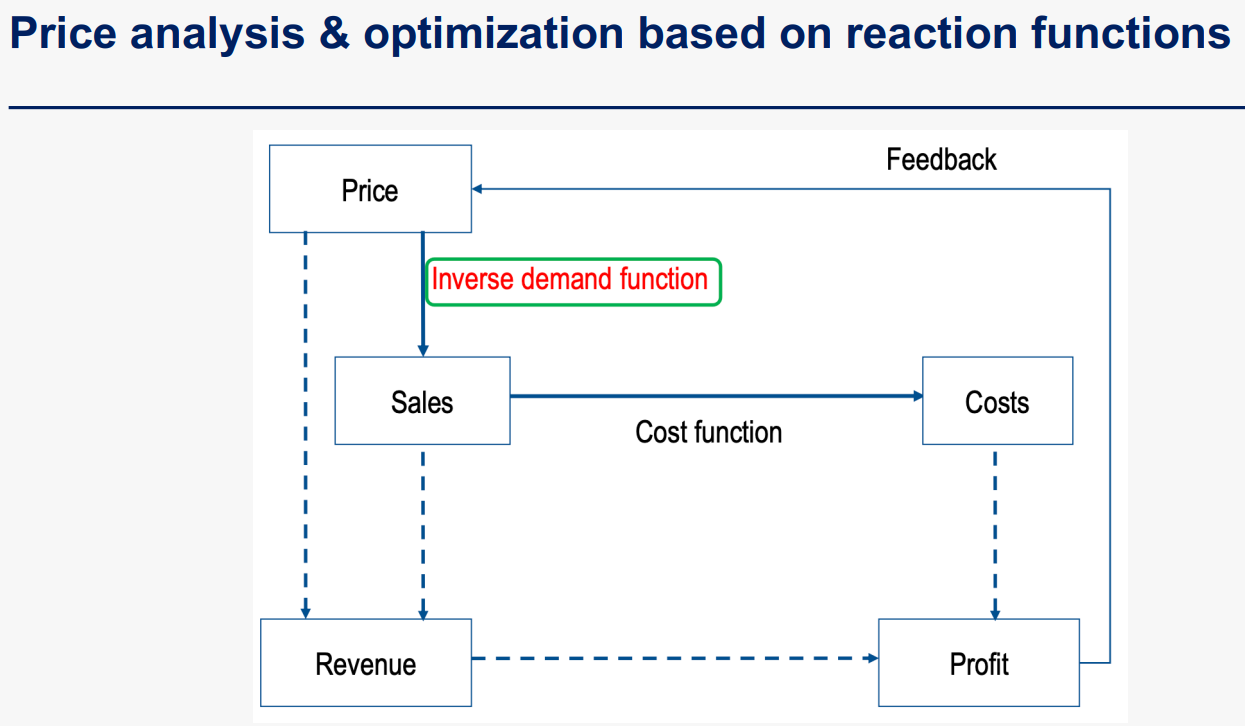
- Total cost = Fixed + Variable x Amount
- Revenue = Amount * Price
- Profit = Revenue - Cost
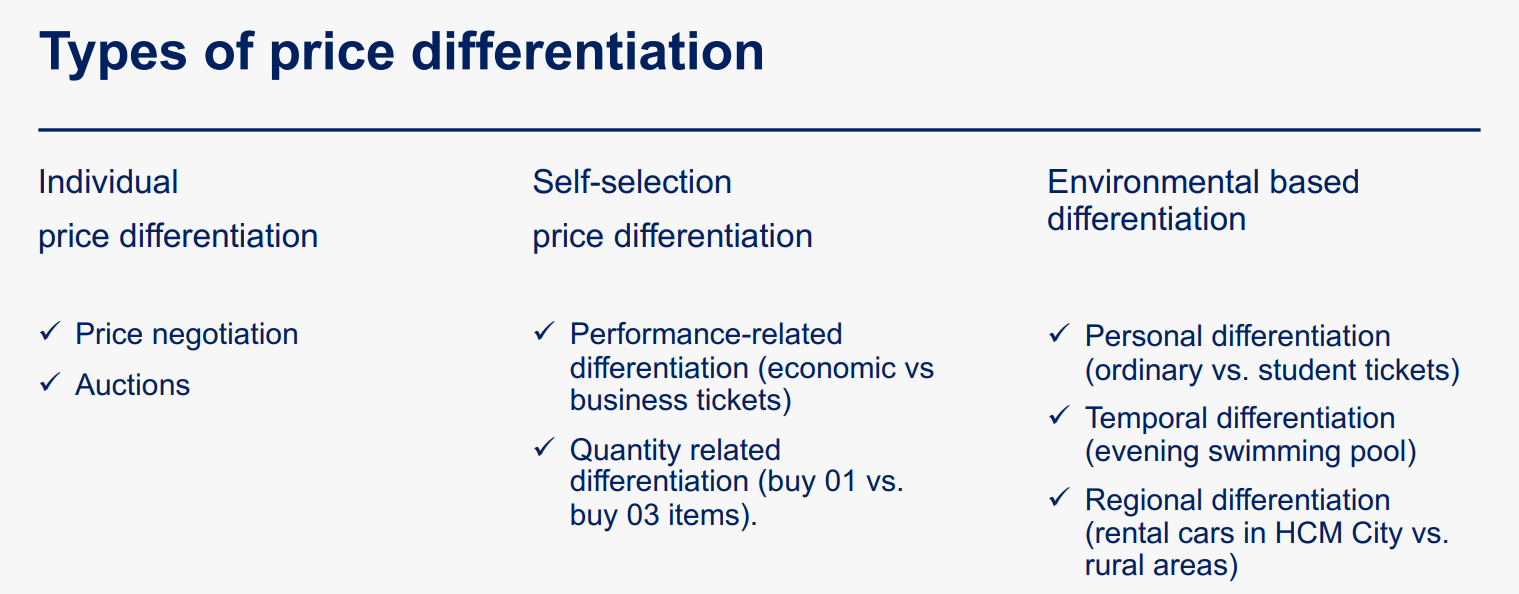
- Price differentiation refers to setting prices that differ and vary for the same product/service depending on customer demographics
- Types
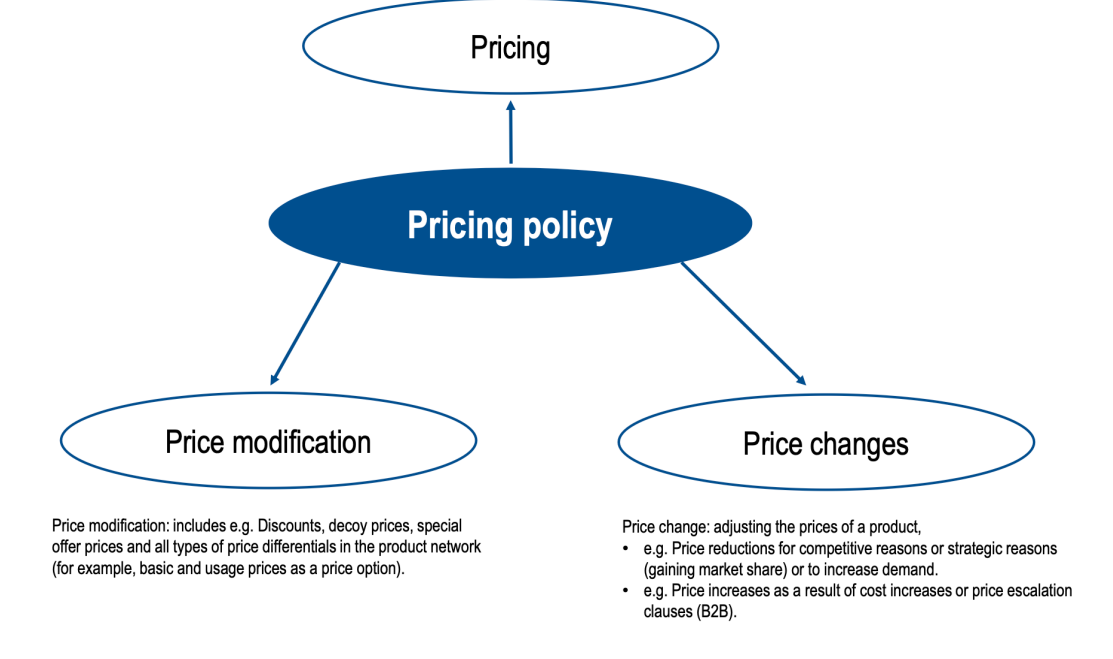
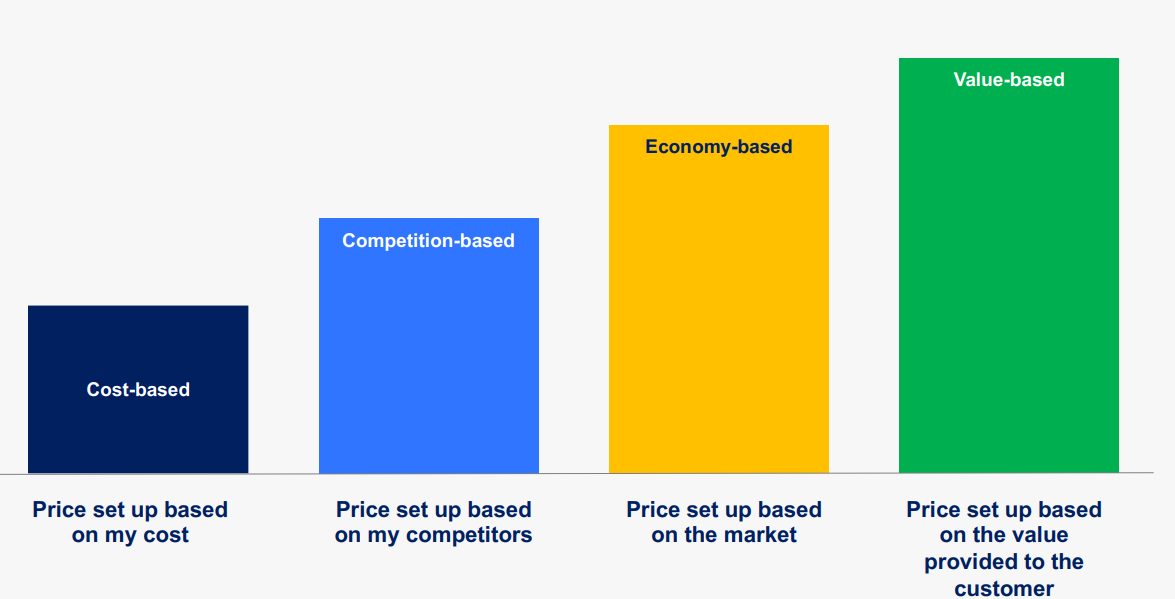
PRICING POLICY
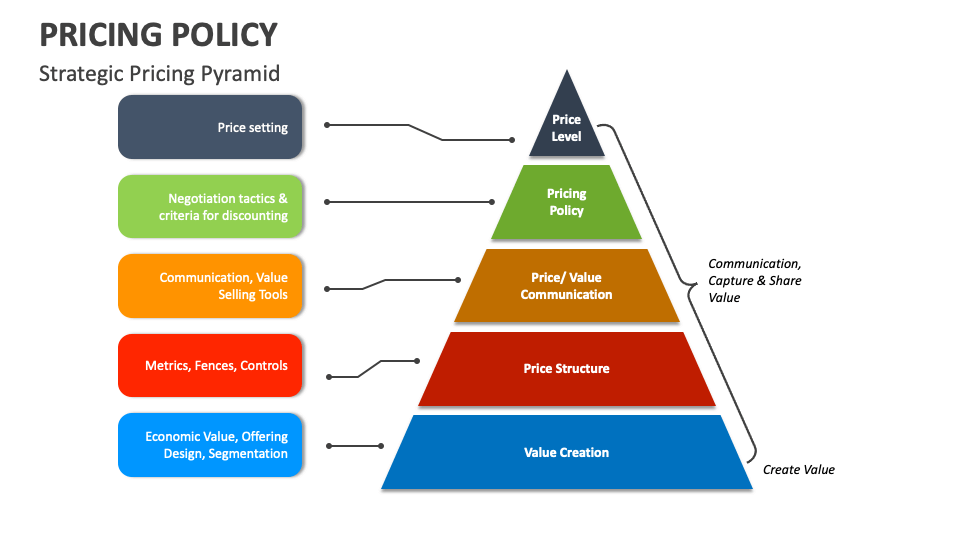
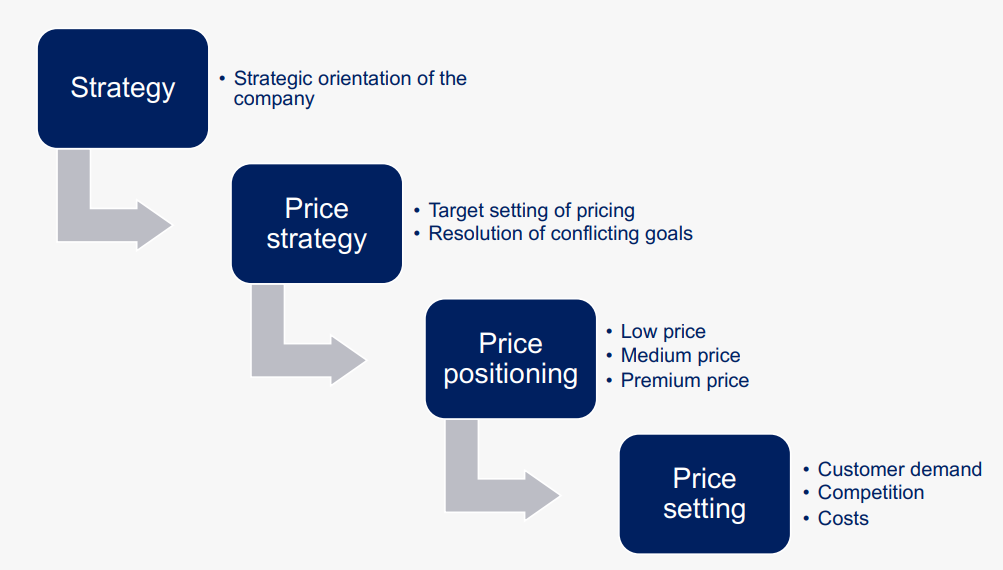
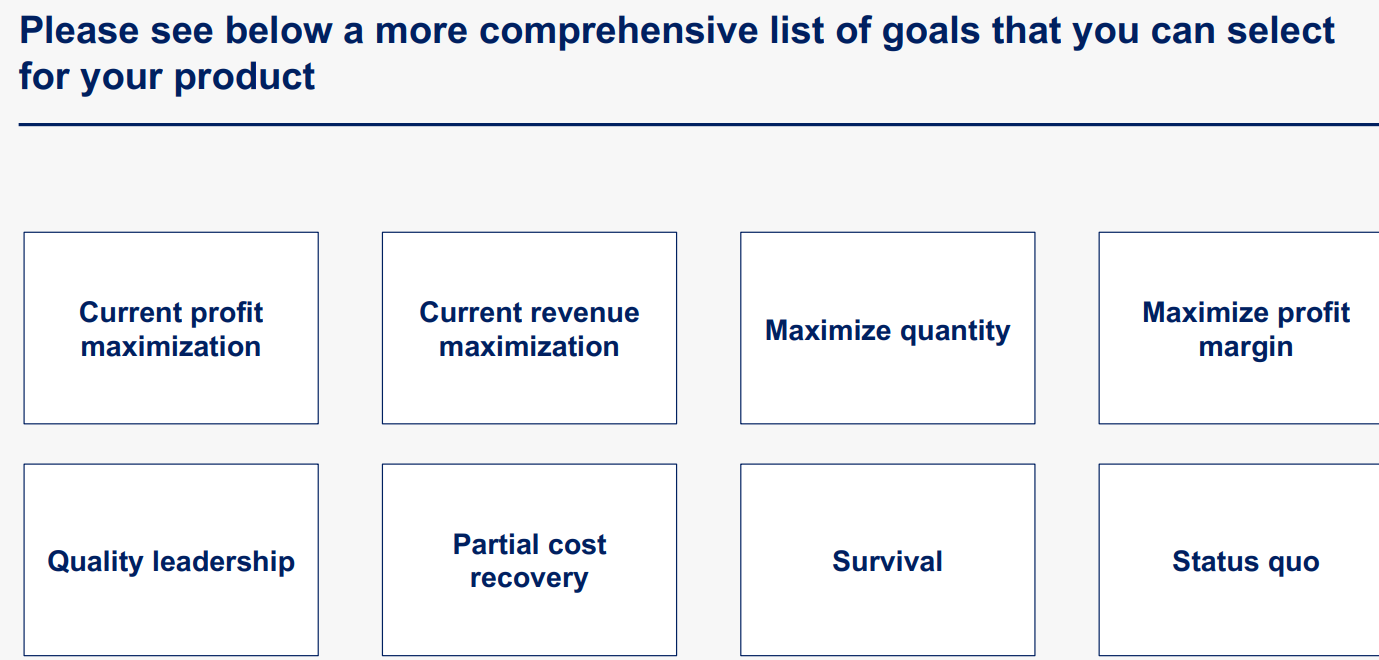
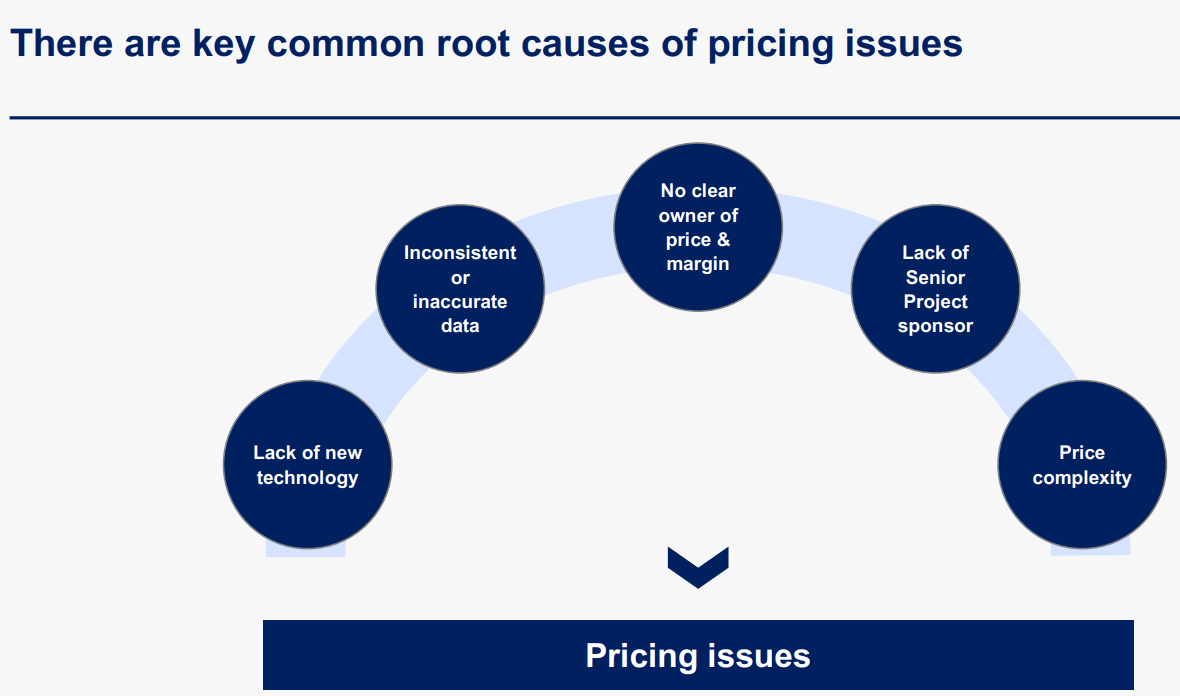
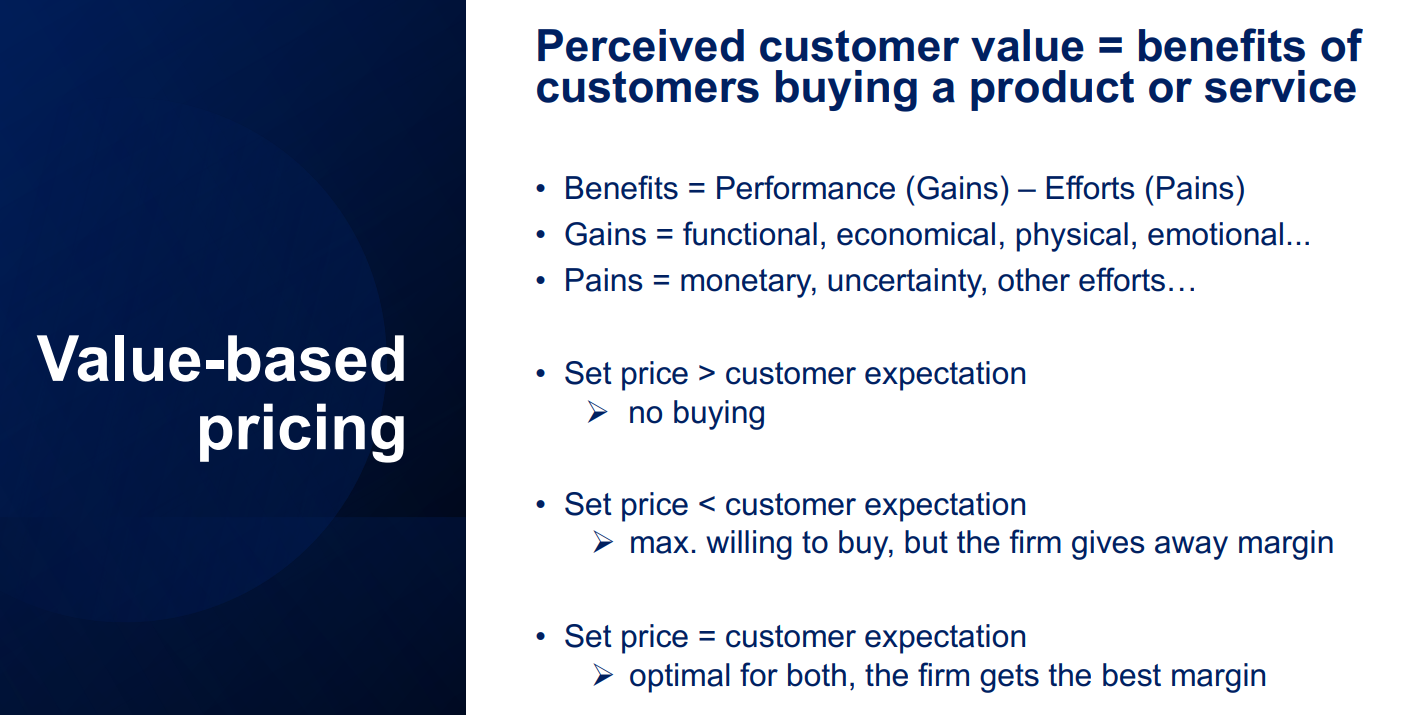
How to set the proper price to achieve business goals?
Process of price management
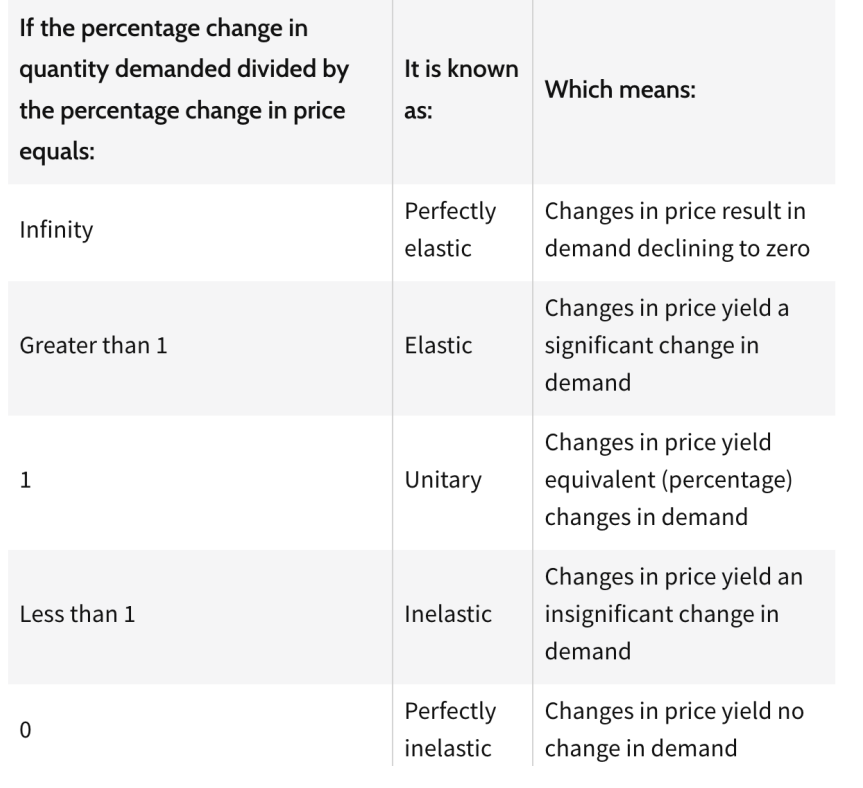
Price elasticity of demand
Price elasticity of demand is a measurement of the change in consumption of a product in relation to a change in its price.
- types
\
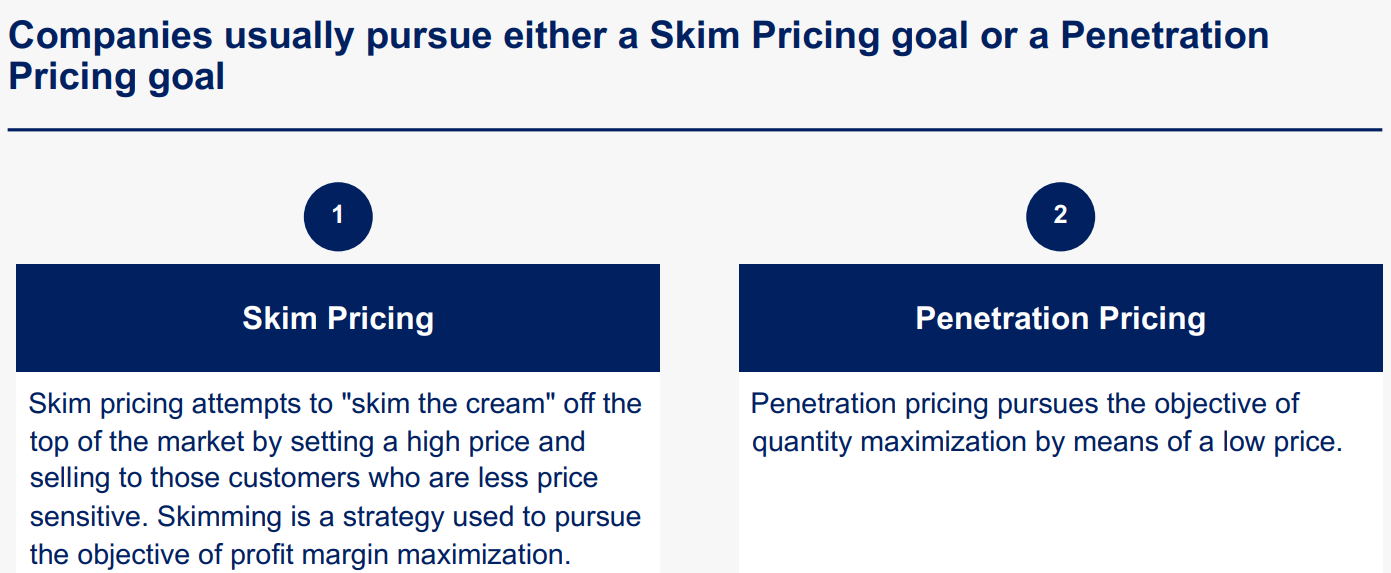
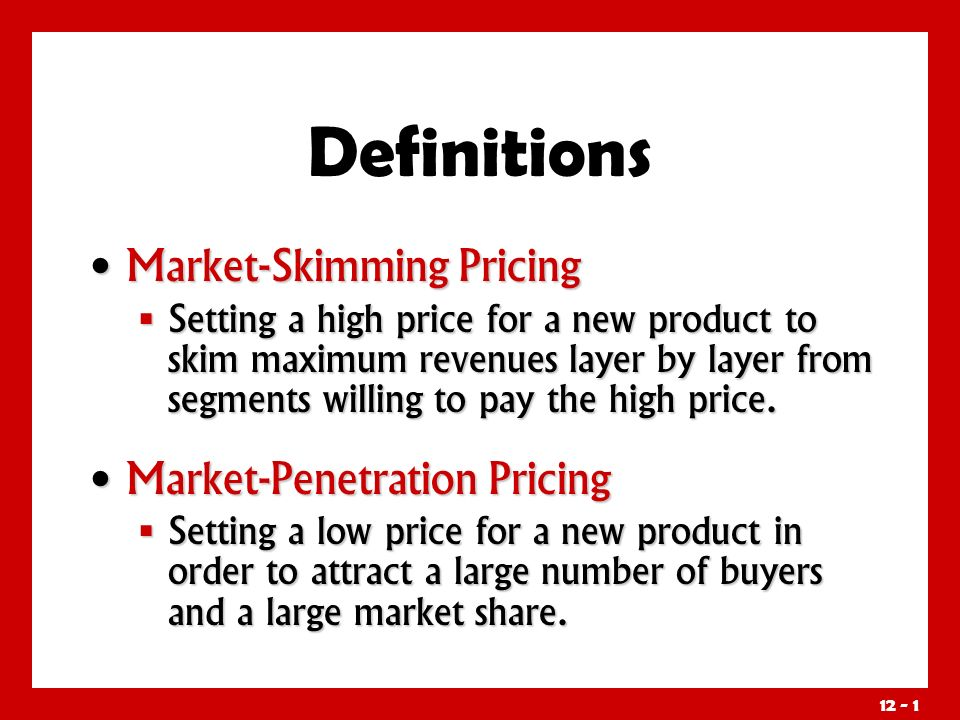
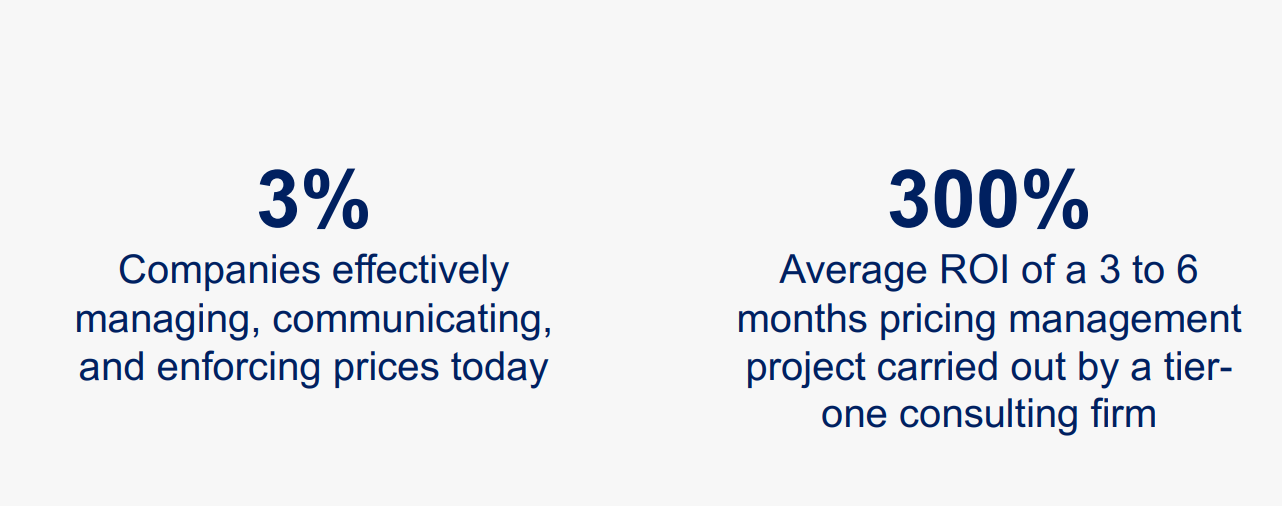
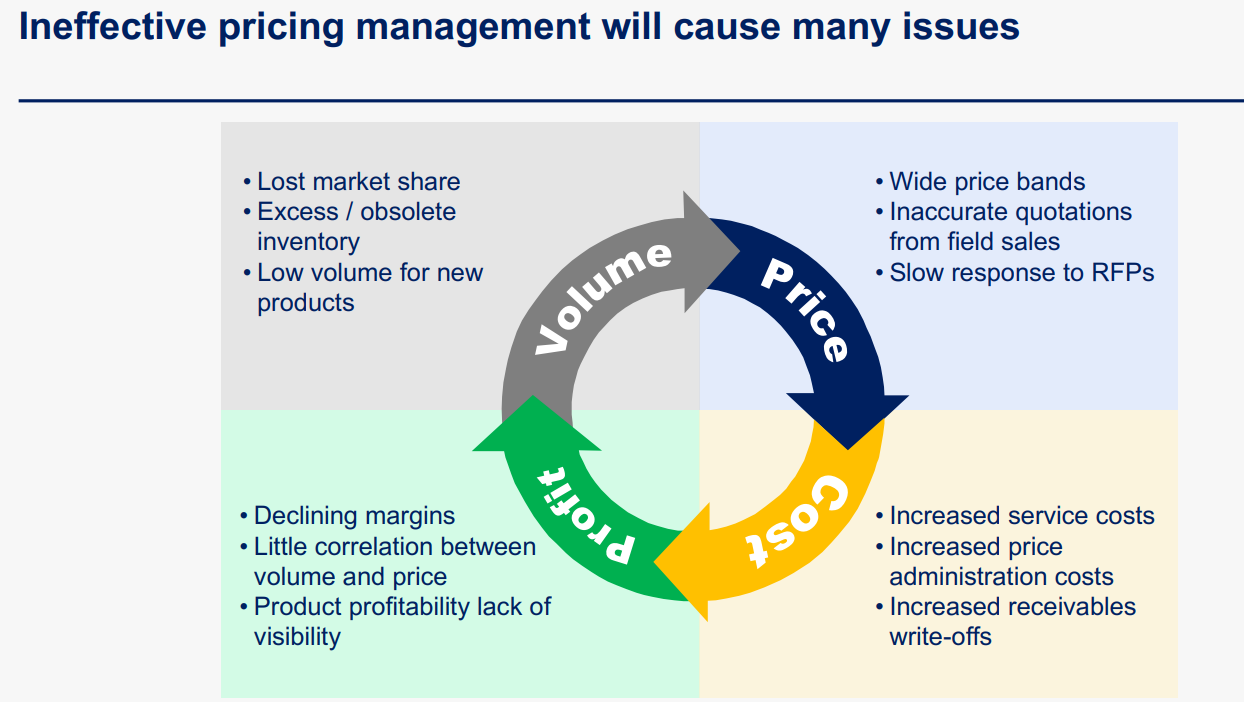
Ineffective pricing management will cause many issues
\
[[PROMOTION (marketing communications)[[
Defi : specific tool that the company uses to persuasively communicate customer value and build customer relationships
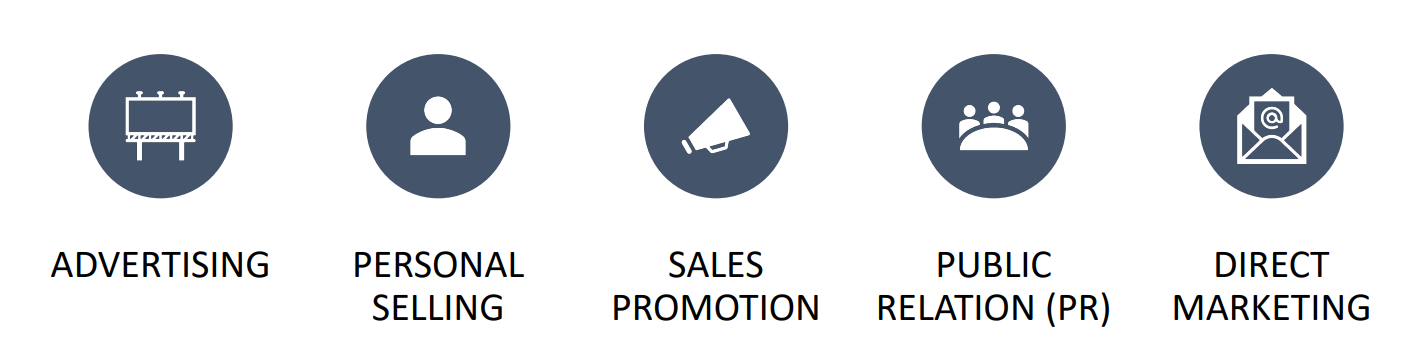
- %%Advertising%% : paid form of non-personal presentation and promotion of ideas, goods or services by an identified sponsors.

\
- %%Personal selling%% : personal presentation by the firm’s sales force for the purpose of making sales and building customer relationships
\
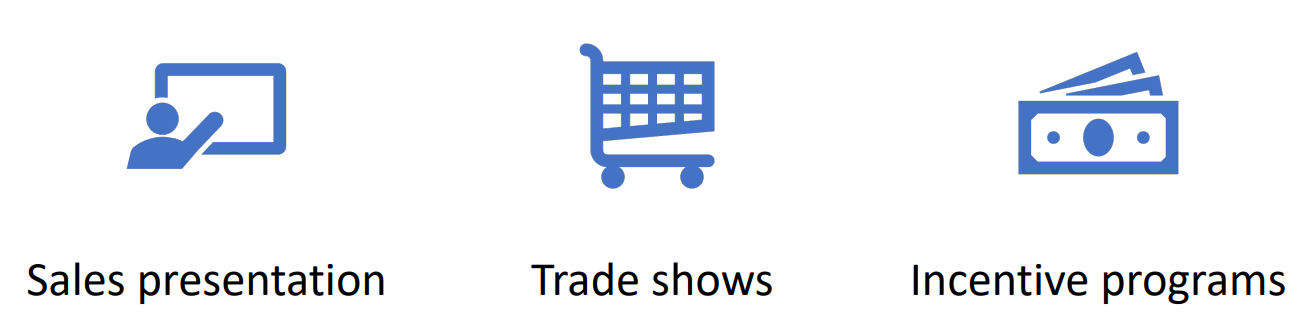
- %%Sale promotions%% : pricing strategy : short-term incentive to encourage the purchase or sale of a product or service

- %%PR%% : communication strategy : involves building good relations with the company’s various publics by obtaining favorable publicity, building up a good corporate image and handling or heading off unfavorable rumors, stories and events.
- %%Direct marketing%% : a form of advertising that involves directly communicating a marketing message to a potential customer, usually through mail, email, telemarketing, or door-to-door visits
*
+ Integrated marketing communication → consistent, clear and compelling company and brand messages
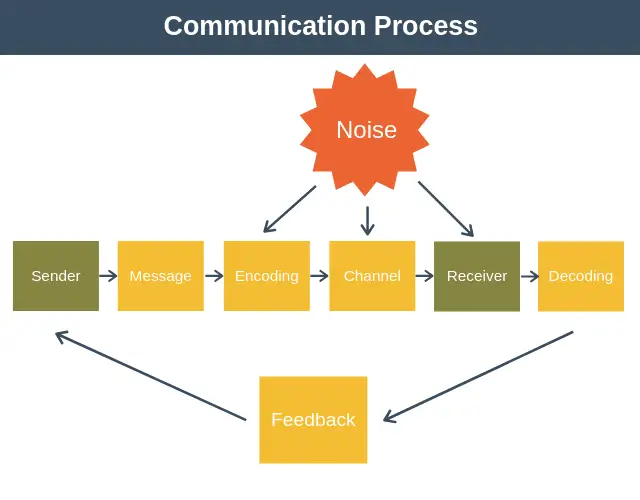
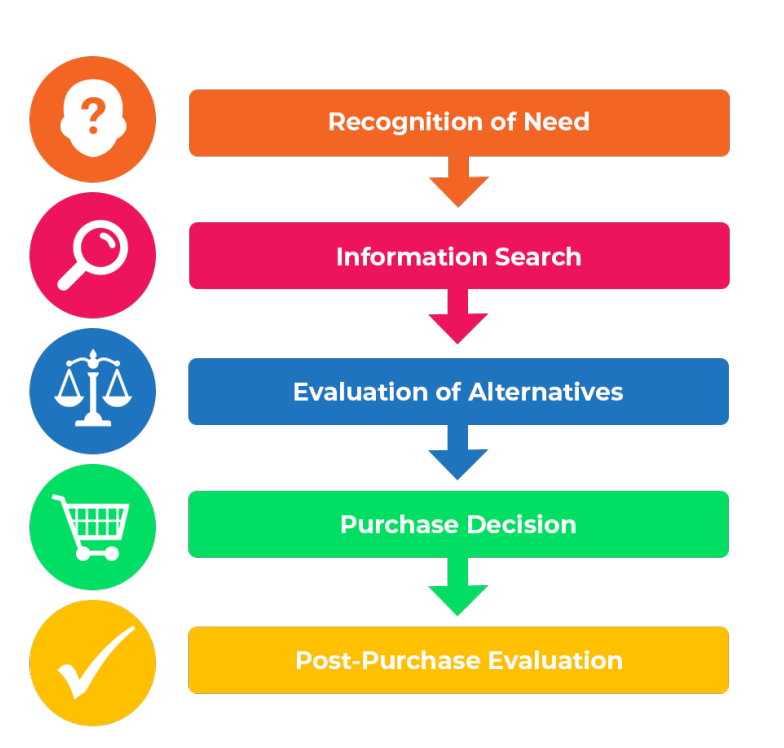
- Process of effective marketing communication
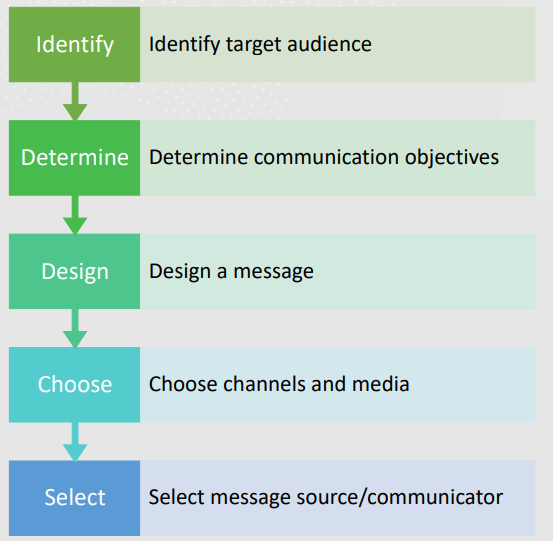
- TARGET AUDIENCE
target audience refers to the specific group of consumers most likely to want your product or service
\
- COMMUNICATION OBJECTIVES
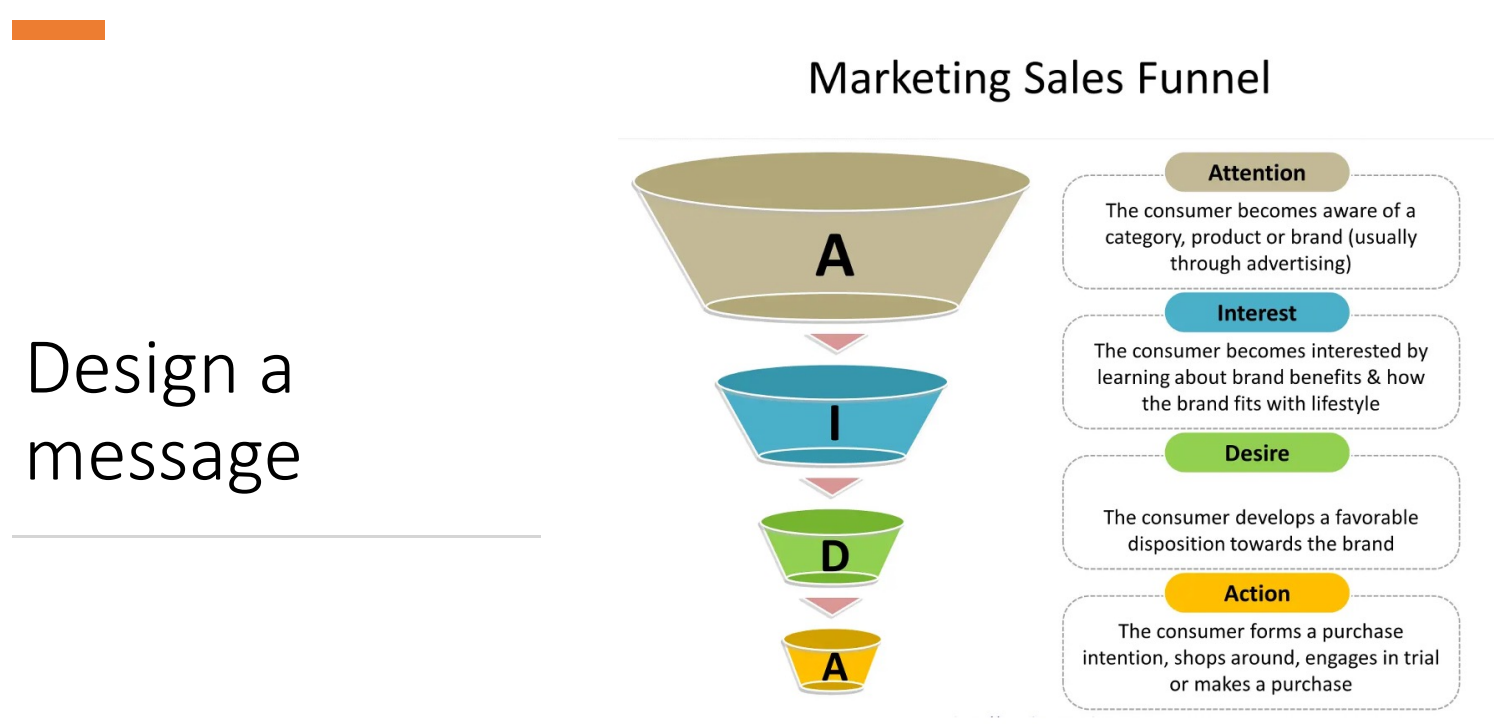
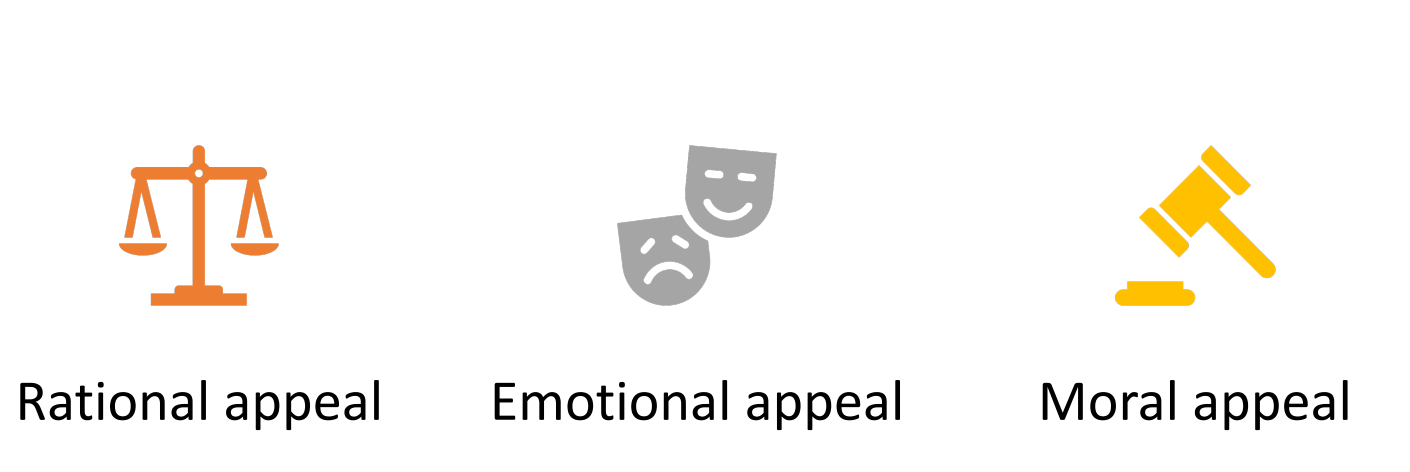
- MESSAGE CONTENT
- CHANNEL&MEDIA
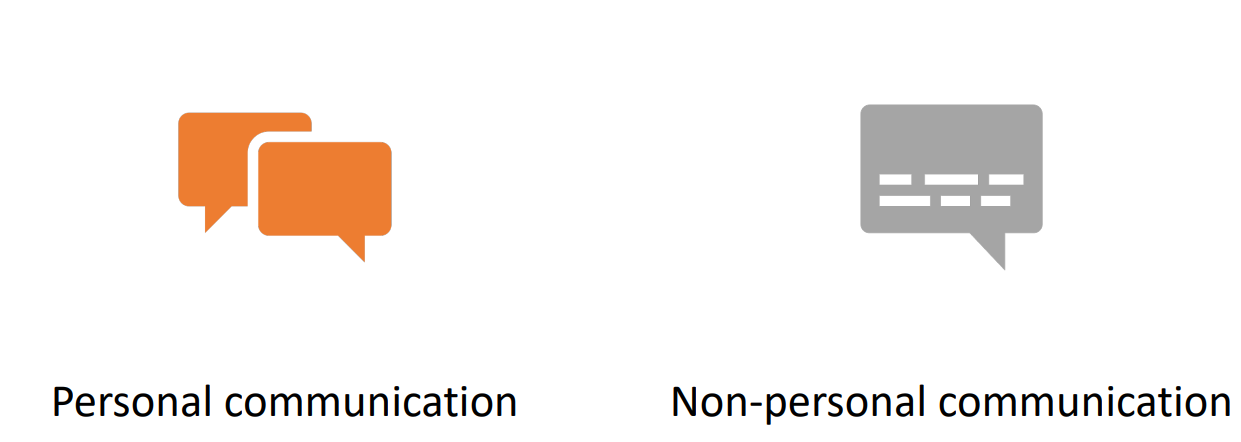
- PERSONAL
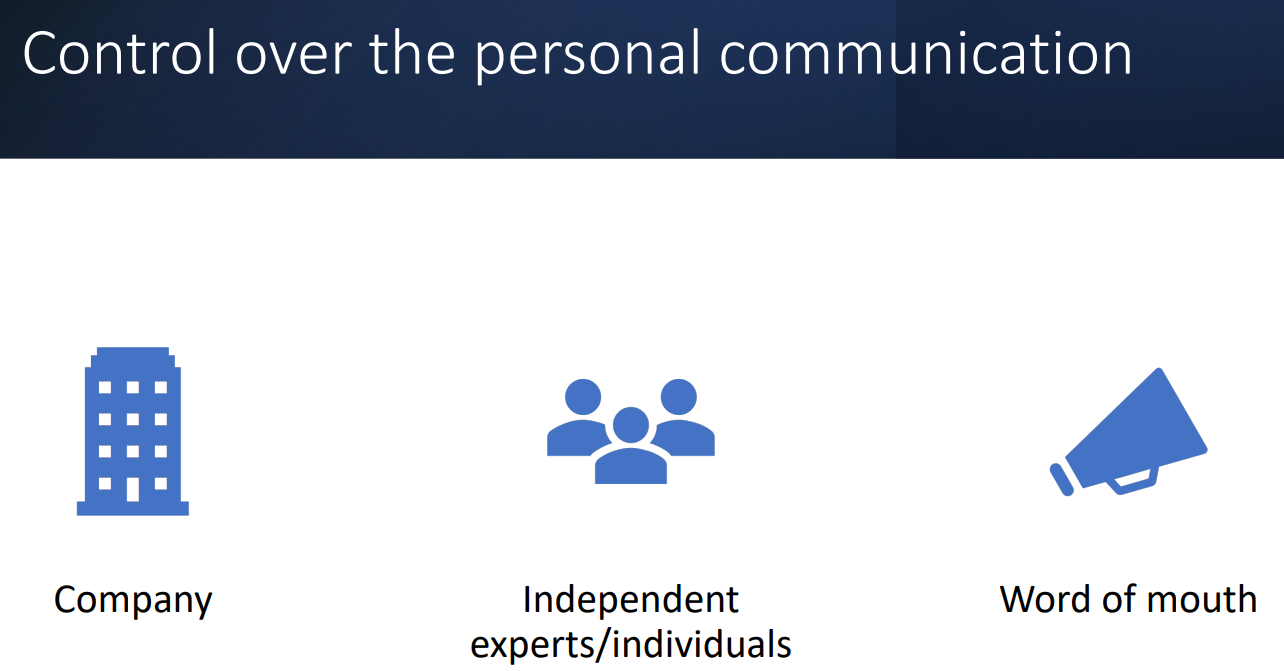
- Control over the personal communication
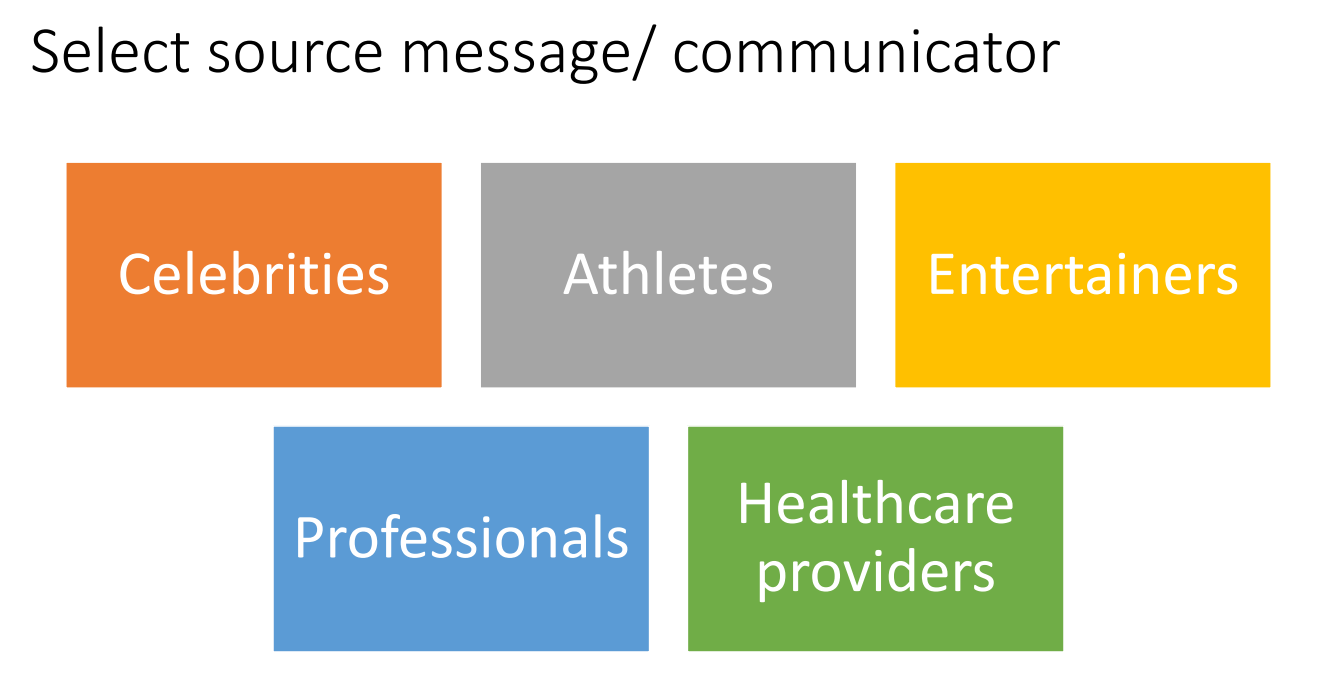
 External representation options
- KOL (Key Opinion Leader) : people or organizations that have such a strong social status that their recommendations and opinions are listened to when making important decisions.
- Brand Ambassador : is a person engaged by an organization or company to represent its brand in a positive light, helping to increase brand awareness and sales. The brand ambassador is meant to embody the corporate identity in appearance, demeanor, values and ethics.
\
NON-PERSONAL
- Major media include print, broadcast, display, and online media.
- Atmospheres are designed environments that create or reinforce the buyer’s leanings toward buying a product.
- Events are staged occurrences that communicate messages to target audiences
\
Common methods for budgeting
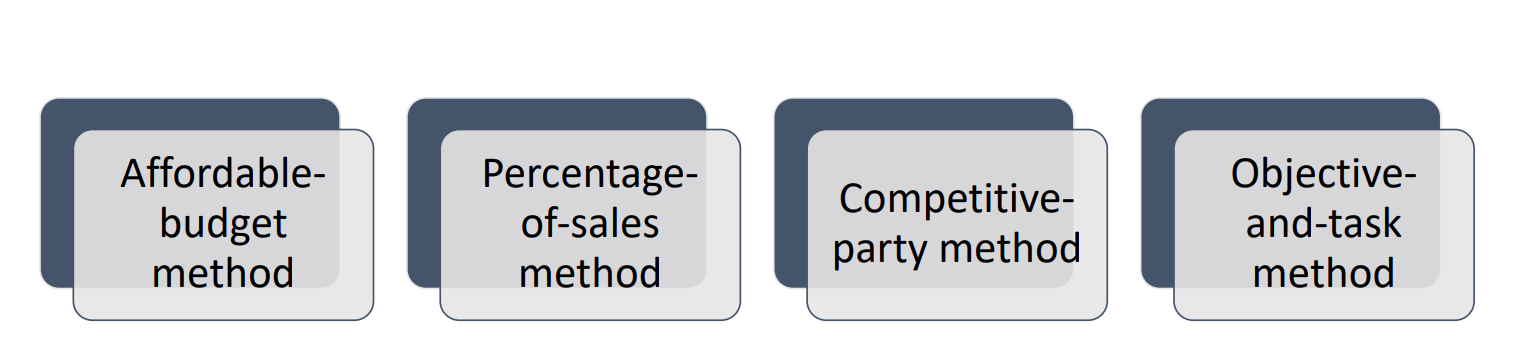
- Affordable budget method * set the promotion budget at the level management thinks the company can afford. * ignore the effects of promotion on sales * lead to underspending
- Percentage-of-sales method * Easy to use • * set the budget at a certain percentage of current or forecasted sales or as a percentage of the unit sales price. • * Helps management to think about the relationship between promotion, selling price and profit per unit. • * Wrongly views sales as the cause rather than the result of promotion.
- Competitive-parity method * sets the promotion budget to match competitors’ outlays. • * Represents industry standards • * Avoids promotion wars
- Objective-and-task method * sets the promotion budget based on what the firm wants to accomplish with promotion and includes: • * Define specific promotion objectives • * Determine the tasks needed to achieve these objectives • * Estimate the costs of performing these tasks.
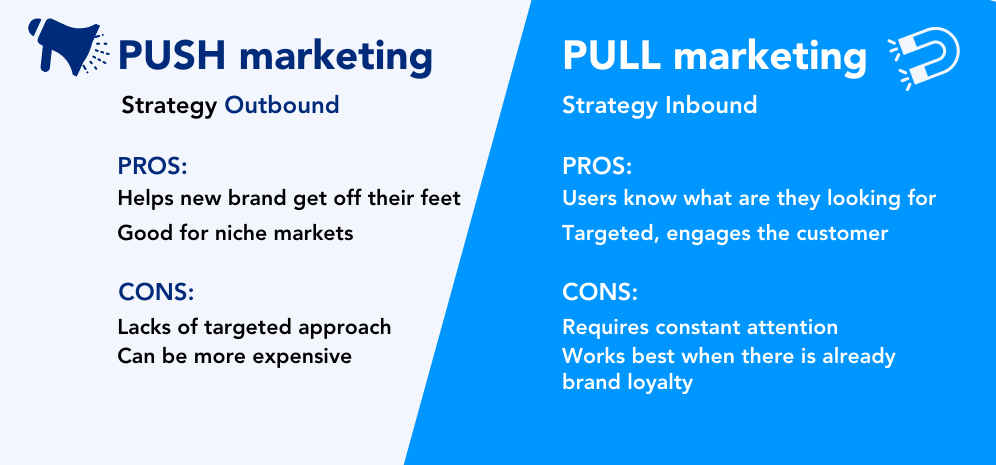
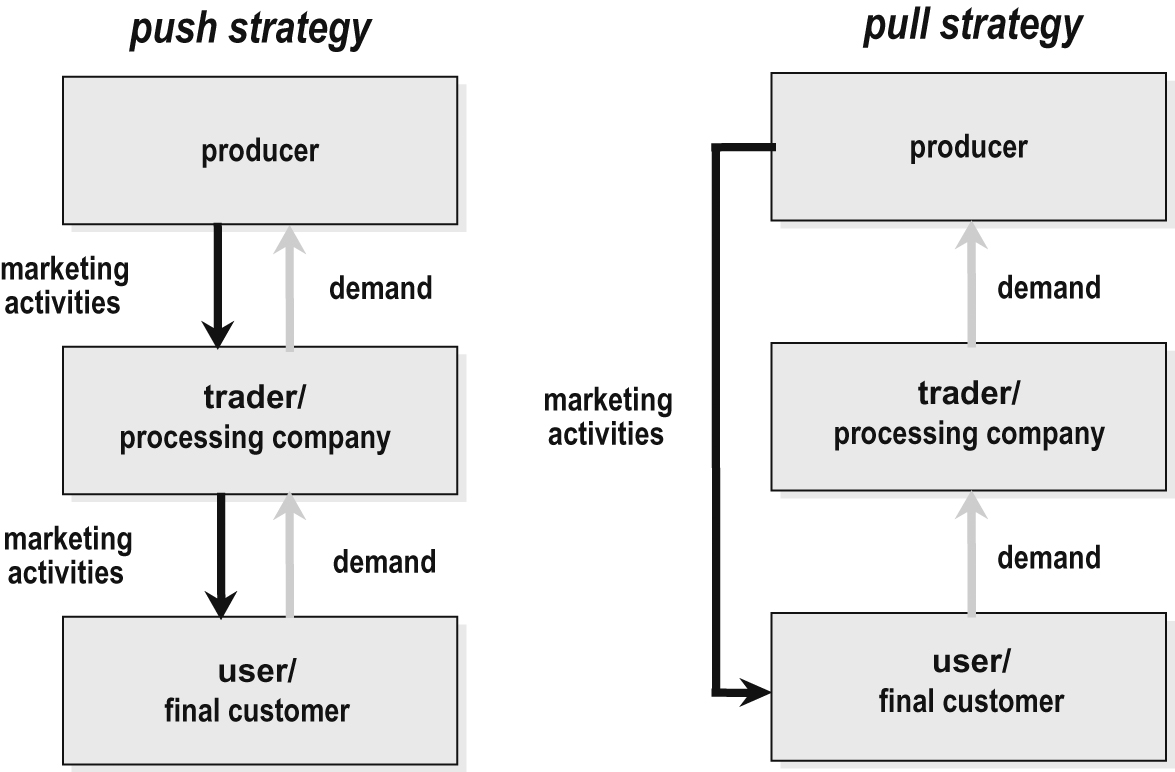
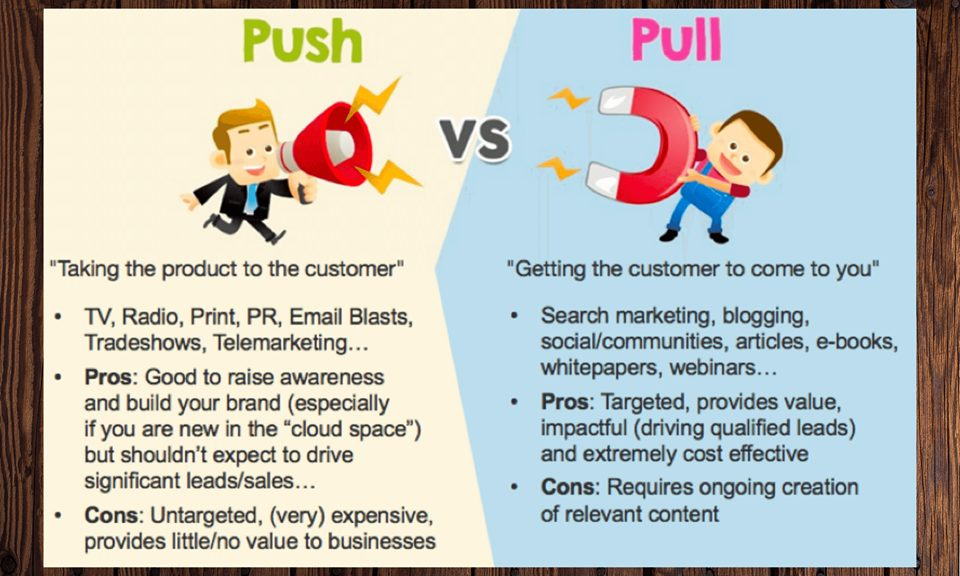
[[PLACE[[
@@Marketing channels: delivering customer value@@
%%Supply chains and the value delivery network%%
- Supply chain partners: * Upstream partners: Raw material suppliers, components, parts, information, finances and expertise to create a product or service. * Downstream partners: The marketing channels or distribution channels that look toward the customer.
\
%%The nature and importance of marketing channels%%
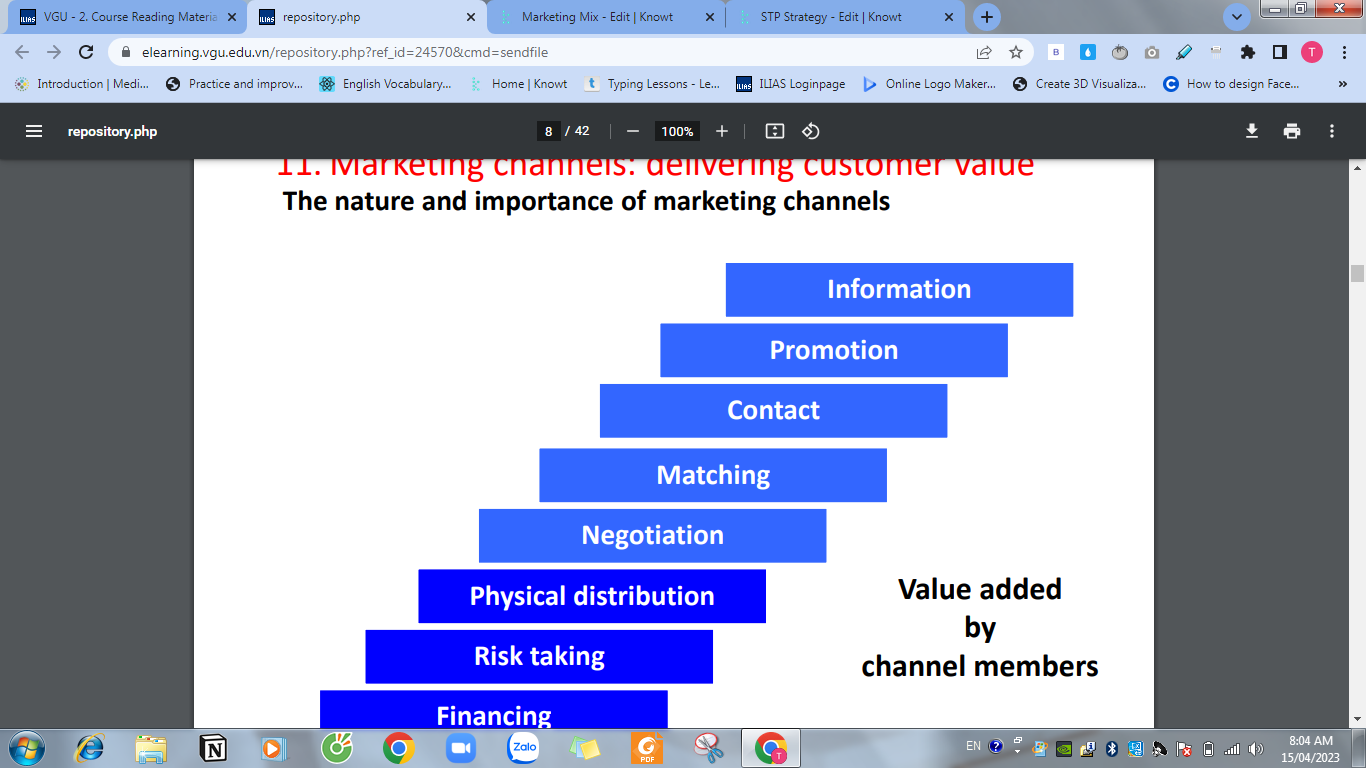
- The role of distributors / intermediaries: * Distributors / Intermediaries offer producers greater efficiency in making goods available to target markets. * Through their contacts, experience, specialisation and scale of operations, intermediaries usually offer the firm more than it can achieve on its own. * From an economic view, intermediaries transform the assortment of products into assortments wanted by consumers. * Channel members add value by bridging the major time, place and possession gaps that separate goods and services from those who would use them.
How adding a distributor reduces the number of channel transactions
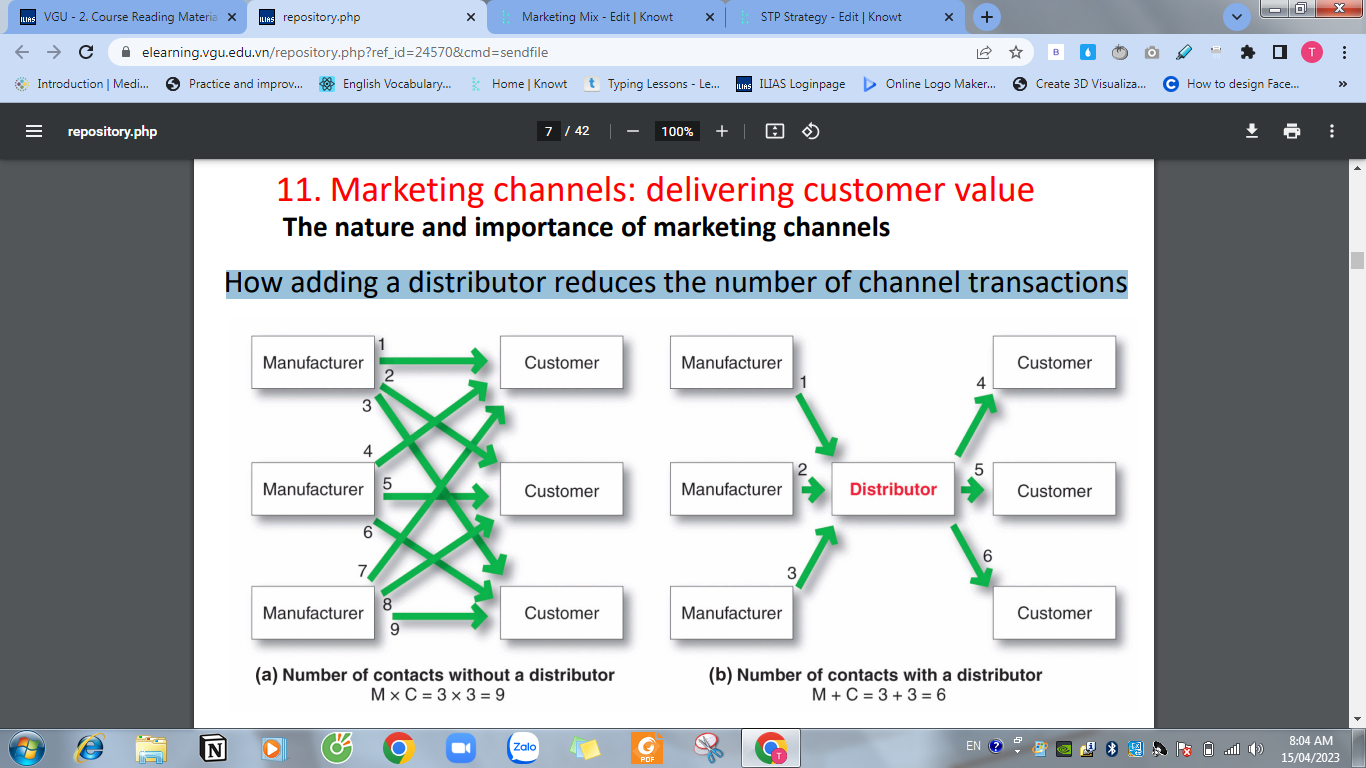
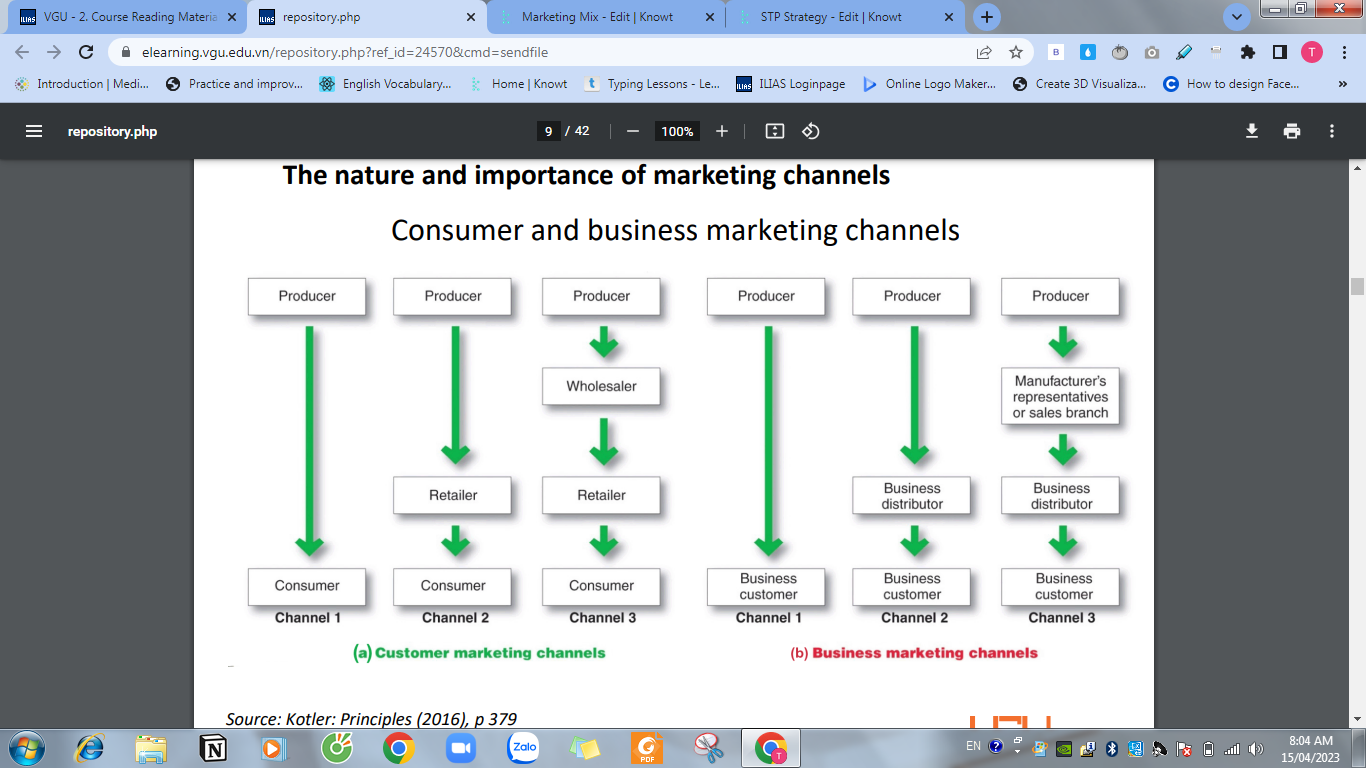
- The institutions within the channel are connected by types of flows: * Physical flow of products * Flow of ownership o * Payment flow o * Information flow o * Promotion flow.
\
\ \ \ \
%%Channel behaviour and organisation (*) learn more%%
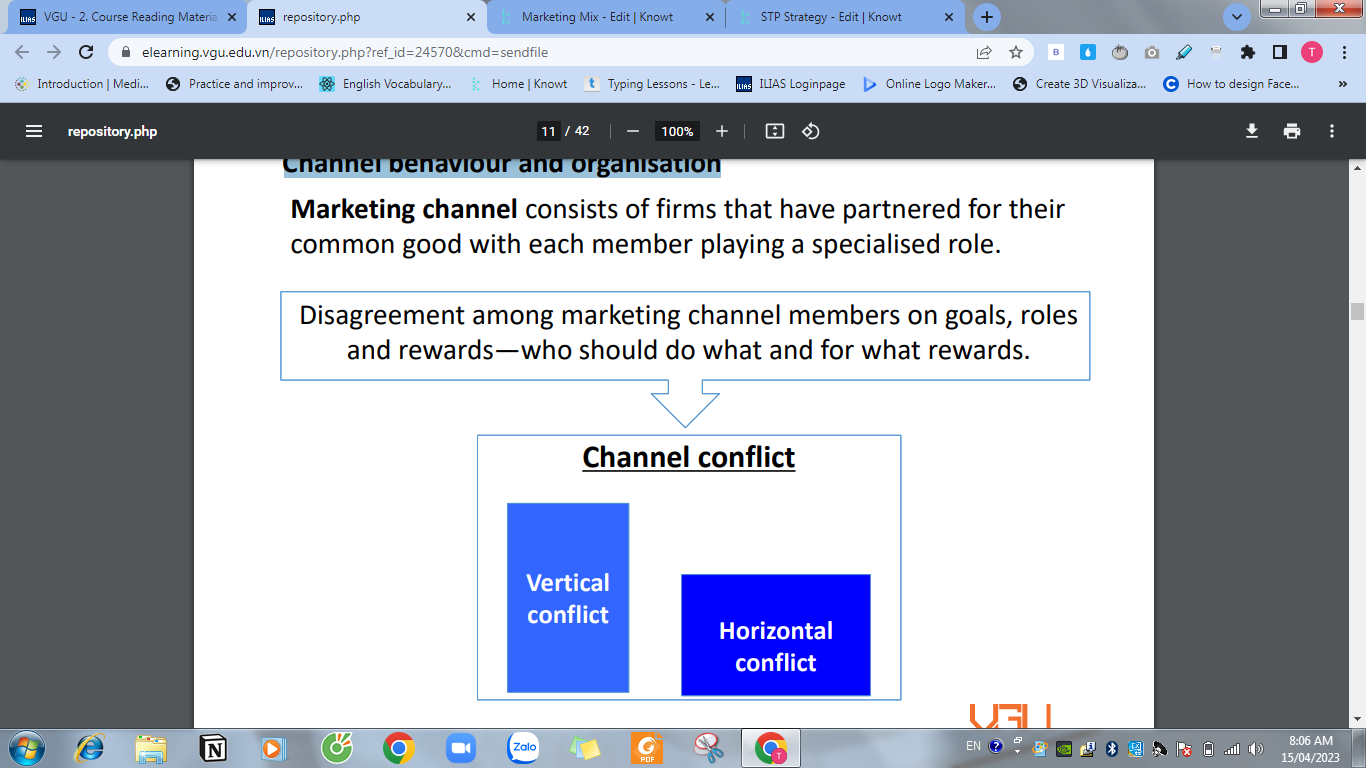
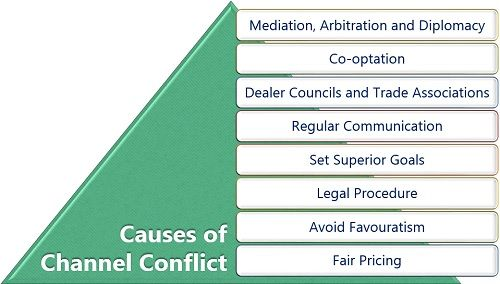
- Vertical Channel Conflict: This type of conflict arises \n E.g.The conflict between the manufacturer and the wholesaler regarding price, quantity, marketing activities, etc.
- Horizontal Channel Conflict: This type of conflict arises %%between the same level in the same channel.%% \n E.g. The conflict between two retailers of the same manufacturer faces disparity in terms of sales target, area coverage, promotional schemes, etc.
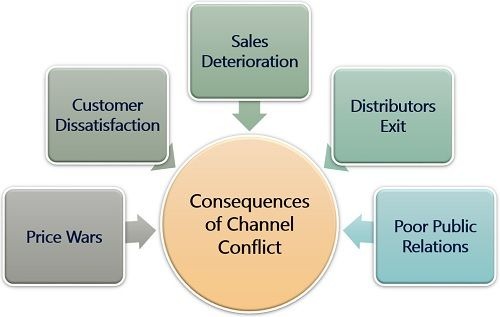
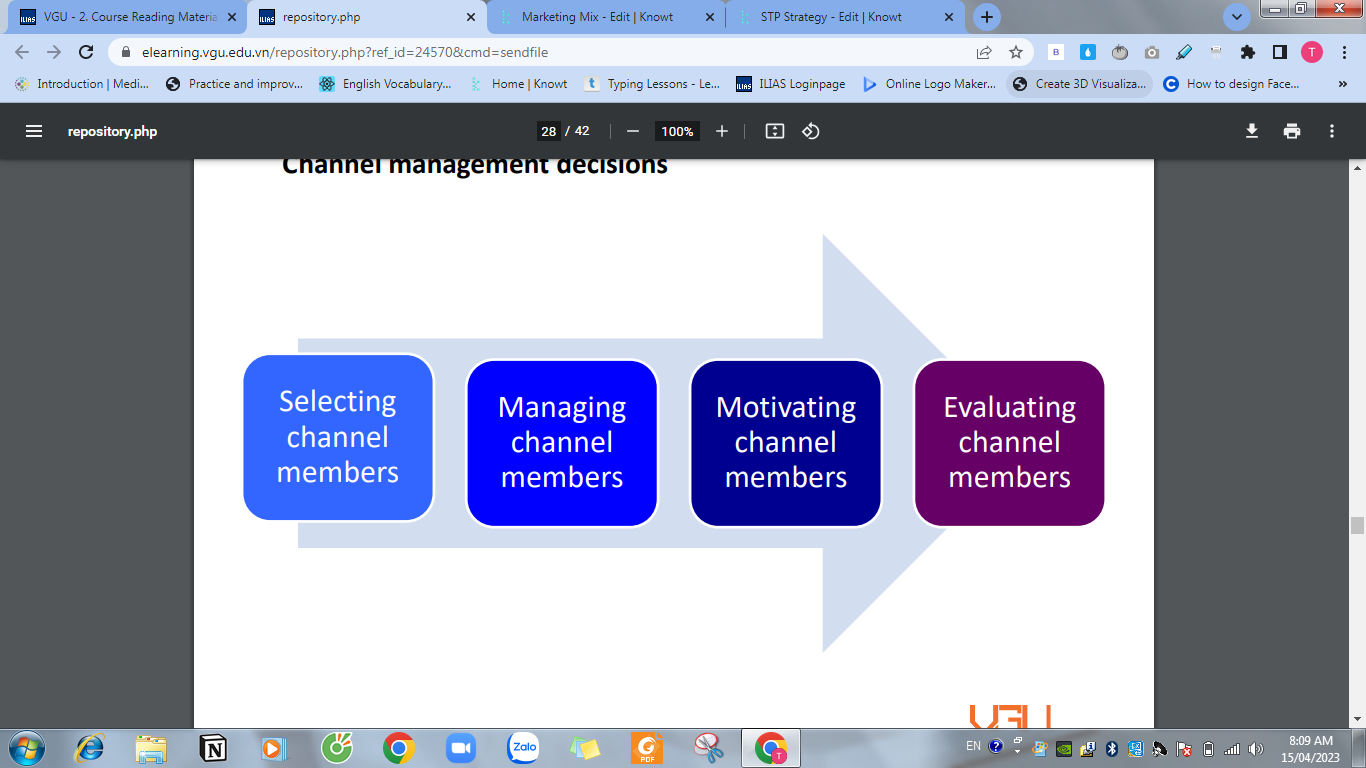
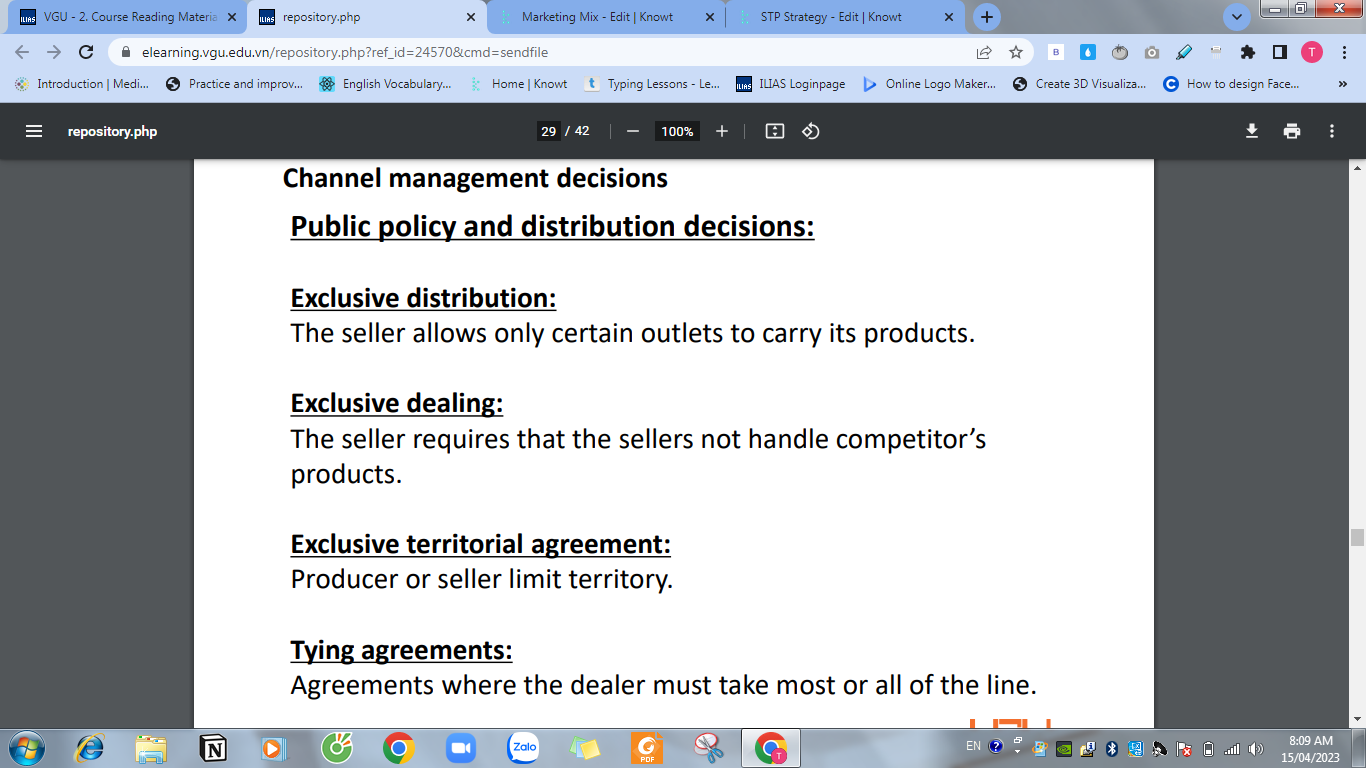
%%Channel management decisions%%
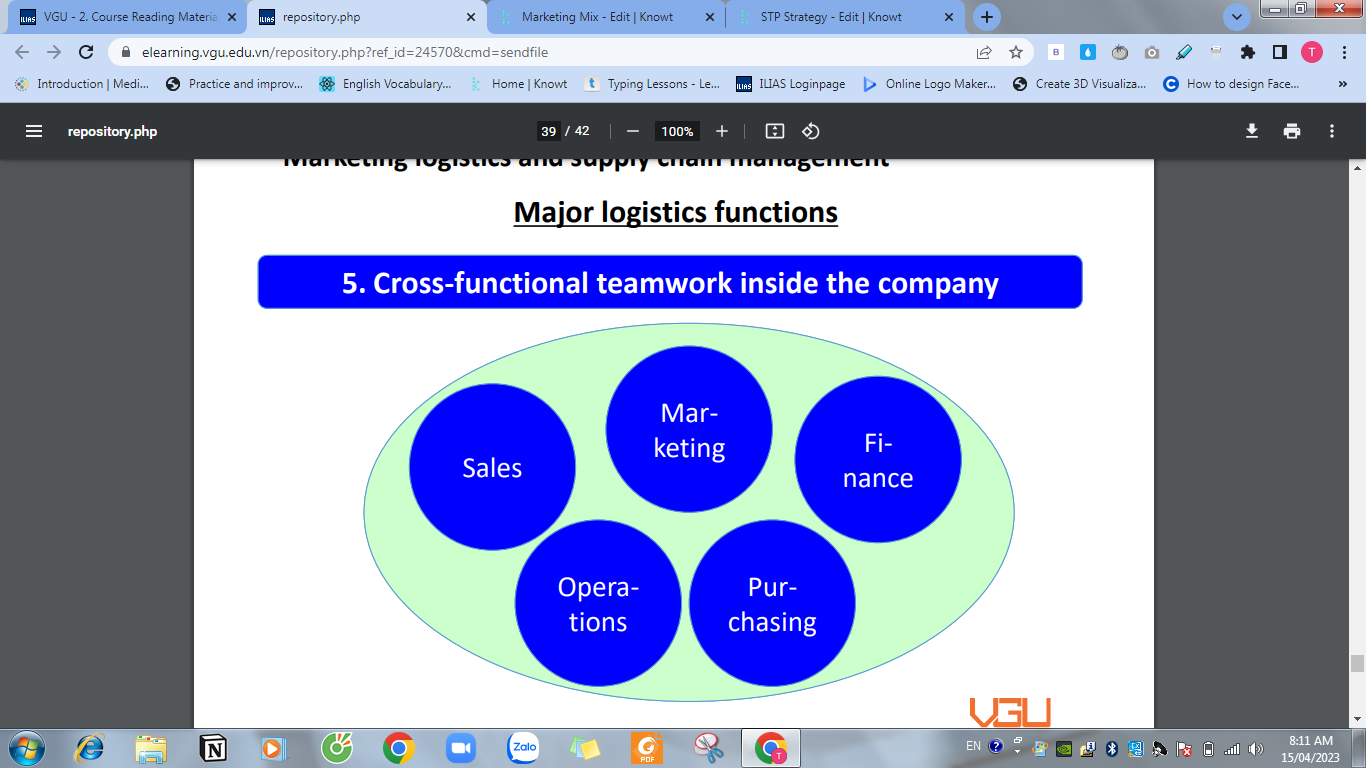
%%Marketing logistics and supply chain management%%
- Cross-functional teamwork inside the company
- Third-party learn more =))))))))))))))) * a partner or service that helps ecommerce merchants manage their supply chain * Common 3PL services include warehouse and inventory management, order fulfillment, shipping coordination, retail distribution, exchanges, and returns. * What is a 3pl relationship?
A 3PL relationship is a relationship between a brand and a separate company that fulfills (prepares and delivers) customer orders on their behalf. Some 3PL relationships are embedded, meaning the 3PL partners with the brand and their supply chain more closely to avoid failures.
\